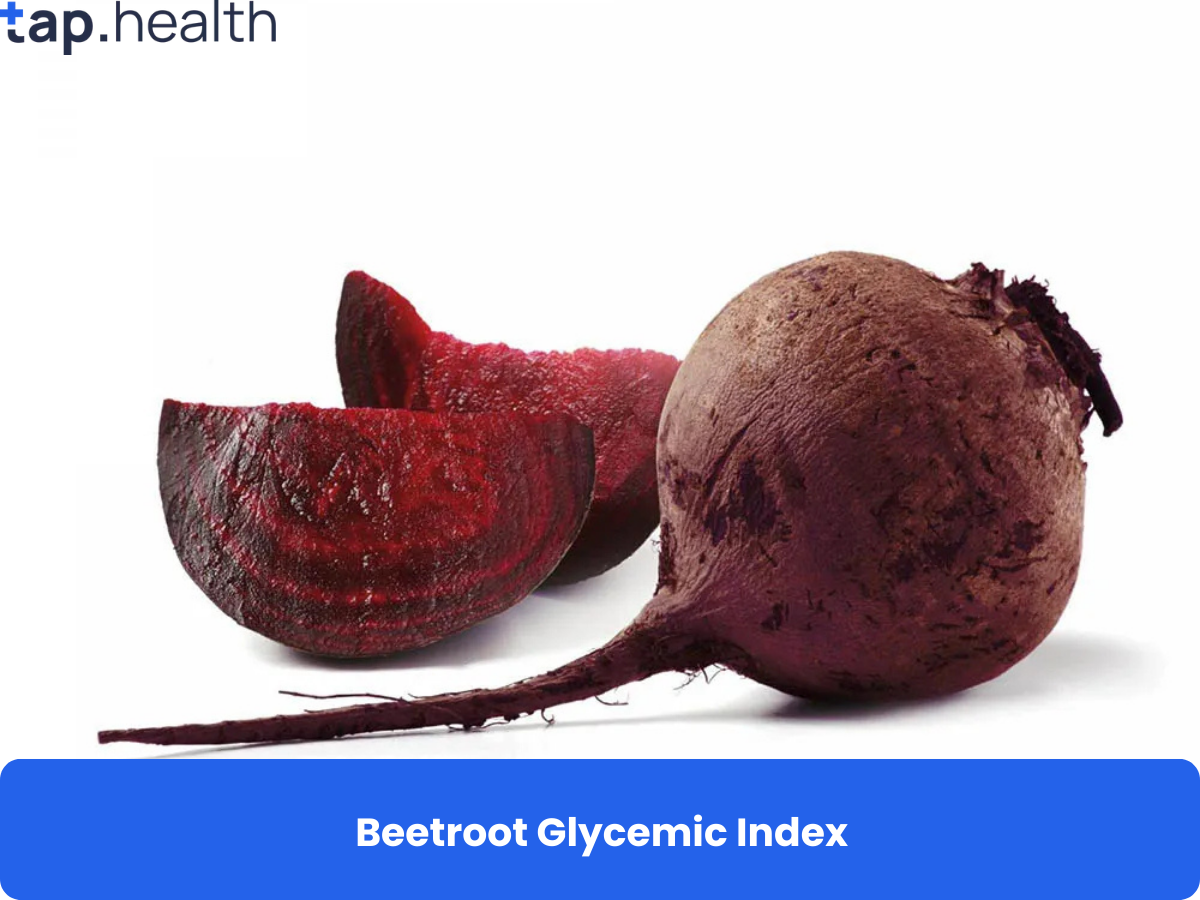
When you walk through the vegetable market, you see the bright, deep red color of beetroot and think, “That looks healthy.” But then, you remember it tastes sweet.
If you have diabetes or are watching your sugar, the word “sweet” sets off an alarm bell. You might wonder, “Is beetroot just a sugar bomb disguised as a vegetable?” or “Will eating this spike my glucose levels?”
You are not alone in this confusion. Many people avoid beetroot because they think it is too sugary. But the truth is much more interesting—and much better for you—than you might think.
In this guide, we will uncover the mystery of the beetroot glycemic index. We will look at the numbers, explain why they matter, and show you exactly how to enjoy this earthy superfood safely. We will keep it simple, clear, and easy to understand.
What is the Glycemic Index (GI)?
Before we dig into the beetroot, we need to understand the tool we are using: the Glycemic Index (GI).
Think of the GI as a race track for sugar. It measures how fast the carbohydrates in food break down and “race” into your bloodstream. The scale goes from 0 to 100.
- Low GI (0 to 55): These are the slow walkers. They release energy slowly and keep your blood sugar steady.
- Medium GI (56 to 69): These are the joggers. They are faster but usually okay in moderation.
- High GI (70 and above): These are the sprinters. They cause a sudden spike in blood sugar.
If you have diabetes, you want to stick with the slow walkers as much as possible.
What is the Glycemic Index of Beetroot?
This is where things get a little tricky because not all beetroot is the same. The GI changes depending on how you cook it.
- Raw Beetroot: The GI is 30 to 32. (This is Low GI).
- Cooked/Boiled Beetroot: The GI is 61 to 64. (This is Medium GI).
Why the Difference?
You might ask, “Why does cooking it change the number?”
The answer is texture. Raw beetroot is hard and crunchy. It has tough cellular walls that your stomach has to work hard to break down. This effort slows down digestion, so the sugar enters your blood very slowly.
When you boil or pressure cook a beetroot, you soften it. You break down those tough walls before you even eat it. This means your stomach does less work, and the sugar enters your bloodstream faster.
Glycemic Index vs. Glycemic Load: The Real Hero
If you only look at the Glycemic Index, you might be scared of cooked beetroot because it sits in the “Medium” category. But you need to look at the Glycemic Load (GL).
This is actually the more important number.
- GI tells you how fast the sugar hits you.
- GL tells you how much sugar is actually in a normal serving.
The Glycemic Load of a standard serving of beetroot (about ½ cup) is only 5.
- Low GL: 0 to 10
- Medium GL: 11 to 19
- High GL: 20+
What Does This Mean?
It means that even though the sugar in cooked beetroot travels somewhat fast (Medium GI), there is so little total sugar in a normal serving that it barely makes a dent in your blood sugar levels.
It is like a car driving fast (High Speed) but only going for 10 meters (Short Distance). It won’t get very far.
Can Diabetics Eat Beetroot?
The short answer is YES.
In fact, beetroot is often called a “superfood” for diabetics. As long as you don’t eat a bucket of them, they are perfectly safe.
The American Diabetes Association encourages eating non-starchy vegetables, and while beetroot has a little more sugar than spinach, it is packed with nutrients that fight the very complications diabetes causes.
The Secret Health Benefits for Diabetics
Beetroot isn’t just “safe”; it is actively working to help your body. Here is why you should keep it on your plate.
1. It Lowers Blood Pressure
High blood pressure and diabetes often go hand-in-hand. Beetroots are rich in nitrates. When you eat them, your body turns these nitrates into nitric oxide. Nitric oxide relaxes and widens your blood vessels, which can significantly lower your blood pressure.
2. It Fights Nerve Damage
Diabetes can damage your nerves over time (neuropathy). Beetroot contains an antioxidant called alpha-lipoic acid. Studies suggest this compound can help lower glucose levels and increase insulin sensitivity. More importantly, it helps reduce the pain and numbness caused by diabetic nerve damage.
3. It Boosts Stamina
Do you feel tired easily? Beetroot improves the way your cells use oxygen. This is why many athletes drink beet juice. For a diabetic, this means more energy to stay active and exercise, which is key to managing blood sugar.
4. High Fiber Content
Fiber is the ultimate sugar blocker. It slows down digestion and keeps you full. Beetroot gives you a good dose of fiber, preventing you from snacking on unhealthy foods later in the day.
Raw vs. Cooked vs. Juiced: Which is Best?
If you want to be extra careful, how should you eat it?
- Best Option: Raw. Grated in a salad or coleslaw. It has the lowest GI and the most nutrients intact.
- Good Option: Steamed or Roasted. This softens the beet but keeps the flavor. The GI is medium, but the GL is still low.
- Risky Option: Pickled. Pickled beets often come in jars filled with added sugar and vinegar. Always check the label. If there is added sugar, skip it.
- Worst Option: Juiced. When you juice a beet, you throw away the fiber. Without fiber, the sugar hits your blood much faster. If you must juice, mix it with celery or spinach to dilute the sugar.
5 Simple Ways to Eat Beetroot Safely
Use the KISS method (Keep It Simple, Stupid) to add beetroot to your diet without the stress.
1. The Classic Beetroot Salad
Grate one small raw beetroot. Mix it with chopped cucumber, onions, and a squeeze of lemon juice. The acidity of the lemon actually helps lower the glycemic response even more.
2. Beetroot Raita (Yogurt Dip)
Boil a small beetroot and grate it. Mix it into a bowl of unsweetened Greek yogurt or curd. Add a pinch of roasted cumin powder. The protein and fat in the yogurt will act as a buffer, slowing down the absorption of the beet sugar.
3. Roasted Veggie Bowl
Cut beetroot into cubes along with carrots and bell peppers. Toss them in olive oil and roast them in the oven. The healthy fats from the olive oil will help stabilize your blood sugar.
4. Beet Hummus
Blend cooked beetroot with chickpeas (chana), garlic, and tahini. Chickpeas are a low GI superfood. This makes for a bright pink, healthy dip for your whole-wheat toast.
5. Leaves and All
Don’t throw away the green leaves at the top! Beet greens are even healthier than the root. They have almost zero sugar and are packed with iron. Cook them exactly like you cook spinach (saag).
Side Effects: Don’t Panic!
There is one side effect of eating beetroot that scares people, but it is completely harmless.
Beeturia (Red Urine or Stool) If you eat a lot of beetroot, you might notice your urine or stool turning pink or red the next day. Do not panic. This is not blood. It is just the natural red pigment (betalain) leaving your body. It happens to about 10-14% of the population and is totally safe.
Kidney Stones Warning Beetroots are high in oxalates. If you are prone to kidney stones, you should limit how much beetroot you eat. Oxalates can contribute to stone formation. Drinking plenty of water helps, but moderation is key for stone-formers.
Conclusion
So, should you fear the beetroot glycemic index? Absolutely not.
While cooked beetroot has a Medium GI (64), its Glycemic Load is very low (5). This means it is safe for diabetics when eaten in normal portions.
The benefits—lower blood pressure, better energy, and heart health—far outweigh the tiny amount of natural sugar it contains.
The Golden Rule: Treat beetroot like a side dish, not the main course.
- Grate it raw on salads.
- Mix it with yogurt.
- Don’t drink the juice alone.
Enjoy the crunch, the color, and the health benefits of this red gem. Your body will thank you for it!
Frequently Asked Questions (FAQ) on Beetroot Glycemic Index
How much beetroot can a diabetic eat per day?
A safe amount is roughly half a cup to one cup of beetroot per day. This provides all the health benefits without overloading your body with carbohydrates.
Is it better to eat beetroot raw or cooked for diabetes?
Raw is better. Raw beetroot has a lower Glycemic Index (32) compared to cooked beetroot (64). It also retains more Vitamin C, which can be lost during cooking.
Can beetroot juice spike blood sugar?
Yes, it can. Juicing removes the fiber, which is what slows down sugar absorption. If you drink pure beetroot juice, it can cause a faster spike. It is better to eat the whole vegetable. If you do juice, mix it with vegetables like celery or spinach.
Does beetroot improve insulin sensitivity?
Yes. Studies have shown that the antioxidants in beetroot (specifically alpha-lipoic acid) can help lower glucose levels and increase insulin sensitivity, helping your body handle sugar better.
Can I eat beetroot at night?
Yes, you can. However, since beetroot gives you an energy boost (thanks to the nitrates improving oxygen flow), some people prefer eating it at breakfast or lunch. But it will not harm you if eaten at dinner.
Why does my urine turn red after eating beetroot?
This condition is called Beeturia. It is harmless. It happens because your body is flushing out the strong red pigment found in beets. It usually clears up within 24 to 48 hours.
Who should avoid beetroot?
People who are prone to kidney stones (calcium oxalate stones) should limit beetroot because it is high in oxalates. Also, if you have very low blood pressure, eat it in moderation, as beetroot lowers blood pressure further.
Does adding vinegar to beetroot help?
Yes! Adding vinegar or lemon juice to beetroot (like in a salad) can lower the Glycemic Index. The acid slows down stomach emptying, which prevents blood sugar spikes.
References
Healthline: Benefits of Beets for Diabetes
- Explains the difference between the GI (61) and the low Glycemic Load (5) of beets.
- https://www.healthline.com/health/diabetes/beets
Medical News Today: Are beets good for diabetes?
- Discusses the nutritional profile and why the high GI shouldn’t scare diabetics away.
- https://www.medicalnewstoday.com/articles/324898
WebMD: Health Benefits of Beetroot
- Covers the nitrates in beets which help lower blood pressure, a common issue for diabetics.
- https://www.webmd.com/diet/health-benefits-beetroot