Many people with diabetes also experience acid reflux, a condition where stomach acid backs up into the esophagus, causing discomfort and irritation. If you have diabetes, you may be wondering if the two conditions are connected. In this comprehensive guide, we will explore whether diabetes can cause acid reflux, how they are linked, and what you can do to manage both conditions together.
What is Acid Reflux?
Before diving into the relationship between diabetes and acid reflux, it’s important to understand what acid reflux is and what causes it.
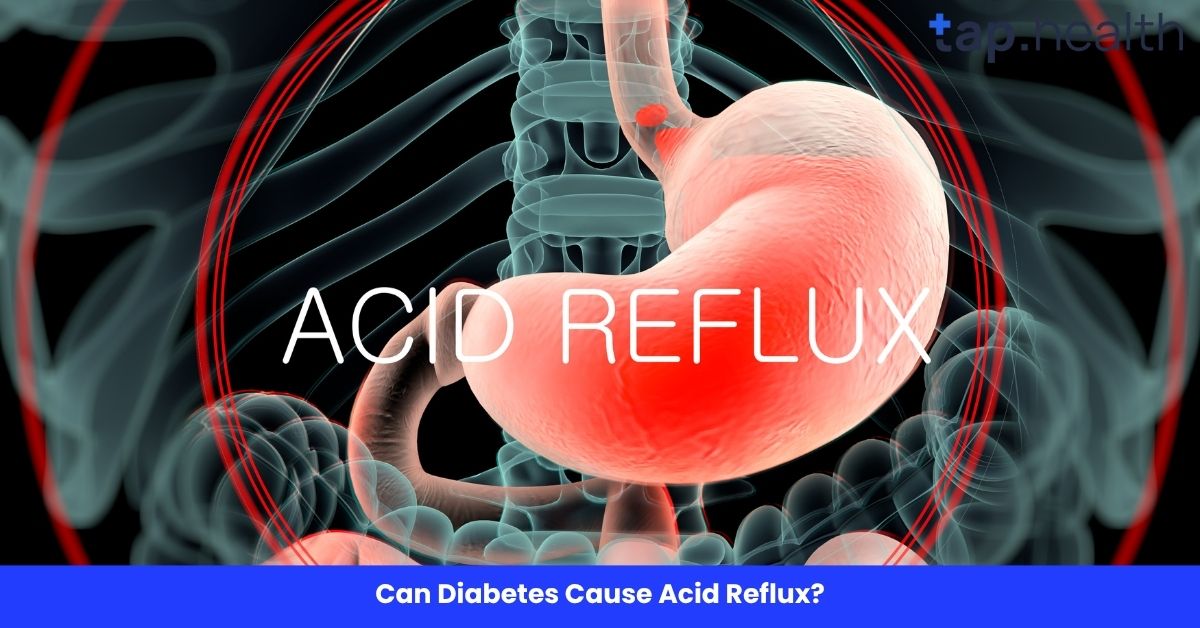
Acid reflux, also known as gastroesophageal reflux disease (GERD) when it becomes chronic, occurs when stomach acid moves up into the esophagus, the tube that connects the mouth to the stomach. This causes irritation and leads to symptoms such as heartburn and regurgitation.
Symptoms of Acid Reflux
Common symptoms of acid reflux include:
- A burning sensation in the chest (heartburn).
- A sour or bitter taste in the mouth (acid regurgitation).
- Difficulty swallowing or feeling like food is stuck in your throat.
- A chronic cough, sore throat, or hoarseness.
- Excessive burping or bloating.
Causes of Acid Reflux
Acid reflux occurs when the lower esophageal sphincter (LES), a muscle that prevents stomach acid from flowing back into the esophagus, relaxes or weakens. When this happens, stomach contents can rise up into the esophagus, causing irritation and symptoms of reflux.
Several factors can contribute to the weakening of the LES, including obesity, pregnancy, smoking, and certain foods and drinks (like spicy foods, citrus, and alcohol).
What is Diabetes?
Diabetes is a chronic condition that affects how the body processes blood sugar (glucose). There are two main types of diabetes: Type 1 and Type 2. Both types involve issues with insulin, the hormone that regulates blood sugar levels.
Symptoms of Diabetes
Common symptoms of diabetes include:
- Increased thirst and frequent urination.
- Extreme hunger.
- Unexplained weight loss.
- Fatigue or feeling tired all the time.
- Blurry vision.
Causes of Diabetes
- Type 1 Diabetes: An autoimmune condition where the body’s immune system attacks and destroys the insulin-producing cells in the pancreas. This typically occurs in childhood or early adulthood.
- Type 2 Diabetes: A condition where the body becomes resistant to insulin, or the pancreas does not produce enough insulin. It is more common in adults and is often linked to lifestyle factors like obesity, lack of exercise, and poor diet.
Diabetes Complications
If diabetes is not managed properly, it can lead to several complications, including nerve damage (neuropathy), kidney problems, heart disease, and poor circulation. One of the complications of diabetes that affects the digestive system is gastroparesis, a condition that slows down the emptying of the stomach.
Can Diabetes Cause Acid Reflux?
While acid reflux and diabetes are separate conditions, there is evidence suggesting that diabetes can increase the risk of developing acid reflux or worsen existing symptoms. Let’s explore how these two conditions might be linked.
1. Impact of Diabetes on the Digestive System
Diabetes, especially Type 2, affects the digestive system in several ways. One of the most significant ways it contributes to acid reflux is by causing gastroparesis, a condition where the stomach empties more slowly than usual. When the stomach takes longer to empty, it can increase the chances of acid flowing back into the esophagus, leading to reflux symptoms.
Gastroparesis can cause nausea, bloating, and feelings of fullness, and it can also make acid reflux worse by prolonging the presence of stomach acid in the stomach.
2. Poor Circulation and Nerve Damage (Neuropathy)
Diabetes can lead to poor circulation and nerve damage (diabetic neuropathy), which can affect the muscles responsible for keeping the lower esophageal sphincter (LES) tight. When the LES is weakened, it becomes easier for stomach acid to leak into the esophagus, causing acid reflux.
3. Obesity and Acid Reflux
Obesity is a significant risk factor for both Type 2 diabetes and acid reflux. Excess body weight increases pressure on the stomach, which can push acid up into the esophagus. This pressure can also contribute to the weakening of the LES. Many people with Type 2 diabetes are overweight or obese, which may explain the higher prevalence of acid reflux among people with diabetes.
Symptoms of Acid Reflux in People with Diabetes
If you have diabetes, you may be more likely to experience acid reflux. The symptoms of acid reflux can range from mild to severe, and they often occur after meals or when lying down. Common symptoms of acid reflux in people with diabetes include:
- Heartburn, a burning sensation in the chest or throat.
- Regurgitation, where food or liquid backs up into the throat or mouth.
- Difficulty swallowing or a feeling of food being stuck in the throat.
- Chronic cough, especially at night.
- A sour or bitter taste in the mouth.
In some cases, people with diabetes may not feel the symptoms of acid reflux as strongly due to nerve damage caused by the condition. This is particularly common in those with gastroparesis.
How to Manage Acid Reflux with Diabetes
Managing both acid reflux and diabetes requires a balanced approach. Here are some tips for managing acid reflux while controlling your blood sugar levels:
1. Follow a Diabetes-Friendly, Acid Reflux-Supportive Diet
A well-balanced diet is essential for managing both conditions. Certain foods can trigger acid reflux, while others can help control blood sugar levels. Here are some dietary recommendations for managing acid reflux and diabetes:
Best Foods for Acid Reflux and Diabetes:
- Lean proteins: Chicken, turkey, fish, and tofu are good options that are gentle on the stomach and will not spike blood sugar levels.
- Whole grains: Brown rice, oats, and quinoa provide fiber and help regulate blood sugar.
- Non-citrus fruits: Bananas, melons, and apples are less acidic and can soothe the stomach.
- Vegetables: Leafy greens, cucumbers, and carrots are great choices that won’t trigger reflux or spike blood sugar.
- Healthy fats: Olive oil, avocado, and nuts help control blood sugar and provide anti-inflammatory benefits.
Foods to Avoid:
- Fried and fatty foods: These can increase acid production and make acid reflux worse.
- Spicy foods: Spices like chili peppers can trigger reflux symptoms.
- Citrus fruits: Oranges, lemons, and grapefruits are highly acidic and can worsen acid reflux.
- Sugary foods and drinks: These can spike blood sugar levels and may exacerbate both acid reflux and diabetes.
2. Eat Smaller, More Frequent Meals
Eating smaller meals throughout the day can help reduce acid reflux symptoms by decreasing pressure on the stomach. Smaller meals are also beneficial for managing diabetes, as they help keep blood sugar levels stable.
3. Avoid Lying Down After Meals
Lying down after meals can increase the likelihood of acid reflux. It is recommended to wait at least 2-3 hours after eating before lying down. This allows your stomach to empty and reduces the risk of acid flowing back into the esophagus.
4. Manage Blood Sugar Levels
Keeping your blood sugar levels under control is crucial for managing both acid reflux and diabetes. High blood sugar can increase the likelihood of acid reflux by weakening the LES and slowing down digestion. Use medication as prescribed and monitor your blood sugar regularly to keep it in a healthy range.
5. Exercise Regularly
Regular physical activity helps control blood sugar levels and supports healthy digestion. However, avoid exercising right after meals, as it can increase the risk of acid reflux.
Can Medications for Diabetes Make Acid Reflux Worse?
Some medications used to treat diabetes may exacerbate acid reflux symptoms. Here are a few examples of medications that can contribute to acid reflux:
- Alpha-glucosidase inhibitors (like acarbose) can slow down digestion and contribute to bloating and reflux.
- Metformin, a commonly prescribed diabetes medication, can cause gastrointestinal issues like nausea and bloating in some individuals, which may worsen acid reflux.
- Insulin can affect the digestive system by causing changes in the stomach’s emptying time.
If you suspect that your medications are contributing to your acid reflux, speak to your healthcare provider. They may be able to adjust your treatment plan or suggest alternatives.
Real-Life Scenario
Consider Raj, a 50-year-old man with type 2 diabetes. He often feels a burning sensation in his chest after meals. His doctor explains that his high blood sugar has slowed his digestion, causing stomach acid to back up into the esophagus. Adjusting his diet and managing blood sugar levels helps reduce these reflux symptoms.
Expert Contribution
According to gastroenterologists and endocrinologists, people with diabetes are at higher risk for acid reflux due to nerve damage (neuropathy) and delayed stomach emptying. Studies show that controlling blood sugar and maintaining a healthy weight can significantly reduce GERD symptoms in diabetics.
Recommendations Grounded in Proven Research and Facts
- Monitor blood sugar: Keeping levels stable can prevent gastroparesis and reduce reflux.
- Eat smaller, frequent meals: Large meals can worsen acid reflux.
- Avoid trigger foods: Spicy, fatty, and acidic foods may aggravate symptoms.
- Stay upright after eating: Avoid lying down for at least 2–3 hours after meals.
- Maintain a healthy weight: Excess weight increases pressure on the stomach, promoting reflux.
- Consult your doctor: If reflux persists, your doctor may adjust medications or recommend treatments such as antacids or proton pump inhibitors (PPIs).
How Tap Health Helps Diabetics
Tap Health is an AI-powered diabetes management app tailored for Indian users. It combines technology and personalized guidance to help you track your blood sugar, manage carbohydrate intake, and maintain better overall health — all from your smartphone.
Why Tap Health Makes Diabetes Management Easier
Living with diabetes can be challenging, but Tap Health simplifies the process with practical features designed to support your daily routine:
Carb and Meal Tracking – Log your meals or take a quick photo, and the app provides accurate estimates of carbohydrates, calories, and portion sizes, including common Indian foods.
Blood Sugar Insights – Keep track of your glucose readings and identify patterns to understand how diet and lifestyle choices affect your levels.
Reminders for Consistency – Stay on track with automated notifications for medications, meals, and glucose checks, reducing the risk of missed routines.
Personalized Guidance – The AI analyzes your data and offers tailored recommendations for diet, exercise, and blood sugar management.
Indian Diet Support – Access a wide database of Indian recipes, regional dishes, and meal plans customized for local tastes and dietary habits.
Progress Monitoring – View your glucose trends, HbA1c, and overall improvements through intuitive, easy-to-read charts.
Expert Access – Consult with certified doctors and dietitians directly through the app for professional advice and personalized care.
Frequently Asked Questions (FAQs) on Can Diabetes Cause Acid Reflux?
1. Can Type 2 diabetes cause acid reflux?
Yes, Type 2 diabetes can increase the risk of acid reflux, especially if it leads to complications like gastroparesis, obesity, or nerve damage, all of which can contribute to the weakening of the lower esophageal sphincter (LES).
2. Does controlling blood sugar help reduce acid reflux?
Yes, controlling blood sugar can help reduce acid reflux. High blood sugar levels can contribute to the weakening of the LES, making it easier for stomach acid to flow into the esophagus.
3. What are the best foods for managing both acid reflux and diabetes?
The best foods for managing both conditions include lean proteins, whole grains, non-citrus fruits, vegetables, and healthy fats like olive oil and avocado. These foods help regulate blood sugar levels while also being gentle on the stomach.
4. Can medications for diabetes make acid reflux worse?
Some diabetes medications, such as metformin and alpha-glucosidase inhibitors, can contribute to gastrointestinal issues like bloating and nausea, which may worsen acid reflux symptoms. Speak with your doctor if you think your medication is affecting your digestion.
5. How can I prevent acid reflux if I have diabetes?
To prevent acid reflux, eat smaller meals, avoid trigger foods, manage your blood sugar levels, and wait a few hours after eating before lying down. Regular exercise and stress management can also help reduce the frequency of reflux symptoms.
Conclusion
While diabetes and acid reflux are separate conditions, they are closely linked and can often coexist. Managing both conditions requires a careful approach to diet, lifestyle, and medication. By following a balanced diet, controlling blood sugar, and making simple lifestyle changes, you can manage both acid reflux and diabetes effectively. If you’re experiencing symptoms of acid reflux or have concerns about your diabetes management, consult with your healthcare provider for personalized guidance.