tap.health logo
  • Diabetes Management
  • Health Assistant
  • About Us
  • Blog
  • Contact Us
Get Plan
  • Diabetes Management
  • Health Assistant
  • About Us
  • Blog
  • Contact Us
  • All Blogs
  • Diabetes
  • Can Diabetics Eat Cantaloupe? | Benefits, Risks, and Nutritional Facts

Can Diabetics Eat Cantaloupe? | Benefits, Risks, and Nutritional Facts

Diabetes
April 1, 2025
• 6 min read
Neha Sharma
Written by
Neha Sharma
ChatGPT Perplexity WhatsApp LinkedIn X Grok Google AI
Can Diabetics Eat Cantaloupe?

If you’re living with diabetes, managing your diet is a key part of maintaining healthy blood sugar levels and preventing complications. One of the common questions among people with diabetes is, “Can diabetics eat cantaloupe?” This refreshing fruit is enjoyed during hot weather and offers numerous health benefits, but how does it affect blood sugar levels?

In this article, we will explore whether cantaloupe is a safe and healthy choice for people with diabetes. We will look at its nutritional benefits, potential risks, and how you can include cantaloupe in a balanced diabetes-friendly diet. Let’s dive in and answer all your questions about cantaloupe and diabetes.

Can Diabetics Eat Cantaloupe?

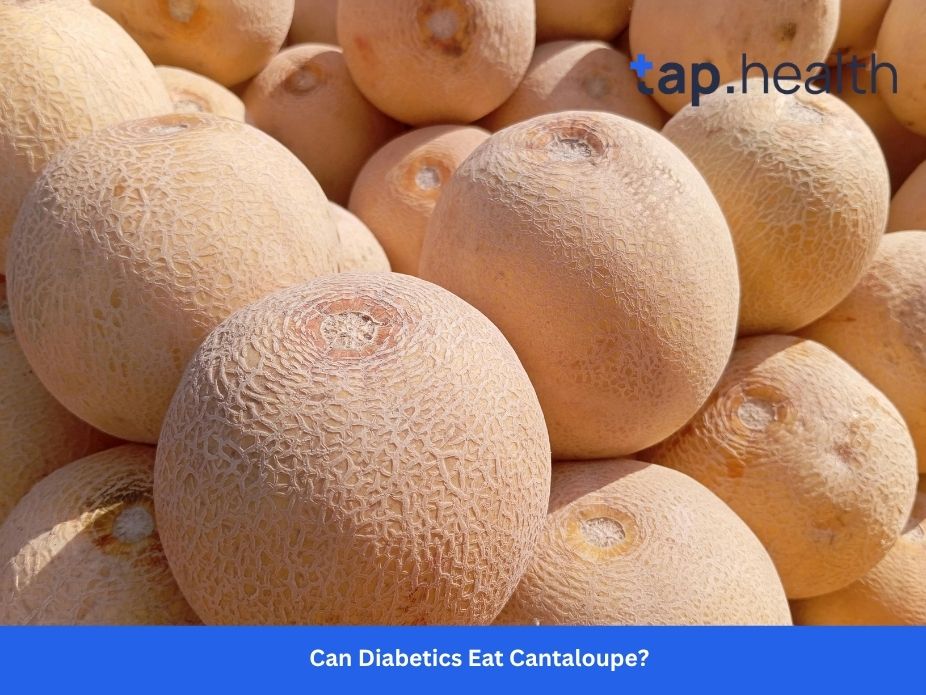
Yes, diabetics can eat cantaloupe, but like with any fruit, moderation and careful consideration of portion size are key. Cantaloupe is low in calories, rich in water, and packed with important vitamins and minerals. It also has a relatively low glycemic index (GI), meaning it has a minimal impact on blood sugar levels when consumed in appropriate portions.

However, despite these benefits, it’s still important for individuals with diabetes to monitor their intake of cantaloupe due to its natural sugar content. While cantaloupe can be enjoyed as part of a healthy, balanced diet, people with diabetes should be mindful of how much they consume to avoid blood sugar spikes.

What is the Glycemic Index (GI) of Cantaloupe?

The glycemic index is a scale that measures how quickly carbohydrate-containing foods raise blood sugar levels. Foods with a high GI cause a rapid increase in blood sugar, while foods with a low GI have a slower, more gradual effect.

Cantaloupe has a GI score of around 65, which is considered moderate on the glycemic index. This means that cantaloupe is unlikely to cause a sharp spike in blood sugar levels, but it should still be consumed in moderation, particularly for those who are managing their blood sugar levels carefully.

Nutritional Benefits of Cantaloupe for Diabetics

Cantaloupe is not only delicious but also packed with nutrients that provide several health benefits, especially for individuals with diabetes. Let’s break down the key nutrients found in cantaloupe and how they can benefit people with diabetes.

1. Low in Calories and High in Water

Cantaloupe is a low-calorie fruit, making it a great choice for those with diabetes who need to maintain a healthy weight. A one-cup serving of cantaloupe contains about 50 calories, which makes it a light and hydrating snack. The fruit is about 90% water, which helps keep you hydrated and supports healthy kidney function, an important aspect of diabetes management.

2. Rich in Vitamin C

Cantaloupe is an excellent source of vitamin C, an antioxidant that helps support a healthy immune system, protect against oxidative stress, and promote skin health. For people with diabetes, vitamin C is particularly important because it may help reduce the risk of complications related to high blood sugar, such as infections and skin problems.

3. High in Beta-Carotene

Cantaloupe contains a significant amount of beta-carotene, a precursor to vitamin A. Beta-carotene is important for eye health, and people with diabetes are at a higher risk of developing eye problems such as diabetic retinopathy. Consuming foods rich in beta-carotene, like cantaloupe, may help protect vision and maintain overall eye health.

4. Potassium for Heart Health

Cantaloupe is a good source of potassium, a mineral that helps regulate blood pressure and supports heart function. Since people with diabetes are at a higher risk for heart disease, including potassium-rich foods like cantaloupe can help support cardiovascular health.

5. Antioxidants to Fight Inflammation

Cantaloupe contains various antioxidants, including carotenoids and flavonoids, which have anti-inflammatory properties. Chronic inflammation is a common issue for people with diabetes and can lead to complications like heart disease and nerve damage. Eating antioxidant-rich fruits like cantaloupe may help combat inflammation and improve overall health.

Can Cantaloupe Raise Blood Sugar Levels?

While cantaloupe is a healthy fruit with numerous benefits, it does contain natural sugars that can impact blood sugar levels. A typical serving of cantaloupe has about 13 grams of carbohydrates, of which a small portion comes from sugar.

1. Sugar Content

Cantaloupe contains fructose, a natural sugar found in fruit. Although fructose doesn’t raise blood sugar levels as quickly as glucose, consuming too much cantaloupe at once could still cause a rise in blood sugar, especially for people with insulin resistance or poorly controlled diabetes.

2. Moderation is Key

While the glycemic index of cantaloupe is moderate, portion size is important for managing blood sugar. Eating too much cantaloupe at once, particularly without balancing it with fiber, protein, or healthy fats, can cause an increase in blood glucose levels. It’s important to enjoy cantaloupe in small portions and alongside other nutrient-dense foods to help stabilize blood sugar.

How to Include Cantaloupe in a Diabetes-Friendly Diet

If you’re living with diabetes, you can still enjoy cantaloupe as part of a balanced diet. Here are some tips on how to include cantaloupe without compromising your blood sugar control:

1. Control Portion Sizes

When incorporating cantaloupe into your meals or snacks, be mindful of portion sizes. A healthy serving of cantaloupe is typically around one cup of diced fruit. This amount contains approximately 50 calories and 13 grams of carbohydrates, making it easier to fit into your daily carbohydrate allowance.

2. Pair with Protein or Healthy Fats

To help prevent blood sugar spikes, pair cantaloupe with protein or healthy fats. For example, you can enjoy cantaloupe with a handful of nuts, a serving of Greek yogurt, or some cottage cheese. This will help slow the absorption of sugar and provide sustained energy.

3. Use Cantaloupe in Salads

Cantaloupe can be a great addition to salads. Its natural sweetness pairs well with leafy greens, spinach, and arugula. You can even add a few slices of avocado or a sprinkle of seeds for extra healthy fats and fiber.

4. Combine with Other Low-Glycemic Fruits

If you enjoy fruit salads, consider mixing cantaloupe with other low-glycemic fruits like berries, apples, or pears. This combination can help balance the sugar content and make for a more diabetes-friendly dish.

5. Enjoy Cantaloupe as a Hydrating Snack

Cantaloupe is naturally hydrating and can be enjoyed as a refreshing snack, particularly on hot days. You can even freeze chunks of cantaloupe for a cool treat that provides hydration and nutrition without added sugars.

Risks of Eating Too Much Cantaloupe for Diabetics

While cantaloupe is a nutritious fruit, overconsumption can lead to potential issues for people with diabetes. Here’s what to keep in mind:

1. Blood Sugar Spikes

Because cantaloupe contains natural sugars, eating large amounts at once can cause a rise in blood sugar levels, particularly if you’re not balancing it with other macronutrients like protein or healthy fats. It’s important to monitor how your body reacts to cantaloupe and adjust portion sizes accordingly.

2. Potential Weight Gain

Like all fruits, cantaloupe contains calories, and eating too much can contribute to weight gain. People with diabetes need to be mindful of their calorie intake to maintain a healthy weight. Managing portion sizes will help prevent overeating and ensure you’re staying within your calorie goals.

3. Blood Sugar Fluctuations

People with diabetes who have difficulty controlling their blood sugar levels may experience fluctuations if they consume too much cantaloupe without balancing it with other foods. Pairing cantaloupe with high-fiber or high-protein foods will help stabilize blood sugar and prevent spikes.

Frequently Asked Questions (FAQs) on Can Diabetics Eat Cantaloupe?

1. Can diabetics eat cantaloupe every day?

Yes, diabetics can eat cantaloupe every day, but it’s important to control portion sizes. A small serving, such as one cup of diced cantaloupe, can be included in a diabetes-friendly diet. Be sure to balance it with other foods to keep your blood sugar stable.

2. Is cantaloupe safe for type 2 diabetes?

Yes, cantaloupe can be safely consumed by people with type 2 diabetes. The key is to monitor portion sizes and pair it with other macronutrients like protein or healthy fats to minimize blood sugar fluctuations.

3. How much cantaloupe can a diabetic eat?

A typical serving of cantaloupe for someone with diabetes is about 1 cup of diced fruit. This provides approximately 50 calories and 13 grams of carbohydrates, making it easy to fit into your daily carbohydrate allowance.

4. Can cantaloupe cause a sugar spike?

While cantaloupe has a moderate glycemic index, eating large portions without balancing it with other nutrients can lead to a sugar spike. It’s essential to eat cantaloupe in moderation and pair it with other foods to prevent blood sugar fluctuations.

5. Is cantaloupe good for weight loss in diabetics?

Cantaloupe is low in calories and high in water content, making it a great option for weight loss. However, portion control is key, as overeating any food can lead to weight gain. Enjoying cantaloupe as a healthy snack or in moderation can be beneficial for weight management.

Conclusion

In conclusion, cantaloupe can be a healthy and refreshing fruit for people with diabetes when consumed in moderation. It’s low in calories, high in vitamins and minerals, and has a moderate glycemic index, making it a suitable option for most diabetics. The key to enjoying cantaloupe without raising blood sugar levels is portion control and pairing it with other nutrient-dense foods like protein or healthy fats. By being mindful of portion sizes and balancing it with other foods, you can enjoy the benefits of cantaloupe while maintaining healthy blood sugar levels.


Tags
diabetes prevention foot health diabetes and sleep fasting blood sugar diabetes misconceptions diabetes medicine safety diabetic neuropathy symptoms diabetic foot ulcer warning signs can diabetics eat mango diabetes itching urinary infection diabetes diabetes slow wound healing metformin side effects diabetes numbness in hands banana for diabetes dates blood sugar jaggery for diabetes is poha good for diabetes guava blood sugar India diabetes diabetes after pregnancy type 1 and type 2 diabetes difference diabetes heart disease risk A1C gestational diabetes poor sleep blood sugar HbA1c diabetes symptoms in women diabetes medicines diabetes nerve damage diabetes and blood pressure mango and diabetes dark patches diabetes diabetes stomach problems diabetes wounds metformin safety diabetes tingling hands banana blood sugar papaya for diabetes is jaggery good for diabetes poha blood sugar orange for diabetes sugar spike after rice gestational diabetes India difference between type 1 and type 2 diabetes diabetes and heart attack Medicine blood sugar pregnancy diabetes sleep and diabetes diabetes in India women diabetes signs diabetes treatment advice tingling feet diabetes high blood pressure diabetes mango sugar diabetes walking after meals for diabetes diabetic gastroparesis diabetic wound care diabetes ketoacidosis warning signs diabetic neuropathy hands coconut water and diabetes is papaya good for diabetes gur for diabetes sprouts for diabetes can diabetics eat oranges Indian diet diabetes continuous glucose monitor India diabetes vs metabolic syndrome gestational diabetes vs type 2 diabetes Health fasting glucose blood sugar pregnancy diabetes and stress diabetes risk factors India diabetes risk women Indian diabetic diet chart diabetes eye disease diabetes heart kidney risk diabetes reversal vs remission post meal walk diabetes diabetes bloating nausea diabetes yeast infection DKA symptoms fasting with diabetes coconut water for diabetes papaya blood sugar watermelon for diabetes are sprouts good for diabetes orange blood sugar glucose spike symptoms CGM cost India metabolic syndrome and diabetes pregnancy diabetes and type 2 diabetes Lifestyle A1C test low blood sugar stress blood sugar diabetes prevention India diabetes symptoms in men diabetic meal plan diabetic eye test borderline HbA1c diabetes remission walking lowers blood sugar diabetes sick day rules diabetes fungal infection ketones diabetes diabetes fasting safety can diabetics drink coconut water oats for diabetes can diabetics eat watermelon sprouts blood sugar brown bread for diabetes post meal blood sugar time in range metabolic syndrome symptoms gestational diabetes future risk Home remedies diabetes diet hypoglycemia cortisol diabetes best fruits for diabetes men diabetes signs HbA1c test high protein breakfast for diabetes HbA1c 5.7 to 6.4 reverse type 2 diabetes diabetes grocery list India diabetes during illness diabetes vaginal itching diabetes blurry vision can diabetics fast curd for diabetes oatmeal diabetes watermelon blood sugar methi seeds for diabetes bread for diabetes diabetes blood pressure glucometer accuracy diabetes vs thyroid diabetes vs anaemia Fitness balanced meals diabetes safety diabetes eye care diabetes fruits diabetes risk men HbA1c normal range diabetes breakfast India prediabetes HbA1c diabetes plate method diabetic food list India blood sugar fever infection diabetes night sweats high blood sugar blurry vision insulin injection sites is curd good for diabetes are oats good for diabetes apple for diabetes fenugreek for diabetes whole wheat bread diabetes diabetes heart risk diabetes technology diabetes and thyroid disease diabetes fatigue or anaemia Prevention healthy eating diabetes heart health diabetic retinopathy fruit and blood sugar type 1 diabetes how to lower HbA1c diabetic breakfast ideas post-meal blood sugar Indian diabetes plate foods for diabetes shopping diabetes and alcohol low blood sugar at night diabetes excessive thirst insulin site rotation diabetes curd milk for diabetes can diabetics eat apple methi diabetes avocado for diabetes ABC diabetes CGM vs glucometer India thyroid blood sugar anaemia diabetes symptoms Hygiene why diabetes is considered as a lifestyle disease blood pressure diabetes eye test rice and diabetes type 1 diabetes symptoms fasting sugar normal range PCOS and diabetes blood sugar after food diabetes portion control diabetes kidney tests alcohol blood sugar diabetes diabetes sweating at night diabetes dry mouth insulin lumps tea and coffee in diabetes can diabetics drink milk apple blood sugar cinnamon for diabetes is avocado good for diabetes kidney risk diabetes diabetes reversal myths diabetes vs PCOS diabetes vs stress hyperglycaemia Ailments lifestyle diabetes cholesterol diabetes kidney care can diabetics eat rice insulin diabetes high fasting blood sugar PCOS insulin resistance postprandial glucose low glycaemic index foods for diabetes urine albumin diabetes can diabetics drink alcohol diabetes headache frequent urination diabetes diabetes weight gain coffee diabetes best milk for diabetes eggs for diabetes cinnamon blood sugar avocado blood sugar blurred vision diabetes HbA1c remission diabetes vs hypertension temporary high blood sugar Hindi type 2 diabetes lifestyle disease living with diabetes diabetic kidney disease diabetes diet India prediabetes diet reverse prediabetes naturally PCOS diabetes risk dawn phenomenon diabetes low GI foods India eGFR diabetes diabetes and dizziness high blood sugar headache diabetes fatigue diabetes and weight gain tea diabetes peanuts for diabetes are eggs good for diabetes dalchini for diabetes travelling with diabetes fundus exam diabetes remission vs reversal diabetes and hypertension stress hyperglycaemia skin diseases exercise and diabetes diabetes habits kidney tests diabetes morning blood sugar prediabetes food prediabetes reversal gestational diabetes diet Indian morning sugar high diabetes low GI diet diabetes and dental problems dizziness diabetes low blood sugar headache diabetes tiredness insulin weight gain roti for diabetes are peanuts good for diabetes egg diabetes amla for diabetes diabetes travel checklist eye care diabetes vildagliptin blood sugar vs blood pressure acne vulgaris symptoms blood sugar control diabetes management high blood sugar symptoms fasting sugar high lower diabetes risk how to prevent type 2 diabetes pregnancy diabetes diet high fasting sugar in morning diabetes and fatty liver diabetes gum disease low sugar dizziness blood sugar monitoring at home high blood sugar tiredness diabetes swollen feet best roti for diabetes peanuts blood sugar paneer for diabetes amla juice diabetes insulin travel storage diabetic retinopathy symptoms vildagliptin benefits in type 2 diabetes patients diabetes vs high cholesterol AI Search physical activity insulin resistance hyperglycemia symptoms dawn phenomenon diabetes and weight loss insulin resistance diet gestational diabetes meal plan diabetes and cholesterol fatty liver diabetes dry mouth diabetes diabetes leg pain when to check blood sugar diabetes constipation swollen feet diabetes chapati diabetes sweet potato for diabetes is paneer good for diabetes amla blood sugar diabetes hot weather GDM screening DPP-4 inhibitor lipid profile diabetes type 2 diabetes diabetes foot care insulin sensitivity diabetes warning signs diabetes myths weight loss diabetes Indian foods for insulin resistance diabetic foot ulcer diabetes lipid profile insulin resistance fatty liver diabetes urine infection diabetic leg cramps blood glucose monitoring diabetes and constipation diabetes foot swelling can diabetics eat dates can diabetics eat sweet potato paneer diabetes guava for diabetes diabetes dehydration pregnancy blood sugar targets diabetes medicine India diabetes vs neuropathy prediabetes diabetic foot type 2 diabetes risk normal blood sugar levels diabetes facts insulin resistance weight loss improve insulin sensitivity diabetes foot wound cholesterol in diabetes diabetes skin problems frequent UTI diabetes diabetes nerve pain legs metformin for diabetes constipation diabetes can diabetics eat banana dates for diabetes sweet potato blood sugar poha for diabetes can diabetics eat guava heat and blood sugar postpartum diabetes risk type 1 vs type 2 diabetes diabetes vs heart disease
More blogs
Varshitha Sotala
Varshitha Sotala
• June 15, 2026
• 19 min read

Diabetes vs Stress Hyperglycaemia: Temporary High Sugar, Illness, Steroids, Tests, and Follow-Up

A detailed guide to diabetes vs stress hyperglycaemia, explaining temporary high sugar during illness, surgery, steroids, infection, and follow-up testing.

Diabetes
Can Diabetics Eat Cantaloupe?
Shalu Raghav
Shalu Raghav
• June 15, 2026
• 19 min read

Diabetes vs Anaemia: Fatigue, Weakness, Dizziness, Blood Tests, Causes, and Treatment Differences

A practical comparison of diabetes vs anaemia, explaining fatigue, weakness, dizziness, HbA1c, haemoglobin, iron, B12, and when to test.

Diabetes
Can Diabetics Eat Cantaloupe?
Nishat Anjum
Nishat Anjum
• June 15, 2026
• 19 min read

Gestational Diabetes vs Type 2 Diabetes: Pregnancy Sugar, Future Risk, Tests, and Care Differences

A comparison of gestational diabetes vs type 2 diabetes, covering pregnancy sugar, postpartum risk, testing, diet, medicines, and long-term follow-up.

Diabetes
Can Diabetics Eat Cantaloupe?
Do you remember your last sugar reading?
Log and Track your glucose on the Tap Health App
All logs in one place
Smart trend graphs
Medicine Reminder
100% Ad Free
Download Now

Missed your diabetes meds

again? Not anymore.

Get medicine reminders on your phone.

✓ Glucose diary and Insights
✓ Smart Nudges
✓ All logs at one place
✓ 100% Ad free
Download Free
tap health
tap.health logo
copyright © 2025
2nd Floor,Plot No 4, Minarch Tower,
Sector 44,Gurugram, 122003,
Haryana, India
  • About Us
  • Blog
  • Doctor login
  • Contact Us
  • Privacy Policy
  • Return / Shipping Policy
  • Terms and Conditions
Get Your Free AI Diabetes Coach