

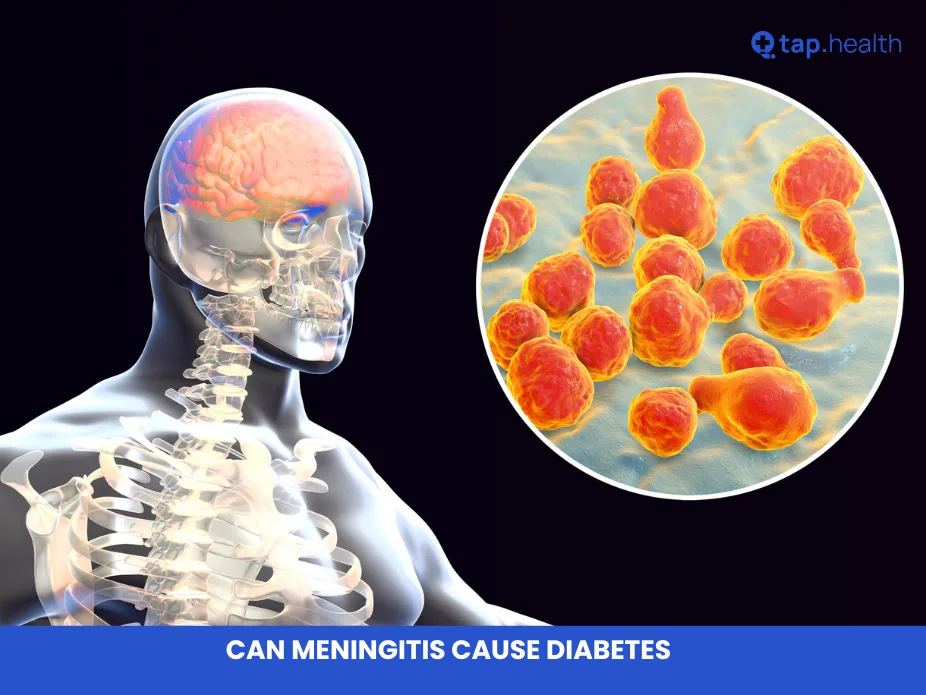
Meningitis is a serious and life-threatening condition that causes inflammation in the membranes surrounding the brain and spinal cord. It can result from a variety of infections, including viral, bacterial, and fungal infections. Though meningitis is primarily associated with neurological complications, a lesser-known question arises: Can meningitis cause diabetes?
In this article, we will explore the relationship between meningitis and diabetes, the potential mechanisms that may link these conditions, and the risks involved. We’ll also provide insights on how meningitis may impact blood sugar regulation and the likelihood of developing diabetes after experiencing meningitis.
What is Meningitis?
Before we dive into the connection between meningitis and diabetes, it’s essential to understand what meningitis is and how it affects the body.
Meningitis is the inflammation of the meninges, the protective membranes that surround the brain and spinal cord. The condition can be caused by viral, bacterial, or fungal infections, with viral meningitis being the most common type.
Types of Meningitis:
- Viral Meningitis: Caused by viruses, such as enteroviruses, herpes simplex virus, or mumps virus. It is usually less severe than bacterial meningitis.
- Bacterial Meningitis: This is a more severe form, caused by bacteria like Neisseria meningitidis, Streptococcus pneumoniae, or Haemophilus influenzae. It can lead to serious complications such as brain damage, hearing loss, and even death if not treated promptly.
- Fungal Meningitis: Caused by fungi such as Cryptococcus, and typically occurs in people with weakened immune systems.
Common Symptoms of Meningitis:
- Sudden onset of fever
- Severe headache
- Stiff neck
- Sensitivity to light
- Nausea and vomiting
- Altered mental status or confusion
If left untreated, meningitis can cause severe complications, including permanent brain damage or death. Prompt medical intervention is critical for managing the infection and preventing long-term consequences.
Can Meningitis Cause Diabetes?
The direct answer to the question is no, meningitis does not directly cause diabetes. However, research suggests that meningitis could potentially lead to conditions that increase the risk of developing diabetes, especially when it involves inflammation in the brain or if there are other complicating factors. Let’s look into why this may be the case.
The Body’s Immune Response to Meningitis
When the body is attacked by an infection, such as the one caused by meningitis, the immune system launches a defense response to eliminate the pathogen. This immune response often involves inflammation, which is a natural and protective process. However, when inflammation becomes chronic or widespread, it can have detrimental effects on various organs, including those involved in regulating blood sugar.
Impact on the Pancreas
The pancreas is an essential organ for regulating blood sugar. It produces insulin, a hormone that helps cells absorb glucose from the bloodstream. Inflammation caused by meningitis, especially if it affects the hypothalamus or other areas of the brain that regulate metabolism, can lead to dysfunction in the pancreas. This dysfunction may impair insulin production or sensitivity, leading to higher blood sugar levels.
How Meningitis Might Trigger Autoimmune Diabetes
One of the more concerning connections between meningitis and diabetes involves autoimmune responses.
Type 1 Diabetes and Autoimmunity
Type 1 diabetes is an autoimmune condition where the body’s immune system mistakenly attacks and destroys the insulin-producing cells in the pancreas, known as beta cells.
While there is no direct evidence linking meningitis to Type 1 diabetes, viral infections that cause meningitis (like enterovirus and mumps) have been shown to trigger autoimmune reactions. The immune system, in its attempt to fight off the infection, may inadvertently target the pancreas. This immune attack can damage the insulin-producing cells, increasing the risk of developing Type 1 diabetes.
Research on Viral Infections and Type 1 Diabetes
Studies have shown that certain viruses are capable of triggering Type 1 diabetes, especially in individuals genetically predisposed to the disease. The inflammation and immune system activation that occur during viral meningitis could potentially accelerate the onset of Type 1 diabetes in those at higher genetic risk.
Meningitis and Type 2 Diabetes Risk
While Type 1 diabetes may be more directly influenced by an autoimmune response triggered by infections like meningitis, Type 2 diabetes could also be influenced indirectly by meningitis-related inflammation, particularly through its long-term effects on metabolism and insulin sensitivity.
Chronic Inflammation and Insulin Resistance
Chronic inflammation is known to contribute to insulin resistance, a hallmark of Type 2 diabetes. Meningitis-induced inflammation, particularly if the infection is severe or prolonged, may increase the risk of insulin resistance over time. This is especially true in individuals who are already at risk for Type 2 diabetes due to factors like obesity, poor diet, or family history.
Medications and Blood Sugar Levels
Corticosteroids, often used to treat meningitis and other inflammatory conditions, are known to affect blood sugar levels. These medications can increase blood sugar by making the body less sensitive to insulin, which can further increase the risk of Type 2 diabetes, especially when used over an extended period.
Risk Factors for Diabetes After Meningitis
Several factors might increase the likelihood of developing diabetes after experiencing meningitis:
1. Severity of the Infection
Bacterial meningitis tends to be more severe than viral meningitis, and it can lead to complications that affect various organs. Severe infections can trigger long-term inflammation, which may disrupt insulin regulation and contribute to the development of diabetes.
2. Medications Used During Treatment
Certain medications used to treat meningitis, particularly corticosteroids, may increase blood sugar levels. Long-term use of these medications can increase the risk of both Type 1 and Type 2 diabetes.
3. Pre-existing Risk Factors
Individuals who are already at higher risk for diabetes due to factors such as obesity, genetic predisposition, or poor lifestyle choices may be more likely to develop the condition after experiencing meningitis. The added strain on the body from the infection can tip the balance toward the onset of diabetes.
How Meningitis Affects Blood Sugar Regulation
Meningitis doesn’t just affect the brain—it can also affect the hypothalamus, which is responsible for regulating many of the body’s metabolic processes, including blood sugar regulation. The inflammation caused by meningitis can disrupt the normal functioning of the hypothalamus, leading to:
- Difficulty in controlling blood sugar levels
- Increased blood sugar due to insulin resistance
- Reduced insulin production from the pancreas
If the inflammation caused by meningitis is severe enough, it may impair the body’s ability to regulate blood glucose, leading to elevated blood sugar levels.
Can Meningitis Worsen Existing Diabetes?
For individuals who already have diabetes, experiencing meningitis can complicate the management of the condition. The stress on the body caused by the infection can lead to higher blood sugar levels. Additionally, corticosteroid medications used in the treatment of meningitis can elevate blood sugar, making it more difficult to control diabetes.
If you have diabetes and are recovering from meningitis, it’s crucial to work closely with your healthcare provider to monitor blood sugar levels and adjust your diabetes treatment plan as needed.
What You Should Know About Meningitis and Diabetes
While there is no definitive evidence to suggest that meningitis directly causes diabetes, it is important to consider the ways in which meningitis and its treatment may increase the risk of developing diabetes. Whether through autoimmune responses, the impact of inflammation on insulin production, or the use of medications, meningitis can play a role in the development of both Type 1 and Type 2 diabetes.
If you’ve had meningitis or are concerned about your diabetes risk, here are a few tips:
- Monitor Your Blood Sugar: If you’ve had meningitis, especially viral or bacterial meningitis, it’s a good idea to monitor your blood sugar levels regularly to detect any potential issues early on.
- Seek Medical Advice: If you experience symptoms like excessive thirst, frequent urination, or unexplained weight loss after recovering from meningitis, seek medical attention right away.
- Live a Healthy Lifestyle: Maintain a healthy diet, exercise regularly, and manage stress to help lower your risk of developing diabetes.
Real-Life Scenario
Consider a patient recovering from bacterial meningitis in the hospital. During recovery, doctors notice elevated blood sugar levels. While the patient did not have diabetes before, stress from the infection, medications, and inflammation caused temporary hyperglycemia. In rare cases, if the pancreas or hormonal system is affected, persistent diabetes may develop.
Expert Contribution
Medical experts note that meningitis itself is rarely a direct cause of diabetes. Endocrinologists explain that complications affecting the pancreas or pituitary gland could disrupt insulin production, leading to high blood sugar. However, such cases are uncommon, and most people recover from meningitis without developing diabetes.
Doctors also emphasize that monitoring blood sugar during severe illness is essential, especially if steroids or other medications are used.
Recommendations Grounded in Proven Research and Facts
- Monitor blood sugar during illness: Severe infections like meningitis can temporarily raise glucose levels.
- Follow up post-recovery: Blood sugar testing after severe meningitis can detect any persistent changes early.
- Maintain a healthy lifestyle: Balanced diet, exercise, and hydration support recovery and regulate blood sugar.
- Consult a doctor for unusual symptoms: Persistent thirst, frequent urination, or fatigue post-meningitis should prompt testing for diabetes.
- Understand the rarity: While there’s a theoretical link through complications, most meningitis survivors do not develop diabetes.
Frequently Asked Questions (FAQ) on Can Meningitis Cause Diabetes?
1. Can viral meningitis cause Type 1 diabetes?
While there is no direct link, certain viruses responsible for meningitis can trigger autoimmune responses that may increase the risk of developing Type 1 diabetes, particularly in genetically predisposed individuals.
2. How does meningitis affect blood sugar levels?
Meningitis can cause inflammation in the brain and disrupt the hypothalamus, leading to impaired insulin production and insulin resistance, which can affect blood sugar regulation.
3. Can corticosteroids increase the risk of diabetes after meningitis?
Yes, corticosteroids, which are commonly used to treat meningitis, can increase blood sugar levels and may raise the risk of developing Type 2 diabetes, especially with long-term use.
4. Should I worry about developing diabetes after having meningitis?
If you’ve had meningitis, it’s essential to monitor your health closely. If you have other risk factors for diabetes, it’s a good idea to work with your doctor to track your blood sugar levels and manage your overall health.
5. How can I reduce my risk of diabetes after meningitis?
Maintain a healthy lifestyle with regular exercise, a balanced diet, and regular health check-ups. Managing stress and avoiding medications like corticosteroids (when possible) can also help reduce the risk.
Conclusion
In summary, while meningitis does not directly cause diabetes, it can potentially contribute to conditions that increase the risk of developing both Type 1 and Type 2 diabetes. The inflammation caused by the infection, along with the immune response and medications used for treatment, can affect insulin regulation and blood sugar levels. If you’ve had meningitis, it’s important to monitor your blood sugar, maintain a healthy lifestyle, and consult with your healthcare provider for the best management strategies. scenario, consult with a healthcare professional to develop a personalized health plan. Remember, taking charge of your health today can prevent complications tomorrow.


