Table of Contents
- Prevent Diabetes-Related Falls: Simple Safety Tips
- Improve Balance and Stability: Diabetes Fall Prevention Guide
- Diabetes & Falls: Exercises to Enhance Your Equilibrium
- Maintaining Balance with Diabetes: A Practical Guide
- Top 5 Home Modifications to Prevent Falls for Diabetics
- Frequently Asked Questions
- References
Losing your balance can be scary, especially if you have diabetes. Did you know that diabetes significantly increases your risk of falls? That’s why we’ve put together this guide on Prevent Diabetes-Related Falls: Simple Safety Tips for Better Balance. We’ll explore practical, easy-to-implement strategies to improve your stability and reduce your risk of a potentially serious injury. Learn how simple adjustments to your home environment and daily routine can make a big difference in your safety and overall well-being. Let’s work together to keep you steady on your feet!
Prevent Diabetes-Related Falls: Simple Safety Tips
Diabetes significantly increases the risk of falls, impacting quality of life and potentially leading to severe complications. Nearly 15% of diabetics experience foot ulcers in their lifetime, with high amputation risks, highlighting the critical need for proactive fall prevention. These simple safety tips, particularly relevant in Indian and tropical climates, can make a big difference.
Improve Home Safety
Reduce tripping hazards by removing clutter, using non-slip mats in bathrooms and kitchens, and ensuring adequate lighting, especially at night. In humid tropical climates, consider using absorbent mats to prevent slips on wet surfaces. Repair loose floorboards and uneven pavements promptly. Regularly inspect footwear for wear and tear to prevent falls due to damaged soles.
Maintain Good Balance and Strength
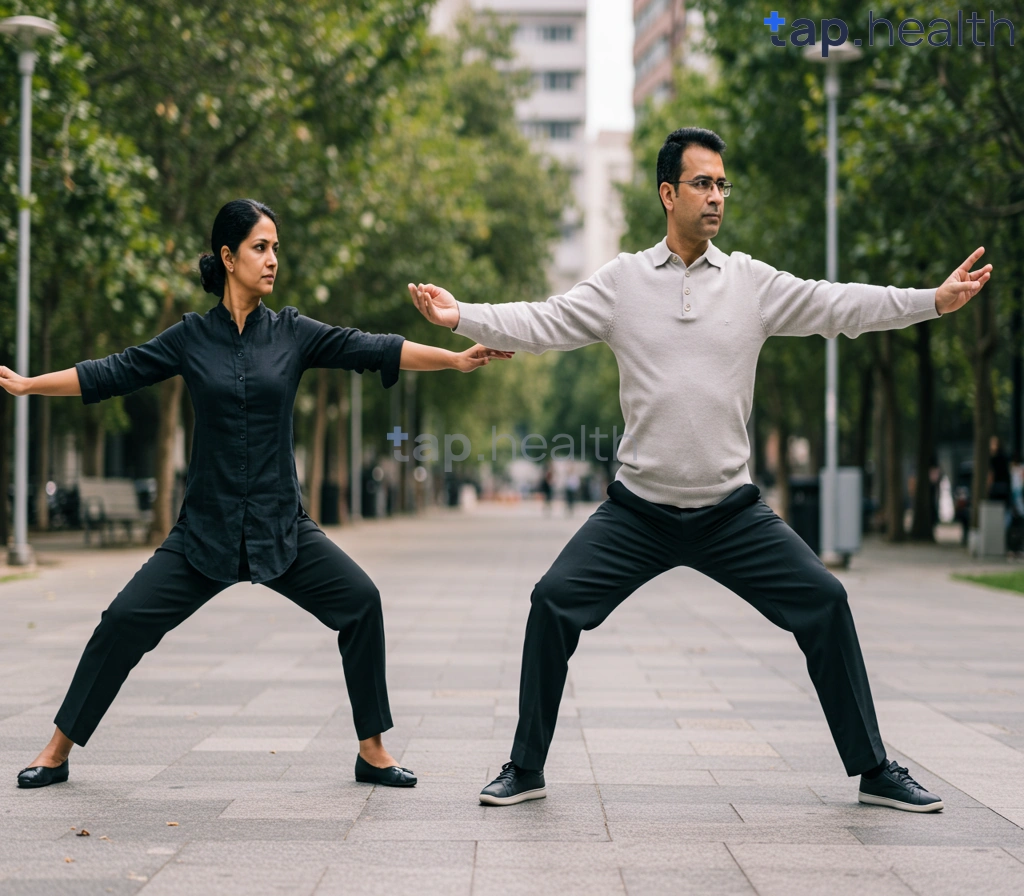
Regular exercise is crucial. Include activities that improve balance, like yoga or tai chi, which are readily accessible and culturally relevant in many Indian and tropical countries. Strength training helps support your body and reduces the risk of falls. Even simple exercises like walking regularly or climbing stairs can improve leg strength and balance.
Manage Blood Sugar Levels
Proper diabetes management is paramount. Maintain healthy blood sugar levels through diet and medication as prescribed by your doctor. High blood sugar can cause nerve damage (neuropathy) affecting balance and coordination. Regular check-ups are essential for monitoring blood sugar levels and overall health. Remember that managing your blood sugar is key to preventing many long-term complications, as discussed in How to Prevent Long-Term Complications of Diabetes: Easy Tips.
Consider Assistive Devices
If needed, use assistive devices like canes or walkers to improve stability and balance. These aids provide extra support and reduce the chances of falls, especially for those with impaired mobility. In India and tropical countries, easily accessible and affordable options are available.
Take Action Today
Prioritizing fall prevention is crucial for maintaining independence and a higher quality of life. By implementing these simple yet effective safety measures, you can significantly reduce your risk of falls and improve your overall well-being. Consult your doctor or a physical therapist for personalized guidance and to create a fall prevention plan tailored to your specific needs and environment. Don’t forget that heart health is also crucial when managing diabetes; check out Protect Your Heart from Diabetes: 5 Essential Steps for more information.
Improve Balance and Stability: Diabetes Fall Prevention Guide
Falls are a serious concern for people with diabetes, significantly impacting their quality of life. A staggering 61% of individuals with diabetes are aged between 20-64 years, highlighting the importance of proactive fall prevention across all age groups, not just the 39% who are 65+. Learn more about diabetes prevalence globally. In hot and humid Indian and tropical climates, additional challenges like slippery surfaces from rain or perspiration need to be considered.
Simple Steps for Better Balance
Maintaining good balance is crucial for preventing diabetes-related falls. Here are some actionable tips tailored for Indian and tropical climates:
* Regular Exercise: Incorporate low-impact exercises like yoga, Tai Chi, and walking. These are particularly beneficial in managing diabetes and improving balance. Remember to stay hydrated, especially during outdoor activities in hot weather.
* Proper Footwear: Wear supportive, well-fitting shoes with good grip to avoid slips and falls, especially on potentially wet surfaces common in many tropical regions. Avoid walking barefoot.
* Home Modifications: Remove tripping hazards like loose rugs and clutter. Ensure adequate lighting, particularly in hallways and bathrooms. Consider installing grab bars in the bathroom for added support.
* Vision Care: Ensure your vision is well-managed, as poor eyesight can contribute to falls. Regular eye check-ups are essential.
* Blood Sugar Control: Properly managing your blood sugar levels is critical in preventing complications like neuropathy, which can affect balance and increase the risk of falls. For more tips on effective diabetes management, check out our guide on 10 Proven Tips for Effective Diabetes Management.
Taking Charge of Your Health
By following these simple yet effective tips, you can significantly reduce your risk of falls and maintain your independence. Remember to consult with your doctor or a healthcare professional for personalized advice and support in managing your diabetes and improving balance. Prioritizing fall prevention is an investment in a healthier, more active life, particularly crucial in the diverse climatic conditions of India and other tropical countries. If you’re planning to travel, remember to check out our tips on Traveling with Diabetes: Essential Tips for a Safe & Healthy Journey to ensure a smooth and safe trip.
Diabetes & Falls: Exercises to Enhance Your Equilibrium
Maintaining balance is crucial, especially for individuals with diabetes. Diabetes significantly increases the risk of falls; studies show a heightened susceptibility to complications like neuropathy, which affects nerve function and impacts balance. This, combined with the increased risk of sleep apnea and other sleep disorders (a 70% increased risk, according to research), further elevates the fall risk. Therefore, incorporating simple exercises into your daily routine is vital for preventing falls and maintaining independence. For more information on the overall importance of exercise in managing diabetes, see our article on Why Regular Exercise is Essential for Diabetes Management.
Simple Exercises for Better Balance
Strengthening Exercises: Start with simple leg exercises like chair squats (modified to suit your fitness level) and calf raises. These target lower body muscles crucial for balance and stability. In hot and humid climates common in India and tropical countries, remember to stay hydrated and exercise during cooler parts of the day.
Balance Exercises: Practice standing on one leg for short periods, gradually increasing the duration as your balance improves. Use a chair or wall for support initially. Another helpful exercise is heel-toe walking, which improves coordination and proprioception (body awareness). Consider practicing these exercises near a wall or sturdy chair for safety, especially in the initial stages.
Flexibility Exercises: Regular stretching is crucial for maintaining joint flexibility and preventing falls. Focus on stretches that improve hip, knee, and ankle flexibility. Yoga and Tai Chi are excellent options, offering a gentle approach to improving balance and overall well-being, especially well-suited to the warmer climates of India and tropical regions.
Consult a Professional: Before starting any new exercise program, particularly if you have diabetes or other health conditions, consult your doctor or a physical therapist. They can guide you on suitable exercises and help you create a personalized plan considering your specific needs and the climate you live in. Remember, preventing falls is paramount to maintaining your health and independence. For additional tips on managing your diabetes effectively, check out our guide: 10 Proven Tips to Effectively Manage Diabetes | Simple Guide.
Maintaining Balance with Diabetes: A Practical Guide
Maintaining good balance is crucial for preventing falls, especially for individuals with diabetes. Diabetes can affect nerve function (peripheral neuropathy) and blood circulation, increasing the risk of falls and injuries. This is particularly important in hot and humid climates common in many Indian and tropical countries, where dehydration can further exacerbate these issues.
Understanding Your Risk
High blood pressure is a significant risk factor associated with falls. For people with diabetes, maintaining blood pressure below the recommended target of 140/90 mmHg, or ideally below 130/80 mmHg, is vital for overall health and balance. Regular monitoring and medication adherence, under the guidance of your doctor, are essential. Always consult your physician before making any changes to your medication or treatment plan. Managing other health conditions, such as high cholesterol, is also important. For more information on this, see our blog on How to Manage Cholesterol Levels with Diabetes?
Simple Steps for Better Balance
Several simple, yet effective, strategies can help improve balance and reduce the risk of falls in hot and humid conditions prevalent in India and other tropical regions:
* Regular Exercise: Engage in low-impact exercises like yoga, Tai Chi, or walking, focusing on strengthening leg and core muscles. These exercises are particularly beneficial in improving balance and stability.
* Proper Footwear: Wear well-fitting, supportive shoes with good traction to avoid slips and falls, especially on smooth surfaces. Avoid going barefoot.
* Home Safety Modifications: Clear clutter from walkways, install grab bars in the bathroom, and ensure adequate lighting to prevent tripping hazards.
* Hydration: Staying well-hydrated is crucial, especially in tropical climates, as dehydration can worsen dizziness and increase fall risk. Drink plenty of water throughout the day.
* Regular Check-ups: Schedule regular check-ups with your doctor and ophthalmologist to monitor blood pressure, blood glucose levels, and eye health. Early detection of complications can help prevent falls. As you age, managing diabetes becomes even more critical. Learn more about the specific challenges and solutions in our blog on Managing Diabetes as You Age: Challenges and Solutions.
Taking Control of Your Balance in India and Tropical Countries
By adopting these practical tips and maintaining a healthy lifestyle, individuals with diabetes in India and tropical countries can significantly reduce their risk of falls and improve their overall quality of life. Remember, proactive steps are key to preventing falls and maintaining independence. Consult your doctor or a qualified healthcare professional for personalized advice.
Top 5 Home Modifications to Prevent Falls for Diabetics
1. Improve Lighting
Falls are more common in poorly lit areas. In Indian and tropical homes, this is especially crucial, given the prevalence of evening shadows and potential power outages. Install bright, energy-efficient lighting in hallways, stairwells, and bathrooms. Consider motion-sensor lights for added safety. Good lighting significantly reduces the risk of tripping hazards.
2. Remove Trip Hazards
Clutter is a major cause of falls. Regularly declutter your home, removing loose rugs, electrical cords, and any obstacles that could cause a stumble. Pay particular attention to areas like doorways and walkways. Maintaining a clean and organized environment is vital for preventing falls, particularly for those with diabetes who may experience neuropathy (nerve damage).
3. Install Grab Bars
Grab bars provide essential support in bathrooms and showers. These are particularly important for seniors and individuals with diabetes, who may experience balance issues or weakness. Installing grab bars is an inexpensive and effective way to enhance bathroom safety. Choose sturdy grab bars that are securely fastened to the wall.
4. Use Non-Slip Mats
Place non-slip mats in bathrooms and kitchens to prevent slips and falls on wet or slippery surfaces. These are especially crucial in tropical climates where humidity is high. Using appropriate flooring can greatly reduce the risk of injury from falls.
5. Consider a Raised Toilet Seat
A raised toilet seat can make it easier to get on and off the toilet, reducing the risk of falls. This modification is particularly beneficial for those with limited mobility or balance issues. Remember that up to 80% of Type 2 diabetes cases can be delayed or prevented through lifestyle changes, but maintaining safety at home is also crucial. Lifestyle changes are key, and these home modifications provide an additional layer of protection. Furthermore, remember to take care of your feet; check out our guide on Top 5 Foot Care Tips for Diabetics for maintaining healthy feet, which is crucial in preventing falls. Also, incorporating 5 Easy Lifestyle Changes to Manage Type 2 Diabetes can significantly improve your overall health and well-being, reducing the risk of complications associated with the disease.
Frequently Asked Questions on Prevent Diabetes-Related Falls: Simple Safety Tips for Better Balance
Q1. How does diabetes increase my risk of falling?
Diabetes can lead to nerve damage (neuropathy) and poor blood circulation, affecting your balance and making you more prone to falls. High blood sugar can also cause dizziness and vision problems.
Q2. What are some simple ways to make my home safer and prevent falls?
Remove tripping hazards like loose rugs and clutter. Use non-slip mats in the bathroom and kitchen. Improve lighting, especially in hallways and stairwells.
Q3. What types of exercise can help me improve my balance and strength to prevent falls?
Regular exercise is key! Yoga, tai chi, and strength training are particularly helpful for improving balance and strengthening muscles that support your stability.
Q4. Besides exercise, what else can I do to reduce my risk of falling with diabetes?
Maintain healthy blood sugar levels through proper diabetes management, as directed by your doctor. Use assistive devices like canes or walkers if needed. Regular check-ups with your doctor are crucial for personalized advice.
Q5. Are there special considerations for fall prevention in humid tropical climates?
Yes, humid tropical climates can present additional challenges. Ensure proper ventilation to reduce slipperiness and be extra cautious on wet surfaces. Consult your doctor for specific advice tailored to your climate.
References
- A Practical Guide to Integrated Type 2 Diabetes Care: https://www.hse.ie/eng/services/list/2/primarycare/east-coast-diabetes-service/management-of-type-2-diabetes/diabetes-and-pregnancy/icgp-guide-to-integrated-type-2.pdf
- Children with Diabetes : A resourse guide for families and school. : https://www.health.ny.gov/publications/0944.pdf