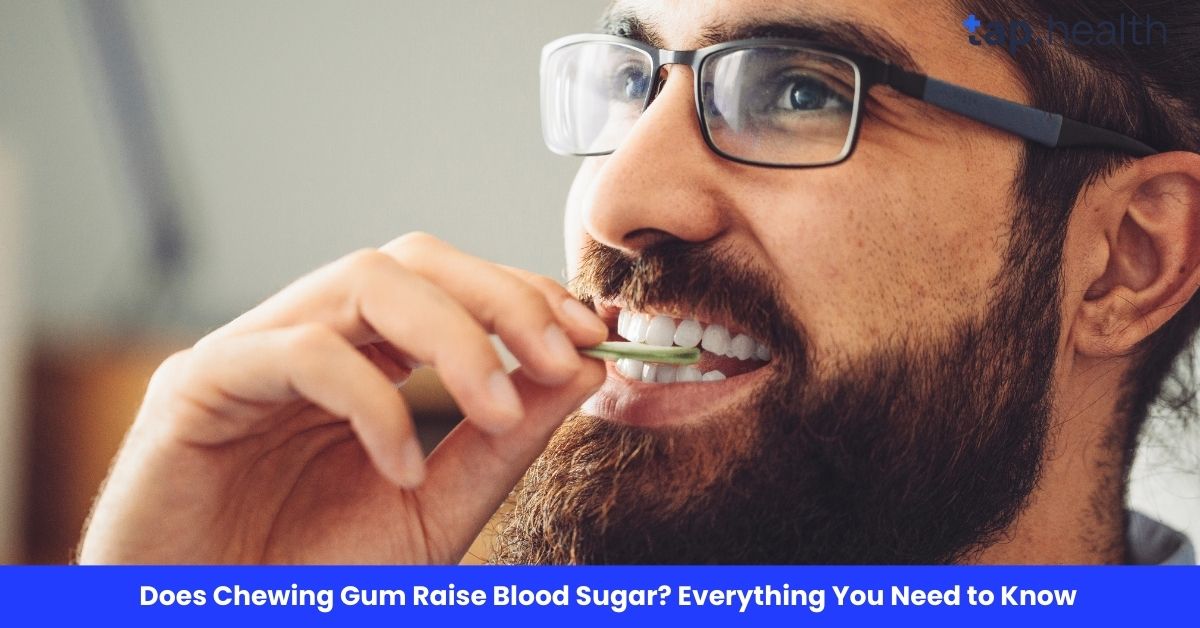
You’ve probably popped a piece of gum into your mouth after a meal to freshen your breath or to stay alert during a long drive. But if you’re watching your blood sugar—maybe because you have diabetes, prediabetes, or just want to stay healthy—you might be asking: Does chewing gum raise blood sugar?
It’s a smart question. And the answer isn’t as simple as “yes” or “no.” It depends on what kind of gum you’re chewing and how your body reacts to certain ingredients.
In this article, we’ll explore everything you need to know about chewing gum and blood sugar. We’ll cover sugar-free gum, regular gum with sugar, artificial sweeteners, and how they affect your body. We’ll also look at myths, facts, and what health experts say. No confusing medical jargon—just clear, simple answers.
Let’s get started.
What Happens to Blood Sugar When You Eat?
Before we dive into gum, let’s understand how blood sugar works.
When you eat food—especially carbs like bread, pasta, or candy—your body breaks them down into glucose (a type of sugar). This glucose enters your bloodstream, causing your blood sugar levels to rise.
In response, your pancreas releases a hormone called insulin, which helps move the glucose from your blood into your cells, where it’s used for energy.
If you have diabetes or insulin resistance, this process doesn’t work as smoothly. Your body might not make enough insulin or can’t use it properly. That’s why people with these conditions need to be extra careful about what they eat—and even what they chew.
Now, where does gum fit into all of this?
Does Regular Chewing Gum Raise Blood Sugar?
Yes, regular chewing gum that contains sugar can raise blood sugar—but usually not by much.
Let’s break it down:
How Much Sugar Is in Regular Gum?
Most regular chewing gums contain about 2 to 6 grams of sugar per piece. For comparison:
- A can of soda has about 39 grams of sugar.
- A banana has about 14 grams.
So one piece of sugared gum has a relatively small amount of sugar. But even small amounts matter if you’re managing diabetes or trying to avoid blood sugar spikes.
What Happens When You Chew Sugared Gum?
When you chew gum with sugar:
- The sugar starts dissolving in your mouth.
- Some of it gets absorbed through the lining of your mouth (a little).
- Most of it is swallowed and digested in your stomach and intestines.
- This leads to a small increase in blood glucose.
The rise is usually minor and short-lived, especially if you only chew one piece. But if you chew multiple pieces throughout the day, those grams of sugar can add up.
Bottom line: Yes, sugared gum raises blood sugar—but only a little. Still, if you’re monitoring your levels closely, it’s something to consider.
Does Sugar-Free Gum Raise Blood Sugar?
This is where things get interesting.
Most people assume sugar-free gum doesn’t affect blood sugar at all. But is that true?
The short answer: Most sugar-free gums do not raise blood sugar significantly, but it depends on the sweeteners used.
Let’s look at the common sugar substitutes in gum and how they affect your body.
Common Artificial Sweeteners in Sugar-Free Gum
Sugar-free gums use artificial or natural sweeteners instead of sugar. Here are the most common ones:
1. Xylitol
- Found in: Trident, Ice Breakers, Pur
- Effect on blood sugar: Very low
- Glycemic Index (GI): 13 (sugar is 65)
- Xylitol is absorbed slowly and only partially metabolized, so it causes a tiny rise in blood sugar—usually not enough to matter.
2. Sorbitol
- Found in: Many sugar-free gums
- GI: 9
- Like xylitol, sorbitol has minimal impact on blood sugar. But it can cause bloating or diarrhea if you eat too much.
3. Mannitol
- GI: 0
- Has almost no effect on blood sugar. Often used in combination with other sweeteners.
4. Aspartame
- Found in: Extra, Orbit, Wrigley’s
- GI: 0
- Aspartame is not a carbohydrate and doesn’t raise blood sugar at all. It’s broken down into amino acids, not glucose.
5. Sucralose (Splenda)
- GI: 0
- Also doesn’t raise blood sugar. It passes through the body mostly unchanged.
6. Acesulfame Potassium (Ace-K)
- GI: 0
- Often used with other sweeteners. No effect on blood glucose.
7. Stevia (Natural Sweetener)
- GI: 0
- Extracted from a plant. Doesn’t raise blood sugar and may even help control it.
Conclusion: Most sugar-free gums use a mix of these sweeteners. Since they have little to no glycemic impact, they generally do not raise blood sugar.
But there’s a catch…
Can Chewing Gum Trigger an Insulin Response?
Here’s a surprising fact: Even if sugar-free gum doesn’t contain sugar, it might still cause your body to release a small amount of insulin.
Why?
Because when you chew gum, especially something sweet-tasting, your brain thinks you’re eating. It sends signals to your pancreas: “Get ready to handle sugar!”
This is called the cephalic phase insulin response.
What Is the Cephalic Phase Insulin Response?
- “Cephalic” means “related to the head.”
- When you taste sweetness (even artificial), your body prepares for incoming glucose.
- Your pancreas may release a small burst of insulin before any sugar enters your blood.
Studies show this response is real but small. It usually doesn’t lower blood sugar enough to cause problems in healthy people.
However, for people with diabetes who take insulin or certain medications, even a small insulin release could matter—especially if their blood sugar is already low.
Important note: This doesn’t mean sugar-free gum is dangerous. For most people, the effect is so minor it’s not a concern. But if you’re on insulin therapy or have reactive hypoglycemia, talk to your doctor.
Does Chewing Gum Affect Blood Sugar in Diabetics?
If you have diabetes (type 1 or type 2), you need to be careful about anything that might affect your blood sugar—even gum.
Let’s look at the facts.
Type 1 Diabetes
- People with type 1 diabetes don’t produce insulin.
- They must inject insulin based on food intake.
- Sugared gum: Contains carbs → requires insulin.
- Sugar-free gum: No carbs → no insulin needed.
- But remember: the taste of sweetness might trigger a tiny insulin response. This is usually not a problem, but it’s good to be aware.
Type 2 Diabetes
- The body doesn’t respond well to insulin (insulin resistance).
- Blood sugar control is key.
- Sugared gum: Can cause a small spike. Best avoided.
- Sugar-free gum: Safe for most people. May even help reduce cravings for sweets.
Bottom line: Sugar-free gum is generally safe for diabetics. But always check the label for hidden carbs or sugar alcohols that might add up.
Are Sugar Alcohols in Gum Safe for Blood Sugar?
Many sugar-free gums use sugar alcohols like xylitol, sorbitol, and maltitol.
They’re not sugar, but they’re not artificial sweeteners either. They’re in between.
What Are Sugar Alcohols?
- Chemically similar to sugar and alcohol, but not the kind that gets you drunk.
- They have fewer calories and less impact on blood sugar.
- But they are partially absorbed by the body.
Do Sugar Alcohols Raise Blood Sugar?
Yes, but only a little.
For example:
- Xylitol: Raises blood sugar about 1/3 as much as regular sugar.
- Maltitol: Has a higher glycemic index (~35) and can cause a more noticeable rise.
That’s why some sugar-free candies or gums can still affect blood sugar if eaten in large amounts.
Rule of thumb: If you’re counting carbs, subtract half the grams of sugar alcohols from the total carbs to estimate “net carbs.”
Example:
- A piece of gum has 3g total carbs, 2g from sugar alcohols.
- Net carbs = 3g – 1g (half of 2g) = 2g.
This helps people with diabetes or on low-carb diets make better choices.
Can Chewing Gum Help Control Blood Sugar?
Believe it or not, chewing sugar-free gum might actually help stabilize blood sugar in some cases.
Here’s how:
1. Reduces Sugar Cravings
- Chewing gum gives you a sweet taste without the sugar.
- This can help you avoid reaching for candy, soda, or desserts.
- Studies show gum chewers snack less and eat fewer sweets.
2. Helps with Post-Meal Blood Sugar
One small study found that chewing sugar-free gum after meals led to lower blood sugar spikes in people with type 2 diabetes.
Why?
- Gum chewing increases saliva and may slightly speed up digestion.
- It also distracts from snacking.
But more research is needed. Still, it’s a promising idea.
3. Keeps You Alert Without Sugar
Feeling sleepy after lunch? Instead of a soda or candy bar, try sugar-free gum. It can boost alertness without spiking your blood sugar.
Is Chewing Too Much Gum Bad for Blood Sugar?
Even sugar-free gum isn’t completely harmless if you chew too much.
Here’s why:
1. Carbs Add Up
Some sugar-free gums still have 1–2 grams of carbs per piece. If you chew 10 pieces a day, that’s 10–20 grams of carbs—enough to affect blood sugar, especially in sensitive individuals.
2. Sugar Alcohols Can Cause Digestive Issues
- Xylitol, sorbitol, and mannitol are not fully digested.
- They ferment in the gut, which can cause:
- Gas
- Bloating
- Diarrhea
- In large amounts, they can also have a mild effect on blood sugar.
3. Artificial Sweeteners and Gut Health
Some research suggests that long-term use of artificial sweeteners may affect gut bacteria and insulin sensitivity. But the evidence is still unclear.
The FDA considers approved sweeteners safe, but moderation is key.
Recommendation: Stick to 1–3 pieces of sugar-free gum per day unless your doctor says otherwise.
Does Flavored Gum Without Sugar Still Affect Blood Sugar?
Yes, the flavor itself doesn’t raise blood sugar—but how it’s sweetened does.
For example:
- A mint-flavored gum sweetened with aspartame → no blood sugar impact.
- A fruit-flavored gum sweetened with maltitol → slight rise possible.
Also, some flavored gums may contain natural flavors that include tiny amounts of sugar. Always check the label.
Tip: Look for gums labeled “0g sugar” and “0g net carbs” if you’re very sensitive to blood sugar changes.
Can Chewing Gum Cause Low Blood Sugar?
For most people, no. But if you have diabetes and are on insulin or medications like sulfonylureas, there’s a small risk.
Here’s how:
- Chewing sweet-tasting gum (even sugar-free) may trigger insulin release.
- If you’re not eating actual sugar, this insulin has nothing to work on.
- Result: Blood sugar could drop too low (hypoglycemia).
Symptoms of low blood sugar:
- Shaking
- Sweating
- Dizziness
- Confusion
- Hunger
Who should be careful?
- People with type 1 diabetes
- Those with hypoglycemia unawareness
- Anyone on insulin or diabetes meds that increase insulin
Advice: If you’re at risk, stick to unsweetened gum or avoid chewing gum when your blood sugar is already low.
Does Chewing Gum Affect A1C Levels?
A1C is a blood test that shows your average blood sugar over the past 2–3 months.
Can chewing gum affect this?
Directly? No. Chewing gum alone won’t change your A1C.
Indirectly? Possibly.
If:
- You chew sugared gum daily → small sugar intake adds up → higher average blood sugar → higher A1C.
- You chew sugar-free gum to avoid sweets → better diet → lower A1C.
So gum doesn’t directly impact A1C, but your habits around gum might.
Is Nicotine Gum Different?
Yes. Nicotine gum is not the same as regular or sugar-free chewing gum. It’s used to help people quit smoking.
Does Nicotine Gum Raise Blood Sugar?
Yes, it can.
Nicotine is a stimulant. It causes:
- Increased heart rate
- Higher blood pressure
- Release of stress hormones like adrenaline
- These hormones can raise blood sugar levels
Studies show that nicotine may:
- Reduce insulin sensitivity
- Increase insulin resistance
- Lead to higher fasting glucose
For people with diabetes: Nicotine gum may make blood sugar harder to control. Talk to your doctor before using nicotine gum if you have diabetes.
What About Natural or Herbal Chewing Gums?
Some brands sell “natural” gums made with stevia, xylitol, or herbal extracts.
Are they safer for blood sugar?
Generally, yes.
- Stevia and xylitol have low glycemic impact.
- Herbal gums often avoid artificial sweeteners.
- But always check the label—some “natural” gums still contain maltitol or dextrose (a form of glucose).
Best choices:
- Gums sweetened with stevia, erythritol, or xylitol
- No added sugars or high-GI sweeteners
- Low or zero net carbs
How to Choose the Best Gum for Blood Sugar Control
Want to pick a gum that won’t mess with your blood sugar? Follow these tips:
1. Check the Nutrition Label
Look for:
- 0g sugar
- Low or 0g net carbs
- No dextrose, maltose, or corn syrup
2. Read the Ingredients
Avoid:
- Sugar, high-fructose corn syrup, sucrose
- Maltitol (higher GI)
- Dextrose (it’s glucose!)
Choose:
- Xylitol, erythritol
- Aspartame, sucralose, stevia
- Acesulfame K
3. Watch Serving Size
Some packs say “1 piece” but contain 2–3 pieces. Always check how many pieces are in a serving.
4. Limit Your Intake
Even safe gums should be chewed in moderation—1 to 3 pieces a day is plenty.
5. Try Different Brands
Some popular low-impact options:
- Pur Gum – sweetened with xylitol and stevia
- Zolli Gum – designed for oral health and low sugar impact
- XyloBurst – uses xylitol only
- Spry Gum – sugar-free, uses xylitol
Myths About Chewing Gum and Blood Sugar
Let’s clear up some common myths.
Myth 1: “Sugar-free gum tricks your body into storing fat.”
False. There’s no solid evidence that artificial sweeteners cause fat storage. Your body doesn’t confuse them with sugar in a way that leads to weight gain.
Myth 2: “Chewing gum causes insulin spikes.”
Partly false. There may be a tiny insulin response due to taste, but it’s not a “spike.” It’s a small, temporary release that doesn’t harm most people.
Myth 3: “All sugar-free gums are safe for diabetics.”
Not always. Some sugar-free gums use maltitol or have hidden carbs. Always read the label.
Myth 4: “Chewing gum helps you lose weight.”
Maybe. It can reduce snacking, but it’s not a weight-loss tool on its own. Healthy eating and exercise matter more.
What Do Doctors and Health Experts Say?
Let’s see what trusted health organizations say about gum and blood sugar.
American Diabetes Association (ADA)
- Says sugar-free gum is a good alternative to sugary snacks.
- Recommends reading labels to avoid hidden carbs.
- Supports use of non-nutritive sweeteners (like aspartame, sucralose) in moderation.
Mayo Clinic
- States that sugar-free gum has minimal effect on blood sugar.
- Warns that sugar alcohols can cause digestive issues in large amounts.
- Suggests choosing gums with low-GI sweeteners.
Harvard Medical School
- Notes that artificial sweeteners are safe for most people.
- Mentions the cephalic insulin response but says it’s not clinically significant for most.
Bottom line: Experts agree—sugar-free gum is safe and won’t raise blood sugar much, as long as you choose the right kind and don’t overdo it.
Real-Life Scenario: A Day with and without Gum
Let’s make this practical. Imagine two people, both with type 2 diabetes, both trying to manage their blood sugar.
Person A: The 3 PM Sugar Craving
- Scenario: It’s mid-afternoon at work. Person A feels tired and craves something sweet. They see a coworker with a bowl of candy.
- Without Gum: They grab a couple of hard candies. Each candy contains about 4g of sugar. Two candies mean an unnecessary 8g of carbs that cause a quick blood sugar spike, requiring their body to manage it.
- With Gum: They pop a piece of sugar-free gum sweetened with erythritol. The sweet, minty flavor satisfies their craving instantly. They avoid the candy entirely, their blood sugar remains stable, and they even get a freshened breath bonus.
This simple swap might seem small, but over days and weeks, these choices add up significantly in managing overall carbohydrate intake and avoiding unnecessary spikes.
Expert Contribution: What Do Health Authorities Say?
It’s one thing to read a blog; it’s another to know what the leading health organizations conclude. The American Diabetes Association (ADA) clearly states that sugar-free foods and drinks sweetened with low-calorie sweeteners can be a useful tool for people with diabetes to reduce their overall carbohydrate and calorie intake.
Furthermore, the U.S. Food and Drug Administration (FDA) has thoroughly reviewed and approved the use of common sugar-free sweeteners like aspartame, sucralose, and sugar alcohols for public consumption, deeming them safe. This includes their use in products like chewing gum.
The consensus among experts is that sugar-free gum is not only permissible but can be a beneficial part of a smart diabetes management plan when used correctly.
Recommendations Grounded in Proven Research and Facts
Based on the science and expert guidance, here are my actionable, evidence-based recommendations for anyone concerned about blood sugar and chewing gum:
- Go Sugar-Free, Always: This is the non-negotiable rule. Make it a habit to read the packaging and instantly reject any gum that lists sugar, corn syrup, or dextrose as an ingredient.
- Prioritize Zero-Impact Sweeteners: When you have a choice, actively seek out gums that use erythritol or stevia as the primary sweetener. These have a proven glycemic index of zero and are least likely to cause any digestive discomfort.
- Use Gum as a Strategic Tool, Not a Snack: Don’t just chew mindlessly. Use gum with purpose:
- To curb cravings between meals or when sweets are tempting you.
- After a meal to help clean your teeth and satisfy the urge for a “sweet finish” without dessert.
- Instead of mindless snacking while working or watching TV.
- Practice Moderation: Even the best sugar-free gum can cause stomach issues if consumed in enormous quantities. Stick to a few pieces a day rather than an entire pack.
- Test for Yourself: Everyone’s body is unique. If you want to be 100% certain, test your blood sugar before chewing a piece of your chosen sugar-free gum and then again about 30-60 minutes after. This is the only way to know its exact personal effect on you.
Final Answer: Does Chewing Gum Raise Blood Sugar?
Let’s wrap it all up.
Sugared Gum:
- Yes, it raises blood sugar—but only a little per piece.
- Not recommended for people with diabetes or those on low-sugar diets.
- Multiple pieces can add up.
Sugar-Free Gum:
- Most do not raise blood sugar.
- Sweeteners like aspartame, sucralose, stevia, xylitol have little to no effect.
- May cause a tiny insulin response due to taste, but not harmful for most.
- Safe for diabetics when used in moderation.
Exceptions:
- Gums with maltitol or high sugar alcohols may raise blood sugar slightly.
- Nicotine gum can increase blood sugar due to nicotine.
- Over-chewing any gum can lead to digestive issues or carb buildup.
Best Choice:
- Sugar-free gum sweetened with stevia, xylitol, or erythritol.
- Chew 1–3 pieces a day.
- Always read the label.
Frequently Asked Questions (FAQ) on Does Chewing Gum Raise Blood Sugar?
1. Does sugar-free gum raise insulin?
Not directly. But the sweet taste may trigger a small insulin release (cephalic phase response). This is normal and usually not a problem unless you’re on insulin medication.
2. Can I chew gum on a keto diet?
Yes, but only sugar-free gum with 0g net carbs. Look for gums sweetened with erythritol or stevia. Avoid maltitol or dextrose.
3. Is xylitol safe for diabetics?
Yes. Xylitol has a low glycemic index (13) and doesn’t spike blood sugar. It’s a popular choice for diabetic-friendly products.
4. How much sugar is in regular gum?
About 2–6 grams per piece. That’s less than a candy bar, but still counts if you’re tracking carbs.
5. Does chewing gum break a fast?
Technically, yes. Any calorie-containing food or sweetener can break a fast. But sugar-free gum with 0 calories may be acceptable during intermittent fasting for some people. Check your fasting goals.
6. Can chewing gum cause high blood sugar?
Only if it contains sugar or high-GI sweeteners like maltitol. Sugar-free gum does not cause high blood sugar in normal amounts.
7. Is aspartame bad for blood sugar?
No. Aspartame has zero glycemic impact. It doesn’t raise blood sugar or insulin in most people. Approved by the FDA and WHO.
8. What gum has the least impact on blood sugar?
Gums sweetened with stevia, erythritol, or allulose have the lowest impact. Brands like Zolli, Pur, and XyloBurst are good options.
9. Can chewing gum help with blood sugar after eating?
Possibly. Some studies suggest chewing sugar-free gum after meals may reduce post-meal blood sugar spikes by reducing snacking and improving saliva flow.
10. Is it safe to chew gum every day?
Yes, if it’s sugar-free and you don’t overdo it. Limit to 3–5 pieces per day to avoid digestive issues.
11. Does flavoring in gum affect blood sugar?
No, flavorings (like mint or fruit) don’t raise blood sugar. But check if the flavor comes with added sugars or dextrose.
12. Can children with diabetes chew gum?
Yes, but only sugar-free gum and in moderation. Supervise young kids to avoid choking. Sugar-free gum can help reduce candy cravings.
13. Does gum affect ketosis?
Only if it has carbs or sugar alcohols that count as net carbs. Choose 0g net carb gum to stay in ketosis.
14. Is there gum without artificial sweeteners?
Yes. Look for gums sweetened with xylitol, stevia, or erythritol—these are natural sugar alcohols or plant-based sweeteners, not artificial.
15. Can chewing gum lower blood sugar?
Not directly. But by reducing cravings for sweets, it may help you maintain better blood sugar control over time.
Conclusion
So, does chewing gum raise blood sugar?
It depends.
- Sugared gum? Yes, a little.
- Sugar-free gum? Usually no.
The key is to read labels, choose the right sweeteners, and chew in moderation. For people with diabetes, prediabetes, or anyone watching their sugar intake, sugar-free gum is a safe and smart choice—as long as you pick the right kind. And remember: small habits add up. Choosing sugar-free gum instead of candy or soda can make a real difference in your long-term health.
Stay informed, chew wisely, and keep your blood sugar in check.