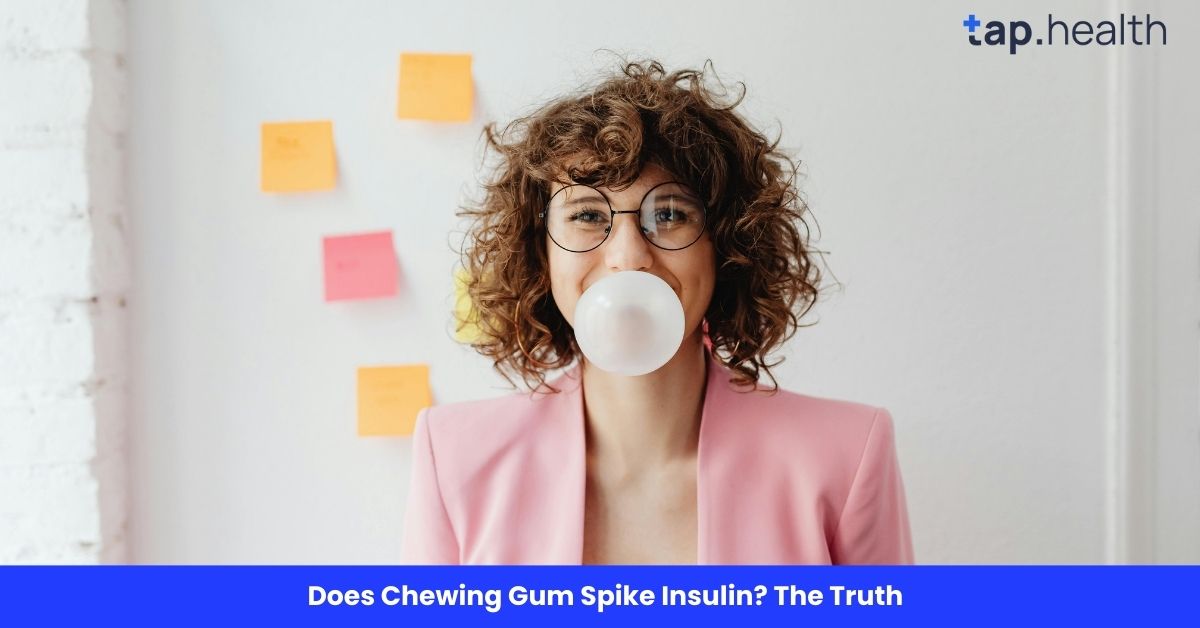
Does Chewing Gum Spike Insulin? The Truth About Sugar-Free Gum & Blood Sugar
Let’s cut to the chase: you’re chewing gum—maybe to freshen your breath, curb a snack craving, or just out of habit. But then a thought pops up: “Wait… does chewing gum spike insulin?”
It’s a smart question. Especially if you’re watching your blood sugar, managing diabetes, or trying to lose weight. You’ve probably heard conflicting things. Some say sugar-free gum is harmless. Others whisper it tricks your body into releasing insulin… even without sugar.
So what’s the real deal?
In this article, we’ll dig deep into the science, break down what actually happens in your body when you chew gum, and answer every related question you’ve ever had—or didn’t even know to ask.
No jargon. No fluff. Just simple, clear answers based on trusted medical sources like Harvard Health, Mayo Clinic, Cleveland Clinic, and peer-reviewed studies.
Let’s chew on this (pun intended).
What Is Insulin and Why Does It Matter?
Before we dive into gum, let’s make sure we’re on the same page about insulin.
Your Body’s Sugar Traffic Cop
Insulin is a hormone made by your pancreas. Think of it like a traffic cop for sugar (glucose) in your bloodstream. When you eat carbs or sugar, your blood sugar rises. Insulin’s job? Open the doors of your cells so sugar can get inside and be used for energy. Without insulin, sugar just floats around your blood—and that’s not good.
Why People Worry About Spikes
A “spike” in insulin means your body releases a big burst of it—usually after eating sugary or high-carb foods. Constant spikes can lead to:
- Insulin resistance (your cells stop listening to insulin)
- Weight gain
- Higher risk of type 2 diabetes
- Energy crashes
So if chewing gum—even sugar-free gum—causes your body to release insulin, that could be a problem… right?
Does Sugar-Free Gum Spike Insulin?
This is the million-dollar question.
Short answer: Usually not. But there are exceptions.
Let’s break it down.
Most Sugar-Free Gums Don’t Raise Blood Sugar… or Insulin
The majority of sugar-free gums use artificial sweeteners like:
- Aspartame
- Sucralose
- Xylitol
- Sorbitol
- Stevia
These sweeteners taste sweet but don’t contain glucose. Your body doesn’t digest most of them like real sugar, so they don’t raise blood sugar levels… and if blood sugar doesn’t rise, insulin usually doesn’t either.
Harvard Health and Mayo Clinic both confirm: artificial sweeteners don’t significantly affect blood glucose in healthy people.
But… Your Brain Might Get Tricked
Here’s where things get interesting. Some small studies (like one from Yale School of Medicine) suggest that when you taste something sweet—even if it’s fake—your brain may send a signal to your pancreas: “Hey, sugar’s coming. Get ready!”
This is called the cephalic phase insulin response (CPIR).
It’s your body’s way of preparing for incoming sugar. In theory, just tasting sweetness could cause a tiny, early insulin release—before any actual sugar hits your bloodstream.
But—and this is a big but—this effect is very small and short-lived. In most healthy people, it doesn’t lead to low blood sugar or meaningful insulin spikes.
What Do Real Studies Say?
A 2020 review in the journal Nutrients looked at multiple studies on non-nutritive sweeteners (that’s science-talk for artificial sweeteners). The conclusion?
“Most studies show no acute effect of non-nutritive sweeteners on insulin or glucose levels in healthy adults.”
Another study from The American Journal of Clinical Nutrition tested sucralose (Splenda) in people with obesity. Even after 3 months of daily use, there was no significant change in insulin sensitivity or glucose control. So while your brain might do a little dance when you taste sweetness, your pancreas usually doesn’t overreact.
What About Gum With Sugar?
Now, if you’re chewing regular gum—with real sugar—that’s a whole different story.
Sugar = Blood Sugar Rise = Insulin Spike
A typical piece of sugared gum has 1–2 grams of sugar. That’s not a lot—about 4–8 calories. But if you chew several pieces a day? It adds up. And yes: sugar raises blood glucose. Which means insulin will rise to deal with it.
Is it a huge spike? Probably not from one piece. But if you’re diabetic, pre-diabetic, or on a strict low-carb/keto diet, even small amounts matter.
Bottom line: Sugar-containing gum can spike insulin. Sugar-free gum? Almost never.
Do Sugar Alcohols in Gum Affect Insulin?
Many sugar-free gums use “sugar alcohols” like:
- Xylitol
- Sorbitol
- Erythritol
- Maltitol
They’re not alcohol like beer or wine—they’re just sweet carbs that your body absorbs slowly.
Do They Raise Blood Sugar?
Some do. A little.
- Xylitol & Sorbitol: Very low glycemic index (GI 7–9). Minimal effect on blood sugar.
- Maltitol: Higher GI (~35). Can cause a mild rise in blood sugar and insulin.
- Erythritol: Almost zero effect. Your body barely absorbs it.
Should You Worry?
For most people? No.
But if you have diabetes or are super sensitive, check the label. Avoid gums with maltitol if you’re trying to keep blood sugar rock-steady.
Cleveland Clinic notes that sugar alcohols can cause digestive upset (gas, bloating) in some people—but insulin spikes? Rare.
Does Chewing Gum Trigger Insulin in Diabetics?
Great question. People with type 1 or type 2 diabetes need to be extra careful about anything that affects blood sugar or insulin.
Type 1 Diabetics
Your body doesn’t make insulin. So even if your brain signals “sugar incoming,” you won’t release insulin unless you inject it.
Artificial sweeteners won’t cause an insulin spike on their own. But if you think you’re going to eat sugar and pre-bolus (give insulin in advance), and then only chew gum? You could risk low blood sugar.
Tip: Don’t pre-dose insulin for sugar-free gum.
Type 2 Diabetics
Your body still makes insulin, but it might not work well (insulin resistance).
Studies show artificial sweeteners don’t significantly raise blood sugar or insulin in type 2 diabetics—if used in normal amounts.
A 2021 study in Diabetes Care found that sucralose, aspartame, and stevia had no meaningful effect on glucose or insulin levels in people with type 2 diabetes.
Still—always check your own response. Everyone’s body is different.
Can Chewing Gum Break a Fast?
If you’re into intermittent fasting, you’ve probably asked this.
Fasting means no calories. But what about gum?
Technically… It Depends
- Sugar-free gum: Usually 5–10 calories per piece. Very low.
- Does it break a fast? Technically, yes—because it has calories. But functionally? Probably not enough to matter for most fasting goals (like fat burning or autophagy).
What About Insulin?
This is the real concern. If gum doesn’t spike insulin (which, as we’ve seen, it usually doesn’t), then it likely won’t interfere with the metabolic benefits of fasting.
Dr. Jason Fung, a leading fasting expert, says:
“A tiny insulin response from artificial sweeteners is unlikely to negate the benefits of fasting for most people.”
Bottom line: If you’re fasting for weight loss or metabolic health, sugar-free gum is probably fine in moderation. If you’re fasting for religious reasons or gut rest? Skip it.
Does Chewing Gum Increase Hunger or Cravings?
Some people swear gum makes them hungrier. Others say it kills cravings.
What’s the truth?
Gum as an Appetite Suppressant
Several studies (including one from Appetite Journal) found that chewing gum between meals reduced hunger and snack cravings—especially for sweets.
Why? It keeps your mouth busy. Distracts you. Gives a flavor hit without calories.
But… Artificial Sweeteners Might Backfire
Some animal studies and small human trials suggest that artificial sweeteners might increase appetite long-term—possibly by messing with gut bacteria or confusing your brain’s reward system.
However, larger reviews (like one in The BMJ) found no consistent evidence that artificial sweeteners increase hunger or food intake in humans.
Verdict: For most people, gum = less snacking. But if you notice it makes you crave more sweets? Maybe switch flavors or take a break.
Can Chewing Gum Help With Weight Loss?
Maybe. Indirectly.
How Gum Might Help
- Reduces snack cravings (especially after meals)
- Burns a few extra calories (chewing uses energy!)
- Replaces high-calorie snacks (like candy or chips)
A study in The New England Journal of Medicine found that people who chewed gum consumed about 40 fewer calories at their next meal.
Not huge—but over time, it adds up.
But… Don’t Rely On It
Gum won’t magically melt fat. It’s a tool—not a solution.
If you chew gum but still eat junk food all day? You won’t lose weight.
Use it as part of a bigger plan: healthy eating, movement, good sleep.
What About the “Insulin Trigger” Myth?
You’ve probably seen headlines like:
“Artificial Sweeteners Spike Insulin Just Like Sugar!”
Or TikTok videos claiming:
“Chewing gum = insulin spike = fat storage!”
Where did this myth come from?
The Origin: Old Rat Studies
Early studies on rats showed that artificial sweeteners could trigger insulin release. But rats aren’t humans. Their metabolism works differently.
Human Studies Tell a Different Story
As we’ve seen, most well-designed human trials show no significant insulin response to artificial sweeteners in normal doses.
Why the Confusion?
- Small, poorly designed studies get overblown.
- People confuse “taste response” (CPIR) with a real metabolic insulin spike.
- Anecdotes ≠ evidence.
Bottom line: Don’t believe the hype. Science says sugar-free gum is unlikely to spike your insulin.
Are There Any Risks to Chewing Gum Daily?
For most people? Nope. But let’s cover the fine print.
Jaw Problems (TMJ)
Chewing too much can strain your jaw joint. If you have TMJ disorder, gum might make it worse.
Fix: Chew less. Or only on one side? Nope—chew evenly, or take breaks.
Digestive Issues
Sugar alcohols (like sorbitol) can cause gas, bloating, or diarrhea in sensitive people—especially in large amounts.
Fix: Check the label. Try gums with erythritol or stevia instead.
Tooth Decay? Not With Sugar-Free
Sugar-free gum (especially with xylitol) can actually protect your teeth by increasing saliva and reducing mouth acidity.
American Dental Association approves certain sugar-free gums for cavity prevention.
Ingredients to Watch
Some gums contain:
- Aspartame – Safe for most, but avoid if you have PKU (a rare genetic disorder).
- Titanium dioxide – A whitener. Some countries restrict it, but FDA still considers it safe in small amounts.
- BHT – A preservative. Controversial, but no strong evidence of harm in gum doses.
When in doubt? Pick simple ingredient lists. Brands like PUR, Spry, or Epic (xylitol-based) are clean options.
What Do Experts Say?
Let’s hear from the pros.
Harvard Health
“Artificial sweeteners do not raise blood sugar or insulin levels in the short term and can be useful for people with diabetes.”
Mayo Clinic
“Sugar substitutes generally don’t affect blood sugar levels and are considered ‘free foods’—meaning they have less than 20 calories and 5 grams or less of carbs.”
American Diabetes Association
“Nonnutritive sweeteners are safe when consumed within FDA-approved levels and do not cause blood sugar spikes.”
Cleveland Clinic
“Chewing sugar-free gum after meals can help prevent tooth decay and doesn’t interfere with blood sugar control.”
Pretty consistent, right?
Real-Life Scenarios: When Gum Might Matter
Let’s get practical.
Scenario 1: You’re Diabetic
Sugar-free gum = usually safe
Sugared gum = can raise blood sugar
Watch for maltitol or sorbitol if you’re sensitive
Tip: Test your blood sugar before and 30 mins after chewing. See how YOUR body reacts.
Scenario 2: You’re Fasting
One or two pieces of sugar-free gum = unlikely to break your fast
Chewing 10 pieces a day = adds up in calories and might trigger cravings
Scenario 3: You’re Trying to Lose Weight
Gum can reduce snack attacks
Don’t use it to justify eating junk later (“I chewed gum, so I deserve cake!”)
Scenario 4: You Get Headaches or Gut Issues
Try switching brands or sweeteners
If symptoms persist, take a gum break
Best Practices: How to Chew Gum Without Worrying About Insulin
Want to enjoy gum without stressing over insulin? Follow these simple rules:
1. Pick Sugar-Free (Always)
Check the label. First ingredient shouldn’t be sugar, corn syrup, or dextrose.
2. Avoid Maltitol If You’re Sensitive
Look for xylitol, erythritol, or stevia instead.
3. Don’t Overdo It
2–3 pieces a day is fine. 10+? You might get digestive issues—or just jaw fatigue.
4. Chew After Meals
Helps clean your mouth, neutralize acid, and prevent cavities.
5. Listen to Your Body
If gum gives you gas, headaches, or cravings—switch it up or skip it.
6. Don’t Use It to Replace Real Hunger Cues
Gum isn’t a meal. If you’re truly hungry, eat real food.
Frequently Asked Questions (FAQ) on Does Chewing Gum Spike Insulin?
Q: Does chewing gum raise blood sugar?
A: Sugar-free gum? Almost never. Sugared gum? Yes, slightly. Sugar alcohols like maltitol? Maybe a tiny bit.
Q: Can sugar-free gum cause an insulin spike?
A: In healthy people, no meaningful spike. A tiny cephalic phase response might happen, but it’s not enough to affect blood sugar or health.
Q: Is it safe for diabetics to chew sugar-free gum?
A: Yes, according to the American Diabetes Association. Just avoid gums with maltitol if you’re sensitive.
Q: Will chewing gum break my fast?
A: Technically yes (calories), but metabolically? Unlikely to interfere with fat burning or insulin levels if it’s sugar-free and in moderation.
Q: Does aspartame spike insulin?
A: No. Multiple human studies show aspartame does not raise insulin or blood sugar in normal doses.
Q: Does xylitol spike insulin?
A: Barely. Xylitol has a glycemic index of 7–13 (sugar is 65). It’s absorbed slowly and doesn’t trigger a significant insulin response.
Q: Can chewing gum make you gain weight?
A: Unlikely. Gum has almost no calories. Some studies show it reduces snacking. But if it triggers sugar cravings for you, it might indirectly lead to overeating.
Q: Is chewing gum bad for you?
A: Not if you choose sugar-free and don’t overdo it. Benefits include fresher breath, less cavities, and reduced snacking. Downsides? Possible jaw strain or tummy trouble in sensitive folks.
Q: What’s the healthiest gum to chew?
A: Look for:
- No sugar
- Xylitol or erythritol as sweetener
- No artificial colors or controversial preservatives
- ADA-approved (for dental health)
Brands: PUR, Spry, Epic, or simple store brands with clean labels.
Q: Does the flavor of gum matter?
A: Not for insulin. But mint or cinnamon might suppress appetite better than fruit flavors (which can trigger sweet cravings).
Final Thoughts: Should You Stop Chewing Gum?
Unless you have jaw pain, gut issues, or you’re chewing sugared gum by the pack—no, you don’t need to quit. Sugar-free gum is one of the safest, lowest-risk habits out there. It freshens breath, protects teeth, and might even help you eat less junk.
And as for insulin?
The science is clear: chewing sugar-free gum does not meaningfully spike insulin in healthy people—or even in most people with diabetes. So chew on, friend. Just pick the right kind. Keep it moderate. And don’t believe every scary headline you see online.