Let’s cut to the chase.
You’ve probably heard mixed things about mosambi juice (also called sweet lime juice). Some say it’s healthy. Others whisper, “Careful—it’s sugar in a glass.” So what’s the real deal? Does mosambi juice increase sugar level?
The short answer: It can—but not as much as you think, and not always in a bad way.
In this guide, we’re going to break down everything you need to know—no jargon, no fluff. Whether you’re diabetic, pre-diabetic, just health-conscious, or simply love sipping on that tangy-sweet citrus drink, this article is for you.
We’ll cover:
- What mosambi juice actually is (and why it’s different from orange or lemon juice)
- How sugar works in your body (in super simple terms)
- The glycemic index of mosambi juice—and what that really means
- What happens to your blood sugar after you drink it
- Who should avoid it (and who can safely enjoy it)
- How to drink mosambi juice without spiking your sugar
- And a whole lot more—including myths, FAQs, and pro tips
So grab your glass of mosambi juice (or maybe wait till you finish reading!)—let’s dive in.
What Is Mosambi Juice?
Before we talk sugar, let’s talk fruit.
Mosambi—or sweet lime—is a citrus fruit. It looks like a pale green or yellow lemon but tastes much milder, sweeter, and less acidic. It’s popular across India, Pakistan, and parts of Southeast Asia. People love it as a refreshing summer drink, digestive aid, or vitamin C booster.
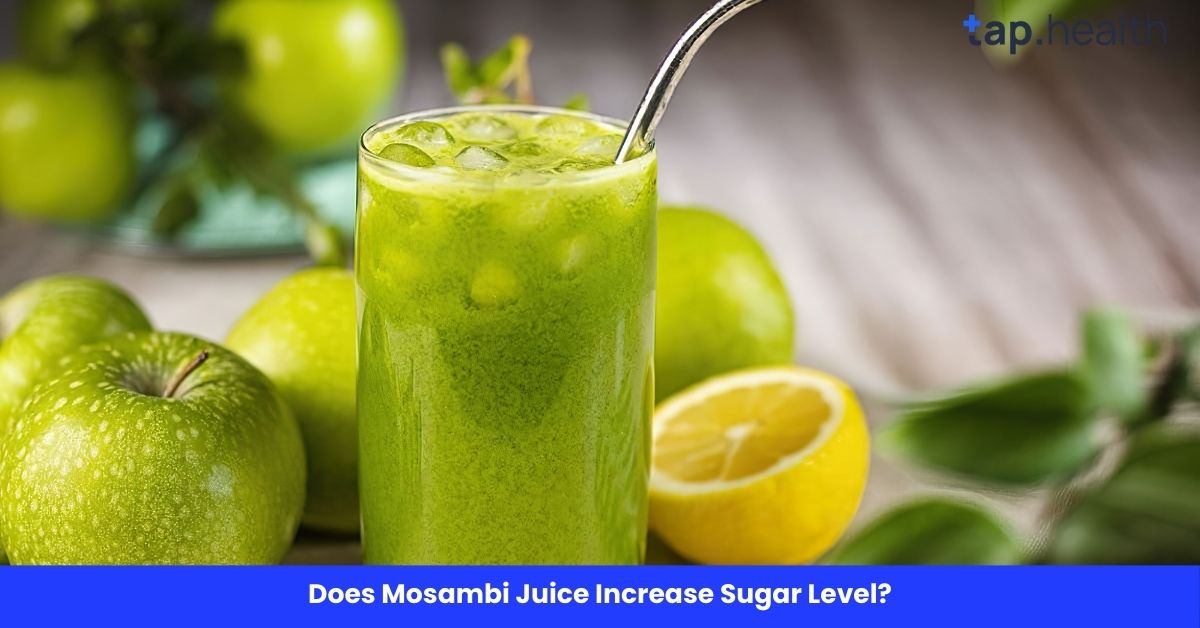
Mosambi juice is made by squeezing the pulp of the fruit. Sometimes it’s strained, sometimes it’s pulpy. Often, a pinch of salt or sugar is added. Sometimes it’s mixed with mint or soda. But at its core? It’s 100% fruit juice.
Unlike orange juice (which can be super sweet) or grapefruit juice (which can be bitter), mosambi strikes a nice middle ground. That’s why it’s so popular—even among kids and elders.
But here’s the catch: just because it’s “natural” doesn’t mean it’s sugar-free.
How Does Sugar Work in Your Body?
Let’s keep this super simple.
When you eat or drink something sweet, your body breaks it down into glucose (a type of sugar). That glucose enters your bloodstream. Your pancreas then releases insulin—a hormone that acts like a key, unlocking your cells so glucose can enter and be used for energy.
If everything’s working right, your blood sugar stays balanced.
But if you drink too much sugar too fast, your blood sugar spikes. That’s bad news if you have diabetes or insulin resistance. Even if you don’t, constant spikes can lead to weight gain, fatigue, cravings, and long-term health issues.
So the real question isn’t just “does mosambi juice have sugar?”—it’s “how much sugar, how fast does it hit your blood, and what does your body do with it?”
Does Mosambi Juice Contain Sugar?
Yes. Absolutely.
Mosambi juice contains natural fruit sugars—mainly fructose and glucose. A 250ml (1 cup) glass of freshly squeezed mosambi juice has about:
- 9–12 grams of natural sugar
- Around 45–55 calories
- Almost no fat or protein
Compare that to:
- A can of soda (35+ grams of sugar)
- Packaged orange juice (20–25 grams per cup)
- Even apple juice (24+ grams)
So yes, mosambi juice has sugar—but significantly less than most other fruit juices or sugary drinks.
Important note: This is natural sugar—not added table sugar. Natural sugars come packaged with fiber (in whole fruit), vitamins, antioxidants, and water. That changes how your body reacts.
But—here’s the twist—when you juice mosambi, you remove most of the fiber. That means the sugar hits your bloodstream faster than if you ate the whole fruit.
Still, it’s nowhere near as bad as soda or candy.
What Is the Glycemic Index (GI) of Mosambi Juice?
Ah, the Glycemic Index. Sounds fancy, but it’s just a scale from 0 to 100 that tells you how fast a food raises your blood sugar.
- Low GI (0–55): Slow, steady rise—good for diabetics
- Medium GI (56–69): Moderate rise
- High GI (70+): Fast, sharp spike—avoid if you’re managing sugar
So where does mosambi juice fall?
Mosambi juice has a low to medium GI—around 40–50.
That means it raises blood sugar—but slowly and moderately. Not a rollercoaster spike. More like a gentle hill.
Why? Because:
- It’s low in total carbs
- It has citric acid (which slows digestion)
- It’s rich in water and antioxidants
Compare that to:
- White bread (GI 75)
- Watermelon juice (GI 72)
- Pineapple juice (GI 66)
Mosambi juice is one of the safer fruit juices for blood sugar control.
What Happens to Your Blood Sugar After Drinking Mosambi Juice?
Let’s walk through it step by step.
Step 1: You drink a glass of fresh mosambi juice.
You’re getting about 10g sugar, plus vitamin C, potassium, and flavonoids.
Step 2: Sugar enters your small intestine.
Because there’s little fiber, it absorbs quickly—but not instantly. The citric acid in mosambi actually slows down the digestion a bit.
Step 3: Glucose enters your bloodstream.
Your blood sugar rises—but not sharply. Maybe from 90 mg/dL to 110–120 mg/dL within 30–60 minutes (if you’re healthy).
Step 4: Insulin responds.
Your pancreas releases just enough insulin to bring levels back down. Within 2 hours, you’re back to baseline.
If you’re diabetic?
The rise might be slightly higher (maybe 130–150 mg/dL), and it might take longer to come down—but it’s still manageable if you drink it wisely (more on that later).
Bottom line: Mosambi juice causes a mild, short-lived rise in blood sugar—not a dangerous spike.
Is Mosambi Juice Safe for Diabetics?
This is the million-dollar question.
Yes—mosambi juice can be safe for diabetics… if consumed correctly.
Here’s what the experts say:
“Citrus fruits like sweet lime have a low glycemic load and are rich in soluble fiber and bioflavonoids, which may actually improve insulin sensitivity.”
— American Diabetes Association
“Fresh citrus juices, when consumed in moderation and without added sugar, can be part of a diabetic-friendly diet.”
— Harvard T.H. Chan School of Public Health
But—BIG BUT—there are rules.
Rules for Diabetics Drinking Mosambi Juice
- Drink it fresh and plain. No added sugar. No syrup. No honey. Just pure juice.
- Pair it with protein or healthy fat. Have it with nuts, yogurt, or a meal. This slows sugar absorption.
- Limit to half a glass (125ml) at a time. Don’t gulp down a full liter.
- Avoid drinking it on an empty stomach. Always have it with or after food.
- Test your blood sugar. Everyone reacts differently. Check your levels 1–2 hours after drinking to see how your body responds.
If you follow these rules, mosambi juice won’t wreck your glucose levels. In fact, its vitamin C and antioxidants may help reduce inflammation and improve circulation—both important for diabetics.
Can Mosambi Juice Help Lower Blood Sugar?
Now this is interesting.
Mosambi juice doesn’t directly lower blood sugar like insulin does. But over time, regular (moderate) consumption may help improve how your body handles sugar.
How?
- Rich in vitamin C: Studies show vitamin C can improve insulin sensitivity and reduce fasting blood sugar in type 2 diabetics.
- High in antioxidants: These fight oxidative stress, which is linked to insulin resistance.
- Contains naringin and hesperidin: These citrus flavonoids may slow carb digestion and improve glucose metabolism.
- Hydrating and low-calorie: Helps with weight management—key for blood sugar control.
So while it won’t drop your sugar instantly, it can be part of a long-term strategy to keep levels stable.
Think of it like this: Mosambi juice isn’t medicine—but it’s a helpful teammate in your health game.
What’s the Difference Between Whole Mosambi Fruit and Mosambi Juice?
Big difference. Huge.
When you eat the whole fruit:
- You get all the fiber (pectin, cellulose)
- Sugar is released slowly
- You feel full faster
- Less chance of blood sugar spike
When you drink the juice:
- Fiber is mostly removed
- Sugar hits faster
- Easy to drink more than you should
- Less filling
Example:
Eating one whole mosambi = ~50 calories, 3g fiber, 8g sugar → slow sugar release
Drinking one glass of juice (from 2–3 mosambis) = ~50 calories, 0.5g fiber, 10–12g sugar → faster sugar release
So if you’re super sensitive to sugar, eat the fruit instead of drinking the juice.
But if you love juice? Just follow the tips we gave earlier—small portions, with food, no added sugar.
How Much Mosambi Juice Is Safe to Drink Daily?
Great question.
For most healthy adults:
1 small glass (150–200ml) per day is perfectly fine.
For pre-diabetics or type 2 diabetics:
Half a glass (100–125ml), 2–3 times a week—with meals.
For type 1 diabetics or those on insulin:
Only after consulting your doctor—and always monitor levels.
For kids:
Small amounts (50–100ml) occasionally—but whole fruit is better.
Never drink more than 1 full glass (250ml) in one sitting. And avoid drinking it multiple times a day.
Also—don’t replace water with mosambi juice. Hydration comes first.
Does Packaged or Store-Bought Mosambi Juice Affect Sugar Differently?
Oh yes. Big time.
Most packaged “mosambi juices” are not 100% juice. They’re:
- Loaded with added sugar or high-fructose corn syrup
- Filled with preservatives and artificial flavors
- Stripped of nutrients during processing
- Often diluted with water or cheaper juices
Check the label. If sugar is listed in the top 3 ingredients—or if it says “fruit drink,” “nectar,” or “beverage” instead of “100% juice”—put it back on the shelf.
A 250ml pack of “sweet lime drink” can have 20–30g sugar—double the fresh version.
Stick to homemade, fresh-squeezed juice. Always.
What Are the Health Benefits of Mosambi Juice (Besides Sugar Talk)?
Let’s not forget—mosambi juice isn’t just about sugar. It’s packed with good stuff:
- Vitamin C powerhouse – Boosts immunity, fights colds, helps skin heal
- Aids digestion – Stimulates bile, reduces bloating, prevents constipation
- Hydrating – Great for summer, post-workout, or when you’re sick
- Detoxifying – Helps liver flush out toxins (thanks to limonoids)
- Good for skin & hair – Vitamin C = collagen production = glowing skin
- Low in calories – Great for weight watchers
- Alkalizing effect – Balances body pH (despite being acidic outside the body)
So even if you’re watching sugar, mosambi juice brings a lot to the table.
What Are the Side Effects of Drinking Too Much Mosambi Juice?
Everything in moderation—even good things.
Drink too much mosambi juice, and you might face:
- Blood sugar spikes (if you’re diabetic or insulin resistant)
- Tooth enamel erosion (citric acid is harsh on teeth—always rinse after drinking)
- Stomach upset or acid reflux (if you have GERD or ulcers)
- Weight gain (if you’re drinking multiple glasses daily with added sugar)
- Kidney stones (in rare cases—citrus can increase oxalate in sensitive people)
Also, if you’re on certain medications (like statins or blood pressure drugs), citrus can interfere. Always check with your doctor.
Can You Drink Mosambi Juice While Fasting or on Empty Stomach?
Short answer: Not recommended.
Why?
- On an empty stomach, the citric acid can irritate your stomach lining → heartburn or nausea
- Sugar absorbs faster → sharper blood sugar spike
- May trigger hunger pangs or energy crash later
Best time to drink mosambi juice?
- With breakfast (along with eggs, oats, or toast)
- As a mid-morning snack (with a handful of almonds)
- Post-lunch (to aid digestion)
- After a workout (to rehydrate + replenish electrolytes)
Avoid drinking it:
- First thing in the morning (on empty stomach)
- Right before bed (can cause acid reflux)
- As a meal replacement
How to Make Mosambi Juice That Won’t Spike Your Sugar
Want to enjoy mosambi juice without the sugar worry? Here’s how:
Recipe: Diabetic-Friendly Mosambi Juice
Ingredients:
- 2 medium mosambi (sweet lime)
- 1 cup cold water (optional, to dilute)
- Pinch of black salt or rock salt (no sugar!)
- Few mint leaves (optional)
- Ice cubes (optional)
Method:
- Roll the mosambis on the counter to soften.
- Cut in half and juice using a hand squeezer or citrus press.
- Strain if you want it smooth—or leave pulp for extra fiber.
- Add water to dilute (reduces sugar concentration).
- Add a pinch of salt and mint.
- Stir and serve chilled.
Pro Tips:
- Add 1 tsp of chia seeds → fiber slows sugar absorption
- Mix with cucumber or lauki (bottle gourd) juice → lowers glycemic load
- Sip slowly—don’t gulp
This version is refreshing, tasty, and blood-sugar friendly.
What Do Doctors and Nutritionists Say About Mosambi Juice and Sugar?
Let’s hear from the pros.
“Sweet lime juice, in moderation, is acceptable for diabetics. Its low glycemic index and high nutrient density make it a better choice than most commercial juices.”
— Dr. Anjali Mukerjee, Clinical Nutritionist
“I allow my diabetic patients to have 100ml of fresh mosambi juice with breakfast—never alone, never sweetened.”
— Dr. Rajesh Keshrani, Endocrinologist
“The key is portion control and pairing. Alone, it’s risky. With food, it’s safe.”
— Rujuta Diwekar, Celebrity Nutritionist
Consensus? Mosambi juice is not the enemy. Misuse is.
Myths About Mosambi Juice and Blood Sugar—Busted!
Let’s clear up some confusion.
Myth 1: “All Fruit Juices Are Bad for Diabetics”
False. Whole fruits > juices, yes. But low-GI, low-sugar juices like mosambi, amla, or bitter gourd juice can be part of a smart diet.
Myth 2: “Natural Sugar Doesn’t Affect Blood Sugar”
False. Sugar is sugar—whether it’s from fruit, honey, or table sugar. Your body still converts it to glucose. Natural sugar just comes with extra nutrients.
Myth 3: “Mosambi Juice Cures Diabetes”
False. No juice cures diabetes. But mosambi can support management when used wisely.
Myth 4: “If It’s Sour, It Must Be Low Sugar”
False. Sourness comes from acid, not lack of sugar. Lemons are sour but low sugar. Grapes are sweet and high sugar. Mosambi? Mildly sweet + mildly sour = medium sugar.
Mosambi Juice vs Other Citrus Juices: Sugar Comparison
How does mosambi stack up?
| Mosambi (sweet lime) | 9–12g | 40–50 | ✅ Yes (with care) |
| Orange | 20–25g | 50–60 | ⚠️ Moderate |
| Lemon | 2–3g | 20 | ✅ Yes |
| Grapefruit | 18–22g | 45–55 | ✅ Yes (watch meds) |
| Lime (nimbu) | 1–2g | 20 | ✅ Yes |
Mosambi sits right in the middle—not the lowest, but far from the worst.
Can Mosambi Juice Replace Sugary Drinks?
Absolutely—and it should.
Swap out:
- Sodas → for mosambi + soda water + mint
- Packaged juices → for fresh mosambi + pinch of salt
- Sweetened iced teas → for chilled mosambi infusion
You’ll cut sugar by 50–80%, add nutrients, and still enjoy something tasty.
Bonus: Kids love it too. Great way to sneak in vitamin C.
Final Verdict: Should You Drink Mosambi Juice?
Here’s the bottom line:
Yes, you can drink mosambi juice—even if you’re watching your sugar.
Just follow these golden rules:
- Keep it fresh. No packaged stuff.
- Skip the sugar. Ever.
- Keep portions small. Half to one glass max.
- Drink with food. Never alone on empty stomach.
- Listen to your body. Test levels if you’re diabetic.
- Rinse your mouth after. Protect your teeth.
Mosambi juice is not a villain. It’s a delicious, nutritious drink that, when used wisely, can fit into almost any healthy lifestyle—including diabetic diets.
Frequently Asked Questions (FAQ) on Does Mosambi Juice Increase Sugar Level?
Q1: Does mosambi juice increase sugar level immediately?
A: It causes a mild, gradual rise—not an immediate spike. Blood sugar may go up slightly within 30–60 minutes, then return to normal within 2 hours in healthy people.
Q2: Can diabetics drink mosambi juice daily?
A: In small amounts (100–125ml), yes—but not daily. 2–3 times a week with meals is safer. Always monitor your levels.
Q3: Is mosambi juice better than orange juice for sugar control?
A: Yes. Mosambi has less sugar and a slightly lower GI than orange juice. It’s the better choice for diabetics.
Q4: Does adding salt to mosambi juice reduce sugar impact?
A: Not directly. Salt doesn’t lower sugar content—but it enhances flavor so you don’t feel the need to add sugar. Smart trick!
Q5: Can mosambi juice cause diabetes?
A: No. Drinking mosambi juice in moderation won’t cause diabetes. But excessive intake of any sugary drink (even natural) can contribute to weight gain and insulin resistance over time.
Q6: What’s the best time to drink mosambi juice for diabetics?
A: With breakfast or lunch. Avoid mornings on empty stomach or late at night.
Q7: Does mosambi juice help in weight loss?
A: Indirectly. It’s low-calorie, hydrating, and can replace sugary drinks—helping you cut calories. But it’s not a magic fat burner.
Q8: Can I drink mosambi juice during pregnancy?
A: Yes! It’s rich in folate and vitamin C—great for mom and baby. Just avoid excess and added sugar.
Q9: Does mosambi juice interact with diabetes medication?
A: Generally no—but citrus can interact with some statins or blood pressure meds. Check with your doctor if you’re on medication.
Q10: How can I reduce the sugar in mosambi juice naturally?
A: Dilute with water, add pulp/fiber (like chia), mix with low-sugar veggies (cucumber, mint), or drink smaller portions.
Wrapping It Up
So—does mosambi juice increase sugar level?
Yes, a little. But not dangerously. Not uncontrollably. And not if you’re smart about it.
It’s not soda. It’s not candy. It’s a natural, vitamin-packed juice that, when treated with respect, can be part of a healthy, even diabetic-friendly, diet.
Don’t fear it. Just understand it. Use it wisely. Enjoy it fully.
Your body—and your taste buds—will thank you.