You have been diligent. You are eating your karela (bitter gourd), walking your 10,000 steps, and taking your diabetes medication on time. Yet, when you check your glucometer in the morning, the number is higher than expected. You feel frustrated. You wonder, “What am I doing wrong?”
Sometimes, the culprit isn’t the extra gulab jamun you didn’t eat. Sometimes, it is the medicine cabinet itself.
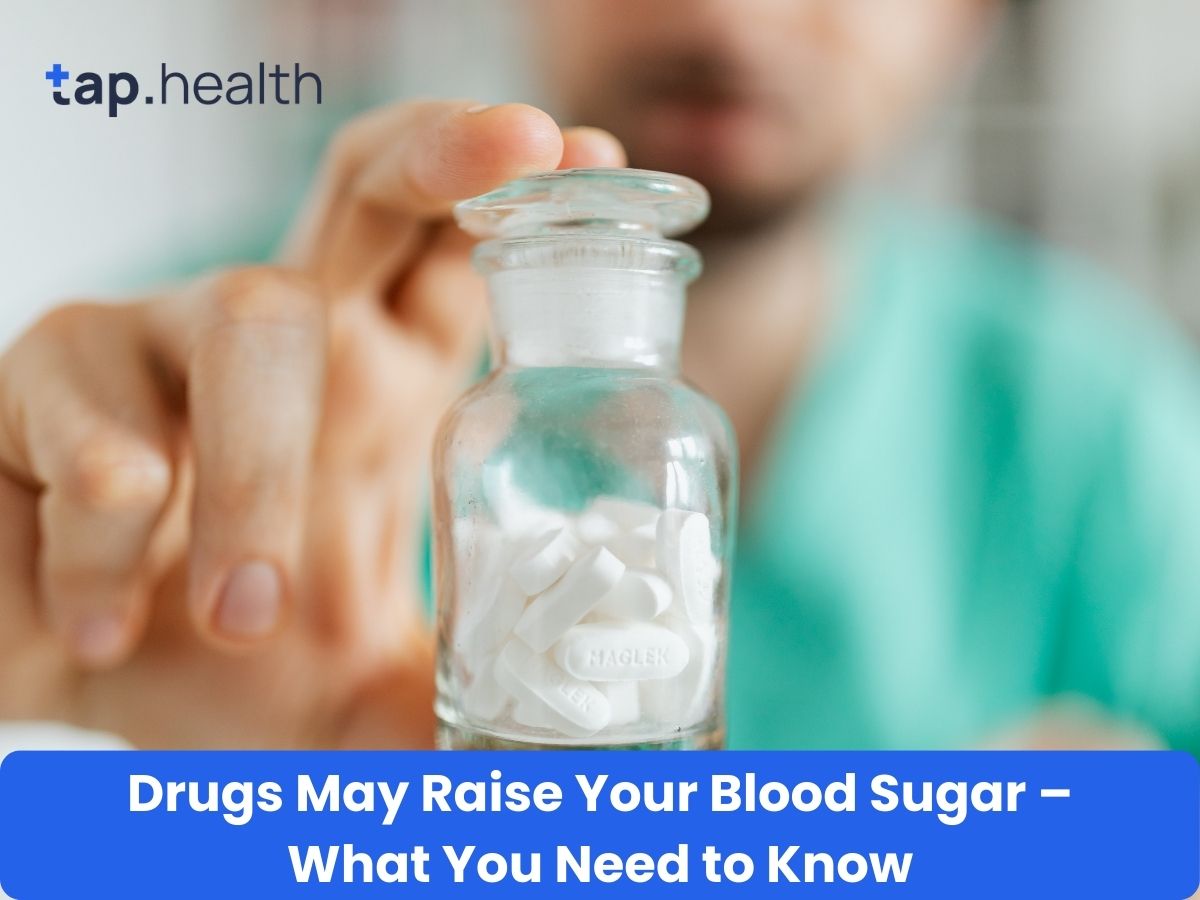
It is a lesser-known fact that many common medications—prescribed for completely different conditions like asthma, skin rashes, or high blood pressure—can silently mess with your glucose levels. Whether you are diabetic, pre-diabetic, or completely healthy, knowing which drugs may raise your blood sugar is crucial for your long-term health.
In this comprehensive 3,000-word guide, written in simple Indian English, we will uncover the hidden sugar-spikers in your prescription. We will explain why they do it, which ones to watch out for, and exactly what to do if you need these medicines to stay healthy.
Can Medicines Increase Blood Sugar?
Yes, absolutely.
Your body is a complex chemical factory. When you take a pill to fix one problem, it often touches other systems along the way. This is what we call a “side effect.”
For many drugs, the side effect is Hyperglycemia (high blood sugar).
- For Diabetics: This can make your well-controlled sugar suddenly go haywire.
- For Non-Diabetics: In rare cases, strong medicines can actually cause temporary diabetes (called Drug-Induced Diabetes).
This doesn’t mean the medicine is “bad.” It just means you and your doctor need to be smarter about how you use it.
Read this : Can Drugs Cause Type 1 Diabetes?
Why Some Drugs Raise Blood Sugar Levels
How does a pill for a skin rash end up spiking your sugar? It usually happens through one of four mechanisms.
Insulin Resistance
Some drugs make your cells “deaf” to insulin. Your pancreas produces insulin to lower sugar, but your cells ignore it. The sugar stays trapped in the blood, causing levels to rise.
Increased Glucose Production by the Liver
Your liver is a warehouse for sugar. Some medicines trigger the liver to dump its stored sugar into the bloodstream, even when you haven’t eaten anything.
Reduced Insulin Release
Some drugs directly affect the pancreas, stopping it from releasing enough insulin to handle your meal.
Stress Hormone Effects
Certain medicines mimic stress hormones (like cortisol). When your body thinks it is under stress, it naturally raises blood sugar to give you “fight or flight” energy—even if you are just sitting on the sofa.
12 Drugs That May Raise Your Blood Sugar
If you are taking any of these, don’t panic. Do not stop taking them. Just be aware and monitor your levels.
1. Corticosteroids (Highest Risk)
Common examples: Prednisone, prednisolone, methylprednisolone, dexamethasone, hydrocortisone
Corticosteroids are the most potent blood sugar disruptors. Used for asthma, rheumatoid arthritis, lupus, severe allergies, and many inflammatory conditions, they can raise fasting glucose by 50–100 mg/dL or more—even in people without diabetes.
Why it happens: Steroids increase liver glucose production, worsen insulin resistance in muscles and fat, and may directly impair pancreatic beta cell function. Effects begin within hours of the first dose and peak around 4–8 hours after ingestion.
Important nuance: Inhaled steroids (for asthma) and topical steroids (for skin conditions) have minimal systemic absorption and rarely affect blood sugar. Oral, intravenous, and high-dose injectable forms pose the greatest risk. Dose matters significantly—a 5 mg daily prednisone dose carries far less risk than 40 mg.
2. Thiazide Diuretics
Common examples: Hydrochlorothiazide (HCTZ), chlorthalidone, indapamide
These “water pills” treat high blood pressure and fluid retention by helping kidneys eliminate sodium and water. At higher doses (≥25 mg daily of HCTZ), they can raise fasting glucose by 5–15 mg/dL on average.
Why it happens: Thiazides may cause mild potassium and magnesium depletion, minerals essential for proper insulin secretion. They might also reduce blood flow to pancreatic islets. The effect is usually modest but becomes clinically significant in people with prediabetes or metabolic syndrome.
Important nuance: Lower doses (12.5 mg or less of HCTZ) show minimal glucose impact. Combining thiazides with potassium-sparing diuretics (like spironolactone) or ensuring adequate potassium intake may mitigate this effect.
3. Beta-Blockers
Common examples: Atenolol, metoprolol, propranolol, carvedilol (lower risk)
Used for hypertension, heart failure, and arrhythmias, traditional beta-blockers can worsen insulin resistance and mask symptoms of hypoglycaemia (low blood sugar)—making diabetes management trickier.
Why it happens: Beta-blockers may reduce blood flow to skeletal muscles (where most glucose disposal occurs) and blunt the adrenaline response that normally triggers warning signs of low blood sugar (trembling, sweating).
Important nuance: Not all beta-blockers are equal. Carvedilol and nebivolol have neutral or even favourable metabolic profiles compared to atenolol or propranolol. If you have diabetes and need a beta-blocker, discuss these alternatives with your cardiologist.
4. Statins
Common examples: Atorvastatin, simvastatin, rosuvastatin
These cholesterol-lowering drugs prevent heart attacks and strokes. Large studies (including JUPITER and meta-analyses in The Lancet) confirm they slightly increase fasting glucose (by ~5–10 mg/dL) and may raise new-onset diabetes risk by 9–12% in susceptible individuals over 4+ years of use.
Why it happens: Statins may mildly impair insulin secretion from pancreatic beta cells and reduce glucose uptake in muscles. The mechanism isn’t fully understood but appears dose-dependent—higher potency statins carry slightly higher risk.
Important nuance: The cardiovascular benefits of statins vastly outweigh this modest glucose risk for people with existing heart disease or high risk. For primary prevention in low-risk individuals, doctors may choose moderate-intensity statins (like pravastatin) with lower metabolic impact.
5. Second-Generation Antipsychotics
Common examples: Olanzapine, clozapine (highest risk); risperidone, quetiapine (moderate risk); aripiprazole, lurasidone (lowest risk)
These medications treat schizophrenia, bipolar disorder, and sometimes severe depression or agitation. Olanzapine and clozapine carry the highest risk of weight gain, insulin resistance, and new-onset diabetes—up to 30% of long-term users develop metabolic complications.
Why it happens: These drugs increase appetite (leading to weight gain), alter fat distribution toward visceral depots, and may directly interfere with insulin signalling pathways in the brain and periphery.
Important nuance: Newer agents like aripiprazole have significantly better metabolic profiles. For patients requiring long-term antipsychotic therapy, regular monitoring of weight, waist circumference, fasting glucose, and lipids is essential—ideally every 3–6 months.
6. Immunosuppressants
Common examples: Tacrolimus, cyclosporine, sirolimus
Critical for preventing organ rejection after transplants, these drugs can damage insulin-producing beta cells. Tacrolimus carries higher diabetes risk than cyclosporine. Up to 20% of kidney transplant recipients develop new-onset diabetes within the first year.
Why it happens: Calcineurin inhibitors (tacrolimus, cyclosporine) interfere with calcium signalling in beta cells, reducing insulin synthesis and secretion. They may also cause magnesium depletion, worsening insulin resistance.
Important nuance: Transplant teams carefully balance rejection risk against metabolic side effects. Sometimes switching from tacrolimus to cyclosporine—or adding medications that protect beta cells—can help preserve glucose control without compromising graft survival.
7. Certain Antibiotics
Common examples: Fluoroquinolones (gatifloxacin—now withdrawn, levofloxacin, ciprofloxacin)
Gatifloxacin was withdrawn globally after causing severe blood sugar swings—both dangerous highs and lows—especially in older adults with diabetes. Levofloxacin carries lower but still notable risk.
Why it happens: Fluoroquinolones may stimulate pancreatic beta cells excessively (causing hypoglycaemia) or, paradoxically, impair their function in susceptible individuals. The exact mechanism remains unclear.
Important nuance: Most common antibiotics (amoxicillin, azithromycin, doxycycline) have minimal glucose impact. If you have diabetes and require antibiotics, fluoroquinolones aren’t first-line choices unless specifically indicated. Always monitor blood sugar closely during any antibiotic course.
8. Hormonal Contraceptives
Common examples: Combined oral contraceptives with >30 mcg ethinyl oestradiol; depot medroxyprogesterone acetate (DMPA)
High-dose oestrogen historically worsened insulin resistance. Modern low-dose pills (<30 mcg oestrogen) have minimal effect for most women. However, DMPA injections may increase diabetes risk in women with obesity or PCOS.
Why it happens: Oestrogen and progesterone influence insulin sensitivity. High doses can promote insulin resistance, particularly in metabolically vulnerable individuals.
Important nuance: For women with diabetes or prediabetes, progestin-only pills, copper IUDs, or low-dose combined methods are generally preferred. Discuss your metabolic health with your gynaecologist when choosing contraception.
9. Decongestants and Sympathomimetics
Common examples: Pseudoephedrine, phenylephrine (in cold/flu remedies)
These stimulate adrenaline-like receptors, triggering temporary glucose release from the liver. Effects are usually mild and short-lived but can matter for people with brittle diabetes.
Important nuance: Sugar-free formulations are essential for people monitoring glucose—many liquid cough syrups contain significant sucrose. Phenylephrine may have slightly less metabolic impact than pseudoephedrine.
10. HIV Protease Inhibitors
Common examples: Indinavir (highest risk), ritonavir, lopinavir
Older protease inhibitors significantly increased insulin resistance and lipodystrophy (abnormal fat redistribution). Newer antiretrovirals (integrase inhibitors like dolutegravir) have far better metabolic profiles.
Important nuance: Modern HIV regimens rarely cause severe glucose issues. If metabolic complications arise, switching drug classes often resolves them without compromising viral suppression.
11. Niacin (Vitamin B3)
Common examples: Prescription niacin (Niaspan) at doses >1.5 g daily
High-dose niacin raises HDL (“good”) cholesterol but can increase fasting glucose by 8–12% and worsen glycaemic control in people with diabetes.
Important nuance: Over-the-counter niacin supplements at typical doses (500 mg or less) rarely affect glucose. Prescription high-dose niacin is now rarely used due to marginal cardiovascular benefits and side effects.
12. Some Antidepressants
Common examples: Tricyclics (amitriptyline), paroxetine (SSRI)
These may contribute to weight gain over months/years, indirectly worsening insulin resistance. Effects are generally modest compared to antipsychotics.
Important nuance: Bupropion and sertraline have neutral or favourable weight profiles. For patients with diabetes and depression, these may be preferred first-line options.
Over-the-Counter Medicines That Can Affect Blood Sugar
You don’t need a prescription to buy sugar-spiking drugs.
- Cough Syrups: As mentioned, many “honey-based” syrups are essentially sugar water.
- Pain Relievers (NSAIDs): Ibuprofen isn’t a major spiker, but if you have kidney damage from diabetes, NSAIDs can worsen it, indirectly affecting sugar clearance.
- Supplements: Glucosamine (for joints) might raise sugar in some people, though research is conflicting.
Diabetes Medicines That Can Cause High Blood Sugar (Indirectly)
Wait, can diabetes medicine raise sugar? Not directly, but incorrect usage can.
Missed Doses or Wrong Timing
If you take a meal-time insulin after the meal instead of before, you will see a spike. The drug didn’t fail; the timing did.
Drug Interactions That Reduce Effectiveness
Some common drugs, like Rifampin (for TB), can speed up how fast your liver clears diabetes pills from your system. This means your diabetes medicine wears off too fast, leaving you with high sugar.
Symptoms of High Blood Sugar Caused by Medications
How do you know if it is the drug or just a bad diet day? Medication-induced spikes often happen rapidly after starting a new course.
Look for these signs:
- Excessive Thirst: Drinking litres of water but mouth still feels dry.
- Frequent Urination: Waking up 3-4 times at night to pee.
- Blurry Vision: Suddenly needing to squint to read.
- Fatigue: Feeling exhausted despite sleeping well.
- Headache: A nagging, low-grade headache.
Who Is Most at Risk of Medication-Related High Blood Sugar?
Not everyone who takes a steroid gets diabetes. You are at higher risk if:
- You already have Diabetes or Pre-diabetes. Your system is already fragile.
- You are Elderly. Your body processes drugs slower.
- You are Overweight. You already have some insulin resistance.
- You take High Doses: A steroid inhaler is safer than steroid pills; pills are safer than injections.
- Long Duration: Taking a drug for 3 months affects you more than taking it for 3 days.
What To Do If You Think a Medicine Is Raising Your Blood Sugar
So, you spotted a drug on this list in your prescription. Your sugar is rising. What now?
Do Not Stop Medicines Suddenly
This is dangerous. If you stop a Beta-blocker suddenly, you could have a heart attack. If you stop steroids suddenly, your body can go into shock.
- Action: Call your doctor first.
Monitor Blood Sugar More Often
If you usually check once a day, switch to 3-4 times a day when starting a new medication.
- Check Fasting (Morning).
- Check Post-Prandial (2 hours after lunch). This data will help your doctor decide if the drug is the culprit.
Talk to Your Doctor About Alternatives
Ask: “Doctor, I noticed my sugar is high since starting Drug X. Is there a ‘sugar-friendly’ alternative?”
- For example, instead of a diuretic that depletes potassium, they might switch you to a Calcium Channel Blocker (like Amlodipine) which is sugar-neutral.
Lifestyle Adjustments During Treatment
If you must take the drug (e.g., steroids for severe asthma), you have to work harder on your lifestyle.
- Cut Carbs: Reduce rice/roti during the medication course.
- Walk More: Add an extra 15-minute walk after meals to burn off the excess sugar.
- Hydrate: Drink more water to flush out the glucose.
How Doctors Manage Drug-Induced High Blood Sugar
Doctors deal with this all the time. Here is their game plan:
Dose Adjustment
They might lower the dose of the offending drug to the “lowest effective amount.”
Temporary Diabetes Medication Changes
If you are on steroids for 2 weeks, your doctor might temporarily increase your insulin or Metformin dose for those 2 weeks to counteract the spike. Once the steroids stop, the diabetes medicine is reduced back to normal.
Switching to Lower-Risk Options
- Steroids: Switching from oral pills to local creams or inhalers reduces the amount that gets into the blood.
- Blood Pressure: Choosing meds that don’t affect sugar.
Real-Life Scenario
Meet Sunita (55, Teacher from Mumbai):
Sunita has well-controlled Type 2 diabetes. She developed a severe frozen shoulder. Her orthopedic doctor gave her a “Cortisone Shot” (Steroid injection) for the pain.
The Event: The next morning, her fasting sugar was 250 mg/dL. She panicked, thinking her diabetes had suddenly worsened. The Explanation: She called her Diabetologist. He explained, “Sunita, the steroid injection caused a temporary spike. It will last for about 3-5 days.” The Fix: He advised her to drink plenty of water and avoid sweets strictly for a week. He did not increase her medicine because the spike was temporary. By day 6, her sugar was back to normal.
Lesson: Always tell every doctor (dentist, skin specialist, ortho) that you are diabetic before they prescribe anything.
Expert Contribution
We consulted Dr. R. Kapoor, Senior Endocrinologist:
“I see many patients refuse Statins because they read on Google that it raises blood sugar. This is a mistake.
The rise in sugar from statins is very small—maybe 5 to 10 points. But the reduction in heart attack risk is massive—over 30%. For a diabetic, whose #1 killer is heart disease, the statin is a lifesaver. We can easily manage the tiny sugar rise with diet, but we can’t manage a heart attack easily. Don’t fear the drug; manage the risk.”
Recommendations Grounded in Proven Research and Facts
According to the American Diabetes Association (ADA) and CDC:
- Fluoroquinolones Warning: The FDA has issued strong warnings about antibiotics like Ciprofloxacin causing wild sugar swings in older diabetics. Always ask for an alternative if possible.
- Steroid Timing: Taking oral steroids in the morning matches your body’s natural rhythm and causes less sugar disruption than taking them at night.
- Gum Health: Treating gum disease reduces inflammation. Interestingly, treating gum infections often improves blood sugar control, reducing the need for other meds.
Key Takeaways
So, do drugs raise your blood sugar?
- Yes. Steroids, water pills, and some BP meds are common culprits.
- Don’t Stop: Never quit a prescribed drug without asking your doctor. The illness is usually worse than the sugar spike.
- Monitor: Check your sugar frequently when starting any new medicine.
- Communicate: Tell every doctor you visit that you have diabetes.
- Manage: Small diet changes or temporary insulin adjustments can handle almost any medication-induced spike.
Your health is a puzzle. Sometimes you need a piece (medicine) that doesn’t fit perfectly, but with a little adjustment, you can make the whole picture work beautifully.
Frequently Asked Questions on Drugs May Raise Your Blood Sugar
Which antibiotics increase blood sugar?
A class of antibiotics called Fluoroquinolones (e.g., Ciprofloxacin, Levofloxacin, Moxifloxacin) can cause severe swings in blood sugar—both high (hyperglycemia) and low (hypoglycemia). This is especially risky for older patients taking diabetes medication.
Does amlodipine raise blood sugar?
No. Amlodipine is a Calcium Channel Blocker. It is considered “metabolically neutral,” meaning it does not raise or lower blood sugar. It is a very safe blood pressure medication for diabetics.
How much does metoprolol raise blood sugar?
Metoprolol (a beta-blocker) may slightly increase blood sugar, but the bigger risk is that it hides the symptoms of low blood sugar (like a racing heart). This makes it dangerous for diabetics prone to hypoglycemia. Doctors often prefer other BP meds for this reason.
What medication is most likely to cause high blood sugar?
Corticosteroids (Steroids) like Prednisone and Dexamethasone are the most likely to cause significant high blood sugar. They induce insulin resistance rapidly, sometimes within hours of the first dose.
Does propranolol raise blood sugar?
Like Metoprolol, Propranolol is a beta-blocker. While it has a minimal effect on raising sugar, it prevents the body from releasing sugar during a “low” episode and masks the warning signs of a crash. It is used with caution in diabetics.
Can blood pressure meds cause diabetes?
Certain Diuretics (Thiazides like Hydrochlorothiazide) and Beta-Blockers (like Atenolol) have been linked to a slightly higher risk of developing Type 2 Diabetes if used long-term, because they can decrease insulin sensitivity. However, the risk is small compared to the risk of leaving high BP untreated.
Does Paracetamol raise blood sugar?
No. Paracetamol (Crocin/Dolo) does not raise blood sugar. However, some continuous glucose monitors (CGMs) can give false high readings if you take Paracetamol. Always verify with a finger-prick test.
References
- American Diabetes Association: Drug-Induced Hyperglycemia
Disclaimer: This article is for informational purposes only and does not constitute medical advice. Always consult your doctor before stopping or changing any medication.