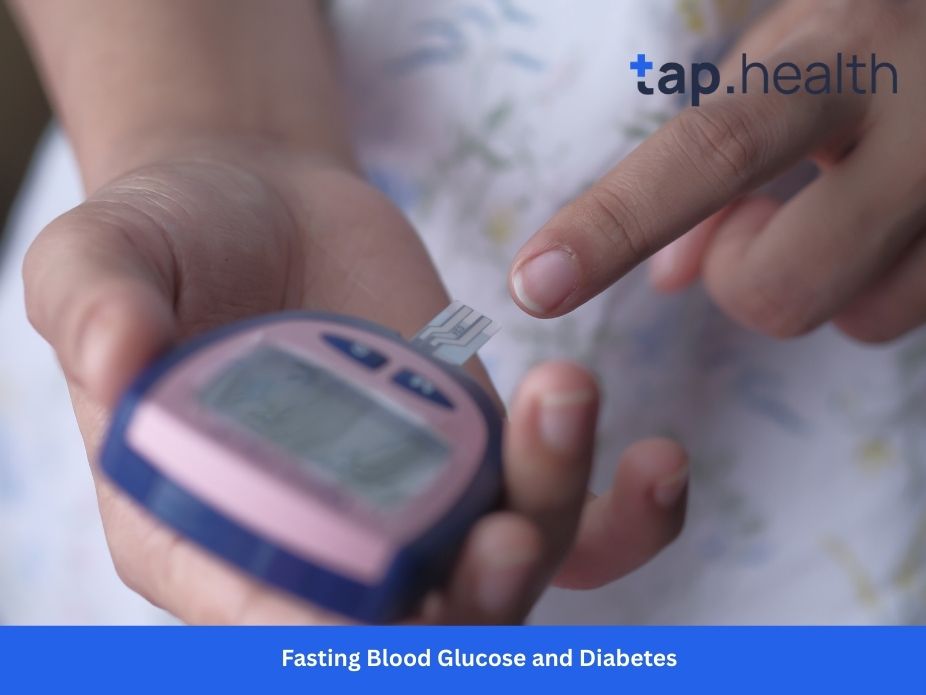
It is 7:00 AM. You wake up, wash your face, and reach for your glucometer. You haven’t eaten anything for 10 hours. You expect a good number. But when the beep sounds, the screen flashes 140 mg/dL.
You feel confused. “I didn’t eat anything all night! Why is my sugar high?”
This is a common frustration for millions of people in India managing diabetes. The morning reading, known as fasting blood glucose, is often the most stubborn number to control. It sets the tone for your entire day.
If you are worried about your morning numbers, you are in the right place. Understanding fasting blood glucose and diabetes is the first step to taking control of your health. It is not just a random number; it is a report card of how your body handled energy while you were sleeping.
In this comprehensive guide, written in simple Indian English, we will decode the mystery of the “empty stomach” test. We will explain why your sugar might spike even without food, the difference between the “Dawn Phenomenon” and the “Somogyi Effect,” and practical, desi ways to wake up with better numbers.
Why Fasting Blood Glucose Matters for Diabetes
Think of your body like a car engine that runs 24/7. Even when you are parked (sleeping), the engine is idling. It needs fuel to keep your heart beating and lungs breathing.
Fasting blood glucose measures how much fuel (sugar) is floating in your blood when you haven’t just filled the tank (eaten).
For a healthy person, the body keeps this fuel level perfectly stable. But for someone with diabetes, the “fuel gauge” breaks. High fasting sugar is dangerous because it means your body is exposed to toxic sugar levels for 8–10 hours every night. Over years, this “silent” high sugar damages your eyes, kidneys, and nerves before you even wake up to start your day.
What Is Fasting Blood Glucose?
Fasting Blood Glucose (FBG) is the level of sugar in your blood after an overnight fast of at least 8 to 10 hours.
During this time, you are allowed to drink water, but no tea, coffee, milk, or food. This test gives doctors a clear baseline. It removes the variable of “what you just ate” and shows how well your body manages its own internal sugar production.
Read this : Fasting Blood Sugar: How Many Hours Should You Fast for Accurate Results?
Normal Fasting Blood Glucose Range
In India, doctors follow standard guidelines to classify these numbers. Here is what your morning reading means.
Shutterstock
Normal Levels
- Range: 70 to 99 mg/dL
- Verdict: Your body is handling insulin perfectly.
Prediabetes Range
- Range: 100 to 125 mg/dL
- Verdict: This is a warning zone. You don’t have full-blown diabetes yet, but your body is struggling. In India, this is very common due to our carb-heavy diets. The good news? It is often reversible with lifestyle changes.
Diabetes Range
- Range: 126 mg/dL or higher
- Verdict: If you get this result on two separate days, you are diagnosed with diabetes. It means your body has lost the ability to keep fasting sugar in check.
How Fasting Blood Glucose Is Measured
There are two main ways to check this:
- Glucometer (Home Test): You prick your finger and put a drop of blood on a strip. It gives an instant result. It is great for daily monitoring but has a small margin of error (roughly 10-15%).
- Lab Test (Venous Plasma): A nurse takes blood from your arm vein. This is the “Gold Standard” for diagnosis because it is highly accurate.
Pro Tip: Always carry your glucometer to the lab. Check your sugar immediately after they draw your blood. Compare your home reading with the lab report later to see how accurate your machine is.
What Causes High Fasting Blood Glucose in Diabetes
This is the million-dollar question. Why is it high if I didn’t eat? Here are the five biggest culprits.
1. Insulin Resistance
This is the root cause of Type 2 Diabetes. Your liver acts like a sugar warehouse. At night, it releases stored sugar to keep you alive. Normally, insulin tells the liver, “Stop! We have enough sugar.”
In Type 2 diabetes, the liver ignores the insulin signal (resistance). It keeps dumping sugar into your blood all night long, causing a high morning reading.
2. Reduced Insulin Production
As diabetes progresses, your pancreas may get tired and produce less insulin. Without enough “background” insulin at night to mop up the sugar, levels rise steadily until you wake up.
3. Dawn Phenomenon
This happens to almost everyone, but diabetics feel it more.
- What is it? Around 4:00 AM to 8:00 AM, your body prepares to wake up. It releases “wake-up hormones” like cortisol and growth hormone.
- The Effect: These hormones tell the liver to dump extra fuel (sugar) into the blood to give you energy to start the day.
- The Problem: In a diabetic, the body cannot produce enough insulin to handle this sudden rush of sugar, resulting in a morning spike.
4. Stress and Hormonal Changes
If you sleep poorly or are stressed, your body releases cortisol. Cortisol is the enemy of insulin. It makes your cells resistant to insulin, keeping blood sugar high even while you sleep.
5. Poor Diet and Late-Night Eating
In Indian households, late dinners (9:30 PM or later) are common.
- If you eat a heavy meal rich in rice, roti, or potato late at night, your body is still digesting it while you sleep.
- High-fat meals (like biryani or paneer butter masala) cause a “delayed spike,” keeping sugars high well into the morning.
Symptoms of High Fasting Blood Sugar
Often, high fasting sugar is “silent.” You might sleep through it. However, if it is consistently high (above 180-200 mg/dL), you might notice:
- Waking up to urinate: You need to visit the bathroom multiple times at night.
- Dry mouth: Waking up extremely thirsty.
- Morning headache: A heavy, foggy feeling when you wake up.
- Blurred vision: Difficulty focusing your eyes first thing in the morning.
- Fatigue: Waking up tired despite a full night’s sleep.
What Causes Low Fasting Blood Glucose
On the flip side, waking up with low sugar (Hypoglycaemia) is dangerous. This is usually below 70 mg/dL.
Too Much Diabetes Medication
If you take insulin or sulphonylureas (like Glimepiride) at night, the dose might be too strong for the amount of food you ate. It keeps lowering your sugar all night, leading to a morning crash.
Skipping Meals
If you take your night medicine but skip dinner (maybe due to fasting or busy schedule), your medicine has nothing to work on, causing levels to plummet.
Excess Physical Activity
Did you go for a heavy gym session or a long walk the previous evening? Exercise makes your body sensitive to insulin for up to 24 hours. Your muscles might suck up all the glucose from your blood while you sleep to repair themselves.
Note regarding the “Somogyi Effect”: Sometimes, if your sugar drops too low at 3:00 AM, your body panics and dumps a massive amount of sugar to save you. You wake up with high sugar. This “rebound” high is called the Somogyi Effect.
How to Lower Fasting Blood Glucose Safely
You cannot control what your body does while you sleep, but you can control what you do before bed.
Dietary Changes
- The “Sunset” Rule: Try to finish dinner by 7:30 PM or 8:00 PM. This gives your body time to process the sugar before you sleep.
- Bedtime Snack: If you experience the Dawn Phenomenon, a small snack might actually help lower morning sugar.
- What to eat: A handful of soaked almonds or walnuts. The fat and protein keep your liver calm without spiking sugar.
- What to avoid: Biscuits, rusks, or fruit.
- Dinner Composition: Reduce the portion of rice/roti at night. Fill half your plate with sabzi (vegetables) and dal (protein).
Regular Exercise
A post-dinner walk (called Shatapavali in Ayurveda) is powerful. Walking for just 15-20 minutes after dinner helps your muscles use up the glucose from your meal, meaning there is less sugar floating around when you go to sleep.
Medication Adjustments
If lifestyle changes don’t work, talk to your doctor.
- They might change the timing of your medicine.
- Metformin is often prescribed to stop the liver from dumping sugar overnight.
Better Sleep and Stress Control
Sleep apnea (loud snoring) is a major cause of high fasting sugar because it stresses the body all night. Treating sleep issues often fixes morning sugar levels.
Fasting Blood Glucose vs HbA1c – Key Differences
Patients often ask, “My fasting is high, but my HbA1c is normal. Which one is right?” Both are important, but they tell different stories.
| Feature | Fasting Blood Glucose (FBS) | HbA1c (Glycated Haemoglobin) |
| What it measures | Sugar level at a single moment (morning). | Average sugar level over 3 months. |
| Preparation | Requires 8-10 hours fasting. | No fasting required. |
| What it tells you | Immediate control. Shows how your liver behaves at night. | Long-term control. Shows overall risk of complications. |
| Cheat-ability | Can change if you eat well for 1 day. | Cannot be cheated; reflects long-term habits. |
The Verdict: You need both. A good HbA1c proves you are managing well overall, but a high Fasting Sugar warns you about specific problems like the Dawn Phenomenon.
Real-Life Scenario
Meet Rajesh (52, Banker from Mumbai):
Rajesh was diligent. He took his medicines and avoided sweets. Yet, every morning, his sugar was 160 mg/dL. He was frustrated.
The Discovery:
His doctor asked him to check his sugar at 3:00 AM for two nights.
- Night 1: 3:00 AM sugar was 110 mg/dL.
- Night 2: 3:00 AM sugar was 115 mg/dL.
Since he wasn’t going low at night, it wasn’t a rebound. It was the Dawn Phenomenon. His liver was dumping sugar early in the morning.
The Fix:
- He shifted his dinner from 9:30 PM to 8:00 PM.
- He started a 15-minute walk after dinner.
- His doctor adjusted his night-time Metformin dose.
The Result: Within two weeks, his fasting sugar dropped to 110 mg/dL.
Expert Contribution
We consulted Dr. S. Iyer, a Senior Endocrinologist:
“Many patients try to ‘starve’ themselves to fix high fasting sugar. They skip dinner. This is a mistake. Skipping dinner can trigger the liver to dump more sugar because it thinks you are starving.
Instead of skipping, eat smarter. A light dinner with adequate protein (like paneer or chicken) and fiber (vegetables) is the best antidote to high morning sugar.”
Recommendations Grounded in Proven Research and Facts
According to the American Diabetes Association (ADA) and research from the Journal of Clinical Endocrinology:
- Apple Cider Vinegar: Some studies suggest that taking 2 tablespoons of apple cider vinegar with water before bed can improve insulin sensitivity and lower fasting sugar by 4–6%.
- Fiber Intake: Increasing fiber intake (specifically soluble fiber found in oats, methi seeds, and isabgol) at dinner can slow down digestion and prevent morning spikes.
- Stress Reduction: Chronic stress keeps cortisol levels high overnight. Practices like Yoga Nidra or deep breathing before bed have been shown to lower morning glucose levels.
Conclusion: Key Takeaways
So, what do your fasting blood glucose numbers mean?
- 70–99 mg/dL: You are in the safe zone. Keep up the good work.
- 100–125 mg/dL: Wake-up call. Start making lifestyle changes now to prevent full diabetes.
- 126+ mg/dL: You need medical intervention and stricter diet control.
Your Action Plan:
- Test: Don’t guess. Use your glucometer.
- Time: Eat dinner early (before 8 PM).
- Move: Walk for 15 minutes after dinner.
- Snack: If you have morning spikes, try a small handful of nuts before bed.
High fasting sugar is a puzzle, but it is one you can solve. By understanding your body’s nightly rhythm and making small adjustments to your Indian diet, you can wake up to a healthier number and a brighter day.
Frequently Asked Questions on Fasting Blood Glucose and Diabetes
What level of blood sugar is dangerous?
A fasting blood sugar below 70 mg/dL (Hypoglycaemia) is dangerous and requires immediate sugar intake. On the high side, levels consistently above 250 mg/dL are dangerous long-term, and levels above 400 mg/dL can be a medical emergency (Diabetic Ketoacidosis), especially if accompanied by vomiting or confusion.
How many hours of fasting are required for a blood sugar test?
For an accurate Fasting Blood Glucose (FBS) test, you need to fast for 8 to 12 hours. Usually, an overnight fast is best. You can drink water, but avoid tea, coffee, or any other beverage.
Why is my sugar high in the morning even if I didn’t eat sugar?
This is likely the Dawn Phenomenon. Your body releases hormones (cortisol, growth hormone) in the early morning to help you wake up. These hormones signal your liver to release stored sugar into your blood. If you have diabetes, your body can’t clear this sugar quickly enough, leading to a high reading.
Can drinking water lower fasting blood sugar?
Yes, staying hydrated helps your kidneys flush out excess sugar through urine. If you are dehydrated, your blood sugar concentration will be higher. Drinking a glass of water first thing in the morning is a healthy habit.
Does late-night snacking affect fasting blood sugar?
Yes, significantly. Eating high-carb or high-fat foods late at night delays digestion. This means glucose is still entering your bloodstream while you sleep, leading to a high reading in the morning.
References
- Mayo Clinic: The Dawn Phenomenon: What can you do?
- American Diabetes Association: Understanding Blood Glucose numbers
- Cleveland Clinic: Hyperglycemia (High Blood Sugar) in the Morning
Disclaimer: This article is for informational purposes only and does not constitute medical advice. Always consult your doctor or diabetologist before making changes to your medication or diet.