tap.health logo
  • Diabetes Management
  • Health Assistant
  • About Us
  • Blog
  • Contact Us
Get Plan
  • Diabetes Management
  • Health Assistant
  • About Us
  • Blog
  • Contact Us
  • All Blogs
  • Diabetes
  • Fasting Blood Sugar: How Many Hours Should You Fast for Accurate Results?

Fasting Blood Sugar: How Many Hours Should You Fast for Accurate Results?

Diabetes
October 29, 2025
• 6 min read
Yasaswini Vajupeyajula
Written by
Yasaswini Vajupeyajula
Neha Sharma
Reviewed by:
Neha Sharma
Dietitian and Nutrition Officer
ChatGPT Perplexity WhatsApp LinkedIn X Grok Google AI
Fasting Blood Sugar: How Many Hours Should You Fast for Accurate Results?

Fasting blood sugar levels are essential indicators of your overall health, particularly when it comes to monitoring for conditions like diabetes. But how many hours should you fast before a blood sugar test to get accurate results? This question is common among individuals who are preparing for medical tests or monitoring their blood sugar regularly. Understanding the correct duration for fasting before blood sugar testing can help you get reliable results and manage your health more effectively.

In this article, we’ll walk you through everything you need to know about fasting blood sugar, the ideal fasting period, and the factors influencing it. We’ll also explore why it’s essential to follow fasting instructions correctly and answer some of the frequently asked questions on the topic.

What Is Fasting Blood Sugar?

Fasting blood sugar refers to the measurement of glucose (sugar) levels in your blood after you have not eaten for a specified period. It is typically measured after an overnight fast or an extended period without eating. This test is essential for detecting abnormalities in blood sugar levels and diagnosing conditions such as diabetes, prediabetes, and hypoglycemia.

During a fasting blood sugar test, the body’s natural ability to process sugar is assessed. The fasting period is necessary to get a baseline measurement of your body’s glucose levels without interference from recently consumed food.

How Many Hours Should You Fast for Accurate Blood Sugar Results?

The ideal duration of fasting before a blood sugar test is usually 8–12 hours. The specific fasting period can vary depending on the test instructions given by your healthcare provider. However, most fasting blood sugar tests require you to fast for at least 8 hours to ensure the accuracy of the test results.

Why is 8–12 Hours the Recommended Fasting Duration?

The reasoning behind the 8–12 hours fasting period is to give your body enough time to process and metabolise the food you’ve consumed. This allows the blood sugar levels to stabilise and reflect a more accurate reading of how your body handles glucose without the influence of a recent meal.

For instance, if you ate a heavy meal shortly before the test, your blood sugar levels could be artificially high, making it difficult for doctors to assess your baseline levels properly.

The Process of Fasting for Blood Sugar Testing

When you’re preparing for a fasting blood sugar test, it’s important to follow the prescribed guidelines to ensure the most accurate results. Here’s what you should do:

  1. Eat Normally the Day Before: On the day before your test, you can eat your regular meals. However, it’s essential to avoid excessive sugar or carbohydrate-rich foods that could alter your blood sugar levels.
  2. No Food or Drink (Except Water) During Fasting: For the fasting period, you must refrain from eating or drinking anything other than water. Even a cup of coffee or a juice can interfere with your blood sugar levels, leading to inaccurate results.
  3. Plan Your Test in the Morning: Scheduling your test in the morning is the best approach since you will have already fasted overnight, and it’s easier to comply with the fasting period.
  4. Stay Hydrated: It’s crucial to stay hydrated during the fasting period. Drinking water helps maintain normal blood circulation and keeps you feeling comfortable. However, avoid consuming any drinks that contain calories or artificial sweeteners.
  5. Follow Doctor’s Instructions: Always follow the instructions given by your healthcare provider. In some cases, your doctor may recommend a longer fasting period or specific restrictions depending on your health condition.

What Happens if You Don’t Fast for Long Enough?

Failing to fast for the required time can lead to inaccurate test results. When you eat or drink before the test, the body releases insulin to process the glucose from the food. As a result, your blood sugar levels might be higher than normal during the test, giving a false reading.

This is why it’s essential to stick to the fasting period. If you eat or drink anything during the fasting period, it may impact the test’s ability to detect whether you have normal blood sugar levels or are at risk of conditions like diabetes.

Factors That Can Influence Fasting Blood Sugar Results

Several factors can affect the results of your fasting blood sugar test, and it’s essential to keep them in mind:

  • Medications: Some medications can impact blood sugar levels, so it’s crucial to inform your doctor about any medicines you are currently taking before your test. Medications for hypertension, corticosteroids, and others may interfere with blood sugar readings.
  • Stress: Physical or emotional stress can cause a spike in blood sugar levels, which may affect test results. Make sure to stay calm and relaxed before the test.
  • Health Conditions: Certain health conditions, such as hormonal imbalances, infections, or liver problems, may impact your blood sugar levels. Always inform your healthcare provider if you are dealing with any health issues that might influence the test.

How Accurate Is the Fasting Blood Sugar Test?

The fasting blood sugar test is considered one of the most reliable methods for diagnosing diabetes and prediabetes. However, it is important to remember that the fasting blood sugar test is not always conclusive by itself. For a more accurate diagnosis, doctors often use additional tests such as:

  • Oral Glucose Tolerance Test (OGTT): This test involves drinking a sugary solution after fasting to see how your body processes sugar over time.
  • Hemoglobin A1c Test: This test measures your average blood sugar levels over the past two to three months and provides a broader view of your blood sugar control.

Why Is Fasting Blood Sugar Important?

Fasting blood sugar tests are essential for identifying the early signs of diabetes or other blood sugar-related disorders. By detecting high or low blood sugar levels early, you can take steps to manage your health better and avoid complications later on.

Also read this : How Many Calories in 1 Pound of Ground Beef?

Benefits of Monitoring Fasting Blood Sugar

  1. Early Detection of Diabetes: The test can identify the early stages of diabetes before symptoms appear, which can help prevent complications like heart disease, kidney failure, and nerve damage.
  2. Diabetes Management: For individuals already diagnosed with diabetes, regular fasting blood sugar tests help monitor how well the disease is controlled, assisting in treatment decisions.
  3. Assessing Risk Factors: Fasting blood sugar tests help doctors assess whether a person is at risk for developing type 2 diabetes, based on their blood sugar levels.

Myths vs. Facts About Fasting Blood Sugar

There are many myths surrounding fasting blood sugar tests. Let’s clear up some common misconceptions:

Myth 1: You Can Eat Anything Before the Test as Long as You Fast Overnight

Fact: You must fast for at least 8–12 hours before the test. Avoid eating or drinking anything other than water, even if it’s only a small amount.

Myth 2: Fasting Blood Sugar Tests Are Only for Diabetic People

Fact: Fasting blood sugar tests are used for everyone, whether or not they have diabetes. It helps detect potential issues early on, even in healthy individuals.

Myth 3: A Single Fasting Blood Sugar Test is Enough to Diagnose Diabetes

Fact: A single test is rarely conclusive. Doctors often use additional tests, such as the Oral Glucose Tolerance Test or A1c, to confirm diabetes.

Key Takeaways

  • Fasting blood sugar tests are vital for diagnosing and managing diabetes and other glucose-related issues.
  • You should fast for at least 8–12 hours before taking the test to ensure accurate results.
  • Avoid eating, drinking, or consuming anything except water during the fasting period.
  • Be aware of factors like medications, stress, and health conditions that may impact your results.
  • Regular fasting blood sugar tests can help with the early detection of diabetes and better management of the condition.

Frequently Asked Questions (FAQs) on Fasting Blood Sugar

Q1: How many hours should I fast before a blood sugar test?

A1: You should fast for at least 8–12 hours before a fasting blood sugar test. This ensures the most accurate results.

Q2: Can I drink water before a fasting blood sugar test?

A2: Yes, drinking water is allowed during the fasting period. However, avoid consuming anything with calories or artificial sweeteners.

Q3: Does stress affect fasting blood sugar levels?

A3: Yes, stress can cause an increase in blood sugar levels, potentially affecting the test results. It’s best to remain calm before your test.

Q4: What happens if I don’t fast long enough before the test?

A4: If you don’t fast for the required duration, your blood sugar levels may be elevated due to recent food intake, leading to inaccurate test results.

Q5: How often should I take a fasting blood sugar test?

A5: The frequency depends on your health condition. Individuals with diabetes or those at risk may need regular testing, while others may only need it once a year or less.

Q6: What is considered a normal fasting blood sugar level?

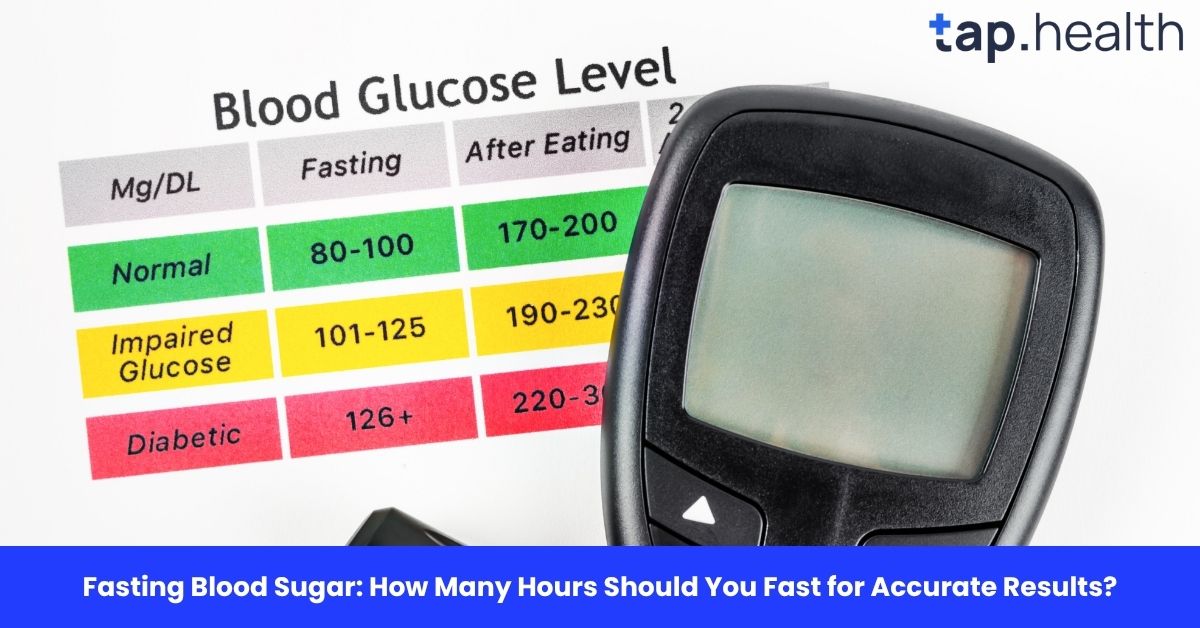
A6: A normal fasting blood sugar level is typically between 70–99 mg/dL. Levels above 100 mg/dL may indicate prediabetes, and levels above 126 mg/dL could suggest diabetes.

Q7: Can I eat a small meal before a fasting blood sugar test?

A7: No, you should not eat any food before the test. Even a small meal can interfere with your blood sugar levels and affect the accuracy of the test.

Q8: Is fasting blood sugar the only test used to diagnose diabetes?

A8: No, fasting blood sugar is one of several tests used to diagnose diabetes. Doctors may also use the Oral Glucose Tolerance Test or Hemoglobin A1c test for a more accurate diagnosis.

Tags
diabetes prevention foot health diabetes and sleep fasting blood sugar diabetes misconceptions diabetes medicine safety diabetic neuropathy symptoms diabetic foot ulcer warning signs can diabetics eat mango diabetes itching urinary infection diabetes diabetes slow wound healing metformin side effects diabetes numbness in hands banana for diabetes dates blood sugar jaggery for diabetes is poha good for diabetes guava blood sugar India diabetes diabetes after pregnancy type 1 and type 2 diabetes difference lipid profile diabetes A1C gestational diabetes poor sleep blood sugar HbA1c diabetes symptoms in women diabetes medicines diabetes nerve damage diabetes and blood pressure mango and diabetes dark patches diabetes diabetes stomach problems diabetes wounds metformin safety diabetes tingling hands banana blood sugar papaya for diabetes is jaggery good for diabetes poha blood sugar orange for diabetes sugar spike after rice gestational diabetes India difference between type 1 and type 2 diabetes diabetes vs neuropathy Medicine blood sugar pregnancy diabetes sleep and diabetes diabetes in India women diabetes signs diabetes treatment advice tingling feet diabetes high blood pressure diabetes mango sugar diabetes walking after meals for diabetes diabetic gastroparesis diabetic wound care diabetes ketoacidosis warning signs diabetic neuropathy hands coconut water and diabetes is papaya good for diabetes gur for diabetes sprouts for diabetes can diabetics eat oranges Indian diet diabetes continuous glucose monitor India diabetes vs diabetes insipidus diabetes vs heart disease Health fasting glucose blood sugar pregnancy diabetes and stress diabetes risk factors India diabetes risk women Indian diabetic diet chart diabetes eye disease diabetes heart kidney risk diabetes reversal vs remission post meal walk diabetes diabetes bloating nausea diabetes yeast infection DKA symptoms fasting with diabetes coconut water for diabetes papaya blood sugar watermelon for diabetes are sprouts good for diabetes orange blood sugar glucose spike symptoms CGM cost India diabetes mellitus vs diabetes insipidus diabetes heart disease risk Lifestyle A1C test low blood sugar stress blood sugar diabetes prevention India diabetes symptoms in men diabetic meal plan diabetic eye test borderline HbA1c diabetes remission walking lowers blood sugar diabetes sick day rules diabetes fungal infection ketones diabetes diabetes fasting safety can diabetics drink coconut water oats for diabetes can diabetics eat watermelon sprouts blood sugar brown bread for diabetes post meal blood sugar time in range diabetes insipidus symptoms diabetes and heart attack Home remedies diabetes diet hypoglycemia cortisol diabetes best fruits for diabetes men diabetes signs HbA1c test high protein breakfast for diabetes HbA1c 5.7 to 6.4 reverse type 2 diabetes diabetes grocery list India diabetes during illness diabetes vaginal itching diabetes blurry vision can diabetics fast curd for diabetes oatmeal diabetes watermelon blood sugar methi seeds for diabetes bread for diabetes diabetes blood pressure glucometer accuracy diabetes vs metabolic syndrome gestational diabetes vs type 2 diabetes Fitness balanced meals diabetes safety diabetes eye care diabetes fruits diabetes risk men HbA1c normal range diabetes breakfast India prediabetes HbA1c diabetes plate method diabetic food list India blood sugar fever infection diabetes night sweats high blood sugar blurry vision insulin injection sites is curd good for diabetes are oats good for diabetes apple for diabetes fenugreek for diabetes whole wheat bread diabetes diabetes heart risk diabetes technology metabolic syndrome and diabetes pregnancy diabetes and type 2 diabetes Prevention healthy eating diabetes heart health diabetic retinopathy fruit and blood sugar type 1 diabetes how to lower HbA1c diabetic breakfast ideas post-meal blood sugar Indian diabetes plate foods for diabetes shopping diabetes and alcohol low blood sugar at night diabetes excessive thirst insulin site rotation diabetes curd milk for diabetes can diabetics eat apple methi diabetes avocado for diabetes ABC diabetes CGM vs glucometer India metabolic syndrome symptoms gestational diabetes future risk Hygiene why diabetes is considered as a lifestyle disease blood pressure diabetes eye test rice and diabetes type 1 diabetes symptoms fasting sugar normal range PCOS and diabetes blood sugar after food diabetes portion control diabetes kidney tests alcohol blood sugar diabetes diabetes sweating at night diabetes dry mouth insulin lumps tea and coffee in diabetes can diabetics drink milk apple blood sugar cinnamon for diabetes is avocado good for diabetes kidney risk diabetes diabetes reversal myths diabetes vs thyroid diabetes vs anaemia Ailments lifestyle diabetes cholesterol diabetes kidney care can diabetics eat rice insulin diabetes high fasting blood sugar PCOS insulin resistance postprandial glucose low glycaemic index foods for diabetes urine albumin diabetes can diabetics drink alcohol diabetes headache frequent urination diabetes diabetes weight gain coffee diabetes best milk for diabetes eggs for diabetes cinnamon blood sugar avocado blood sugar blurred vision diabetes HbA1c remission diabetes and thyroid disease diabetes fatigue or anaemia Hindi type 2 diabetes lifestyle disease living with diabetes diabetic kidney disease diabetes diet India prediabetes diet reverse prediabetes naturally PCOS diabetes risk dawn phenomenon diabetes low GI foods India eGFR diabetes diabetes and dizziness high blood sugar headache diabetes fatigue diabetes and weight gain tea diabetes peanuts for diabetes are eggs good for diabetes dalchini for diabetes travelling with diabetes fundus exam diabetes remission vs reversal thyroid blood sugar anaemia diabetes symptoms skin diseases exercise and diabetes diabetes habits kidney tests diabetes morning blood sugar prediabetes food prediabetes reversal gestational diabetes diet Indian morning sugar high diabetes low GI diet diabetes and dental problems dizziness diabetes low blood sugar headache diabetes tiredness insulin weight gain roti for diabetes are peanuts good for diabetes egg diabetes amla for diabetes diabetes travel checklist eye care diabetes vildagliptin diabetes vs PCOS acne vulgaris symptoms blood sugar control diabetes management high blood sugar symptoms fasting sugar high lower diabetes risk how to prevent type 2 diabetes pregnancy diabetes diet high fasting sugar in morning diabetes and fatty liver diabetes gum disease low sugar dizziness blood sugar monitoring at home high blood sugar tiredness diabetes swollen feet best roti for diabetes peanuts blood sugar paneer for diabetes amla juice diabetes insulin travel storage diabetic retinopathy symptoms vildagliptin benefits in type 2 diabetes patients diabetes vs hypertension AI Search physical activity insulin resistance hyperglycemia symptoms dawn phenomenon diabetes and weight loss insulin resistance diet gestational diabetes meal plan diabetes and cholesterol fatty liver diabetes dry mouth diabetes diabetes leg pain when to check blood sugar diabetes constipation swollen feet diabetes chapati diabetes sweet potato for diabetes is paneer good for diabetes amla blood sugar diabetes hot weather GDM screening DPP-4 inhibitor diabetes and hypertension type 2 diabetes diabetes foot care insulin sensitivity diabetes warning signs diabetes myths weight loss diabetes Indian foods for insulin resistance diabetic foot ulcer diabetes lipid profile insulin resistance fatty liver diabetes urine infection diabetic leg cramps blood glucose monitoring diabetes and constipation diabetes foot swelling can diabetics eat dates can diabetics eat sweet potato paneer diabetes guava for diabetes diabetes dehydration pregnancy blood sugar targets diabetes medicine India blood sugar vs blood pressure prediabetes diabetic foot type 2 diabetes risk normal blood sugar levels diabetes facts insulin resistance weight loss improve insulin sensitivity diabetes foot wound cholesterol in diabetes diabetes skin problems frequent UTI diabetes diabetes nerve pain legs metformin for diabetes constipation diabetes can diabetics eat banana dates for diabetes sweet potato blood sugar poha for diabetes can diabetics eat guava heat and blood sugar postpartum diabetes risk type 1 vs type 2 diabetes diabetes vs high cholesterol
More blogs
Yasaswini Vajupeyajula
• June 18, 2026
• 7 min read

Is Castor Oil Good for Eczema? A Complete Guide

Eczema is a skin condition that causes red, itchy, and inflamed patches on the skin. It’s a condition that affects many people, especially in areas like the elbows, knees, and hands. If you’re looking for ways to soothe and treat eczema, you may have come across castor oil as a natural remedy. But is castor […]

Product
Fasting Blood Sugar: How Many Hours Should You Fast for Accurate Results?
Yasaswini Vajupeyajula
• June 18, 2026
• 7 min read

Bread Battle: Whole Wheat vs. Multigrain vs. Brown Bread Glycemic Index

It is the most confusing aisle in the Indian supermarket. You stand there, staring at rows and rows of loaves. There is “Farm Fresh Brown Bread.” There is “100% Whole Wheat Atta Bread.” There is “7-Grain Multigrain Bread.” And then there are the “Sandwich Breads,” “Milk Breads,” and “Hi-Fiber Breads.” They all look healthy. They […]

Product
Fasting Blood Sugar: How Many Hours Should You Fast for Accurate Results?
Kritika Singh
Kritika Singh
• June 18, 2026
• 19 min read

Diabetes vs Diabetes Insipidus: Difference in Symptoms, Causes, Urination, Thirst, and Tests

A simple guide to diabetes vs diabetes insipidus, explaining why the names sound similar but the causes, tests, and treatments are different.

Diabetes
Fasting Blood Sugar: How Many Hours Should You Fast for Accurate Results?
Do you remember your last sugar reading?
Log and Track your glucose on the Tap Health App
All logs in one place
Smart trend graphs
Medicine Reminder
100% Ad Free
Download Now

Missed your diabetes meds

again? Not anymore.

Get medicine reminders on your phone.

✓ Glucose diary and Insights
✓ Smart Nudges
✓ All logs at one place
✓ 100% Ad free
Download Free
tap health
tap.health logo
copyright © 2025
2nd Floor,Plot No 4, Minarch Tower,
Sector 44,Gurugram, 122003,
Haryana, India
  • About Us
  • Blog
  • Doctor login
  • Contact Us
  • Privacy Policy
  • Return / Shipping Policy
  • Terms and Conditions
Get Your Free AI Diabetes Coach