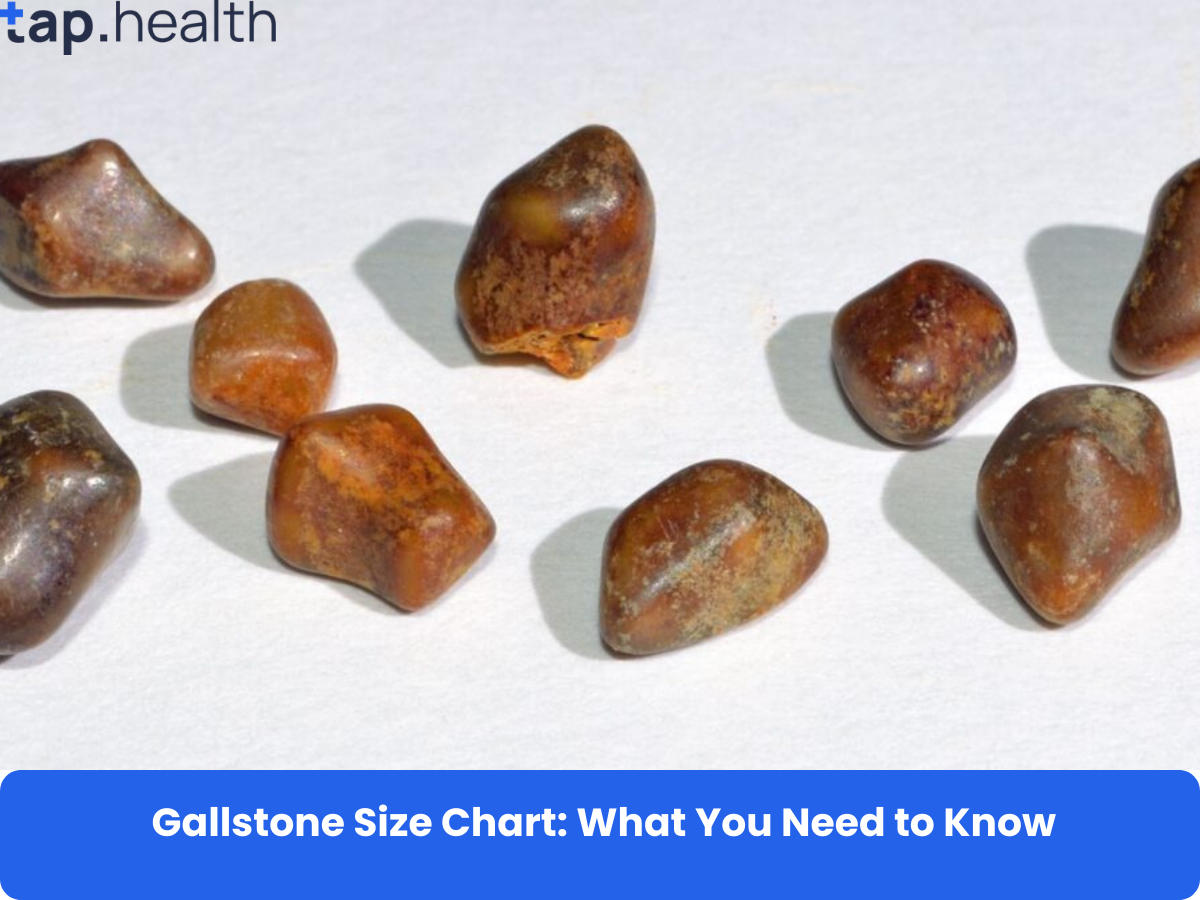
Gallstones are hardened deposits of bile that form in the gallbladder, a small organ located beneath the liver. While they may not cause any symptoms in some individuals, gallstones can lead to serious health complications if they block bile ducts or cause inflammation in the gallbladder. One important factor that can influence the severity of gallstone-related issues is their size. In this guide, we’ll explore everything you need to know about gallstone size, how it’s measured, and what it means for your health.
What Are Gallstones?
Before we dive into the specifics of gallstone size, it’s important to understand what gallstones are and how they form. Gallstones are typically made of cholesterol or bilirubin (a substance produced when red blood cells break down), and they can range in size from a grain of sand to a golf ball. The exact cause of gallstones is not always clear, but several risk factors can increase their likelihood, including obesity, pregnancy, diabetes, and a high-fat diet.
Gallstones can form when the bile in the gallbladder contains too much cholesterol or bilirubin, causing the bile to become imbalanced. The stones that form in the gallbladder can either be small and pass through the bile ducts without causing any issues, or they can be large and cause significant problems, such as cholecystitis (inflammation of the gallbladder), pain, or even infection.
Why Gallstone Size Matters
Gallstone size is important because it can affect whether the stones cause symptoms and the type of treatment required. Smaller stones may pass through the bile ducts on their own, while larger stones are more likely to become lodged in the ducts and cause problems. Gallstone size also plays a role in determining whether surgery (such as gallbladder removal) is necessary.
What Are the Different Gallstone Sizes?
Gallstones are categorized by their size. The size of a gallstone can be measured in millimeters (mm) or centimeters (cm). Understanding the size of your gallstones can help you and your doctor decide on the most appropriate course of action.
Here’s a breakdown of typical gallstone sizes and their potential impact:
- Small Gallstones (1-4 mm): These stones are typically referred to as “microscopic” or “tiny” stones. They may not cause symptoms but can still lead to bile duct blockages. Smaller stones can sometimes pass on their own, but if they get stuck in the duct, they can cause pain and other issues.
- Medium Gallstones (5-10 mm): Stones in this size range are more likely to cause symptoms. If they become lodged in the bile ducts, they can cause intense pain (known as biliary colic) or even lead to conditions like cholecystitis or pancreatitis.
- Large Gallstones (11-20 mm): Larger stones are much more likely to cause severe symptoms, including pain, nausea, and vomiting. They may also obstruct bile flow, leading to jaundice or pancreatitis. Large stones may require surgical intervention if they don’t pass naturally.
- Very Large Gallstones (Over 20 mm): These stones are the most problematic and require medical attention. They may cause long-term issues and are more likely to lead to complications such as infection, bile duct blockage, or gallbladder rupture. Surgery to remove the gallbladder is often the recommended treatment in these cases.
Gallstone Size Chart
To help visualize the impact of gallstone size, here’s a handy chart that breaks down different stone sizes and their potential risks:
| Gallstone Size | Description | Potential Risk/Impact |
|---|---|---|
| 1-4 mm | Small, “microscopic” stones | May not cause symptoms, but can block ducts |
| 5-10 mm | Medium-sized stones | Likely to cause symptoms, possible blockage |
| 11-20 mm | Large stones | Can cause significant pain, bile duct blockage |
| Over 20 mm | Very large stones | Likely to cause severe complications, may need surgery |
How Gallstone Size Affects Treatment
The treatment approach for gallstones depends largely on their size and whether they’re causing symptoms. Here’s a closer look at how treatment may differ based on gallstone size.
1. Small Gallstones (1-4 mm)
For many people with small gallstones, there may be no need for immediate intervention. These tiny stones often don’t cause symptoms and may pass through the bile ducts without issue. However, if they block the ducts, they can lead to painful episodes, such as biliary colic. In such cases, doctors may recommend medications or procedures like extracorporeal shock wave lithotripsy (ESWL) to break up the stones.
2. Medium Gallstones (5-10 mm)
Medium-sized gallstones are more likely to cause symptoms such as pain, nausea, and vomiting. If these stones become lodged in the bile ducts, they can cause blockages, leading to conditions like cholecystitis (gallbladder inflammation). Treatment options for medium-sized stones may include:
- Non-surgical treatments: In some cases, medications such as ursodeoxycholic acid may be used to dissolve smaller stones.
- Surgery: If the stones persist or cause recurring symptoms, gallbladder removal (cholecystectomy) is often the recommended treatment.
3. Large Gallstones (11-20 mm)
When gallstones are large, they’re more likely to block bile ducts and cause severe symptoms. In some cases, these stones may require surgical intervention if they don’t pass on their own. The treatment options for larger stones include:
- Laparoscopic cholecystectomy: A minimally invasive surgery to remove the gallbladder.
- Endoscopic retrograde cholangiopancreatography (ERCP): A procedure used to remove stones from the bile duct before gallbladder surgery.
4. Very Large Gallstones (Over 20 mm)
Very large gallstones are the most problematic and can lead to significant complications, such as pancreatitis or jaundice. In most cases, surgery will be necessary to remove the gallbladder. For extremely large stones, a more extensive surgical procedure may be needed. Doctors may recommend:
- Gallbladder removal (cholecystectomy): This is the most common and effective treatment.
- Stone fragmentation: In some cases, doctors may use shock waves or other methods to break up large stones before removal.
Can Gallstone Size Predict Complications?
While larger gallstones are more likely to cause complications, the size of the gallstone is not always an indicator of how severe the problem may be. For instance, small stones can still lead to blockages or inflammation if they get stuck in the ducts, while some large stones may not cause any symptoms. Other factors, such as the location of the stones and any underlying medical conditions, can also play a role in the severity of complications.
How Can You Prevent Gallstones?
Preventing gallstones is not always possible, but there are lifestyle changes that can reduce your risk:
- Maintain a healthy weight: Being overweight increases the risk of developing gallstones. Try to maintain a balanced diet and exercise regularly.
- Avoid rapid weight loss: Losing weight too quickly can trigger gallstone formation.
- Eat a balanced diet: A diet rich in fiber, healthy fats, and low in refined sugars can help reduce gallstone risk.
- Drink plenty of water: Staying hydrated helps keep bile flowing smoothly and prevents the formation of stones.
Does Size Really Matter? (The Big Paradox)
Here is something that surprises most patients: Bigger is not always more dangerous.
Actually, the smallest stones can sometimes cause the biggest trouble.
1. The Danger of “Small” Stones (< 5 mm)
Think of your gallbladder as a water balloon with a small pipe (the bile duct) attached to it.
- The Risk: Tiny stones are like gravel. They can easily slip out of the gallbladder and get stuck in that narrow pipe.
- The Result: If a stone blocks the pipe, it can cause Pancreatitis (swelling of the pancreas). This is a medical emergency and very painful.
2. The Danger of “Large” Stones (> 2 cm)
Large stones are too fat to fit into the pipe. They usually stay inside the gallbladder.
- The Risk: They rub against the wall of the gallbladder, causing swelling, infection, and over many years, they slightly increase the risk of gallbladder cancer (though this is rare).
Real-Life Scenario
A 42-year-old woman experiences sudden abdominal pain after eating fatty foods. An ultrasound shows she has several small gallstones measuring 4 mm each. Although they’re small, her doctor explains that they can still cause painful gallbladder attacks and recommends dietary changes along with monitoring.
In another case, a man has a 20 mm gallstone but no symptoms. His doctor advises watchful waiting unless complications develop.
Expert Contribution
Gastroenterologists highlight that gallstone size is important in predicting risks. Research shows:
- Small stones may increase the risk of bile duct blockage (choledocholithiasis).
- Large stones are linked to chronic inflammation, which can damage the gallbladder wall.
Experts agree that treatment decisions are not based only on size but also on symptoms, number of stones, and overall patient health.
Recommendations Grounded in Proven Research and Facts
- Don’t ignore symptoms: Persistent abdominal pain, nausea, or vomiting after meals may suggest gallstone complications, regardless of size.
- Regular monitoring: Ultrasound is the best way to check gallstone size and position.
- Lifestyle changes: A low-fat diet, weight management, and staying active may reduce gallbladder stress.
- Medical advice is key: Always consult a doctor for proper evaluation and treatment options like medications, non-surgical therapies, or surgery.
- Size matters, but not alone: Both small and large gallstones can cause issues—professional guidance is essential.
FAQ on Gallstone Size Chart: What You Need to Know
1. What is the normal size of a gallstone?
Gallstones can vary in size, but typical gallstones range from 1 millimeter to 2 centimeters in diameter. Gallstones larger than 2 centimeters may require medical intervention.
2. Can small gallstones cause pain?
Yes, even small gallstones can cause pain if they block the bile ducts, leading to conditions like biliary colic or cholecystitis.
3. How do doctors treat gallstones?
Treatment for gallstones may involve medication to dissolve the stones, nonsurgical procedures to remove the stones, or surgery to remove the gallbladder (cholecystectomy).
4. Can gallstones go away on their own?
Some small gallstones may pass through the bile ducts on their own without causing symptoms. However, if the stones cause pain or block the bile ducts, medical treatment is required.
5. How long can you live with gallstones?
Some people live with gallstones for years without experiencing symptoms. However, if the stones begin to cause pain or complications, it’s important to seek treatment to prevent further issues.
Conclusion
Gallstone size plays a crucial role in determining how the condition will affect your health and the treatment options available. By understanding the size of your gallstones, you can work with your doctor to make informed decisions about how to manage them and prevent complications. If you experience symptoms like severe abdominal pain, nausea, or vomiting, it’s important to seek medical attention to determine whether gallstones are the cause.
References: