Imagine this: You have just mastered the art of carb counting for your insulin shots. You know exactly how much insulin to take for a slice of toast or a bowl of upma. But lately, you feel bloated, tired, and your blood sugar is swinging wildly for no apparent reason. You start hearing about “gluten-free” diets and wonder if that innocent-looking wheat roti is actually the villain.
If you or your child lives with Type 1 Diabetes, this is a very real and common concern. Unlike the general population, where going gluten-free is often a lifestyle choice, for people with Type 1 Diabetes, the relationship with gluten is medical, genetic, and deeply complex.
You might be asking: “Does gluten mess up my blood sugar?” “Am I at risk for Celiac disease?” “Should I stop eating wheat just to be safe?”
We will unravel the tangled web between gluten and diabetes type 1. We will move beyond the trends and look at the hard science, explaining why these two conditions often come as a “package deal” and what you should actually put on your plate.
What Is Type 1 Diabetes?
To understand the link, we must first look at the condition itself. Type 1 Diabetes is an autoimmune disease. This means your body’s immune system—which is supposed to fight viruses and bacteria—gets confused. It attacks and destroys the beta cells in your pancreas that produce insulin.
- The Result: Your pancreas stops making insulin.
- The Management: You must take external insulin (shots or pump) to survive and manage blood sugar.
- The Key Factor: It is not caused by diet or lifestyle. It is genetic and autoimmune.
What Is Gluten?
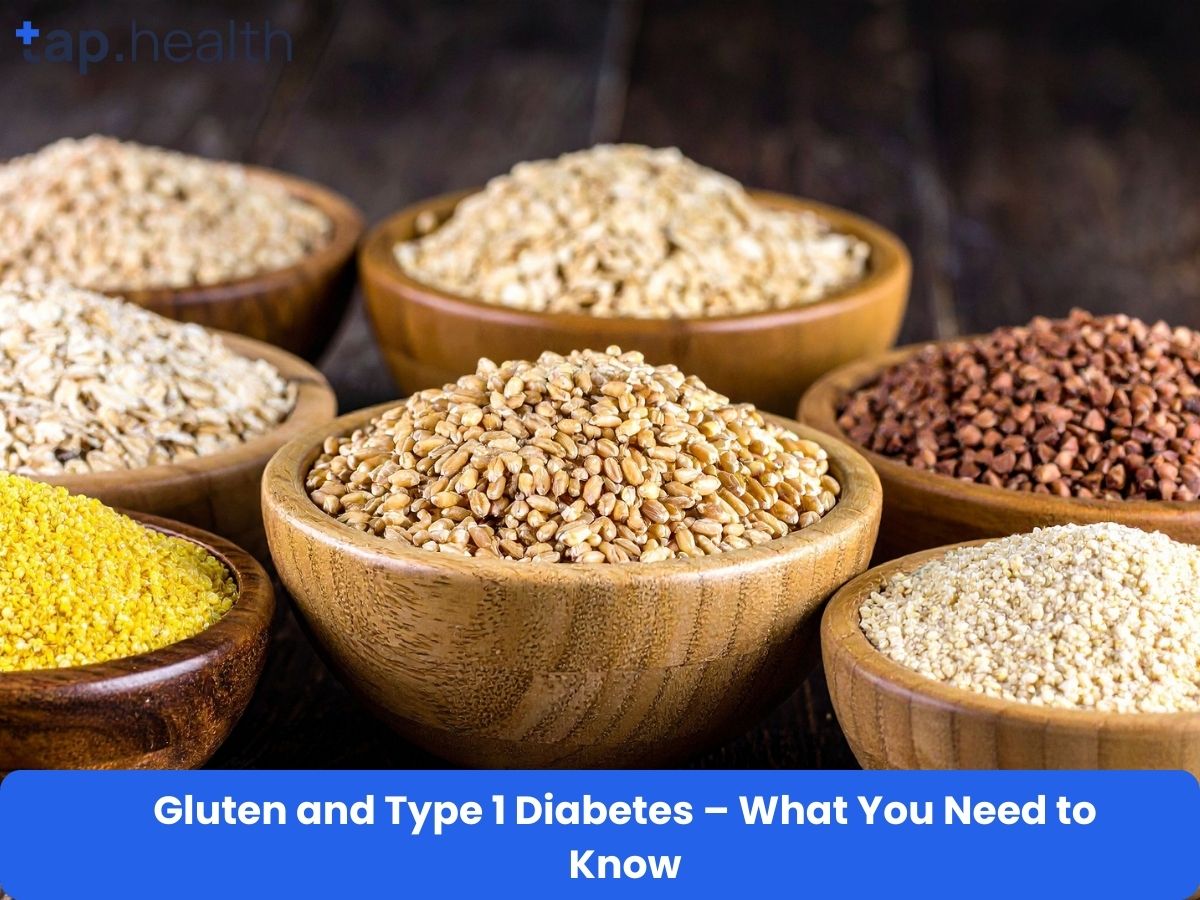
Gluten is a family of proteins found in certain grains. Think of it as the “glue” that holds food together.
- Where is it found? Wheat (gehu), Barley (jau), and Rye.
- What does it do? It gives dough its elasticity. It’s what makes bread chewy and soft.
For most people, gluten is harmless. It gets digested just like any other protein. But for people with autoimmune tendencies, this protein can trigger a war inside the body.
Short Answer – Is Gluten Safe for People with Type 1 Diabetes?
It depends.
For many people with Type 1 Diabetes, gluten is perfectly safe. If you do not have Celiac disease or gluten sensitivity, eating whole wheat roti or bread is a healthy source of energy and fiber.
However, there is a big “but.” People with Type 1 Diabetes are significantly more likely to develop Celiac Disease (severe gluten intolerance) than the general population. If you have both conditions, gluten is dangerous. It damages your gut, prevents nutrient absorption, and causes chaotic blood sugar swings.
How Gluten Affects Blood Sugar Levels in Type 1 Diabetes
This is where things get tricky. Gluten itself is a protein, and proteins do not spike blood sugar. So, why do people blame gluten for high sugar?
- The Carbohydrate Companion: Gluten is almost always wrapped in starch (carbohydrates). Wheat is mostly starch. When you eat a sandwich, the spike comes from the starch turning into glucose, not the gluten protein.
- Gut Inflammation: If you are sensitive to gluten, eating it causes inflammation in your gut. Inflammation is a form of stress on the body. Stress hormones (like cortisol) can cause insulin resistance, making your blood sugar unexpectedly high.
- Malabsorption: If you have undiagnosed Celiac disease, your gut is damaged. You might eat food, but your body doesn’t absorb the carbs properly. This leads to confusing “lows” (hypoglycemia) because the insulin works, but the food hasn’t arrived in the blood.
Why People with Type 1 Diabetes Are at Higher Risk of Celiac Disease
This is the most critical connection.
- General Population Risk: About 1% of people have Celiac Disease.
- Type 1 Diabetes Risk: About 6% to 10% of people with Type 1 Diabetes also have Celiac Disease.
That is a huge difference. If you have Type 1 Diabetes, you are 6 to 10 times more likely to have Celiac disease compared to your non-diabetic neighbour.
Gluten, Autoimmunity, and Type 1 Diabetes
Why do these two conditions hold hands so often? The answer lies in your genes.
Shared Autoimmune Pathways
Both Type 1 Diabetes and Celiac Disease are autoimmune disorders.
- In Type 1 Diabetes, the immune system attacks the Pancreas.
- In Celiac Disease, the immune system attacks the Small Intestine lining when gluten is present. Once your immune system starts attacking one part of the body, it is unfortunately more “trigger-happy” to attack other parts too. This includes the thyroid (Hashimoto’s) and the gut (Celiac).
Genetic Risk Factors
They share the same genetic playground. Specifically, genes in the HLA-DQ region (like HLA-DQ2 and HLA-DQ8) are strongly linked to both diseases. If you carry these genes, you are susceptible to both.
Symptoms That May Suggest Gluten Sensitivity in Type 1 Diabetes
How do you know if gluten is the problem? Sometimes, Celiac disease is “silent” (no symptoms), but often, your body gives clues:
- Unexplained Hypoglycemia: Frequent low blood sugars because your gut isn’t absorbing food properly.
- Erratic Blood Sugars: Highs and lows that don’t match your carb counting.
- Digestive Issues: Bloating, gas, diarrhea, or chronic constipation.
- Fatigue: Feeling constantly tired or foggy.
- Anemia: Low iron levels that don’t improve with supplements (because the gut can’t absorb the iron).
Should People with Type 1 Diabetes Avoid Gluten?
This is a personal medical decision, not a trend.
When a Gluten-Free Diet Is Necessary
If you test positive for Celiac Disease, a strict gluten-free diet is mandatory. It is the only treatment. Even a crumb of wheat can damage your intestine, leading to long-term complications like osteoporosis or nerve damage.
When Gluten Can Be Included Safely
If you have tested negative for Celiac disease and have no symptoms, there is usually no medical reason to avoid gluten. Whole grains containing gluten (like whole wheat, barley, and rye) are excellent sources of vitamins, minerals, and fiber. Eliminating them unnecessarily can make your diet harder to manage and often lower in essential nutrients.
Gluten-Containing Foods in a Type 1 Diabetes Diet
If you are eating gluten, choose high-quality sources that are easier on your blood sugar.
- Whole Wheat (Atta): Used for rotis and parathas. High in fiber.
- Broken Wheat (Dalia): Excellent for breakfast; releases energy slowly.
- Barley (Jau): Contains beta-glucan, which helps lower cholesterol and steady blood sugar.
- Semolina (Suji/Rava): Moderate glycemic index, often used in upma.
Caution: Avoid refined gluten foods like Maida (white flour), white bread, and pastries. These cause rapid sugar spikes because they lack fiber.
Gluten-Free Foods Suitable for Type 1 Diabetes
If you need to go gluten-free, stick to naturally healthy grains. Don’t just swap wheat for processed gluten-free junk.
- Millets (The Superfoods): Jowar (Sorghum), Bajra (Pearl Millet), and Ragi (Finger Millet) are naturally gluten-free and have a low glycemic index.
- Quinoa: High protein and fiber.
- Brown Rice: Better than white rice.
- Buckwheat (Kuttu): Often used during fasting, it is excellent for blood sugar.
- Pulses & Legumes: Lentils, chickpeas, and kidney beans are gluten-free powerhouses.
How a Gluten-Free Diet Affects Insulin Dosing
Going gluten-free changes how you dose insulin. Be careful.
- Faster Absorption: Many commercial gluten-free products use rice flour, potato starch, or corn starch. These have a High Glycemic Index. They digest faster than whole wheat, causing a quicker blood sugar spike. You may need to give your insulin slightly earlier (pre-bolus).
- Carb Density: Gluten-free breads are often denser. A small slice might have more carbs than a regular slice of wheat bread. Always read the label.
- Lower Fiber: Unless you use millets, gluten-free diets can be low in fiber. Fiber slows down sugar absorption. Less fiber means faster spikes.
Common Myths About Gluten and Type 1 Diabetes
Let’s clear up the confusion.
- Myth: “Gluten causes Type 1 Diabetes.”
- Fact: False. While they are genetically linked, eating bread did not cause your diabetes.
- Myth: “A gluten-free diet cures Type 1 Diabetes.”
- Fact: False. Type 1 is permanent. Diet helps manage it, but it cannot restore insulin production.
- Myth: “Gluten-free food is always healthier.”
- Fact: False. Many gluten-free packaged snacks are loaded with extra sugar and fat to make them taste good.
Tips for Managing Gluten Intake with Type 1 Diabetes
- Read Labels: Look for “hidden gluten” in soy sauce, soups, and salad dressings.
- Focus on Whole Foods: Fruits, vegetables, dairy, eggs, and meat are naturally gluten-free. Build your meals around these.
- Separate Kitchens (If Celiac): If one family member has Celiac, prevent cross-contamination. Use a separate toaster and separate butter knives.
- Monitor Trends: If you switch to gluten-free, check your blood sugar 2 hours after meals to see how the new grains affect you.
Real-Life Scenario
Meet Priya (14, Student from Mumbai): Priya has had Type 1 Diabetes since she was 8. Recently, her HbA1c started climbing, and she complained of stomach aches after lunch. Her parents thought she was stressed about exams.
The Doctor’s Insight: Her endocrinologist noticed she was slightly anemic (low iron) despite a good diet. He ordered a Tissue Transglutaminase (tTG-IgA) test.
The Result: Priya tested positive for Celiac Disease. The stomach aches were from the wheat roti in her tiffin.
The Change: They switched her lunch to Jowar Bhakri (Sorghum flatbread) and vegetable pulao.
- Outcome: Within 3 months, her stomach pain vanished, her iron levels improved, and her blood sugar stabilised because her gut was finally healing and absorbing nutrients predictably.
Read this: Gluten-Free Diabetic Food List
Expert Contribution
We consulted Dr. R. Mehta, Pediatric Endocrinologist:
“I now screen all my Type 1 Diabetes patients for Celiac disease within 2 years of diagnosis, even if they have no symptoms. The link is too strong to ignore.
To parents, I say: Don’t fear gluten unnecessarily. If the test is negative, let the child enjoy their birthday cake. But if the test is positive, take it seriously. A gluten-free diet is the only medicine for Celiac, and it protects your child’s future growth and bone health.”
Recommendations Grounded in Proven Research and Facts
According to the American Diabetes Association (ADA) and Celiac Disease Foundation:
- Screening Guidelines: Children and adults with Type 1 Diabetes should be screened for Celiac disease soon after diagnosis and then periodically (every 2-5 years) if symptoms arise.
- The “Silent” Threat: Up to 60% of Type 1 Diabetics with Celiac disease have no digestive symptoms (Asymptomatic Celiac). This is why blood tests are essential, not just symptom watching.
- Bone Health: Both conditions increase the risk of osteoporosis (weak bones). Managing gluten properly ensures calcium absorption, protecting bone density.
Conclusion: Key Takeaways
So, what is the verdict on Gluten and Type 1 Diabetes?
- The Link is Real: You are 6-10 times more likely to have Celiac disease if you have Type 1 Diabetes.
- Get Tested: Don’t guess. Ask your doctor for a Celiac screening blood test.
- Gluten isn’t the Enemy (Unless it is): If you don’t have Celiac, whole wheat is a healthy part of your diet.
- Watch the Substitute: If you go gluten-free, be careful with rice-based products that spike blood sugar fast.
- Gut Health Matters: A healthy gut ensures predictable blood sugar.
Your diabetes management is a puzzle. Gluten might be a missing piece, or it might be irrelevant. The only way to know is to test, monitor, and eat what makes your body feel its best.
Frequently Asked Questions (FAQs) on Gluten and Type 1 Diabetes
Can gluten cause Type 1 Diabetes?
No. Eating gluten does not cause Type 1 Diabetes. However, some research suggests that in children with a high genetic risk, early introduction of gluten might be an environmental trigger, but this is not definitive. Once you have Type 1, removing gluten won’t cure it.
Should all Type 1 Diabetics go gluten-free?
No. Only those who test positive for Celiac Disease or Non-Celiac Gluten Sensitivity need to avoid gluten. For others, a restrictive diet adds unnecessary stress and cost without proven medical benefit.
How often should a Type 1 Diabetic be tested for Celiac Disease?
Most guidelines recommend screening at the time of Type 1 diagnosis. If negative, re-screening is suggested every 2 to 5 years, or immediately if symptoms like bloating, unexplained low blood sugars, or poor growth appear.
Does a gluten-free diet lower blood sugar?
Not automatically. In fact, many processed gluten-free foods (like white rice pasta or cornstarch bread) have a higher glycemic index than wheat, causing higher blood sugar spikes. However, a gluten-free diet based on whole foods like vegetables and proteins can help stabilise sugar.
What are the symptoms of gluten intolerance in diabetics?
Symptoms can include chronic diarrhea, bloating, gas, extreme fatigue, unexplained weight loss, and unexplained hypoglycemia (low blood sugar) or widely fluctuating sugar levels that don’t match insulin doses.
Can I eat oats if I have Type 1 Diabetes and Celiac Disease?
Yes, but with caution. Oats are naturally gluten-free, but they are often processed in factories that handle wheat, leading to cross-contamination. You must buy oats labeled “Certified Gluten-Free.” They are an excellent source of fiber for blood sugar control.
References
- American Diabetes Association: Gluten and Diabetes
- Celiac Disease Foundation: Diabetes and Celiac Disease Connection
- Beyond Type 1: The Link Between T1D and Celiac Disease
- National Institutes of Health (NIH): Co-occurrence of Celiac Disease and Type 1 Diabetes
Disclaimer: This article is for informational purposes only and does not constitute medical advice. If you suspect you have Celiac disease or gluten sensitivity, please consult your endocrinologist or a gastroenterologist for proper testing.