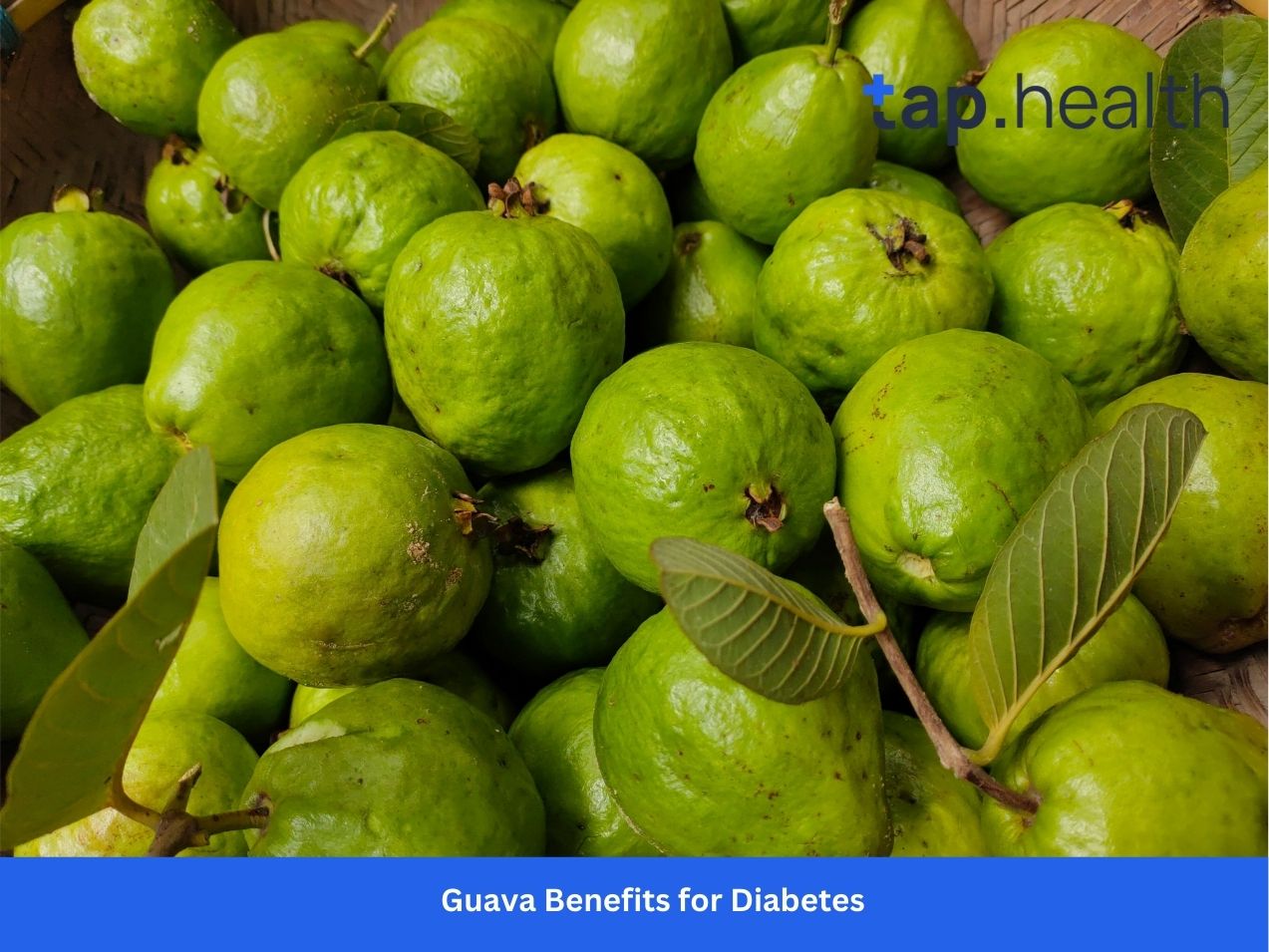
Picture this: It is a crisp winter afternoon in North India. You are walking down the street, and you spot a vendor with a cart piled high with fresh, green Amroods (Guavas). He slices one open—revealing the creamy white or vibrant pink flesh—sprinkles it with a pinch of tangy chaat masala and black salt, and hands it to a customer. The smell is intoxicating.
But if you are one of the millions of Indians living with diabetes, you probably just walk past.
You have been told to fear fruit. You have been told that “sweet” equals “danger.” You constantly worry: “Will this spike my glucose?” “Is it too much sugar?” “Should I stick to just cucumber?”
It is time to change that narrative.
When it comes to guava benefits for diabetes, the science is overwhelmingly positive. This humble, affordable fruit is not just “safe” for diabetics; it is a nutritional powerhouse that can actively help you manage your condition. Unlike mangoes or grapes that can send your glucometer reading sky-high, guava works differently. It is nature’s own blood sugar stabiliser.
In this extensive, we are going to explore every single aspect of this tropical superfood. We will look at the science behind its low Glycaemic Index, the secret power of its leaves, how it compares to other fruits, and exactly how you should eat it to get the maximum benefit without the spike.
Written in simple Indian English, this guide is designed to be your ultimate handbook. Whether you have Type 2 Diabetes, Pre-diabetes, or are managing Gestational Diabetes, read on to find out why the Amrood deserves a place of honour in your fruit bowl.
Nutritional Profile of Guava
To understand why guava is so good for you, we first need to look under the hood. What is actually inside this fruit?
Guava (Psidium guajava) is often called the “poor man’s apple” in India because it is cheap and available everywhere. But nutritionally, it is actually superior to many expensive imported fruits like kiwis or berries.
Here is the nutritional breakdown for one medium-sized guava (approximately 55–100 grams):
- Calories: ~38 to 50 kcal (Extremely low density).
- Carbohydrates: ~10 to 14 grams.
- Dietary Fibre: ~5.4 grams (This is the star player).
- Sugar: ~5 to 9 grams (Natural fructose).
- Protein: ~2.5 grams ( surprisingly high for a fruit).
- Fat: ~0.9 grams.
- Vitamin C: ~228 mg (Almost 4 times more than an orange!).
- Potassium: ~417 mg (Great for blood pressure).
- Lycopene: Found especially in pink guavas (Powerful antioxidant).
Why These Numbers Matter for Diabetes
- High Fibre-to-Carb Ratio: Most fruits have high carbs and low fibre. Guava has a massive amount of fibre relative to its carbohydrate content. This is crucial because fibre acts as a “brake” for sugar absorption.
- Vitamin C Overload: Diabetics often have slower healing and weaker immunity. The massive dose of Vitamin C in guava helps repair tissues and fight off infections.
- Magnesium & Potassium: These minerals are vital for insulin function and heart health, both of which are compromised in diabetes.
Glycaemic Index and Glycaemic Load of Guava
If you have diabetes, you likely live your life by the Glycaemic Index (GI). This scale (from 0 to 100) measures how fast a food raises your blood sugar.
- High GI (70+): Foods like white rice, white bread, watermelon. They cause a rapid spike.
- Medium GI (56-69): Foods like pineapple, mango, brown rice. They cause a moderate rise.
- Low GI (0-55): Foods like lentils, leafy greens, and Guava. They cause a slow, steady rise.
The GI of Guava is between 12 and 24. Let that sink in. It is one of the lowest GI scores for any fruit.
But we must also look at the Glycaemic Load (GL), which accounts for the portion size.
- GL = (GI x Carbohydrates per serving) / 100
Because guava has relatively low carbs per fruit, its Glycaemic Load is roughly 1.3 to 5 (depending on size). A GL under 10 is considered excellent.
What this means for you: When you eat a guava, sugar enters your bloodstream at a trickle, not a flood. Your pancreas doesn’t have to panic and pump out massive amounts of insulin instantly. This helps preserve your beta-cell function in the long run.
Short Answer – Is Guava Good for People with Diabetes?
Yes, absolutely.
In fact, if there was a “Diabetes Superfood Hall of Fame,” Guava would be in the top tier. It checks every box for diabetic nutrition:
- Low Calorie: Helps with weight loss (a key part of reversing Type 2 diabetes).
- High Fibre: Regulates sugar absorption and digestion.
- Nutrient Dense: Provides essential vitamins without empty calories.
- Satiating: It keeps you full, stopping you from snacking on unhealthy foods like biscuits or namkeen.
However, “good” comes with a condition: Portion Control. Even healthy foods can spike sugar if eaten in excess. We will cover exactly how much to eat later in this guide.
How Guava Helps Manage Blood Sugar Levels
It’s easy to say “it’s good for you,” but let’s dig deeper. How exactly does a sweet fruit help manage a disease characterized by high blood sugar? The mechanism is fascinating.
High Fibre Content and Slower Glucose Absorption
Guava is rich in Pectin, a type of soluble fibre also found in apples. When you eat soluble fibre, it dissolves in water in your stomach to form a thick, gel-like substance.
- The Barrier Effect: This gel mixes with the rest of your food. It acts like a physical barrier, trapping the sugar molecules.
- The Slow Release: Because the sugar is trapped in this fibre matrix, digestive enzymes take longer to break it down.
- The Result: Instead of glucose rushing into your blood all at once (a spike), it is released slowly over an hour or two. This gives your body’s insulin enough time to handle the load efficiently.
Low to Moderate Natural Sugar
Unlike processed sweets where sugar is “free” and hits your blood instantly, the fructose in guava is bound within the fruit’s cellular structure. Your body has to work (chew and digest) to extract it. This physical effort of digestion further slows down the glycaemic response.
Rich in Antioxidants and Vitamin C
Diabetes is essentially a state of chronic Oxidative Stress. High blood sugar creates “free radicals” that damage your blood vessels, eyes, and kidneys.
- The Antidote: Antioxidants neutralize these free radicals.
- Guava’s Power: Guava is packed with Vitamin C, Lycopene, and Quercetin. Studies suggest that these antioxidants protect the pancreatic beta-cells (the cells that make insulin) from damage, potentially slowing the progression of Type 2 diabetes.
May Support Better Insulin Sensitivity
Some animal studies have indicated that guava extract can improve Insulin Sensitivity. This means it helps your cells “unlock” their doors to let glucose in more easily. When your insulin works better, your pancreas doesn’t have to work as hard, which is the ultimate goal in managing Type 2 diabetes.
Key Benefits of Guava for Diabetics
Beyond just the numbers on your glucometer, guava benefits for diabetes extend to the complications and comorbidities often associated with the disease.
Helps Prevent Blood Sugar Spikes
This is the primary benefit. By choosing guava as a snack instead of crackers or high-sugar fruits, you flatten your glucose curve. A flatter curve means better HbA1c results over 3 months.
Supports Weight Management
Obesity is the biggest driver of insulin resistance.
- The Calorie Deficit: You can eat a whole bowl of sliced guava for the same calories as one digestive biscuit.
- The Chew Factor: Guava is crunchy. It takes time to eat. This signals your brain that you are full, preventing overeating.
- Metabolism: The high fibre content boosts metabolism and digestion, aiding in weight loss.
Improves Digestive Health
Constipation is a very common side effect of diabetes (due to nerve damage called diabetic neuropathy affecting the gut) and diabetes medications (like Metformin).
- The Laxative: The seeds of the guava, combined with the dietary fibre, act as excellent roughage. They help clear the bowel and keep digestion regular.
- Caution: If you have severe gastric issues, chew the seeds well or remove them.
Promotes Heart Health
Diabetics are 2-4 times more likely to develop heart disease.
- Potassium: Guava is rich in potassium, which helps relax blood vessels and lower blood pressure (Hypertension is a common partner of Diabetes).
- Cholesterol: The soluble fibre in guava binds to cholesterol in the gut and removes it from the body, lowering LDL (bad cholesterol) and Triglycerides.
Best Ways to Eat Guava for Diabetes
Now that we know why to eat it, let’s talk about how. The preparation method changes the health value significantly.
- Raw and Whole (Best): Wash the fruit, slice it, and eat it skin and all. The peel contains the highest concentration of antioxidants and Vitamin C. Do not peel it!
- With Nuts (Better): Pair your guava with a handful of walnuts or almonds. The healthy fats and protein in the nuts will further slow down sugar absorption, making the snack almost flat-line your glucose.
- Seasoned: Add black pepper, roasted jeera (cumin), or black salt. Avoid adding sugar or sweetened dips.
- Ripe vs. Unripe:
- Semi-Ripe (Green-Yellow): This is ideal. It is crunchy, has less sugar, and higher fibre.
- Over-Ripe (Squishy/Very Sweet): These have higher sugar content and are easier to digest, leading to a slightly faster sugar rise. Stick to the firm ones.
How Much Guava Can a Diabetic Eat Daily?
“Too much of a good thing is bad.” This applies to guava too.
Recommended Portion:
- One medium-sized guava (approx. 100g) per day is safe for most diabetics.
- Frequency: It makes for an excellent mid-morning snack (around 11 AM) or an evening snack (around 4 PM).
Why limit it? Even though it is low GI, it still contains carbohydrates. If you eat 4-5 guavas a day, the total “Glycaemic Load” will add up, and your sugar will rise. Diabetes management is all about carbohydrate counting.
Guava Juice vs Whole Guava – What’s Better?
This is a critical distinction. Eat the Fruit, Don’t Drink the Juice.
Here is why Guava Juice is often a bad idea for diabetics:
- Fibre Removal: Juicing removes the skin and the pulp—the fibre. Without fibre, there is no “brake” for the sugar.
- Volume: One glass of juice takes 3-4 guavas to make. You are drinking the sugar of 4 fruits in 10 seconds. You would never eat 4 fruits that fast.
- Added Sugar: Most packaged “Guava Nectar” or juices in India are loaded with added sugar and preservatives.
Verdict: Stick to the whole fruit. If you have trouble chewing, blend the whole fruit into a smoothie (seeds removed if needed) so you keep the fibre, but do not strain it.
Guava Leaf Tea and Diabetes – Is It Effective?
While the fruit is great, the Leaves might be the real secret weapon. In traditional medicine (Ayurveda and TCM), guava leaves have been used for centuries.
The Science: Research published in journals like Nutrition & Metabolism suggests that Guava Leaf Extract inhibits certain enzymes (alpha-glucosidase) in the gut.
- Translation: These enzymes are responsible for turning carbohydrates into glucose. By blocking them, guava leaves reduce the amount of sugar entering your blood after a meal.
How to Use Guava Leaves:
- Fresh Tea: Pluck 5-6 tender guava leaves. Wash them well. Boil them in 500ml of water for 10 minutes. Strain and drink.
- Timing: Drink this tea after a meal. It acts like a natural “sugar blocker.”
- Supplements: Guava leaf extract capsules are available, but consult your doctor before taking supplements.
Who Should Be Careful While Eating Guava?
While generally safe, there are specific scenarios where caution is needed.
- Kidney Patients: Guava is high in Potassium. If you have advanced Diabetic Kidney Disease (CKD) and your doctor has put you on a “Low Potassium Diet,” you must limit guava intake.
- IBS / Diverticulitis: The hard seeds of the guava can irritate the stomach lining or get stuck in intestinal pockets (diverticula). If you have these conditions, scoop out the seeds and eat only the flesh.
- Gastritis: Guava is acidic (Vitamin C). Eating it on an empty stomach first thing in the morning might cause acidity or heartburn in some people.
Real-Life Scenario
Meet Mr. Kapoor (58, Retired Banker from Delhi):
Mr. Kapoor has had Type 2 Diabetes for 12 years. He loves food but is terrified of his glucometer. He stopped eating all fruits because he saw a spike after eating a mango once. As a result, he developed severe constipation and Vitamin C deficiency (bleeding gums).
The Intervention: His nutritionist advised him to reintroduce fruit, but specifically Guava.
- The Plan: One medium, semi-ripe guava at 4:00 PM every day, sprinkled with black salt.
- The Result:
- Week 1: He checked his sugar 2 hours after eating the guava. It was 140 mg/dL (Perfectly normal). His fear of fruit diminished.
- Month 1: His constipation was completely gone thanks to the roughage.
- Month 3: His gum health improved due to the Vitamin C boost.
Mr. Kapoor learned that diabetes isn’t about stopping food; it’s about choosing the right food. Guava became his daily companion.
Expert Contribution
We consulted Dr. R. Gupta, Senior Diabetologist and Researcher:
“In my practice, I see patients spending thousands on imported supplements, while ignoring the Amrood sold outside the clinic.
From a medical perspective, guava is unique. It offers the satiety (fullness) of a meal with the calorie count of a snack. For my patients trying to reverse diabetes through weight loss, I prescribe guava as a mandatory evening snack. It kills the hunger pangs that lead to overeating at dinner.
However, a note of caution: Do not add sugar or honey to it. Eat it savoury. The moment you dip it in sugar, you destroy its medicinal value.”
Recommendations Grounded in Proven Research and Facts
Here is what the scientific studies say about guava benefits for diabetes:
- The Japanese Study: A study approved by the Japanese Ministry for Health designated Guava Leaf Tea as a FOSHU (Food for Specified Health Uses) food. They found that drinking the tea significantly lowered post-prandial (after-meal) blood glucose in Type 2 diabetics.
- The Fibre Effect: Research in the Journal of Clinical and Diagnostic Research confirmed that the high fibre in guava helps reduce serum triglycerides and LDL cholesterol, addressing the “Diabetic Dyslipidemia” (bad cholesterol) that plagues many patients.
- Skin vs Flesh: A study found that the peel of the guava has higher antimicrobial and antioxidant activity than the pulp. Recommendation: Wash well, but do not peel!
Frequently Asked Questions
Is guava good for diabetes type 2?
Yes, it is excellent. Its low Glycaemic Index (12-24) prevents sugar spikes, and its high fibre content improves insulin sensitivity. It is one of the most recommended fruits for Type 2 diabetics.
Is white guava good for diabetes?
Yes. Both white and pink guavas are great. White guava typically has slightly more Vitamin C, while Pink guava has more Lycopene (good for the heart). Both have the same low sugar impact, so you can choose whichever is available.
Can a diabetic eat guava daily?
Yes. Eating one medium-sized guava daily is safe and beneficial. It helps meet your daily fibre and Vitamin C requirements. Just ensure you don’t eat it alongside other high-carb foods (like biscuits) to keep the total carb count low.
Is guava good for diabetes pregnancy (Gestational Diabetes)?
Yes. Pregnant women with Gestational Diabetes need nutrient-dense foods that don’t spike sugar. Guava provides Folate (good for the baby) and Vitamin C, while keeping blood sugar stable. However, always consult your OB-GYN regarding portion sizes.
Can guava lower blood sugar immediately?
No food lowers blood sugar “immediately” like insulin does. However, guava leaf tea has been shown to reduce the rise in blood sugar if taken with a meal. The fruit itself helps maintain stable levels rather than lowering them acutely.
Is it safe to eat guava seeds for diabetes?
Yes, the seeds are safe and are an excellent source of insoluble fibre (roughage) which helps with constipation. However, chew them well. If you have sensitive teeth or stomach ulcers, you may want to avoid them.
Guava and Spirulina for diabetes – is it a good combo?
Both are superfoods. Spirulina is an algae rich in protein and antioxidants. Combining guava (Vitamin C) with Spirulina (Iron) helps your body absorb the iron better. This is a great combination for diabetic vegetarians who might be anaemic.
Is guava good for BP patients?
Yes. Diabetes and High BP often go hand-in-hand. Guava is rich in Potassium, which helps flush out excess sodium from the body and relax blood vessels, naturally lowering blood pressure.
Read this : Is Guava Good For Diabetes?
Conclusion: Key Takeaways
The verdict is clear: Guava is a diabetic superfood.
In a world where diabetics feel restricted and deprived, the Guava stands out as a delicious, crunchy, and healthy “Yes.”
- It’s Low GI: Won’t spike your sugar.
- It’s High Fibre: Fixes your digestion and slows sugar absorption.
- It’s Vitamin-Rich: Boosts immunity and heart health.
- It’s Versatile: Eat the fruit for a snack, drink the leaf tea for medicine.
Your Action Plan:
- Buy fresh, semi-ripe guavas.
- Eat one daily as a mid-meal snack.
- Eat the skin.
- Chew the seeds (if your teeth allow).
- Swap your evening biscuit for a slice of Amrood.
By making this simple change, you aren’t just eating a fruit; you are using food as medicine to live a healthier, happier life with diabetes.
References
- Healthline: 8 Health Benefits of Guava Fruit and Leaves
- Medical News Today: Can people with diabetes eat guava?
- National Institutes of Health (NIH): Anti-hyperglycemic effect of guava leaf extract
- WebMD: Guava: Health Benefits, Nutrients per Serving
Disclaimer: This article is for informational purposes only and does not constitute medical advice. Every individual’s body reacts differently. Always test your blood sugar 2 hours after introducing a new food to understand how your body responds.