Hello there! If you or someone you love is managing diabetes, you know that every meal choice is important. Breakfast, especially, can set the tone for your entire day’s blood sugar levels. It can be a real challenge to find something that is quick to make, delicious to eat, and kind to your blood glucose.
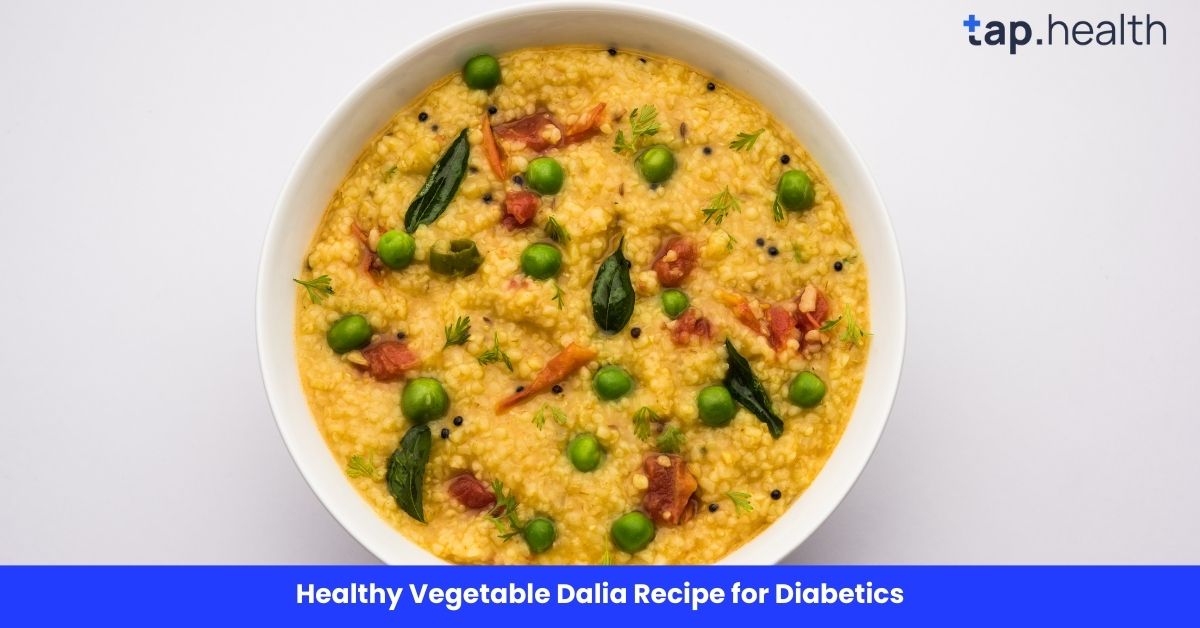
That’s where this humble hero comes in: Vegetable Dalia.
You might be thinking, “Dalia? Isn’t that just a simple porridge?” Well, yes, but it’s so much more! In this detailed guide, we will explore everything you need to know about turning basic broken wheat into a powerhouse diabetic-friendly meal. We’ll cover the “why,” the “how,” and all the little secrets in between. So, let’s get started on this journey to a healthier, tastier breakfast!
Why is Vegetable Dalia a Superfood for Diabetics?
Before we jump into the recipe, it’s crucial to understand why Dalia is such an excellent choice. It’s not just about eating something bland because it’s “good for you.” Dalia is genuinely beneficial and satisfying.
Understanding the Glycemic Index (GI)
The Glycemic Index (GI) is a scale that ranks carbohydrate-rich foods by how much they raise blood glucose levels compared to a standard food (like pure glucose).
- Low GI (55 or less): Foods are digested and absorbed slowly, causing a gradual rise in blood sugar. This is ideal for diabetics.
- Medium GI (56-69): Foods cause a moderate rise in blood sugar.
- High GI (70 or more): Foods are digested quickly, causing a rapid spike in blood sugar. This is what diabetics need to avoid.
Where does Dalia stand? Broken wheat (Dalia) has a low Glycemic Index (GI). This means it releases sugar into your bloodstream very slowly, preventing those sudden spikes and crashes. It provides steady, long-lasting energy.
The Power of Fiber
Dalia is incredibly rich in dietary fiber. Fiber is a diabetic’s best friend, and here’s why:
- Slows Down Sugar Absorption: Soluble fiber, which Dalia has plenty of, forms a gel-like substance in your gut. This slows down the digestion of carbohydrates and the absorption of sugar into your bloodstream.
- Improves Insulin Sensitivity: A high-fiber diet helps your body use insulin more effectively.
- Promotes Fullness: Fiber keeps you feeling full for longer. This helps in managing weight, which is a key part of diabetes management. You’re less likely to reach for unhealthy snacks between meals.
Packed with Essential Nutrients
Dalia isn’t just empty carbs. It’s a nutritional treasure trove:
- Complex Carbohydrates: For sustained energy.
- Protein: Helps in repairing tissues and also contributes to feeling full.
- Magnesium: A mineral that plays a role in carbohydrate metabolism and insulin function.
- B Vitamins: Essential for energy production and overall cell health.
When you load this nutritious base with colorful vegetables, you add a multitude of vitamins, minerals, and antioxidants, making it a complete and balanced meal.
Choosing the Right Ingredients for Your Diabetic Dalia
The magic of this recipe lies in selecting ingredients that work together to keep your blood sugar stable.
The Star: Broken Wheat (Dalia)
- What is it? Dalia is simply whole wheat berries that have been cleaned, toasted, and broken into smaller pieces. It’s not refined, so it retains all the goodness of the wheat bran and germ.
- What to buy? Look for plain, unflavored, whole wheat Dalia in your local grocery store or online. Avoid any pre-packaged, flavored mixes as they often contain added sugar, salt, and preservatives.
The Supporting Cast: Vegetables
Non-starchy vegetables are low in carbs and calories but high in fiber, vitamins, and minerals. They add volume, flavor, and crunch without spiking your sugar.
- Great Choices: Green beans, carrots, bell peppers (capsicum), broccoli, spinach, tomatoes, onions (in moderation), peas, cauliflower, zucchini.
- Use in Moderation: Starchy vegetables like potatoes, sweet corn, and sweet potatoes have a higher carb content. You can use a very small amount, but be mindful of your overall portion.
The Flavor Boosters: Spices and Herbs
Spices are a fantastic way to add incredible flavor without adding calories or sodium.
- Must-Haves: Cumin seeds (jeera), mustard seeds (rai), turmeric (haldi), asafoetida (hing), black pepper.
- Recommended: Ginger-garlic paste (fresh is best!), green chilies (for a little heat), garam masala (a pinch at the end).
- Garnishes: A generous handful of fresh cilantro (coriander leaves) and a squeeze of lemon juice are essential. They brighten up the entire dish.
The Cooking Fat: Choosing Wisely
Use healthy fats that are good for heart health—an important consideration for diabetics.
- Best Options: Mustard oil, olive oil, or coconut oil. Use just a teaspoon or two for the entire recipe.
Step-by-Step: How to Make the Perfect Vegetable Dalia for Diabetes
This recipe is designed for simplicity and maximum health benefits. Let’s get cooking!
Ingredients You Will Need:
(Serves 2)
- ½ cup whole wheat Dalia (broken wheat)
- 1 tsp mustard oil or olive oil
- ½ tsp cumin seeds
- ½ tsp mustard seeds
- A pinch of asafoetida (hing)
- 1 small onion, finely chopped (optional)
- 1 tsp finely chopped ginger
- 1 tsp finely chopped garlic (or ½ tsp ginger-garlic paste)
- 1 green chili, finely chopped (adjust to taste)
- ½ cup mixed vegetables (e.g., carrots, beans, peas, bell peppers), finely chopped
- 1 cup spinach, finely chopped (optional but great for nutrients)
- ½ medium tomato, finely chopped
- ¼ tsp turmeric powder
- A pinch of black pepper powder
- Salt to taste (consider using rock salt or low-sodium salt)
- 2.5 cups water (approx.)
- For Garnish: Fresh coriander leaves, lemon wedges
Detailed Cooking Instructions:
Step 1: Prepare the Dalia
- Take the ½ cup of Dalia in a bowl.
- Rinse it under cold running water 2-3 times until the water runs clear.
- Soak the rinsed Dalia in enough water for about 15-20 minutes. This step is optional but helps it cook faster and become fluffier. Drain the water after soaking.
Step 2: Sauté the Aromatics
- Heat a teaspoon of oil in a pressure cooker or a deep pan.
- Once the oil is warm, add the cumin seeds and mustard seeds. Let them splutter.
- Add the asafoetida and give it a quick stir.
- If using, add the finely chopped onions and sauté until they become soft and translucent.
- Add the chopped ginger, garlic, and green chili. Sauté for another minute until the raw smell disappears.
Step 3: Cook the Vegetables
- Add all the chopped mixed vegetables (except spinach and tomato if using). Sauté them for 2-3 minutes on medium heat.
- Now, add the chopped tomatoes, turmeric powder, and black pepper. Mix everything well and cook until the tomatoes become soft and mushy.
- Add the chopped spinach and let it wilt, which will take just a minute.
Step 4: Cook the Dalia
- Add the drained Dalia to the cooker/pan. Mix it gently with the veggie and spice mixture for about 2 minutes. This toasting enhances the flavor.
- Pour in 2.5 cups of water and add salt to taste. Give it a good stir.
- If using a pressure cooker: Close the lid and cook for 3-4 whistles on medium flame. Let the pressure release naturally.
- If using a pan: Bring it to a boil, then reduce the heat to low. Cover the pan and let it simmer for 15-20 minutes, or until the Dalia is cooked through and has absorbed most of the water. Stir occasionally to prevent sticking.
Step 5: Serve and Enjoy!
- Once cooked, fluff the Dalia with a fork. The consistency should be moist but not watery. If it’s too dry, you can add a splash of hot water and mix.
- Garnish with a huge bunch of fresh coriander leaves and a generous squeeze of lemon juice. The lemon juice is not just for taste; vitamin C helps in the absorption of iron from the Dalia and greens.
- Serve it hot and fresh!
Customizing Your Dalia: Endless Healthy Variations
The basic recipe is fantastic, but you don’t have to eat the same thing every day! Here are some diabetic-friendly twists.
Protein-Powered Dalia
To make your meal even more filling and blood-sugar-friendly, add a source of protein.
- With Lentils (Dal): Add 2 tablespoons of washed yellow moong dal (split yellow lentils) to the recipe. Moong dal is easy to digest and has a low GI. Cook it along with the Dalia.
- With Paneer (Cottage Cheese): Add ¼ cup of crumbled or cubed paneer at the very end, just to heat it through. Paneer is low in carbs and high in protein.
- With Sprouts: Mix in ½ cup of boiled or steamed sprouts (like moong bean sprouts) at the end. Sprouts are a fantastic source of fiber and protein.
Different Cuisine Styles
- South Indian Twist: Temper with curry leaves, dried red chili, and a bit of urad dal. Skip the garam masala and use more black pepper.
- Herby Delight: Load it up with herbs like mint and dill along with coriander for a fresh flavor.
- Sweet Dalia (Sometimes!): For a rare sweet treat, make a very small portion. Cook plain Dalia with water and milk. Flavor it with cardamom and nutmeg. Sweeten very sparingly with a pinch of stevia or a single date puree. Avoid sugar, jaggery, or honey.
Important Tips for Diabetics to Get The Most Out of Dalia
Making the recipe is one part; eating it wisely is another.
- Portion Control is Key: Even healthy foods can cause a spike if you eat too much. A good starting point is ½ to ¾ cup of cooked Vegetable Dalia per serving. See how your body responds and adjust accordingly.
- Pair it Right: While Dalia is a complete meal, having it with a side of plain yogurt (dahi) can add probiotics and more protein, making the meal even better for blood sugar control.
- Timing Matters: It’s an ideal breakfast or lunch. Eating a carbohydrate-rich meal late at night might not be suitable for everyone. Find a time that works best for your body’s rhythm.
- Stay Hydrated: Drink plenty of water throughout the day. Fiber works best when it absorbs water.
- Monitor Your Levels: Everyone’s body is different. The best way to know how this recipe affects you is to check your blood sugar levels 2 hours after eating.
Frequently Asked Questions (FAQ) on Healthy Vegetable Dalia Recipe for Diabetics
Q1: Can a diabetic patient eat Dalia every day?
A: Yes, a diabetic patient can eat Dalia every day as it is a low-GI, high-fiber food. However, variety is crucial for a balanced diet. It’s excellent to include it in your regular rotation, but also try other diabetic-friendly options like oats, poha, or besa chilla to ensure you get a wide range of nutrients.
Q2: Is Dalia better than oats for diabetics?
A: Both Dalia and plain, steel-cut/rolled oats are excellent low-GI choices for diabetics. Their nutritional profiles are very similar. The best choice is a matter of personal preference. You can enjoy both to add variety to your diet. The key is to avoid instant, flavored oatmeal packets that are high in sugar.
Q3: Can we use milk instead of water to make Dalia for diabetics?
A: You can use milk, but it’s better to use a combination of water and milk. Using only milk increases the calorie and fat content. Using low-fat or toned milk is a good option. However, the savory vegetable version made with water is often the healthiest and most effective for blood sugar management.
Q4: What is the best time for a diabetic to eat Dalia?
A: Breakfast is the ideal time. It provides sustained energy to start your day and helps maintain stable blood sugar levels throughout the morning. It can also be a great option for a light lunch.
Q5: Can diabetic patients eat Dalia at night?
A: It’s generally not recommended to have a high-carb meal right before bed, as it might affect fasting blood sugar levels the next morning. If you want to have it for dinner, have it at least 2-3 hours before you go to sleep and keep the portion size small (e.g., ½ cup).
Q6: Does Dalia increase blood sugar?
A: Due to its low GI and high fiber content, Dalia does not cause a rapid increase in blood sugar when eaten in correct portions. It leads to a slow and steady release of glucose, which is safe for diabetics. Overeating any food, including Dalia, can cause a spike.
Q7: Can I make Vegetable Dalia in a batch and store it?
A: Yes, you can. Let it cool completely and store it in an airtight container in the refrigerator for up to 2 days. When ready to eat, add a little water and reheat it on the stove or in a microwave until hot throughout. The consistency might become a bit thicker after refrigeration.
We hope this ultimate guide empowers you to make a delicious, healthy, and diabetes-friendly Vegetable Dalia. It’s more than just a recipe; it’s a step towards taking control of your health without compromising on taste. Happy and healthy cooking