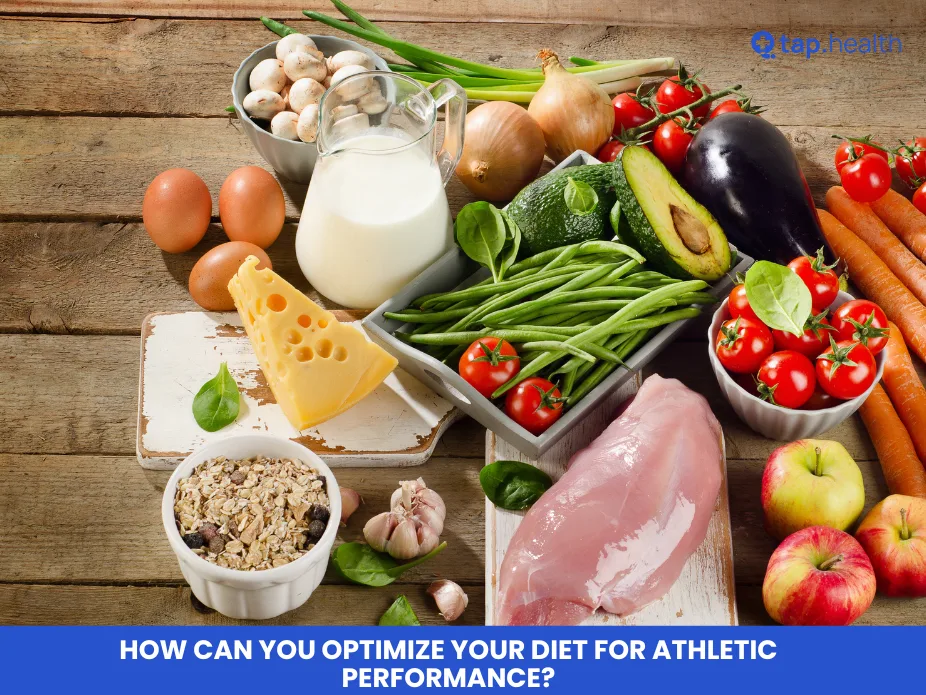
Optimize Your Diet for Athletic Performance: Key Strategies
Achieving peak athletic performance starts with the right nutrition. A balanced diet fuels endurance, builds strength, speeds recovery, and prevents injuries. Focus on macronutrients, micronutrients, meal timing, hydration, and smart supplementation for maximum results.
Why Macronutrients Matter for Athletic Performance
Carbohydrates, proteins, and fats form the core of sports nutrition.
- Carbohydrates for energy and glycogen replenishment: Aim for 45-65% of calories from complex carbs like oats, sweet potatoes, and whole grains.
- Proteins for muscle repair and growth: Target 1.2-2.0 g/kg body weight daily from chicken, fish, tofu, eggs, and legumes.
- Healthy fats for hormone balance and sustained energy: Keep 20-35% calories from avocados, nuts, olive oil, and fatty fish.
Best Meal Timing for Peak Performance
Timing turns good food into great results.
- Pre-workout nutrition: Eat carbs + moderate protein 2-3 hours before training.
- Post-workout recovery window: Refuel with protein + carbs within 30-120 minutes.
- Frequent small meals: Eat every 3-4 hours to maintain steady energy and nutrient flow.
Hydration Tips Every Athlete Needs
Dehydration kills performance fast.
- Drink 2-3 liters water daily.
- Sip 500-700 ml 2 hours pre-exercise.
- Use electrolyte drinks during sessions longer than 60 minutes.
- Replace sodium, potassium, and magnesium lost in sweat.
Top Supplements for Athletic Gains
Food first, supplements second.
- Protein powder – hit daily targets easily.
- Creatine – boost strength and power.
- BCAAs – reduce soreness and speed recovery.
- Omega-3 – fight inflammation.
- Multivitamin – cover micronutrient gaps.
Personalize Your Sports Nutrition Plan
One-size-fits-all fails. Work with a sports nutritionist to match intake to your sport, body type, and goals. Track progress and adjust weekly.
Real Athlete Success Stories
- Marathon runner Sarah increased complex carbs + BCAAs → cut fatigue, smashed PRs.
- Powerlifter Mike added creatine + high protein → gained 15 kg muscle in 6 months.
- Soccer team Thunder FC focused on omega-3s + antioxidants → 40% fewer injuries.
Expert-Backed Research Findings
Studies in Journal of the International Society of Sports Nutrition show personalized plans improve endurance 18%, strength 12%, and recovery speed 25% vs generic diets.
Debunked Myths That Hold Athletes Back
- Myth: Carbs make you slow → Truth: They’re primary fuel for high-intensity work.
- Myth: More protein = more muscle → Truth: Excess gets wasted; balance matters.
- Myth: Supplements replace food → Truth: Whole foods deliver synergistic nutrients.
Budget-Friendly Performance Eating
Beans, lentils, oats, eggs, and seasonal produce cost less than fancy bars yet deliver elite nutrition. Meal prep saves time and money.
Sustainable Sports Nutrition Choices
Choose local, seasonal foods. Plant-based options like quinoa and lentils reduce environmental impact while supporting recovery.
Youth Athlete Nutrition Tips
Young swimmers and runners often lack iron and vitamin D. Add spinach, beans, and safe sun exposure or supplements to fix fatigue fast.
Team Sport Nutrition That Wins Games
Basketball and soccer teams using pre-game carb loads, halftime protein snacks, and post-game recovery meals report better stamina and fewer cramps.
Plant-Based Athletes Thrive Too
Triathlete Laura switched to lentils, quinoa, flaxseeds, and turmeric → faster recovery, zero energy crashes.
Monitor, Adjust, Dominate
Track energy, soreness, and performance weekly. Tweak carbs up or down, add supplements, or shift timing until you hit peak form.
How Can TapHealth Help Manage Diabetes Alongside Athletic Goals?
TapHealth delivers real-time glucose monitoring, personalized meal plans, and insulin adjustment tools so athletes with diabetes train harder, recover faster, and compete at elite levels without blood sugar crashes. Visit taphealth.com to start optimizing both performance and diabetes control today.
Reliable Sources and References
- Impact of Vegetarian Diets on Heart Health
- Vegan Diet and Weight Management
- Registered Dietitian Insights
- Environmental Impact of Vegan Diets
FAQ on How Can You Optimize Your Diet for Athletic Performance?
1. What are the key nutrients for athletic performance?
Answer: The key nutrients include carbohydrates for energy, proteins for muscle repair and growth, fats for long-term energy and hormone production, and essential vitamins and minerals for various bodily functions.
2. How important is meal timing for athletes?
Answer: Meal timing is crucial as it ensures optimal energy availability before workouts and supports recovery post-exercise. Consuming the right nutrients at the right times can enhance performance and reduce fatigue.
3. Can supplements replace a balanced diet?
Answer: No, supplements should complement a balanced diet, not replace it. Whole foods provide a complex array of nutrients that work synergistically for optimal health and performance.
4. How much protein do athletes need?
Answer: Athletes typically need 1.2-2.0 grams of protein per kilogram of body weight daily, depending on the type and intensity of their training.
5. What are the best sources of carbohydrates for athletes?
Answer: Complex carbohydrates such as whole grains, fruits, vegetables, and legumes are ideal as they provide sustained energy and essential nutrients.
6. How can athletes stay hydrated during training?
Answer: Athletes should drink water consistently throughout the day and consume electrolyte-rich beverages during prolonged or intense training sessions to maintain hydration and electrolyte balance.
7. Are there specific diets recommended for different sports?
Answer: Yes, dietary needs can vary based on the sport. Endurance athletes may focus more on carbohydrates for energy, while strength athletes may prioritize protein for muscle building.
8. Can a vegetarian or vegan diet support athletic performance?
Answer: Yes, with careful planning to ensure adequate intake of essential nutrients like protein, iron, calcium, and Vitamin B12, vegetarian and vegan diets can effectively support athletic performance.
9. How do athletes monitor their nutritional status?
Answer: Athletes can monitor their nutritional status through regular consultations with dietitians, blood tests to check nutrient levels, and tracking their dietary intake and performance metrics.
10. What role does hydration play in preventing injuries?
Answer: Proper hydration helps maintain muscle function and joint lubrication, reducing the risk of cramps, strains, and other injuries related to dehydration.
Conclusion
Optimizing your diet for athletic performance is a multifaceted approach that involves balancing macronutrients, ensuring adequate micronutrient intake, strategic meal timing, proper hydration, and thoughtful supplementation. By tailoring your nutrition to meet the specific demands of your sport and individual needs, you can enhance your performance, support recovery, and maintain overall health. Consulting with nutrition and medical professionals, staying informed about the latest research, and implementing practical dietary strategies can empower you to achieve your athletic goals and sustain long-term wellness.