Gaining weight quickly, especially 10-15kg in a month, is a significant challenge. Whether you’re looking to improve your health, boost athletic performance, or achieve personal goals, it’s crucial to approach weight gain safely and effectively. This comprehensive guide provides simple, actionable steps to help you reach your weight goals while maintaining your overall well-being.
How Do I Gain 10-15kg of Weight in a Month?
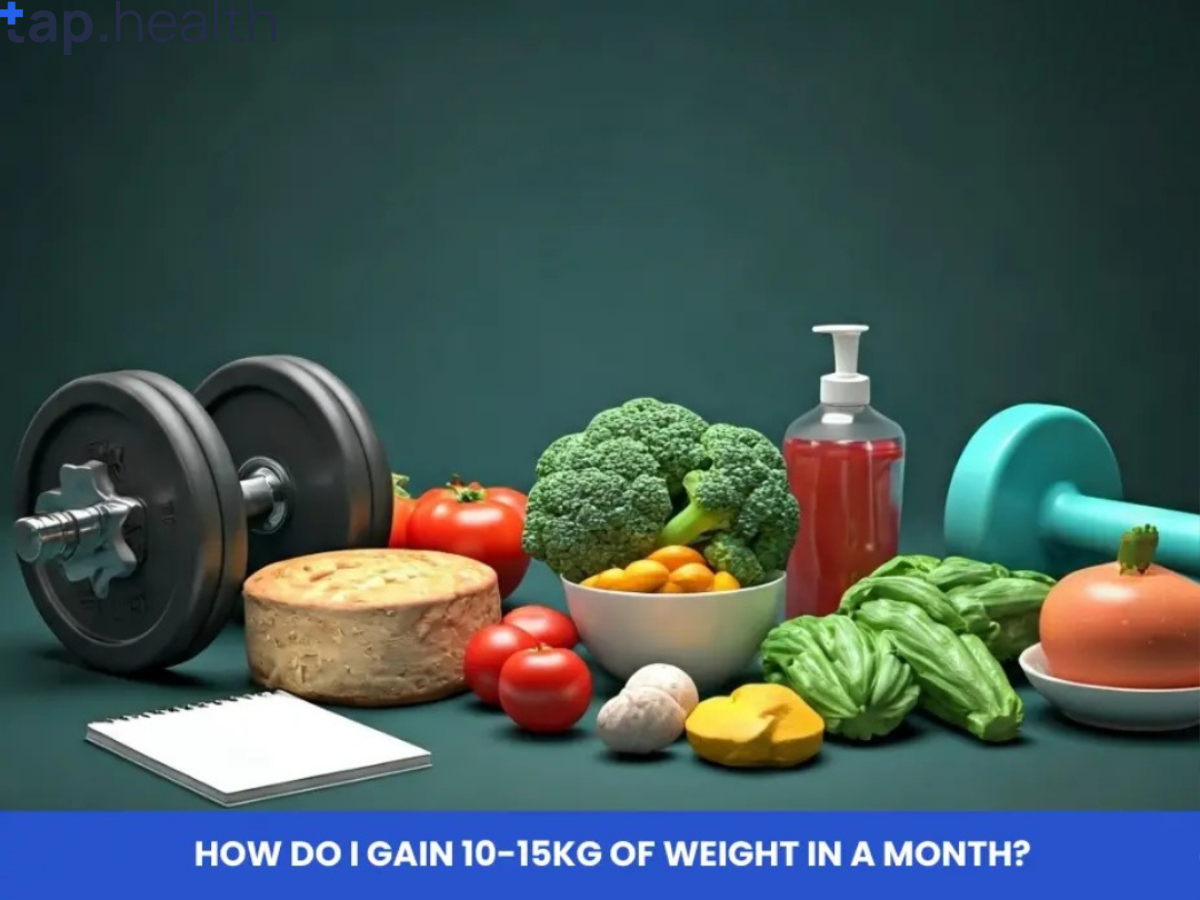
Achieving a weight gain of 10-15kg in a single month is an ambitious target. It requires a strategic approach that combines increased caloric intake, strength training, and lifestyle adjustments. Here’s a detailed plan to help you gain weight healthily and efficiently.
1. Increase Your Caloric Intake Significantly
To gain weight, you must consume more calories than your body burns. Here’s how to effectively increase your caloric intake:
a. Calculate Your Daily Caloric Needs
Understanding how many calories your body needs daily is the first step. Use an online Calorie Calculator to estimate your daily caloric requirements based on factors like age, gender, weight, height, and activity level.
b. Add Extra Calories to Your Diet
Aim to consume an additional 1000-1500 calories per day beyond your maintenance level. This surplus is necessary for rapid weight gain. Here’s how to do it:
- Eat Larger Portions: Increase the portion sizes of your meals.
- Include High-Calorie Snacks: Incorporate snacks like nuts, seeds, cheese, and dried fruits.
- Choose Calorie-Dense Foods: Opt for foods that pack more calories in smaller servings, such as avocados, peanut butter, and whole grains.
Tip: Spread your calorie intake throughout the day to avoid feeling overly full.
2. Eat More Frequently
Eating more meals can help you increase your calorie intake without feeling uncomfortable.
a. Have 5-6 Smaller Meals Daily
Instead of the traditional three meals, aim for five to six smaller meals spaced evenly throughout the day. This approach helps maintain a steady intake of nutrients and calories.
b. Incorporate High-Calorie Snacks
Between meals, include snacks that are rich in calories and nutrients. Examples include:
- Peanut Butter Sandwiches: Use whole-grain bread and add honey or jam for extra calories.
- Cheese and Crackers: A simple yet effective high-calorie snack.
- Smoothies: Blend fruits, milk, yogurt, and nut butter for a nutritious drink.
3. Choose Nutrient-Rich Foods
While increasing calorie intake, ensure that the extra calories come from nutritious sources to promote healthy weight gain.
a. Proteins
Proteins are essential for muscle growth and repair.
- Lean Meats: Chicken, turkey, and lean cuts of beef.
- Fish: Salmon, tuna, and mackerel are excellent sources.
- Eggs: Versatile and packed with protein.
- Dairy Products: Milk, cheese, and yogurt.
b. Carbohydrates
Carbohydrates provide the energy needed for workouts and daily activities.
- Whole Grains: Brown rice, quinoa, whole wheat bread, and pasta.
- Starchy Vegetables: Potatoes, sweet potatoes, and corn.
- Legumes: Beans, lentils, and chickpeas.
c. Fats
Healthy fats are calorie-dense and support overall health.
- Avocados: Rich in monounsaturated fats.
- Nuts and Seeds: Almonds, walnuts, chia seeds, and flaxseeds.
- Healthy Oils: Olive oil, coconut oil, and avocado oil.
4. Incorporate Strength Training
Building muscle mass is crucial to ensure that the weight you gain is healthy and not just fat.
a. Lift Weights Regularly
Engage in weightlifting exercises that target major muscle groups. Examples include:
- Squats: Strengthen the legs and core.
- Deadlifts: Work the back, legs, and core.
- Bench Presses: Target the chest, shoulders, and triceps.
- Rows: Strengthen the back and biceps.
b. Follow a Consistent Workout Routine
Aim to work out at least 3-4 times a week. Consistency helps in building muscle mass over time.
c. Progressive Overload
Gradually increase the weights you lift to continually challenge your muscles and promote growth.
Note: Consider consulting a fitness professional to design a workout plan tailored to your needs.
5. Stay Hydrated with Calorie-Rich Beverages
Proper hydration supports overall health and weight gain efforts.
a. Drink High-Calorie Beverages
- Smoothies and Shakes: Blend fruits, milk, protein powder, and nut butter.
- Whole Milk: Adds extra calories compared to skim or low-fat milk.
- Juices: Opt for 100% fruit juices without added sugars.
b. Avoid Empty Calories
Limit beverages that provide calories without nutritional benefits, such as soda and sugary drinks.
6. Consider Supplements
While food should be your primary source of nutrients, certain supplements can support your weight gain journey.
a. Protein Supplements
- Whey Protein: Quickly absorbed, ideal post-workout.
- Casein Protein: Slow-digesting, perfect before bedtime.
b. Creatine
- Creatine Monohydrate: Enhances strength and muscle mass when combined with strength training.
c. Multivitamins
- Daily Multivitamins: Ensure you receive all essential vitamins and minerals.
Caution: Always consult with a healthcare provider before starting any supplements to avoid potential side effects or interactions with other medications.
7. Monitor Your Progress
Keeping track of your weight gain helps you stay on target and make necessary adjustments.
a. Weigh Yourself Weekly
Regular weigh-ins help you monitor your progress and ensure you’re gaining weight consistently.
b. Keep a Food Diary
Tracking what you eat ensures you’re meeting your caloric and nutritional goals.
8. Get Enough Sleep
Sleep is vital for muscle recovery and overall health.
a. Aim for 7-9 Hours of Sleep Daily
Adequate sleep supports muscle growth and energy levels.
b. Maintain a Consistent Sleep Schedule
Going to bed and waking up at the same time each day regulates your body’s functions and improves sleep quality.
9. Manage Stress
High stress can negatively impact your appetite and metabolism.
a. Practice Relaxation Techniques
- Yoga: Combines physical postures with breathing exercises.
- Meditation: Helps calm the mind and reduce stress.
- Deep Breathing Exercises: Simple techniques to relax.
b. Stay Positive
Focus on your goals and celebrate small victories to stay motivated throughout your weight gain journey.
Sample Meal Plan for Rapid Weight Gain
A structured meal plan can simplify your weight gain efforts. Here’s a detailed example to help you get started:
Breakfast
- Oatmeal with Whole Milk: Cook 1 cup of oatmeal with 2 cups of whole milk. Add a handful of nuts, honey, and dried fruits for extra calories.
- Scrambled Eggs with Cheese and Avocado: Prepare 3 scrambled eggs with shredded cheese and slices of avocado.
- Glass of Orange Juice: 1 cup of 100% orange juice.
Morning Snack
- Peanut Butter Sandwiches: 2 slices of whole-grain bread with 3 tablespoons of peanut butter.
- Trail Mix: A mix of almonds, walnuts, dried cranberries, and dark chocolate chips.
Lunch
- Grilled Chicken Breast or Tofu: 200g of grilled chicken or tofu.
- Quinoa or Brown Rice: 1.5 cups cooked quinoa or brown rice drizzled with olive oil.
- Steamed Vegetables with Butter: 2 cups of steamed broccoli and carrots with a tablespoon of butter.
Afternoon Snack
- Greek Yogurt with Granola and Honey: 1 cup of full-fat Greek yogurt topped with ½ cup of granola and a drizzle of honey.
- Protein Smoothie: Blend 1 banana, 2 cups of whole milk, 2 tablespoons of peanut butter, and a scoop of whey protein.
Dinner
- Salmon Fillet with Butter and Herbs: 200g of baked salmon with a tablespoon of butter and herbs.
- Sweet Potatoes Mashed with Cream: 2 medium sweet potatoes mashed with ¼ cup of heavy cream.
- Mixed Salad with Avocado and Olive Oil Dressing: A large salad with mixed greens, avocado slices, and a dressing made from olive oil and balsamic vinegar.
Evening Snack
- Cheese and Crackers: ½ cup of cheese with whole-grain crackers.
- Glass of Whole Milk or High-Calorie Shake: 1 glass of whole milk or a shake made with milk, protein powder, and a banana.
Supplements to Consider
In addition to your diet, certain supplements can aid in your weight gain journey by providing essential nutrients and enhancing muscle growth.
Protein Supplements
- Whey Protein: Quickly absorbed and ideal for post-workout recovery. Helps build and repair muscle tissues.
Healthline on Whey Protein - Casein Protein: Slow-digesting, making it perfect before bedtime to provide a steady release of amino acids overnight.
Creatine
- Creatine Monohydrate: Enhances strength and muscle mass by increasing your ability to perform high-intensity workouts.
WebMD on Creatine
Multivitamins
- Daily Multivitamins: Ensure you receive all essential vitamins and minerals, supporting overall health and bodily functions.
Harvard Health on Multivitamins
Caution: Always consult with a healthcare provider before starting any supplements to ensure they are safe and appropriate for your individual health needs.
Tips for Healthy Weight Gain
Gaining weight should be approached with a focus on health and sustainability. Here are some additional tips to ensure your weight gain journey is effective and safe.
1. Focus on Quality Over Quantity
While increasing your caloric intake, prioritize nutritious foods over junk food to ensure you’re gaining healthy weight.
- Choose Whole Foods: Whole grains, lean proteins, and healthy fats provide essential nutrients.
- Limit Processed Foods: Processed and sugary foods can lead to unhealthy fat gain and other health issues.
2. Stay Consistent
Consistency is key to achieving your weight gain goals.
- Stick to Your Meal Plan: Follow your structured meal plan even on busy days.
- Regular Workouts: Maintain a consistent strength training routine to build muscle mass.
3. Listen to Your Body
Pay attention to how your body responds to increased calorie intake and exercise.
- Adjust as Needed: If you experience discomfort, adjust your meal portions or exercise intensity.
- Avoid Overeating: Gradually increase your calorie intake to prevent digestive issues.
4. Seek Professional Guidance
Consulting with healthcare and fitness professionals can provide personalized support.
- Nutritionist: Helps create a tailored meal plan based on your specific needs.
- Personal Trainer: Designs a workout regimen that aligns with your weight gain goals.
Potential Risks of Rapid Weight Gain
Gaining weight too quickly can pose several health risks. It’s essential to be aware of these potential issues and take steps to mitigate them.
1. Increased Body Fat
Rapid weight gain may result in excess fat accumulation, increasing the risk of cardiovascular diseases and other health problems.
2. Digestive Issues
Overeating can cause stomach discomfort, indigestion, and other gastrointestinal problems such as bloating and constipation.
3. Strain on the Heart
Excessive weight gain can put pressure on your cardiovascular system, potentially leading to high blood pressure and other heart-related issues.
Recommendation: Aim for a balanced approach to gain weight healthily, even if it means achieving your goals over a longer period.
When to Seek Medical Advice
If you encounter any adverse effects or struggle to gain weight despite following these strategies, it’s crucial to consult a healthcare professional. They can help identify any underlying health issues and provide personalized advice tailored to your needs.
Signs to Watch For:
- Persistent Fatigue: Unusual tiredness despite adequate sleep.
- Digestive Problems: Chronic indigestion, bloating, or stomach pain.
- Rapid Weight Gain: Gaining weight too quickly can indicate health issues.
Action: Schedule an appointment with your doctor to discuss your weight gain plan and address any concerns.
Frequently Asked Questions (FAQs)
1. Is it possible to gain 10-15kg in a month?
While it’s possible to gain 10-15kg in a month, it’s generally not recommended due to potential health risks. Aiming for a slower, steady weight gain of about 0.5kg per week is healthier and more sustainable. Rapid weight gain can lead to excess fat accumulation and other health issues.
2. What are the best foods for gaining weight?
Focus on nutrient-dense and calorie-rich foods such as:
- Proteins: Lean meats, fish, eggs, and dairy products.
- Carbohydrates: Whole grains, pasta, rice, and starchy vegetables.
- Fats: Avocados, nuts, seeds, and healthy oils.
Incorporating these foods into your meals and snacks can help you increase your caloric intake effectively.
3. Can I gain weight without exercising?
Yes, you can gain weight by consuming more calories than you burn. However, combining increased caloric intake with strength training ensures that the weight gained is primarily muscle rather than fat. Exercise also promotes overall health and improves appetite.
4. Are there any supplements that can help me gain weight?
Supplements like whey protein, creatine, and multivitamins can support your weight gain efforts by providing additional nutrients and enhancing muscle growth. Always consult with a healthcare provider before starting any supplements to ensure they are safe and appropriate for you.
5. How do I gain weight healthily?
To gain weight healthily:
- Eat More Calories: Increase your daily caloric intake with nutrient-dense foods.
- Strength Training: Engage in regular strength training to build muscle mass.
- Stay Hydrated: Drink plenty of water and calorie-rich beverages.
- Get Adequate Sleep: Ensure you get 7-9 hours of sleep each night.
- Monitor Progress: Keep track of your weight gain and adjust your plan as needed.
References
- Increase Caloric Intake: To gain weight, consume more calories than your body burns. Aim for an additional 500-1,000 calories per day to gain approximately 0.5-1 kg per week.
- Mayo Clinic
- Choose Nutrient-Dense Foods: Focus on foods rich in nutrients and calories, such as whole grains, lean proteins, healthy fats, and dairy products. Incorporate nuts, seeds, avocados, and olive oil into your meals.
- Mayo Clinic
Gaining 10-15kg in a month is an ambitious goal that requires a well-planned approach combining increased caloric intake, strength training, and lifestyle adjustments. While rapid weight gain is possible, it’s essential to prioritize your health to avoid potential risks such as excess fat accumulation and digestive issues. By following a balanced diet, engaging in regular exercise, staying hydrated, and monitoring your progress, you can achieve your weight gain goals safely and effectively. Always consult with healthcare professionals to tailor a plan that suits your individual health needs and ensures a healthy weight gain journey.