tap.health logo
  • Diabetes Management
  • Health Assistant
  • About Us
  • Blog
  • Contact Us
Get Plan
  • Diabetes Management
  • Health Assistant
  • About Us
  • Blog
  • Contact Us
  • All Blogs
  • Diabetes
  • How Does Diabetes Cause PAD? Understanding Peripheral Artery Disease

How Does Diabetes Cause PAD? Understanding Peripheral Artery Disease

Diabetes
September 1, 2025
• 4 min read
Isha Yadav
Written by
Isha Yadav
Nishat Anjum
Reviewed by:
Nishat Anjum
ChatGPT Perplexity WhatsApp LinkedIn X Grok Google AI
How Does Diabetes Cause PAD?

Diabetes is a condition that can lead to various complications, including Peripheral Artery Disease (PAD). While most people associate diabetes with high blood sugar, its impact on blood vessels, particularly in the legs and feet, often goes unnoticed. This blog will explore how diabetes causes PAD, share real-life stories, expert insights, and provide practical tips for managing this condition.


What Is Peripheral Artery Disease (PAD)?

Peripheral Artery Disease is a condition where the arteries that supply blood to your limbs become narrowed or blocked due to a buildup of fatty deposits (plaque). This reduced blood flow can lead to pain, cramping, and in severe cases, non-healing wounds or even gangrene.

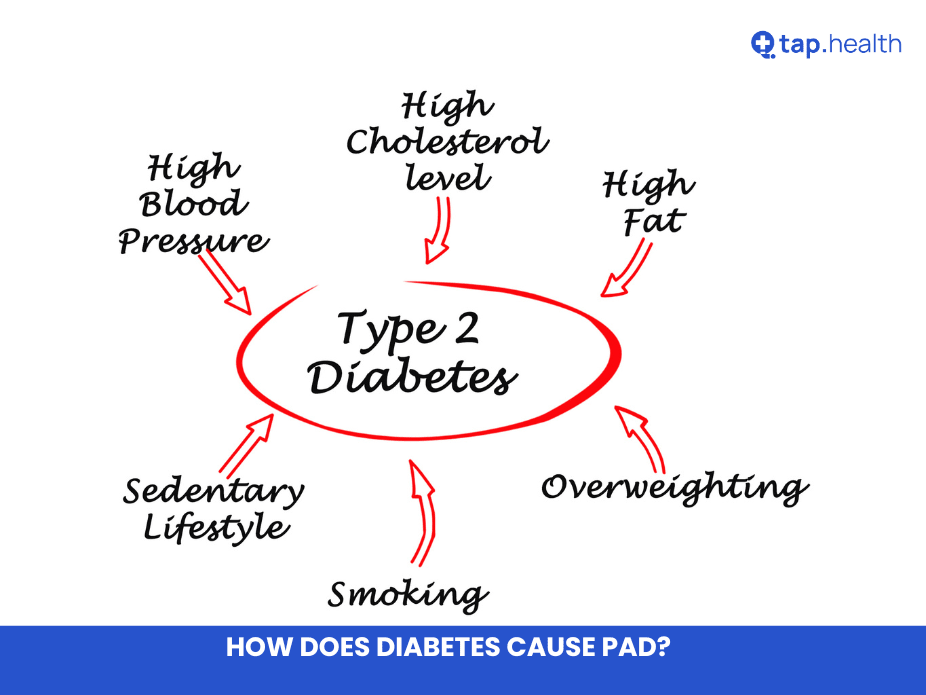
Diabetes increases the risk of PAD because high blood sugar damages blood vessels over time, making it harder for blood to flow efficiently.


How Does Diabetes Cause PAD?

1. Damage to Blood Vessels

Chronic high blood sugar levels damage the inner lining of blood vessels, a process called endothelial dysfunction. This damage causes:

  • Thickened arteries due to the buildup of fatty deposits.
  • Reduced elasticity, which makes it harder for blood to flow freely.

2. Increased Risk of Atherosclerosis

People with diabetes are more prone to atherosclerosis—a condition where plaque builds up in arteries, narrowing them and restricting blood flow. This often affects the arteries in the legs, leading to PAD.

3. Nerve Damage and PAD

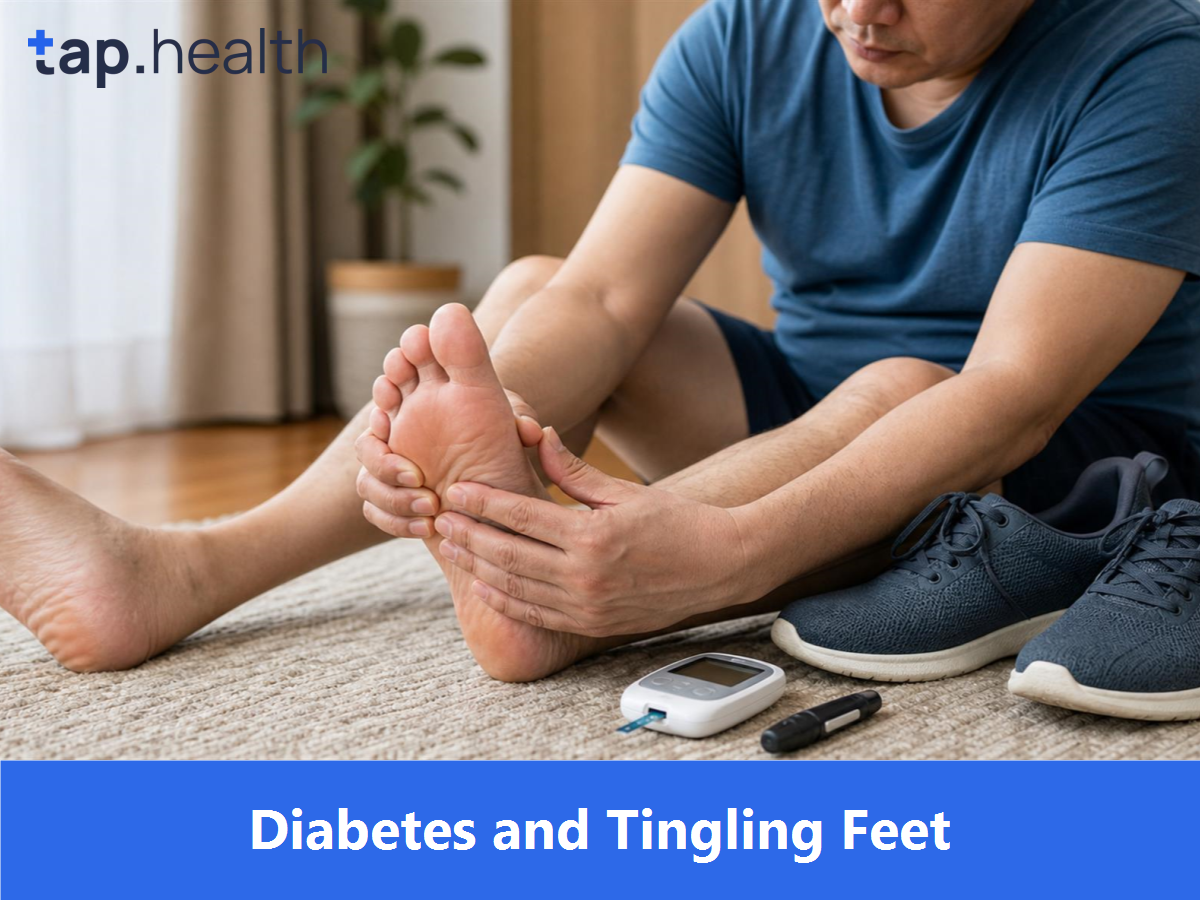
Diabetes can also cause neuropathy (nerve damage), which reduces sensation in the feet and legs. This makes it harder for people to notice early symptoms of PAD, such as pain or discomfort, until the condition becomes severe.

4. Poor Wound Healing

Reduced blood flow due to PAD means wounds take longer to heal. Combined with diabetes, which already slows down healing, this increases the risk of infections and complications.

Also read this – can palm oil cause cancer


Real-Life Scenarios

Arjun’s Struggle with Diabetes and PAD

Arjun, a 50-year-old shopkeeper from Jaipur, had been living with Type 2 diabetes for over a decade. He often dismissed the numbness and occasional pain in his legs as “just old age.”

Things took a serious turn when he developed a small cut on his foot that refused to heal. A visit to his doctor revealed he had PAD, caused by years of uncontrolled diabetes.

“I didn’t realize how serious it was until they explained the connection between my diabetes and blood flow issues,” Arjun shares. After starting medication, improving his diet, and walking regularly, Arjun managed to regain control over his condition.


Expert Contributions

Insights from Dr. Meera Krishnan, Vascular Surgeon

Dr. Meera Krishnan, a leading vascular surgeon in Chennai, explains the critical link between diabetes and PAD.

“Diabetes accelerates the process of atherosclerosis, which is a major contributor to PAD. Many patients come to us late because the symptoms are subtle or mistaken for something else. Early screening and lifestyle changes can prevent serious complications,” she advises.

Dr. Meera recommends annual foot exams for people with diabetes to catch PAD and other complications early.

Learn more about Dr. Meera Krishnan’s work here.


Recommendations Grounded in Proven Research and Facts

If you have diabetes, here are steps to reduce your risk of developing PAD or manage the condition if already diagnosed:

1. Control Blood Sugar Levels

Keeping your blood sugar within target ranges reduces the risk of blood vessel damage. Work closely with your healthcare provider to monitor and adjust your diabetes management plan.

2. Adopt a Heart-Healthy Diet

  • Focus on Whole Foods: Fruits, vegetables, whole grains, lean proteins, and healthy fats support better circulation.
  • Limit Saturated Fats and Sugars: These contribute to plaque buildup and worsen blood flow.

3. Exercise Regularly

  • Walking and low-impact activities improve circulation and strengthen your cardiovascular system.
  • Aim for at least 30 minutes of moderate exercise most days of the week.

4. Stop Smoking

Smoking further damages blood vessels and accelerates plaque buildup. Quitting smoking is one of the most important steps in managing PAD.

5. Pay Attention to Foot Care

  • Check your feet daily for cuts, sores, or changes in skin color.
  • Keep your feet clean, dry, and moisturized to prevent cracking and infections.

6. Get Regular Screenings

  • Ankle-Brachial Index (ABI): A simple test to measure blood flow and detect PAD.
  • Regular consultations with your doctor or a vascular specialist.

Factual and Reliable Information

Here are some important facts to consider about the link between diabetes and PAD:

  • Increased Risk: People with diabetes are twice as likely to develop PAD as those without the condition.
  • Silent Symptoms: Many people don’t experience noticeable symptoms in the early stages of PAD, which delays diagnosis and treatment.
  • Complication Risks: Severe PAD can lead to non-healing wounds, infections, and even amputation if untreated.

For more information, check out this reliable source from the American Heart Association.


FAQs on How Does Diabetes Cause PAD?

Q1: Can PAD be reversed in people with diabetes?
A: While PAD can’t be fully reversed, early diagnosis and treatment can manage symptoms and prevent progression.

Q2: What are the first signs of PAD?
A: Common early signs include leg pain during walking, numbness, and slow-healing wounds on the feet or legs.

Q3: How is PAD diagnosed?
A: Doctors use tests like the Ankle-Brachial Index (ABI), ultrasound, or angiography to diagnose PAD.

Q4: Does exercise help improve PAD symptoms?
A: Yes, regular walking and low-impact exercises improve circulation and reduce symptoms like leg pain.

Q5: Is PAD only a concern for older adults with diabetes?
A: While PAD is more common in older adults, younger people with poorly controlled diabetes are also at risk.


Tags
A1C gestational diabetes poor sleep blood sugar HbA1c diabetes symptoms in women diabetes medicines diabetes nerve damage diabetes and blood pressure mango and diabetes dark patches diabetes diabetes stomach problems diabetes wounds metformin safety diabetes tingling hands banana blood sugar papaya for diabetes is jaggery good for diabetes poha blood sugar orange for diabetes sugar spike after rice gestational diabetes India blood sugar pregnancy diabetes sleep and diabetes diabetes in India women diabetes signs diabetes treatment advice tingling feet diabetes high blood pressure diabetes mango sugar diabetes walking after meals for diabetes diabetic gastroparesis diabetic wound care diabetes ketoacidosis warning signs diabetic neuropathy hands coconut water and diabetes is papaya good for diabetes gur for diabetes sprouts for diabetes can diabetics eat oranges Indian diet diabetes continuous glucose monitor India Medicine fasting glucose blood sugar pregnancy diabetes and stress diabetes risk factors India diabetes risk women Indian diabetic diet chart diabetes eye disease diabetes heart kidney risk diabetes reversal vs remission post meal walk diabetes diabetes bloating nausea diabetes yeast infection DKA symptoms fasting with diabetes coconut water for diabetes papaya blood sugar watermelon for diabetes are sprouts good for diabetes orange blood sugar glucose spike symptoms CGM cost India Health A1C test low blood sugar stress blood sugar diabetes prevention India diabetes symptoms in men diabetic meal plan diabetic eye test borderline HbA1c diabetes remission walking lowers blood sugar diabetes sick day rules diabetes fungal infection ketones diabetes diabetes fasting safety can diabetics drink coconut water oats for diabetes can diabetics eat watermelon sprouts blood sugar brown bread for diabetes post meal blood sugar time in range Lifestyle diabetes diet hypoglycemia cortisol diabetes best fruits for diabetes men diabetes signs HbA1c test high protein breakfast for diabetes HbA1c 5.7 to 6.4 reverse type 2 diabetes diabetes grocery list India diabetes during illness diabetes vaginal itching diabetes blurry vision can diabetics fast curd for diabetes oatmeal diabetes watermelon blood sugar methi seeds for diabetes bread for diabetes diabetes blood pressure glucometer accuracy Home remedies balanced meals diabetes safety diabetes eye care diabetes fruits diabetes risk men HbA1c normal range diabetes breakfast India prediabetes HbA1c diabetes plate method diabetic food list India blood sugar fever infection diabetes night sweats high blood sugar blurry vision insulin injection sites is curd good for diabetes are oats good for diabetes apple for diabetes fenugreek for diabetes whole wheat bread diabetes diabetes heart risk diabetes technology Fitness healthy eating diabetes heart health diabetic retinopathy fruit and blood sugar type 1 diabetes how to lower HbA1c diabetic breakfast ideas post-meal blood sugar Indian diabetes plate foods for diabetes shopping diabetes and alcohol low blood sugar at night diabetes excessive thirst insulin site rotation diabetes curd milk for diabetes can diabetics eat apple methi diabetes avocado for diabetes ABC diabetes CGM vs glucometer India Prevention why diabetes is considered as a lifestyle disease blood pressure diabetes eye test rice and diabetes type 1 diabetes symptoms fasting sugar normal range PCOS and diabetes blood sugar after food diabetes portion control diabetes kidney tests alcohol blood sugar diabetes diabetes sweating at night diabetes dry mouth insulin lumps tea and coffee in diabetes can diabetics drink milk apple blood sugar cinnamon for diabetes is avocado good for diabetes kidney risk diabetes diabetes reversal myths Hygiene lifestyle diabetes cholesterol diabetes kidney care can diabetics eat rice insulin diabetes high fasting blood sugar PCOS insulin resistance postprandial glucose low glycaemic index foods for diabetes urine albumin diabetes can diabetics drink alcohol diabetes headache frequent urination diabetes diabetes weight gain coffee diabetes best milk for diabetes eggs for diabetes cinnamon blood sugar avocado blood sugar blurred vision diabetes HbA1c remission Ailments type 2 diabetes lifestyle disease living with diabetes diabetic kidney disease diabetes diet India prediabetes diet reverse prediabetes naturally PCOS diabetes risk dawn phenomenon diabetes low GI foods India eGFR diabetes diabetes and dizziness high blood sugar headache diabetes fatigue diabetes and weight gain tea diabetes peanuts for diabetes are eggs good for diabetes dalchini for diabetes travelling with diabetes fundus exam diabetes remission vs reversal Hindi exercise and diabetes diabetes habits kidney tests diabetes morning blood sugar prediabetes food prediabetes reversal gestational diabetes diet Indian morning sugar high diabetes low GI diet diabetes and dental problems dizziness diabetes low blood sugar headache diabetes tiredness insulin weight gain roti for diabetes are peanuts good for diabetes egg diabetes amla for diabetes diabetes travel checklist eye care diabetes skin diseases blood sugar control diabetes management high blood sugar symptoms fasting sugar high lower diabetes risk how to prevent type 2 diabetes pregnancy diabetes diet high fasting sugar in morning diabetes and fatty liver diabetes gum disease low sugar dizziness blood sugar monitoring at home high blood sugar tiredness diabetes swollen feet best roti for diabetes peanuts blood sugar paneer for diabetes amla juice diabetes insulin travel storage diabetic retinopathy symptoms acne vulgaris symptoms physical activity insulin resistance hyperglycemia symptoms dawn phenomenon diabetes and weight loss insulin resistance diet gestational diabetes meal plan diabetes and cholesterol fatty liver diabetes dry mouth diabetes diabetes leg pain when to check blood sugar diabetes constipation swollen feet diabetes chapati diabetes sweet potato for diabetes is paneer good for diabetes amla blood sugar diabetes hot weather GDM screening AI Search diabetes foot care insulin sensitivity diabetes warning signs diabetes myths weight loss diabetes Indian foods for insulin resistance diabetic foot ulcer diabetes lipid profile insulin resistance fatty liver diabetes urine infection diabetic leg cramps blood glucose monitoring diabetes and constipation diabetes foot swelling can diabetics eat dates can diabetics eat sweet potato paneer diabetes guava for diabetes diabetes dehydration pregnancy blood sugar targets prediabetes diabetic foot type 2 diabetes risk normal blood sugar levels diabetes facts insulin resistance weight loss improve insulin sensitivity diabetes foot wound cholesterol in diabetes diabetes skin problems frequent UTI diabetes diabetes nerve pain legs metformin for diabetes constipation diabetes can diabetics eat banana dates for diabetes sweet potato blood sugar poha for diabetes can diabetics eat guava heat and blood sugar postpartum diabetes risk diabetes prevention foot health diabetes and sleep fasting blood sugar diabetes misconceptions diabetes medicine safety diabetic neuropathy symptoms diabetic foot ulcer warning signs can diabetics eat mango diabetes itching urinary infection diabetes diabetes slow wound healing metformin side effects diabetes numbness in hands banana for diabetes dates blood sugar jaggery for diabetes is poha good for diabetes guava blood sugar India diabetes diabetes after pregnancy
More blogs
Kazima Qureshi
Kazima Qureshi
• June 6, 2026
• 18 min read

Blood Sugar Basics: Fasting Glucose, A1C, and Post-Meal Readings

Learn what common blood sugar tests measure and why your healthcare provider may use more than one result.

Diabetes
How Does Diabetes Cause PAD?
Nishat Anjum
Nishat Anjum
• June 6, 2026
• 18 min read

Post-Meal Blood Sugar Spikes: Indian Foods, Timing, Symptoms, and Safer Ways to Reduce Spikes

Post-Meal Blood Sugar Spikes: Indian Foods, Timing, Symptoms, and Safer Ways to Reduce Spikes Learn ranges, symptoms, India-specific context, tests, diet t

Diabetes
How Does Diabetes Cause PAD?
Neha Sharma
Neha Sharma
• June 6, 2026
• 18 min read

Diabetes and Heart Health: Blood Pressure, Cholesterol, Kidney Risk, and the ABC Checks

Diabetes and Heart Health: Blood Pressure, Cholesterol, Kidney Risk, and the ABC Checks Learn ranges, symptoms, India-specific context, tests, diet tips, a

Diabetes
How Does Diabetes Cause PAD?
Do you remember your last sugar reading?
Log and Track your glucose on the Tap Health App
All logs in one place
Smart trend graphs
Medicine Reminder
100% Ad Free
Download Now

Missed your diabetes meds

again? Not anymore.

Get medicine reminders on your phone.

✓ Glucose diary and Insights
✓ Smart Nudges
✓ All logs at one place
✓ 100% Ad free
Download Free
tap health
tap.health logo
copyright © 2025
2nd Floor,Plot No 4, Minarch Tower,
Sector 44,Gurugram, 122003,
Haryana, India
  • About Us
  • Blog
  • Doctor login
  • Contact Us
  • Privacy Policy
  • Return / Shipping Policy
  • Terms and Conditions
Get Your Free AI Diabetes Coach