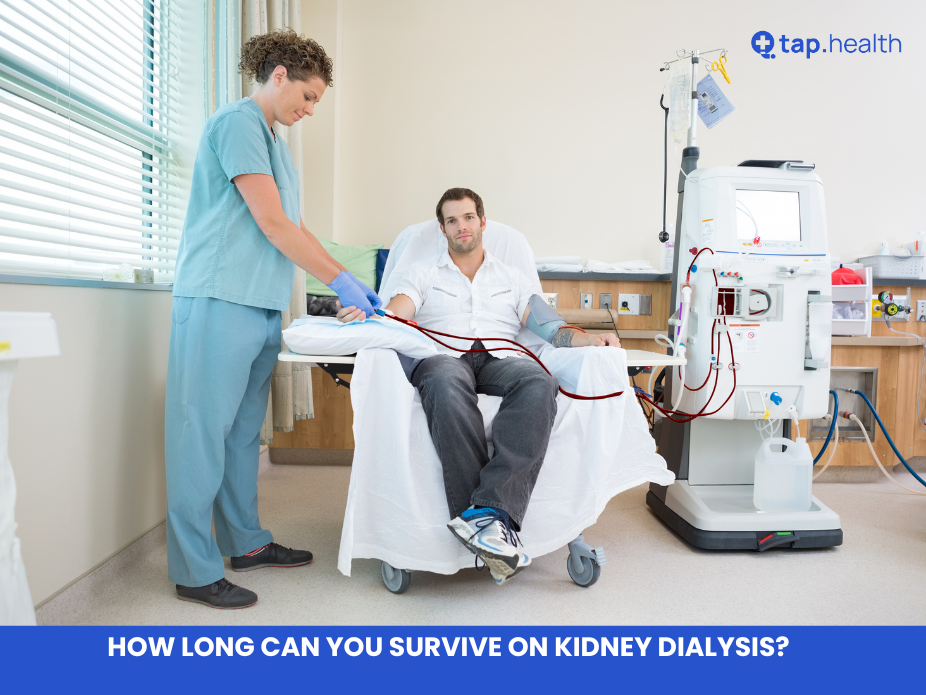
Living with kidney failure often means relying on dialysis to replace some functions of the kidneys. But one question that patients and their loved ones often ask is, “How long can you survive on kidney dialysis?” The answer depends on many factors, from overall health to how well you follow your treatment plan. In this article, we’ll dive into the lifespan possibilities on dialysis, share real-life stories, and provide expert-backed recommendations to help you navigate this journey with confidence.
What Is Kidney Dialysis?
Kidney dialysis is a medical treatment that helps filter and remove waste, toxins, and excess fluid from the blood when your kidneys can no longer do so. Dialysis is a life-saving option for people with end-stage kidney disease (ESKD).
There are two primary types of dialysis:
- Hemodialysis: This involves using a machine to filter your blood, typically done at a clinic or hospital.
- Peritoneal Dialysis: This uses the lining of your abdomen (the peritoneum) to filter blood through a special fluid, often done at home.
Both methods are effective, but your choice depends on your health condition, lifestyle, and doctor’s advice.
How Long Can You Survive on Kidney Dialysis?
There isn’t a one-size-fits-all answer to this question because survival on dialysis depends on several factors:
1. Age and Overall Health
Younger, healthier individuals generally live longer on dialysis because their bodies can better handle the physical demands of the treatment.
2. Adherence to Treatment
Sticking to your dialysis schedule, medications, and dietary restrictions plays a critical role in extending your lifespan.
3. Underlying Conditions
Conditions like diabetes, heart disease, or high blood pressure can impact survival rates.
Average Survival Rates
Studies show that the average survival rate for dialysis patients is:
- 5–10 years: Most patients can live this long with proper care.
- 20–30 years: Some individuals, particularly younger patients, have lived on dialysis for decades.
It’s essential to remember that these are averages, and many people exceed these expectations with a strong support system and a commitment to their health.
Read also this – can fnac test detect cancer
Real-Life Scenarios: Thriving on Dialysis
Let’s hear from real people who have managed dialysis successfully.
Rajesh, a 45-year-old teacher from Chennai, has been on hemodialysis for seven years. “At first, I was scared about how dialysis would change my life. But I found a routine that works for me, and I even started teaching part-time again. It’s not easy, but it’s manageable.”
Similarly, Rekha, a 32-year-old homemaker from Delhi, has been on peritoneal dialysis for four years. “I was nervous about doing dialysis at home, but the flexibility it offers has made a huge difference in my life. I can still care for my family and feel independent.”
These stories show that dialysis doesn’t have to stop you from leading a fulfilling life.
Expert Contributions: Insights from Healthcare Professionals
Dr. Anil Kumar, a nephrologist in Bangalore, emphasizes the importance of a positive outlook. “Dialysis is a challenging journey, but patients who stay optimistic and committed to their treatment plan often do better in the long run. Support from family and friends also plays a significant role.”
He adds, “Advancements in dialysis technology have improved survival rates significantly. Today, we can help patients live longer and maintain a good quality of life.”
Recommendations Grounded in Proven Research and Facts
Here are evidence-based tips for improving your survival and quality of life on dialysis:
1. Follow Your Dialysis Schedule
Missing or delaying treatments can allow toxins to build up in your body, leading to complications.
2. Stick to a Renal-Friendly Diet
- Limit salt, potassium, and phosphorus intake.
- Eat high-quality protein in moderation.
- Work with a dietitian to create a personalized meal plan.
3. Stay Active
Regular exercise, such as walking or yoga, can improve circulation, reduce fatigue, and boost your mood.
4. Monitor Your Fluid Intake
Excess fluid can strain your heart and cause swelling. Stick to your recommended fluid allowance.
5. Stay Informed
Learn about your condition and ask questions. Knowledge empowers you to make better decisions about your care.
6. Seek Emotional Support
Living with dialysis can be emotionally taxing. Don’t hesitate to seek support from a counselor, support group, or loved ones.
FAQs on How Long Can You Survive on Kidney Dialysis?
How long can someone live on dialysis without a kidney transplant?
With proper care, many patients live 5–10 years on dialysis. Some can live for 20–30 years or longer.
Is dialysis a permanent solution?
Dialysis is a life-sustaining treatment but not a cure. A kidney transplant is the only permanent solution for end-stage kidney disease.
Does dialysis shorten your lifespan?
Dialysis can extend life significantly for people with kidney failure. However, underlying health conditions and adherence to treatment affect longevity.
Can you live a normal life on dialysis?
Yes, many people continue to work, travel, and enjoy hobbies while on dialysis, especially with proper planning and support.
What happens if you stop dialysis?
Without dialysis, toxins and fluid buildup in the body can lead to serious complications, eventually resulting in death within days to weeks, depending on kidney function.