Baked potatoes are a classic, versatile dish enjoyed around the world. Whether you like them loaded with toppings or simply as a side dish, they are a popular choice for many meals. But if you’re conscious about your calorie intake or just curious about the nutritional value, you might be asking: How many calories are in a baked potato?
In this article, we will explore the calorie content of a baked potato, how different preparation methods can affect the calories, and some healthy ways to enjoy this tasty vegetable. So let’s dig into the details!
What is a Baked Potato?
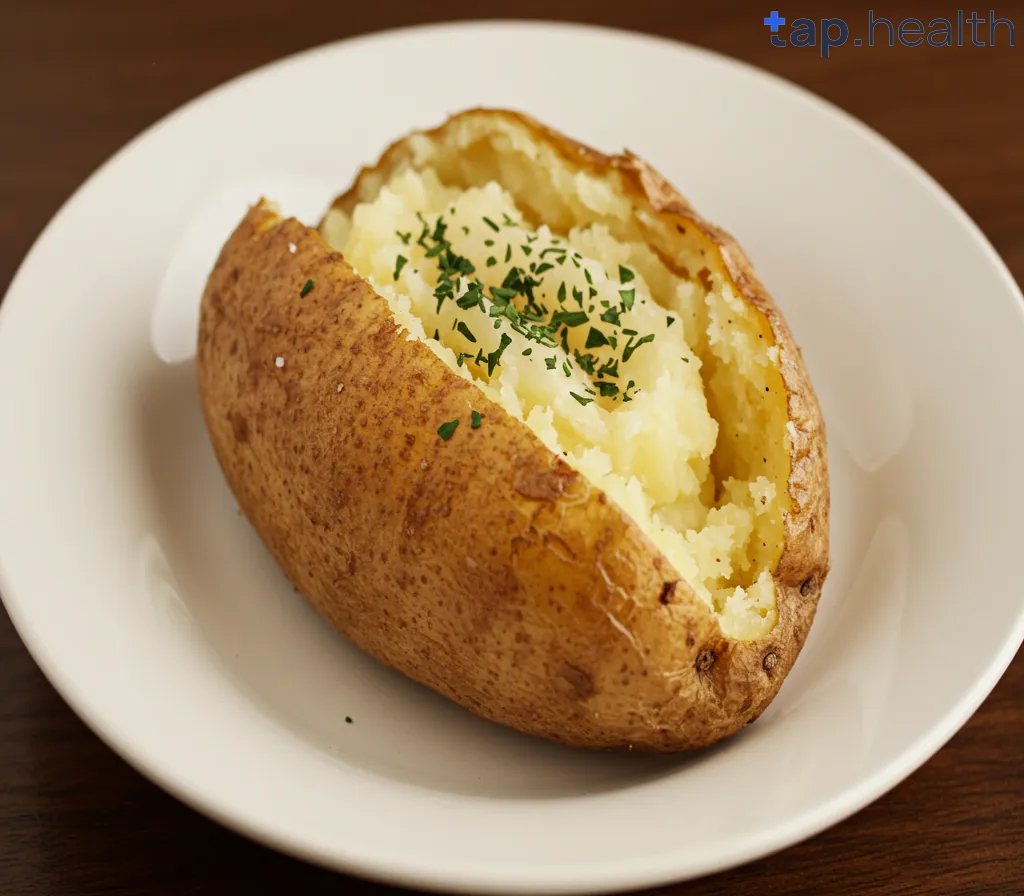
A baked potato is simply a potato that is cooked by baking it whole in the oven. The potato skin becomes crispy while the inside becomes soft and fluffy. Baked potatoes are often topped with butter, sour cream, cheese, bacon bits, or chives, although they can be enjoyed plain or with various other toppings.
Potatoes, in general, are a great source of carbohydrates, fiber, and various vitamins and minerals. However, the calorie content can vary depending on the size of the potato and the toppings added. Let’s break down the calorie content of a plain baked potato and see how different factors affect the overall calorie count.
How Many Calories Are in a Baked Potato?
The calorie content of a baked potato depends on its size and any added ingredients or toppings. Below, we’ll explore the average calorie content for different types of baked potatoes.
1. Plain Baked Potato (Medium-Sized)
A medium-sized baked potato (about 5.2 ounces or 150 grams) with the skin on contains:
- Calories: 160–170 calories
This calorie count is for a basic baked potato without any toppings. The majority of the calories come from carbohydrates, with small amounts of protein and fat.
2. Large Baked Potato
A large baked potato (about 8 ounces or 227 grams) contains:
- Calories: 220–250 calories
Larger potatoes naturally have more calories because they contain more carbohydrates. However, even a large baked potato can still be part of a healthy meal if consumed in moderation.
3. Mini Baked Potato
Mini baked potatoes, often served as appetizers or finger foods, are smaller and typically weigh around 2 ounces (56 grams). A mini baked potato contains:
- Calories: 70–80 calories
Since they are smaller in size, mini baked potatoes are a lower-calorie option compared to regular-sized ones.
4. Calories in Baked Potatoes with Toppings
While plain baked potatoes are relatively low in calories, adding toppings can significantly increase the calorie content. Here are some common toppings and their calorie contributions:
Butter (1 tablespoon)
- Calories: About 100 calories
Butter is often added to baked potatoes to enhance flavor. If you add a tablespoon of butter, it will add about 100 calories.
Sour Cream (2 tablespoons)
- Calories: About 60–70 calories
Sour cream is another common topping, adding richness and flavor to your baked potato. However, it can also add extra calories and fat, depending on how much you use.
Cheese (1 ounce)
- Calories: About 110 calories
Cheese is a popular topping, whether it’s cheddar, mozzarella, or another variety. One ounce of shredded cheese typically adds around 110 calories.
Bacon Bits (1 tablespoon)
- Calories: About 25 calories
Bacon bits add extra flavor to baked potatoes but are usually used in small quantities, contributing relatively few calories. However, they can add up if used generously.
5. Stuffed or Loaded Baked Potatoes
A loaded baked potato can contain significantly more calories due to the combination of toppings like butter, sour cream, cheese, bacon, and sometimes even chili or broccoli. A typical loaded baked potato may have:
- Calories: 500–700 calories per serving
These calorie-rich potatoes should be enjoyed in moderation, as they can quickly contribute to excessive calorie intake.
Nutritional Breakdown of a Baked Potato
Even without toppings, baked potatoes are a good source of nutrients. Here’s a breakdown of the nutritional content of a medium-sized baked potato (about 5.2 ounces or 150 grams):
Macronutrients
- Calories: 160–170 calories
- Carbohydrates: 37–40 grams
- Fiber: 4–5 grams
- Sugar: 1 gram
- Protein: 4–5 grams
- Fat: 0–1 gram
- Saturated Fat: 0 grams
- Sodium: 10–20 milligrams
Micronutrients
- Vitamin C: 30% of the daily value (DV)
- Vitamin B6: 10% of the DV
- Potassium: 15% of the DV
- Iron: 2% of the DV
- Magnesium: 6% of the DV
Key Nutrients in a Baked Potato
- Carbohydrates: Potatoes are primarily composed of carbohydrates, which provide energy. A medium baked potato contains around 37–40 grams of carbohydrates, with 4–5 grams of fiber, which aids digestion and helps maintain a feeling of fullness.
- Protein: A baked potato provides around 4–5 grams of protein, making it a moderate source of this essential macronutrient. However, for a more protein-rich meal, it’s a good idea to pair your potato with a protein-rich food like chicken, fish, or beans.
- Vitamins and Minerals: Baked potatoes are rich in Vitamin C, which is important for immune health and collagen production, and Vitamin B6, which plays a role in brain function. Potatoes are also an excellent source of potassium, a mineral that helps regulate blood pressure.
How to Make a Healthier Baked Potato
Baked potatoes can be part of a healthy diet, but it’s easy to add extra calories and fat with the wrong toppings. Here are some tips on how to make a healthier baked potato:
1. Use Healthy Toppings
Instead of butter or sour cream, consider healthier alternatives like:
- Greek yogurt: It has the same creamy texture as sour cream but is lower in fat and higher in protein.
- Avocado: A great source of healthy fats, avocado can add creaminess and flavor to your potato without the extra calories from butter.
- Vegetables: Top your baked potato with sautéed vegetables like spinach, mushrooms, or broccoli for added nutrients and fiber.
- Cheese: If you want cheese, opt for a small amount of low-fat cheese or a sprinkle of nutritional yeast, which is a lower-calorie option with a cheesy flavor.
2. Choose a Smaller Potato
If you’re watching your calorie intake, choose a smaller-sized potato to reduce the number of calories. Smaller potatoes contain fewer carbohydrates and calories but still provide plenty of fiber and nutrients.
3. Avoid Overloading with Toppings
It’s easy to pile on toppings when you’re enjoying a baked potato, but this can quickly increase the calorie content. Stick to small portions of your favorite toppings, or choose healthier alternatives like vegetables or low-fat cheese.
4. Pair with Lean Proteins
To make your baked potato a more balanced meal, pair it with a lean protein source like grilled chicken, turkey, or legumes. This will help you create a satisfying meal with the right balance of macronutrients.
Frequently Asked Questions (FAQs) on How Many Calories Are in a Baked Potato?
1. How many calories are in a baked potato?
A medium-sized baked potato (about 5.2 ounces) contains around 160–170 calories. The calorie count can vary depending on the size of the potato.
2. How many calories are in a baked potato with butter?
A baked potato with butter contains about 250–270 calories, depending on the amount of butter used. The butter adds extra fat and calories to the potato.
3. How many calories are in a baked potato with cheese and sour cream?
A baked potato with cheese and sour cream can contain 400–500 calories, depending on the portion sizes of the cheese and sour cream. These toppings add fat and calories.
4. Is a baked potato healthy?
Yes, a baked potato is a healthy food when eaten in moderation. It’s a good source of vitamins, minerals, fiber, and protein. However, the healthiness of the dish depends on the toppings you add. To keep it healthy, use lighter toppings like Greek yogurt or vegetables and avoid excessive butter or sour cream.
5. Can I eat baked potatoes on a diet?
Yes, baked potatoes can be part of a healthy diet. They are low in calories when eaten without high-fat toppings. For weight management, choose smaller potatoes, control your portion sizes, and pair them with nutrient-rich sides.
6. How can I make my baked potato healthier?
To make your baked potato healthier, use lighter toppings like Greek yogurt, avocado, or sautéed vegetables. Choose a smaller potato for fewer calories, and pair it with lean proteins to make the meal more balanced.
Conclusion
Baked potatoes are a delicious and nutritious food that can be enjoyed in many different ways. A medium-sized baked potato typically contains around 160–170 calories, and the calorie count can increase depending on the size and toppings used. To make your baked potato healthier, opt for lighter toppings like Greek yogurt or avocado, and pair it with lean proteins for a balanced meal. By making small adjustments, you can enjoy this classic dish while keeping your calorie intake in check.