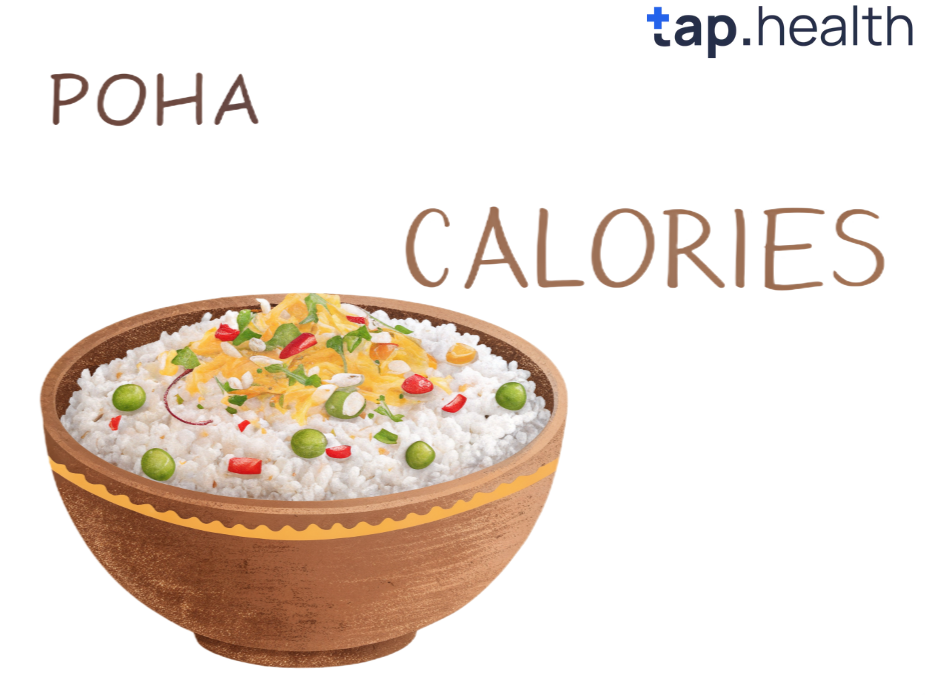
Poha, a traditional Indian breakfast dish made primarily from flattened rice (or beaten rice), is a staple in many households across India. It is light, easy to prepare, and often seasoned with mustard seeds, turmeric, curry leaves, and a variety of other ingredients such as peanuts, potatoes, peas, and onions. Its versatility and simplicity have made it popular not only in India but across many parts of the world.
But like any food, understanding its calorie content is essential, especially for health-conscious individuals or those trying to maintain a balanced diet. If you’re wondering, How many calories are in Poha? you’ve come to the right place. In this article, we’ll break down the calorie content, nutritional profile, variations, and answer all related questions about Poha.
How Many Calories Are in a Serving of Poha?
A standard serving of Poha is usually around 1 cup (approximately 150-200 grams) and contains 150-200 calories. The exact number of calories can depend on the ingredients used and portion sizes. Poha made with additional vegetables, peanuts, or oil may have a slightly higher calorie content than plain Poha.
Calorie Breakdown of 1 Serving of Poha (150-200 grams)
- Flattened Rice: 120-140 calories
- Peanuts: 40-60 calories (if added)
- Oil (for tempering): 20-40 calories (depending on how much is used)
- Vegetables (like peas, potatoes, onions, etc.): 10-30 calories (depending on the type and quantity)
- Spices and Seasoning: Minimal calories (mostly negligible)
Therefore, the total calorie content of a 1-cup serving of Poha is typically 150-200 calories, with variations depending on the ingredients and preparation method.
Nutritional Breakdown of Poha
Poha is not only light on calories but also offers several nutrients that contribute to a balanced diet. Let’s take a deeper look at the nutritional profile of this dish.
1. Carbohydrates
Poha is primarily made from flattened rice, which is rich in carbohydrates. Carbohydrates are the body’s primary source of energy, and Poha provides a quick release of energy, making it an ideal breakfast option.
- Carbohydrates per serving (1 cup): Approximately 30-35 grams
2. Protein
While Poha is not a high-protein food, it does provide a moderate amount of protein, especially when paired with nuts like peanuts or additional ingredients like paneer (Indian cottage cheese).
- Protein per serving (1 cup): Approximately 3-5 grams
3. Fat
Poha contains a small amount of fat, especially if oil or ghee is used for tempering. If peanuts or other high-fat ingredients are added, the fat content will be higher. However, Poha is still a relatively low-fat food compared to many other breakfast options.
- Fat per serving (1 cup): Approximately 5-8 grams (depending on oil and peanuts)
4. Fiber
Poha is a moderate source of dietary fiber, thanks to the addition of vegetables like peas and potatoes, as well as the use of whole flattened rice (if made from brown rice). Fiber helps in digestion, aids in weight loss, and promotes heart health.
- Fiber per serving (1 cup): Approximately 2-3 grams
5. Sodium
The sodium content in Poha mainly comes from salt and any pickles or chutneys served with it. However, the sodium content is generally moderate unless excessive salt is used.
- Sodium per serving (1 cup): Approximately 150-250 milligrams
6. Micronutrients
Poha contains small amounts of essential vitamins and minerals, especially when made with vegetables. For example, the turmeric in Poha provides curcumin, which has anti-inflammatory properties, while peas and potatoes contribute vitamin C, vitamin B6, and iron. If garnished with fresh coriander or served with a side of yogurt, the vitamin content increases.
Factors Affecting the Calorie Content in Poha
Several factors can influence the calorie count in Poha, depending on the ingredients used, portion size, and preparation method. Let’s break down these factors:
1. Type of Rice Used
Poha is typically made from white rice, but variations like brown rice Poha or millet Poha are gaining popularity for their increased fiber and nutrient content. These variations may have slightly higher calories due to the increased fiber and complex carbohydrates, but they are also more filling and offer additional health benefits.
2. Use of Oil or Ghee
While traditional Poha is prepared with a small amount of oil or ghee, some recipes may use a little extra oil for frying, which increases the calorie count. If you are aiming for a lower-calorie version, consider using a minimal amount of oil or opting for air-fried Poha.
3. Additional Ingredients
Poha can be made more calorie-dense by adding ingredients such as:
- Peanuts: Adds healthy fats and protein, but also increases calories.
- Potatoes: Commonly added to Poha, potatoes contribute both carbohydrates and calories.
- Cheese or Paneer: This addition will increase both protein and calorie content.
- Coconut: Adding coconut will enhance flavor and provide extra healthy fats.
Each of these ingredients will affect the overall calorie count of Poha.
4. Serving Size
The portion size of Poha plays a significant role in the total calorie intake. If you consume a larger portion or have more toppings, the calorie content will rise. On average, a serving of 1 cup (150 grams) contains 150-200 calories, but a larger portion (e.g., 2 cups) can contain 300-400 calories.
Health Benefits of Poha
Poha is considered a healthy breakfast choice when prepared with minimal oil and a variety of vegetables. Here’s why:
1. Rich in Carbohydrates
The carbohydrates in Poha provide a quick and sustained energy release, making it an excellent breakfast or post-workout meal. The complex carbohydrates in Poha are easily digestible, providing a steady stream of energy throughout the morning.
2. Good Source of Fiber
Poha, especially when made with whole grains or additional vegetables, is a decent source of dietary fiber. Fiber helps improve digestion, prevents constipation, and aids in weight management by keeping you full for longer.
3. Low in Fat
Poha is generally low in fat, especially if prepared with minimal oil. If you’re looking for a low-fat breakfast option, Poha can be an excellent choice. Additionally, the fats present in Poha are typically healthy fats, especially if you add peanuts or sesame seeds.
4. Easy to Digest
The process of flattening the rice makes it easier to digest compared to regular rice. This makes Poha an excellent option for people with digestive issues or those recovering from illness.
5. Packed with Micronutrients
Poha can be made even more nutritious by adding various vegetables like peas, carrots, and potatoes. These vegetables increase the vitamin and mineral content of the dish, making it a well-rounded meal.
6. Gluten-Free
Poha is naturally gluten-free, which makes it suitable for individuals with gluten intolerance or celiac disease.
Frequently Asked Questions (FAQs) on How Many Calories Are in Poha?
1. How many calories are in 1 plate of Poha?
The calorie content in a plate of Poha can vary depending on the portion size and ingredients used. On average, a plate of Poha (about 1-1.5 cups) contains approximately 150-250 calories. If additional ingredients like potatoes, peanuts, or oil are used, the calorie count may be higher.
2. Can Poha help with weight loss?
Yes, Poha can be a part of a weight-loss diet, especially when made with minimal oil and served with vegetables. It is low in calories and fat, yet provides adequate energy and fiber, which can keep you full for longer and prevent overeating.
3. Is Poha good for diabetics?
Poha is a good option for people with diabetes as it has a moderate glycemic index, meaning it doesn’t cause sudden spikes in blood sugar levels. However, it’s important to watch portion sizes and limit the use of high-calorie ingredients like potatoes or excessive oil.
4. Can I make Poha healthier?
Yes, you can make Poha healthier by:
- Using less oil or opting for air-frying or steaming.
- Adding a variety of vegetables for more fiber and micronutrients.
- Using brown rice or millets instead of white rice to increase the fiber content.
- Limiting the use of fried ingredients like peanuts or sev.
5. How many calories are in a bowl of Poha with potatoes?
A bowl of Poha with potatoes typically contains around 200-250 calories. The addition of potatoes increases the carbohydrate and calorie content, but it also adds important nutrients like vitamin C and potassium.
6. How can I make Poha without oil?
To make Poha without oil, you can:
- Use a non-stick pan or air-fry the Poha.
- Use water or low-sodium vegetable broth for tempering the spices.
- Opt for steamed or boiled vegetables instead of frying them.
- Skip the peanuts and other fried toppings.
Conclusion
Poha is a delicious and nutritious dish that is low in calories, making it an excellent choice for breakfast or a light meal. With an average calorie content of 150-200 calories per serving, Poha offers a balanced combination of carbohydrates, protein, and fat, depending on the ingredients and preparation methods. By making mindful choices like reducing oil and adding more vegetables, Poha can easily fit into a healthy diet plan.
Whether you’re trying to maintain your weight, manage blood sugar levels, or simply enjoy a flavorful meal, Poha provides a versatile and wholesome option.