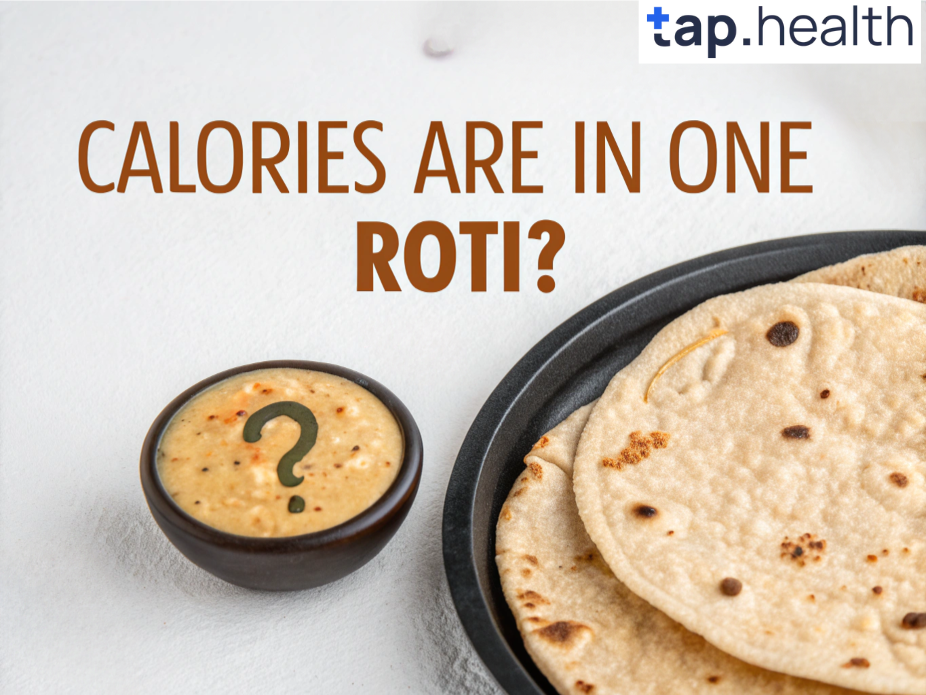
Chapatis, also known as roti, are a popular flatbread eaten across many parts of the world, especially in South Asia. They are a staple in many households and are typically served with curry, vegetables, or meat dishes. But if you’re watching your calorie intake or trying to eat healthily, you may wonder: How many calories does a chapati have? In this guide, we will answer this question in detail and provide you with all the nutritional information you need to understand how chapatis fit into a balanced diet.
What is a Chapati?
A chapati is a simple flatbread made from whole wheat flour, water, and salt. It is typically cooked on a flat surface like a griddle or tawa without oil or butter, making it a healthier alternative to other types of bread. Chapatis are a key component of many meals in Indian cuisine and are also eaten in other parts of Asia and Africa.
The Ingredients of a Chapati
The basic ingredients in a chapati include:
- Whole wheat flour: This is the primary ingredient, providing most of the chapati’s carbohydrates.
- Water: Used to make the dough, helping the flour bind together.
- Salt: Added for taste.
- Optional ingredients: Some people add oil or ghee (clarified butter) to the dough or cook the chapati with a little oil to make it softer and richer in flavor.
How Many Calories Does a Chapati Have?
On average, a standard chapati weighing about 40 grams contains approximately 70 to 120 calories. The calorie count can vary depending on several factors such as the size of the chapati, whether oil or ghee is used during cooking, and the flour used. Let’s break down the calorie content based on different variations of chapatis.
Chapati Without Oil or Ghee
A chapati made only with whole wheat flour, water, and salt and cooked without any oil or ghee contains around 70 to 90 calories. This is the most basic version of chapati and the healthiest option in terms of calorie count.
Chapati With Oil or Ghee
If oil or ghee is added to the dough or used during cooking, the calorie count increases. A chapati cooked with 1 teaspoon of oil or ghee can have approximately 120 to 140 calories. The added fat increases the calorie content significantly, but it also gives the chapati a richer texture and taste.
Chapati Made With Refined Flour (Maida)
While traditional chapatis are made from whole wheat flour, some people may use refined flour (maida) instead. Refined flour chapatis tend to have slightly more calories, often around 100 to 130 calories per piece. Refined flour lacks the fiber and nutrients present in whole wheat flour, making it less healthy.
Chapati Size and Its Impact on Calorie Count
The size of the chapati can significantly affect its calorie content. A larger chapati (around 50 grams) can contain approximately 120 to 150 calories, while a smaller chapati (around 30 grams) would contain fewer calories, around 60 to 70 calories. If you are watching your calorie intake, keeping an eye on the size of the chapatis you consume is important.
Nutritional Breakdown of a Chapati
Now that we know how many calories are in a chapati, let’s take a look at its full nutritional profile. Here is the approximate nutritional value of a standard chapati made from whole wheat flour (40 grams):
- Calories: 70-90 kcal
- Carbohydrates: 15-20 grams
- Fiber: 2-3 grams
- Protein: 2-3 grams
- Fat: 1-2 grams (more if oil or ghee is added)
- Sodium: 100-200 mg (depending on the salt added)
Chapatis are primarily a source of carbohydrates, providing the body with energy. They also contain a small amount of protein and fat, especially if oil or ghee is used during preparation. Whole wheat chapatis are a good source of fiber, which aids digestion and helps maintain healthy blood sugar levels.
Health Benefits of Chapati
Chapatis, especially those made from whole wheat flour, offer several health benefits. Let’s take a closer look:
1. Good Source of Carbohydrates
Carbohydrates are the body’s primary energy source, and chapatis provide a steady release of energy. Unlike refined carbohydrates found in white bread or sugary snacks, the complex carbohydrates in chapatis provide longer-lasting energy and prevent blood sugar spikes.
2. High in Fiber
Whole wheat chapatis are rich in fiber, which is essential for digestive health. Fiber helps in preventing constipation, maintaining healthy cholesterol levels, and controlling blood sugar levels. A diet high in fiber can also help with weight management by making you feel full for longer.
3. Rich in Essential Nutrients
Whole wheat flour is packed with essential nutrients like vitamins B1 (thiamine), B3 (niacin), B5 (pantothenic acid), and minerals like iron, magnesium, and zinc. These nutrients help support various bodily functions, including energy production, immune health, and bone strength.
4. Low in Fat
Chapatis made without oil or ghee are low in fat, making them a good choice for people looking to maintain a healthy weight or reduce their fat intake. Even when oil or ghee is used, chapatis remain relatively low in fat compared to other types of bread or fried foods.
5. Helps with Weight Management
Because chapatis are high in fiber and relatively low in calories, they can help with weight management. The fiber helps control appetite, preventing overeating, and providing steady energy throughout the day without causing weight gain.
How to Make a Healthier Chapati
If you want to make chapatis even healthier, here are a few tips:
- Use Whole Wheat Flour: Stick to whole wheat flour instead of refined flour (maida) for better nutrition and more fiber.
- Add Flaxseeds or Oats: Mixing in flaxseeds or oats to the dough can increase the fiber and omega-3 fatty acids content, which are great for heart health.
- Avoid Excessive Oil or Ghee: If you’re trying to reduce calorie intake, avoid adding excessive oil or ghee. Instead, cook the chapatis on a dry tawa or use just a small amount of oil.
- Try Alternative Flours: You can experiment with alternative flours like millet (bajra) or chickpea flour (besan) to add more variety and nutritional value to your chapatis.
Frequently Asked Questions (FAQs) on How Many Calories Does a Chapati Have? All You Need to Know
How many calories does a chapati have without oil?
A standard chapati made from whole wheat flour without oil contains approximately 70 to 90 calories.
How many calories does a chapati have with ghee or oil?
A chapati made with oil or ghee can have around 120 to 140 calories, depending on the amount of fat used.
How many calories are in a large chapati?
A larger chapati, weighing around 50 grams, can contain 120 to 150 calories, depending on the ingredients and whether any oil or ghee is added.
Is chapati healthy?
Yes, chapatis made from whole wheat flour are healthy. They are rich in fiber, low in fat (if cooked without oil or ghee), and provide essential nutrients such as B vitamins and minerals.
Can I eat chapati if I am on a diet?
Chapatis can fit into most diets, especially if you are focusing on a balanced diet. To keep the calorie count low, avoid adding excessive oil or ghee, and control the portion size.
Are chapatis good for weight loss?
Yes, chapatis can be part of a weight loss diet, especially when made with whole wheat flour and consumed in moderation. The high fiber content helps you feel full longer, preventing overeating.
How many chapatis can I eat on a weight loss diet?
If you are on a weight loss diet, it’s important to watch your portion size. One or two chapatis per meal, depending on your daily calorie goals, can be a healthy choice. Be mindful of what you pair your chapatis with, such as curry or vegetables, to avoid excess calories.
Conclusion
Chapatis are a staple in many diets worldwide, and they offer a wide range of health benefits. Whether you enjoy them as a regular part of your meals or prefer a healthier, modified version, chapatis can be part of a balanced and nutritious diet. Understanding how many calories a chapati contains, and making small adjustments to ingredients or portion sizes, can help you enjoy this beloved food while keeping your calorie intake in check.