Milk is one of the most common beverages worldwide, known for its nutritional benefits. Whether you drink it for its taste, its protein, or its calcium, you might be curious about how many calories a glass of milk contains. In this article, we will dive into the calorie content of milk, the nutritional breakdown, and the differences in calories between different types of milk. We will also explore how milk can fit into your daily diet.
Types of Milk and Their Calorie Content
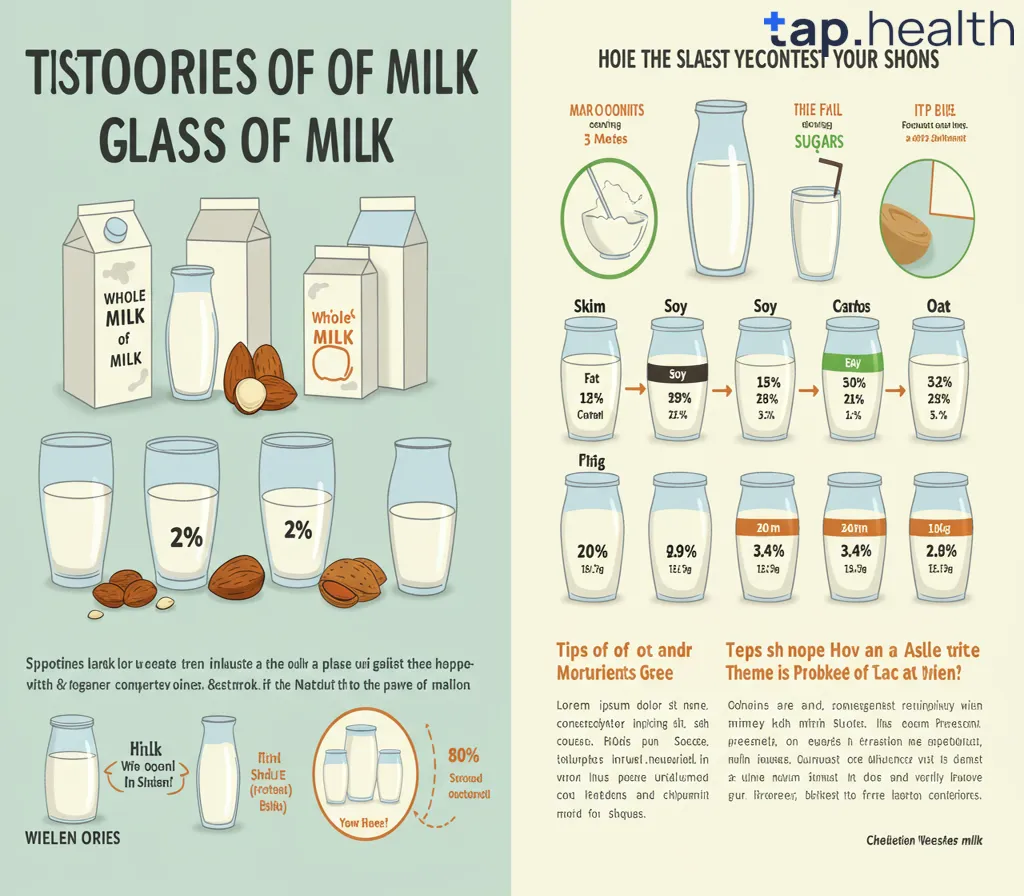
The calorie content in a glass of milk varies based on the type of milk you choose. Below is an overview of how many calories are in an 8-ounce (240 ml) serving of different types of milk:
Whole Milk
Whole milk, also known as full-fat milk, is the richest in calories due to its higher fat content. A glass of whole milk contains about 150 calories. Most of these calories come from fat, which is why it’s considered an energy-dense milk.
2% Milk (Reduced Fat)
2% milk, or reduced-fat milk, has less fat compared to whole milk but still retains some creaminess. A glass of 2% milk contains about 120 calories. This offers a middle ground between whole milk and skim milk, providing a balance of flavor and reduced calories.
1% Milk (Low Fat)
1% milk has even less fat than 2% milk and is often preferred by those who want to lower their fat intake. A glass of 1% milk contains about 100 calories. The reduction in fat also leads to fewer calories compared to whole and 2% milk.
Skim Milk (Non-Fat)
Skim milk, or non-fat milk, contains little to no fat. As a result, it has the fewest calories of all the milk types. A glass of skim milk contains about 80 calories. It’s a great option for those looking to reduce calorie intake while still getting the benefits of milk.
Plant-Based Milks (Almond, Soy, Oat)
Plant-based milks, such as almond, soy, and oat milk, vary in calorie content depending on the brand and ingredients. Unsweetened varieties typically have fewer calories, while sweetened versions contain more.
Almond Milk (Unsweetened)
A glass of unsweetened almond milk typically contains about 30-40 calories.
Soy Milk (Unsweetened)
Unsweetened soy milk contains around 80 calories per glass.
Oat Milk (Unsweetened)
Unsweetened oat milk contains about 90 calories per glass.
Sweetened versions of these plant-based milks can contain anywhere from 90 to 130 calories per glass, depending on added sugars and flavorings.
What Contributes to the Caloric Content in Milk?
The primary factors that contribute to the calorie content in milk are:
Fat Content
Whole milk has more fat, contributing to a higher calorie count. As the fat content decreases (as in 1% and skim milk), the calorie count also decreases.
Sugar (Lactose)
Lactose is the natural sugar found in milk. It contributes a small portion of the calories, but all types of milk contain similar amounts of lactose.
Protein
Milk is also a good source of protein, which provides calories. However, protein generally contributes less to the total calorie count compared to fat in milk.
Benefits of Drinking Milk
Despite its calorie content, milk offers several health benefits that make it a worthwhile addition to your diet. Here are some key benefits:
Rich Source of Calcium
Milk is one of the best sources of calcium, a mineral essential for strong bones and teeth.
High-Quality Protein
Milk provides high-quality protein that supports muscle repair and growth.
Vitamins and Minerals
Milk is packed with important nutrients like vitamin D, vitamin B12, potassium, and phosphorus, which are essential for various bodily functions.
Hydration
Milk contains a good amount of water, helping keep your body hydrated. It can also be a good option for hydration after exercise.
How to Include Milk in Your Diet
Milk can be consumed in a variety of ways. It can be enjoyed on its own, added to coffee or tea, used in smoothies, or incorporated into cooking and baking. If you’re concerned about calories, consider the following tips:
Choose Skim or Low-Fat Milk
If you’re looking to reduce your calorie intake, opt for skim or low-fat milk.
Avoid Sweetened Varieties
Stick with unsweetened plant-based milks like almond or soy milk to keep calories in check.
Control Portion Size
While milk is nutritious, it’s important to monitor how much you drink. A standard glass of milk is typically 8 ounces, but larger portions can increase calorie intake.
Frequently Asked Questions (FAQs) on How Many Calories in a Glass of Milk? A Complete Guide
How many calories are in a glass of whole milk?
A glass of whole milk (8 ounces or 240 ml) contains about 150 calories.
Is skim milk lower in calories than whole milk?
Yes, skim milk has fewer calories than whole milk. A glass of skim milk contains about 80 calories, while whole milk contains 150 calories.
Does almond milk have fewer calories than cow’s milk?
Yes, unsweetened almond milk typically has fewer calories than cow’s milk. It contains around 30-40 calories per glass, compared to 80-150 calories in cow’s milk, depending on the type.
Does milk help with weight loss?
Milk can be part of a weight loss plan when consumed in moderation. Choosing lower-calorie options like skim or 1% milk, and balancing it with a healthy diet, can help you manage your calorie intake.
How many calories in a glass of milk should I drink daily?
The number of calories you should drink depends on your personal health goals and dietary needs. A glass of milk can fit into most balanced diets. If you’re looking to reduce calorie intake, choosing skim or low-fat milk is a good option.
Is plant-based milk better than cow’s milk?
Plant-based milk can be a good alternative for people who are lactose intolerant, vegan, or looking for a lower-calorie option. However, cow’s milk provides more protein and calcium unless the plant-based milk is fortified.
Does milk cause weight gain?
Milk by itself doesn’t cause weight gain, but drinking too much of any high-calorie beverage can contribute to weight gain. Choose lower-calorie milk options and drink in moderation for the best results.
Conclusion
Milk is a nutritious beverage that provides many health benefits, but its calorie content can vary depending on the type. A glass of whole milk has around 150 calories, while skim milk has only 80 calories. The type of milk you choose depends on your dietary goals, with lower-fat options being ideal for those watching their calorie intake. Whether you prefer cow’s milk or plant-based alternatives, understanding how many calories are in a glass of milk can help you make informed decisions about including it in your diet. Drink in moderation, and enjoy the nutritional benefits of milk!