Cheese is one of the most beloved foods worldwide. Whether it’s on pizza, in sandwiches, or as a snack, cheese adds a creamy, rich flavor to nearly every dish. But if you’re tracking your calorie intake or simply curious, you might wonder: How many calories are in a slice of cheese?
In this article, we will break down the calorie content of a slice of cheese, explore the nutritional value, and discuss how different types of cheese and serving sizes affect the calorie count. By the end, you’ll have a clearer understanding of how to incorporate cheese into your diet while keeping an eye on your calorie intake.
What Is a Slice of Cheese?
A slice of cheese is a portion of cheese that has been cut from a larger block or wedge. The size of a slice can vary depending on the type of cheese and how it’s cut, but for most cheeses, a slice typically weighs around 0.5 ounces (14 grams).
Cheese is made by curdling milk and separating the curds from the whey. The curds are then processed, salted, and aged to create the variety of cheeses we know and love. There are hundreds of types of cheese, and each has its own unique flavor, texture, and calorie content.
How Many Calories Are in a Slice of Cheese?
The number of calories in a slice of cheese can vary greatly depending on the type of cheese you’re consuming. Below are estimates for the calorie content of a standard 0.5-ounce slice (about 14 grams) of different popular cheeses:
1. Cheddar Cheese
Cheddar is one of the most popular cheeses and is commonly used in sandwiches, burgers, and grilled cheese. A slice of cheddar cheese contains:
- Calories: 55–70 calories per slice
Cheddar cheese is relatively calorie-dense due to its fat content, so even a small slice can add up quickly if you’re eating more than one.
2. Mozzarella Cheese
Mozzarella is a milder cheese commonly used on pizzas, in pasta dishes, or in salads. A slice of mozzarella cheese contains:
- Calories: 60–85 calories per slice
Fresh mozzarella is a bit lighter in calories compared to aged mozzarella, such as the type used for pizza. Mozzarella is lower in fat than cheddar cheese, making it a slightly better choice for those looking to cut back on calories.
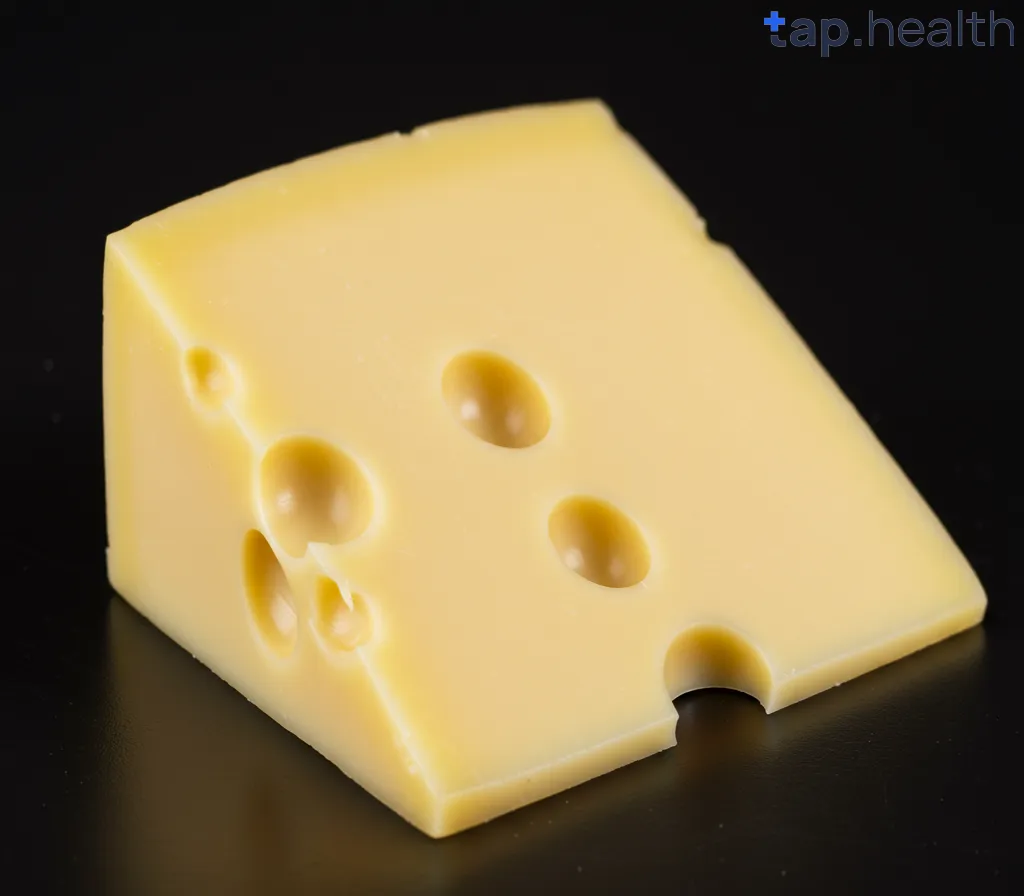
3. Swiss Cheese
Swiss cheese, known for its distinctive holes, is often used in sandwiches and is known for its mild, nutty flavor. A slice of Swiss cheese contains:
- Calories: 60–80 calories per slice
Swiss cheese is somewhat similar in calorie content to mozzarella, though it can be a little higher in fat.
4. American Cheese
American cheese is a processed cheese often used in burgers and sandwiches. A slice of American cheese contains:
- Calories: 50–70 calories per slice
American cheese is a bit lighter in calories compared to cheddar but can still contribute significantly to your calorie intake when eaten in large quantities.
5. Cream Cheese
Cream cheese is soft and spreadable, often used as a topping for bagels or in cheesecakes. A slice of cream cheese (about 0.5 ounces) contains:
- Calories: 50–60 calories per slice
Cream cheese is rich in fat, which contributes to its calorie content. While it’s delicious, it should be consumed in moderation if you’re watching your calorie intake.
6. Brie Cheese
Brie is a soft, creamy cheese with a rich flavor. It is commonly served as part of a cheese platter or in baked dishes. A slice of brie cheese contains:
- Calories: 70–90 calories per slice
Brie has a higher fat content than some other cheeses, which increases its calorie count. However, it is still a flavorful, indulgent option when eaten in moderation.
7. Parmesan Cheese
Parmesan is a hard cheese often grated over pasta dishes or used in cooking. A slice of Parmesan cheese contains:
- Calories: 20–25 calories per slice
Parmesan is lower in calories compared to softer cheeses, primarily because it’s used in smaller amounts due to its strong flavor.
Nutritional Breakdown of a Slice of Cheese
The calorie content of cheese is primarily driven by its fat and protein content. Cheese is rich in fat, including saturated fat, and provides a significant amount of calcium, protein, and other essential nutrients.
Here’s a general nutritional breakdown of a standard 0.5-ounce slice (14 grams) of cheese, assuming it’s a typical cheese like cheddar or mozzarella:
- Calories: 55–90 calories (depending on the type)
- Carbohydrates: 1–2 grams
- Fiber: 0 grams
- Sugar: 0 grams
- Protein: 3–6 grams
- Fat: 4–7 grams
- Saturated Fat: 2–5 grams
- Sodium: 100–200 milligrams
- Calcium: 60–150 milligrams (about 5–15% of the daily value)
Key Nutrients in Cheese
- Protein: Cheese is an excellent source of protein, which is essential for muscle repair, immune function, and overall health. A slice of cheese provides around 3–6 grams of protein.
- Fat: Cheese contains a fair amount of fat, including saturated fat. Saturated fat can raise cholesterol levels, so it’s important to consume cheese in moderation, especially if you’re watching your heart health.
- Calcium: Cheese is one of the best sources of calcium, an essential mineral for bone health. A slice of cheese typically provides 60–150 milligrams of calcium, contributing to strong bones and teeth.
- Sodium: Cheese can be relatively high in sodium, especially processed varieties like American cheese. One slice of cheese can contain around 100–200 milligrams of sodium, which is about 5–10% of the recommended daily intake.
- Vitamins: Cheese is a good source of Vitamin A and Vitamin B12, which are important for immune function and nerve health. Some cheeses also provide small amounts of Vitamin D.
How to Make Cheese a Healthier Part of Your Diet
While cheese is packed with essential nutrients, it can also be high in calories, fat, and sodium. Here are some tips for enjoying cheese in a healthier way:
1. Choose Lower-Fat or Light Cheese Options
Opt for low-fat or reduced-fat cheeses to cut down on saturated fat and calories. Many cheese varieties, like mozzarella, cheddar, and cream cheese, offer lighter versions that still provide the same great flavor with fewer calories.
2. Control Portion Sizes
Cheese is calorie-dense, so portion control is key. Instead of piling on extra slices, try sticking to a smaller portion. A slice of cheese (0.5 ounces) is often enough to add flavor to a dish without going overboard on calories.
3. Pair Cheese with Whole Grains and Vegetables
Balance the richness of cheese with whole grains and vegetables. Pair your cheese with whole-grain crackers, veggies, or fruits like apples or grapes. This adds fiber and nutrients to your meal while keeping the calorie count in check.
4. Use Cheese as a Flavor Enhancer
Rather than making cheese the main ingredient, use it as a flavor enhancer. For example, instead of adding cheese to an entire casserole or pizza, sprinkle a small amount on top to get that cheesy taste without overloading on calories.
5. Experiment with Lighter Cheese Alternatives
If you’re looking to cut down on calories, you can experiment with cheese alternatives made from almond milk, soy, or cashews. These options often contain fewer calories and fat than traditional dairy cheese and are great for those with lactose intolerance or following plant-based diets.
How Does Cheese Compare to Other Foods?
Cheese can be compared to other common snacks in terms of calories. Here’s a comparison of a typical 0.5-ounce slice of cheese with other popular snack options:
- Cheese Slice (0.5 oz): About 55–90 calories
- Hard-Boiled Egg: About 70 calories
- Apple: About 80 calories
- Crackers (5 pieces): About 70–100 calories
- Greek Yogurt (plain, 6 oz): About 100 calories
As you can see, a slice of cheese is a relatively calorie-dense snack compared to fruits and some other foods. However, it’s rich in protein and calcium, which makes it a valuable part of a balanced diet when consumed in moderation.
Frequently Asked Questions (FAQs) on How Many Calories in a Slice of Cheese?
1. How many calories are in a slice of cheese?
The number of calories in a slice of cheese varies depending on the type. For a typical cheddar or mozzarella slice (0.5 oz), it’s about 55–90 calories.
2. Is cheese high in calories?
Cheese is relatively high in calories due to its fat content. A small slice can have 55–90 calories, but cheese is nutrient-dense and provides protein, calcium, and other essential nutrients.
3. How many calories in a slice of American cheese?
A slice of American cheese (0.5 oz) contains about 50–70 calories, depending on the brand.
4. What is the healthiest cheese to eat?
The healthiest cheeses are those that are low-fat or reduced-fat. Examples include part-skim mozzarella, feta, and ricotta. These options are lower in calories and fat compared to full-fat cheeses like cheddar.
5. Can I eat cheese on a diet?
Yes, you can eat cheese on a diet, but it’s important to control portion sizes due to its calorie density. Opt for lower-fat cheeses or use cheese as a topping or flavor enhancer rather than the main ingredient.
6. How many slices of cheese should I eat per day?
Moderation is key when eating cheese. A serving size is typically one slice (0.5 ounces), and consuming 1-2 slices per day is generally a reasonable amount. If you’re watching your calorie intake, consider using cheese sparingly.
Conclusion
A slice of cheese typically contains 55–90 calories, depending on the type of cheese. While cheese is packed with beneficial nutrients like protein, calcium, and vitamins, it can be high in calories and fat. By controlling portion sizes, choosing lower-fat options, and pairing cheese with nutrient-dense foods, you can enjoy cheese in a healthy way as part of a balanced diet. Whether you’re adding cheese to a sandwich, pizza, or enjoying it as a snack, moderation is key to making it fit into your lifestyle.