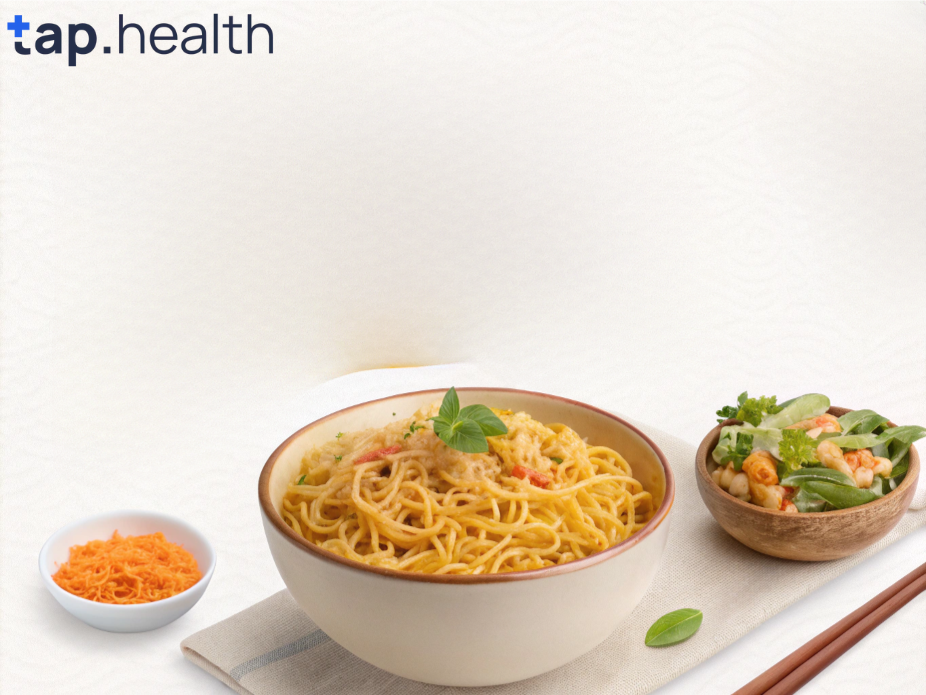
Maggi noodles, one of the most beloved instant foods around the world, are famous for their quick preparation and satisfying taste. Whether you’re in a rush, feeling lazy, or simply craving something familiar, a bowl of Maggi noodles is often the go-to choice for many. However, if you’re keeping track of your calorie intake, you may have wondered, “How many calories are in Maggi?”
The calorie count of a bowl of Maggi depends on various factors, such as the serving size, the type of noodles, the seasonings used, and any additional ingredients like vegetables or eggs. Understanding the nutritional content of Maggi can help you make informed choices, especially if you are managing your weight or maintaining a healthy lifestyle.
In this detailed guide, we will delve into the calories in Maggi noodles, the nutritional profile, potential health benefits, and address frequently asked questions to provide you with a complete understanding of this popular snack.
How Many Calories Are in Maggi Noodles?
Calories in a Standard Pack of Maggi
The standard pack of Maggi noodles weighs around 70 grams and contains the noodles along with a seasoning packet. The calorie count of a typical Maggi noodle pack can vary slightly based on the flavor (e.g., masala, chicken, or curry), but on average, a standard pack of Maggi noodles contains:
- Calories in 1 pack of Maggi noodles (70 grams): 310-350 calories
This calorie content is primarily from carbohydrates and fats, as Maggi noodles are made from refined wheat flour and cooked with a small amount of oil during processing.
Calories in Maggi with the Seasoning Packet
The seasoning packet that comes with Maggi noodles adds not just flavor but also calories. The average seasoning packet adds about 40-50 calories to the total calorie count. When you mix the seasoning with the noodles, you can expect a total of:
- Calories in 1 pack of Maggi noodles with seasoning: 350-400 calories
This calorie range can vary depending on the type of seasoning and the amount used. Some people may use less seasoning to reduce the sodium content and calories, while others may use extra for more flavor.
Calories in Maggi with Added Ingredients
Many people add extra ingredients to their Maggi noodles to boost the flavor and nutritional value. These additions can significantly increase the total calorie count of your Maggi meal. Common additions include:
- Egg: Adding one boiled or scrambled egg adds approximately 70-90 calories.
- Vegetables: Adding vegetables like peas, carrots, or spinach increases the nutrient content without adding significant calories. A handful of vegetables might add 20-50 calories.
- Cheese: Adding cheese will increase the calorie content significantly. One slice of cheese can add approximately 60-80 calories.
- Butter or Ghee: If you use butter or ghee to cook the noodles, each tablespoon can add 45-60 calories.
When you add ingredients like eggs, cheese, or butter, the calorie content of your Maggi meal can easily exceed 500-600 calories or more, depending on the amount of each ingredient used.
Nutritional Breakdown of Maggi Noodles
Maggi noodles are mostly made of refined wheat flour, which provides the bulk of the carbohydrates, fats, and proteins. Here’s the average nutritional breakdown for 1 standard pack (70 grams) of Maggi noodles:
- Calories: 310-350 calories
- Carbohydrates: 45-50 grams
- Sugars: 0-2 grams
- Fiber: 1-2 grams
- Protein: 6-7 grams
- Fat: 14-16 grams
- Saturated fat: 4-5 grams
- Sodium: 800-900 mg
- Vitamins and Minerals: Small amounts of iron, calcium, and B vitamins.
Carbohydrates
Maggi noodles are high in carbohydrates, which provide a quick source of energy. The refined flour used to make the noodles lacks fiber, which means it digests quickly, causing a rapid rise in blood sugar levels. This makes Maggi a quick energy boost but not a long-lasting source of energy.
Proteins
Maggi noodles contain a moderate amount of protein, primarily derived from wheat. The protein content is not sufficient for muscle repair or growth, so it’s important to pair Maggi with protein-rich foods (such as eggs or legumes) if you want to increase the overall protein content.
Fats
Maggi noodles contain a significant amount of fat, especially from the oil used during the manufacturing process. The fat content is mainly composed of saturated fat, which, when consumed in large quantities, may contribute to heart disease if not balanced with healthier fats.
Sodium
Maggi noodles are notoriously high in sodium, especially because of the seasoning packet. A single serving can provide up to 900 mg of sodium, which is a significant portion of the recommended daily intake. Excessive sodium intake can lead to high blood pressure, water retention, and other cardiovascular issues.
Health Considerations of Eating Maggi Noodles
While Maggi noodles are convenient and tasty, they are not the most nutritious food. Here are some health considerations when consuming Maggi:
1. High in Refined Carbs
Maggi noodles are made from refined wheat flour, which is low in fiber and nutrients compared to whole grains. Refined carbs can cause spikes in blood sugar levels, leading to increased hunger and cravings shortly after eating. Over time, consuming too many refined carbohydrates may increase the risk of obesity and type 2 diabetes.
2. High Sodium Content
One of the main concerns with Maggi noodles is the high sodium content in both the noodles and seasoning packet. Excessive sodium can cause high blood pressure and increase the risk of heart disease and stroke. It’s important to monitor your sodium intake, especially if you’re consuming Maggi frequently.
3. Low Nutrient Density
Maggi noodles are not a rich source of vitamins and minerals, especially when compared to whole foods like fruits, vegetables, and whole grains. If you rely too heavily on instant noodles, you may not be getting enough essential nutrients like fiber, vitamins, and antioxidants.
4. Presence of Artificial Additives
Maggi noodles often contain artificial preservatives, flavor enhancers like MSG (monosodium glutamate), and other additives to improve the shelf life and flavor. While these additives are generally considered safe in moderate amounts, they can cause allergic reactions or sensitivities in some individuals.
5. Risk of Overeating
Because Maggi noodles are high in refined carbs and fats, they may not be as filling as more nutrient-dense foods. This can lead to overeating, especially if you consume larger portions or eat multiple packs in a sitting. Overeating Maggi noodles can contribute to weight gain if not balanced with other healthy foods.
How to Make Maggi Noodles Healthier
If you love Maggi noodles but want to make them a bit healthier, here are some tips to reduce the calorie content and enhance their nutritional value:
1. Add Vegetables
Adding vegetables like carrots, peas, spinach, or broccoli can boost the fiber, vitamins, and minerals in your Maggi meal. Vegetables help add bulk to your meal, making it more filling and nutritious without significantly increasing the calorie count.
2. Use Less Oil and Seasoning
You can reduce the calorie and sodium content by using less oil or ghee when cooking Maggi. Similarly, use only a portion of the seasoning packet to cut down on the sodium. You can also create your own seasoning mix using herbs and spices like turmeric, cumin, or coriander to reduce added salt.
3. Add a Protein Source
To increase the protein content of your Maggi, consider adding an egg, tofu, or even a handful of cooked chickpeas or lentils. This helps make the meal more balanced, supporting muscle repair and keeping you fuller for longer.
4. Opt for Whole Wheat or Rice Noodles
If you’re looking for a slightly healthier alternative to traditional Maggi noodles, consider using whole wheat noodles or rice noodles. These options offer more fiber and nutrients compared to the refined wheat flour used in standard Maggi noodles.
Frequently Asked Questions (FAQs) About Maggi Calories
1. How many calories are in a pack of Maggi noodles?
A standard pack of Maggi noodles (70 grams) contains around 310-350 calories, depending on the type of noodles and seasoning used.
2. Are Maggi noodles unhealthy?
Maggi noodles can be unhealthy if consumed in excess due to their high sodium, fat, and refined carb content. They lack essential nutrients like fiber and vitamins, so they should be eaten in moderation and with healthier additions like vegetables or protein.
3. How can I reduce the calories in Maggi noodles?
To reduce calories in Maggi noodles, use less oil or ghee when cooking, add vegetables to increase fiber, and use less seasoning or make your own seasoning mix with herbs and spices.
4. Can I eat Maggi noodles while on a diet?
You can eat Maggi noodles while on a diet, but it’s important to control portions and pair them with nutritious ingredients like vegetables and protein to make the meal more balanced.
5. Are there any healthier alternatives to Maggi noodles?
Healthier alternatives to Maggi noodles include whole wheat noodles, rice noodles, or homemade noodle dishes using whole grains and fresh vegetables. You can also try using spiralized vegetables as a low-carb substitute.
Conclusion
Maggi noodles are a convenient, affordable, and tasty snack that can fit into many different meal plans. However, the calorie content of Maggi noodles can add up quickly, especially if you add additional ingredients like ghee, cheese, or eggs. A single pack of Maggi noodles contains around 310-350 calories, with the potential for extra calories depending on how it is prepared.
While Maggi noodles are not the healthiest option in terms of nutrient density, they can still be enjoyed occasionally as part of a balanced diet. By modifying your cooking methods and adding healthier ingredients, you can make your Maggi noodles more nutritious and lower in calories. Always keep portion sizes in mind to avoid overeating and balance your meal with other nutrient-dense foods.