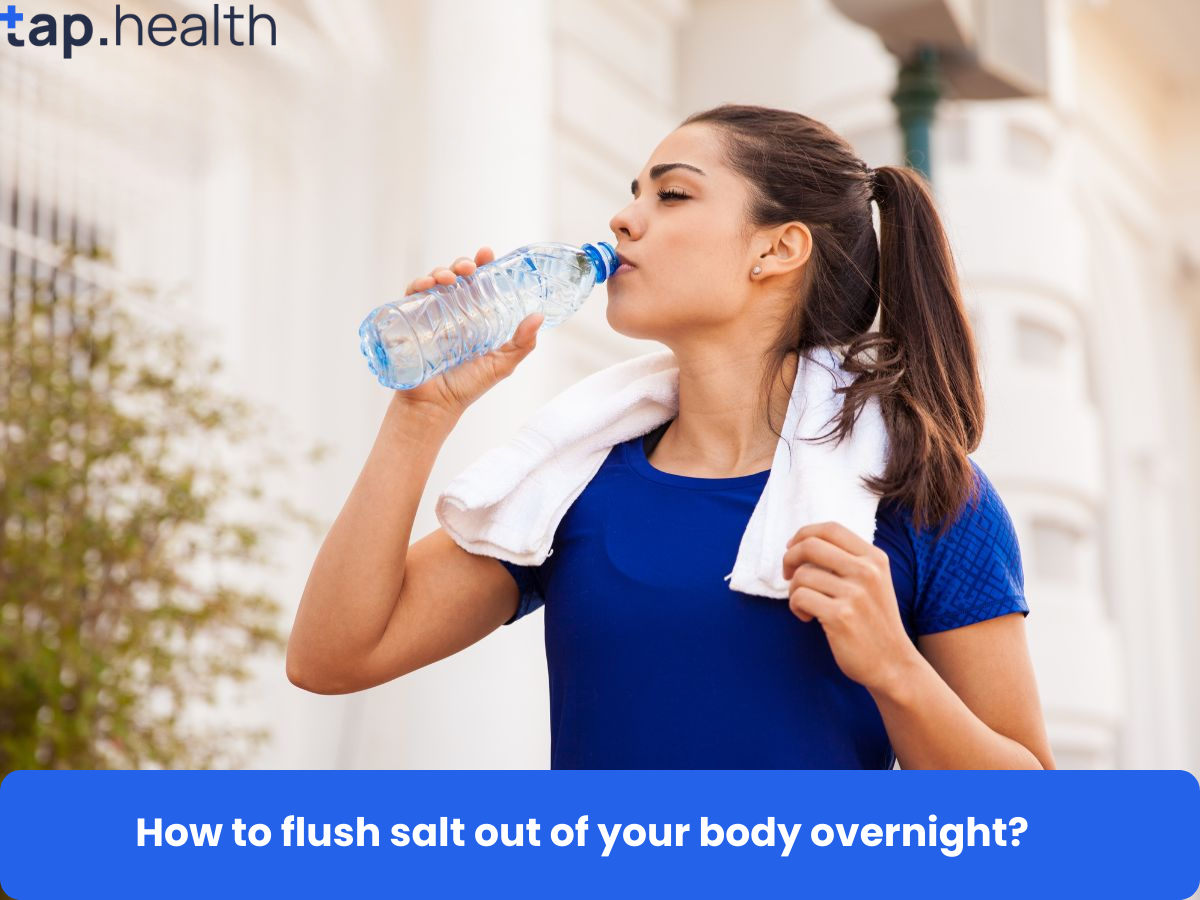
We have all been there. You enjoyed a delicious dinner last night—maybe a cheesy pizza, a spicy biryani, or a bag of salty chips while watching a movie. But when you wake up the next morning, you feel heavy. Your rings feel tight on your fingers, your face looks puffy, and your tummy feels bloated.
This is called water retention, and it happens because you have too much sodium (salt) in your system.
If you are wondering how to flush salt out of your body overnight, you are in the right place. While your kidneys need a bit of time to do their job, there are proven ways to speed up the process and feel better by morning. This guide explains simple, natural methods to get your salt levels back to normal without using complicated medicines.
Shutterstock
Understanding Sodium and Water Retention
Before we fix the problem, let us understand what is happening inside you. Sodium is a mineral that our body needs to work properly. It helps with nerve signals and muscle movements. However, sodium acts like a magnet for water.
When you eat too much salt, your body holds onto extra water to dilute that salt. This keeps your blood concentration balanced. This extra water is what causes the bloated feeling and the puffiness in your face or ankles.
According to health experts, the kidneys act as filters. They sort out the salt and send the excess out through your urine. To help them work faster, you need to give them the right tools.
The Best Ways to Flush Salt Out Overnight
If you want to debloat quickly, you need a strategy. Here are the most effective steps you can take immediately.
1. Drink Plenty of Water
It sounds strange, right? Why drink more water if you are already holding water?
This is the most important rule. When you are dehydrated, your body panics and holds onto every drop of water it has. By drinking lots of plain water, you signal to your body that it is safe to let go of the stored fluid.
How it works:
- Drinking water dilutes the sodium in your bloodstream.
- It increases urine production, which carries the salt out of your body.
- Target: Aim to drink at least 2–3 litres of water over the next 24 hours.
2. Eat Potassium-Rich Foods
Potassium and sodium are like two sides of a see-saw. When sodium goes up, potassium helps bring it down. Potassium helps your kidneys excrete (remove) more sodium through urine.
If you have had a salty meal, try eating these foods before bed or for breakfast:
- Bananas: One of the best sources of potassium.
- Curd (Yogurt): A bowl of plain dahi is excellent for digestion and balance.
- Coconut Water: This is nature’s electrolyte drink and works wonders for hydration.
- Spinach: A light spinach soup or salad can help.
3. Get Moving (Sweat it Out)
If you are feeling heavy, light exercise can help. You do not need to run a marathon, but moving your body increases blood flow and helps you sweat.
Sweat contains salt. By sweating, you are literally pushing some of the excess sodium out through your skin. A brisk 20-minute walk or some light yoga stretches can help kickstart your system and reduce bloating.
4. Sleep Well
Never underestimate the power of a good night’s sleep. While you sleep, your body goes into “repair mode.” Your kidneys work hard to filter your blood and regulate water balance while you rest.
Ensure you sleep with your head slightly elevated with a pillow. This helps prevent fluid from pooling in your face, so you do not wake up with puffy eyes.
Real-Life Scenario
Let us look at a common example.
Meet Priya: It is Diwali time, and Priya has spent the evening eating samosas, salty snacks, and heavy curries. By 10 PM, she feels extremely thirsty and her stomach feels tight.
What Priya Does: Instead of drinking a sugary soda (which would make it worse), she drinks a large glass of lukewarm water. She eats a small banana to boost her potassium. She avoids eating any more snacks after 8 PM.
The Result: When she wakes up, she drinks another two glasses of water. While she still feels a little heavy, her face is less puffy than usual, and after using the washroom a few times, she feels much lighter by noon. She successfully helped her body flush out the salt.
Expert Contribution
Medical professionals emphasise that “flushing” salt is a biological process, not magic.
Dr. R. Sharma, a General Physician, notes:
“Patients often ask for a pill to reduce bloating instantly. We always tell them: water is the best medicine. Your kidneys are designed to handle salt, but you must keep them hydrated. Also, avoiding processed foods for the next 48 hours is crucial to stop the cycle of retention.”
Experts from the Mayo Clinic also suggest that reducing sodium intake in your daily diet is better than trying to fix a binge later. However, for immediate relief, hydration is the key.
Recommendations Grounded in Proven Research and Facts
Scientific studies support the methods mentioned above. Here is what the research says:
- The Potassium Effect: Research linked to the DASH diet (Dietary Approaches to Stop Hypertension) proves that increasing potassium intake directly lowers blood pressure and helps excrete sodium.
- Hydration Studies: A study published in medical journals confirms that increased fluid intake increases urine volume, which effectively lowers urine concentration and removes solutes (like salt).
- Sleep and Kidneys: Research from the National Sleep Foundation suggests that lack of sleep can disrupt the hormones that regulate salt and water balance, making bloating worse.
What NOT to Do When You Are Bloated
When people panic about bloating, they often make mistakes that can make the situation worse.
Avoid Diuretic Teas and Pills
Do not take “water pills” (diuretics) unless a doctor prescribed them. While they make you pee, they can mess up your electrolytes and cause dehydration. Stick to natural methods.
Do Not Starve Yourself
Skipping breakfast because you feel heavy is a bad idea. Your body needs energy to function. Eat a light breakfast, like oatmeal with fruit or a boiled egg (without added salt).
Avoid Coffee and Alcohol
Alcohol is dehydrating. It might seem like it helps you lose fluid, but it leaves your cells dry and thirsty, which makes the body hold onto water later. Coffee, in large amounts, can do the same. Stick to water or herbal tea (like peppermint or ginger tea).
Signs You Should See a Doctor
Occasional bloating from a salty meal is normal. However, if you are constantly retaining water, it could be a sign of a deeper issue.
Consult a doctor if you notice:
- Swelling that leaves a “dent” when you press it (pitting edema).
- Swelling in only one leg.
- Shortness of breath.
- Chest pain.
These could be signs of heart or kidney issues that require medical attention, not just home remedies.
Key Takeaways
To summarise, you cannot magically remove all salt in one hour, but you can significantly speed up the process overnight.
- Hydrate: Drink 2–3 litres of water to help your kidneys filter blood.
- Balance: Eat potassium-rich foods like bananas, yogurt, and leafy greens.
- Move: Light exercise helps you sweat out salt and improves circulation.
- Rest: Sleep allows your body to regulate fluids naturally.
- Avoid: Stay away from alcohol, more salt, and sugary drinks.
By following these simple steps, you will help your body reset and feel lighter, healthier, and more energetic the next day.
Frequently Asked Questions (FAQs) on How to flush salt out of your body overnight?
Does lemon water flush out sodium?
Yes, lemon water can help. Lemon is a natural diuretic, which means it encourages your body to urinate. It also encourages you to drink more water because of the flavour, which is the main key to flushing out sodium.
How long does it take to flush salt out of your system?
Generally, healthy kidneys can regulate sodium levels within 24 to 48 hours. However, if you drink plenty of water and eat potassium-rich foods, you can start reducing bloating and feeling better overnight.
Can sweating remove excess salt?
Yes, sweating is one of the ways the body eliminates minerals. Doing light exercise or sitting in a steam room can help you lose a small amount of sodium through your skin, reducing water retention.
Is yogurt good for salt bloating?
Absolutely. Yogurt (curd) is rich in potassium and protein. Potassium helps counter the effects of sodium, and the probiotics in yogurt help with overall digestion and gut health, reducing the bloated feeling.
Does drinking hot water help flush out salt?
Warm or hot water can stimulate digestion and improve blood circulation. While the temperature doesn’t directly remove salt, warm water can help soothe a bloated stomach and make bowel movements easier, helping you feel lighter.
What is the fastest way to cure a salt hangover?
The fastest method is aggressive hydration. Start drinking water immediately, avoid any more salty food, and eat a banana. This combination helps dilute the salt in your blood and signals your kidneys to start flushing it out.
References
- Mayo Clinic: Sodium: How to tame your salt habit
- Healthline: 13 Ways to Reduce Water Weight Fast
- National Kidney Foundation: Sodium and Your Kidneys
- Harvard T.H. Chan School of Public Health: The Salt and Potassium Connection