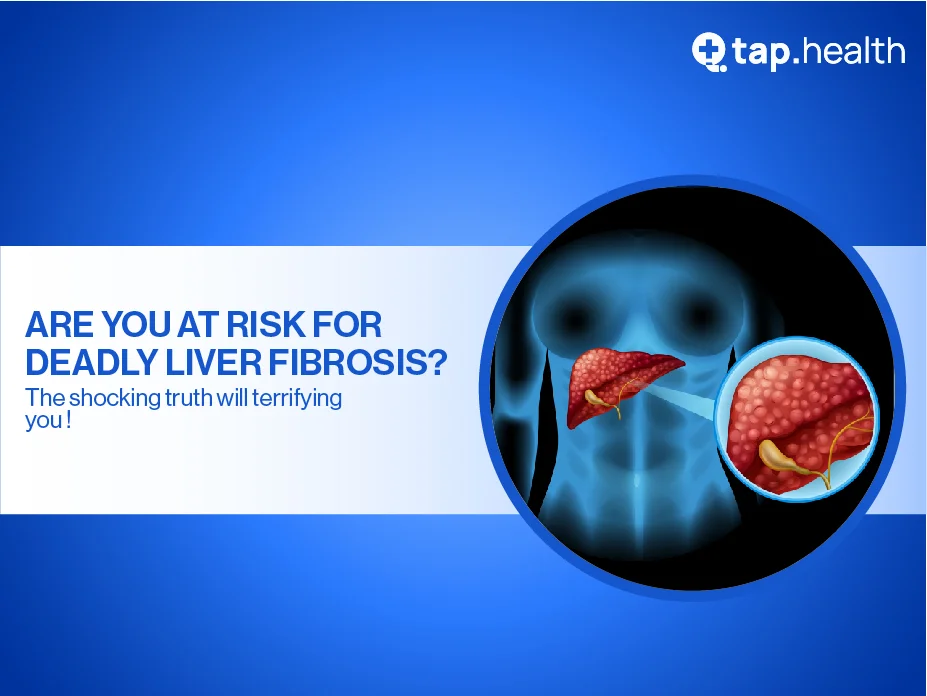
Liver fibrosis is a serious condition characterized by the scarring and stiffening of liver tissue, which can impair its critical functions. If left untreated, it may progress to severe complications like cirrhosis or liver cancer. Understanding the causes and risk factors of liver fibrosis is essential for early detection, effective management, and prevention. This article explores the primary causes, risk factors, and preventive measures for liver fibrosis, answering common questions about this chronic liver condition.
What is Liver Fibrosis and Why Does It Matter?
Liver fibrosis occurs when excessive scar tissue replaces healthy liver cells due to prolonged damage. This scarring disrupts the liver’s ability to perform vital tasks like detoxification, nutrient metabolism, and protein synthesis. Left unchecked, fibrosis can progress to cirrhosis, leading to severe health complications.
Key Points:
- Definition: Liver fibrosis is the buildup of scar tissue in the liver, reducing its functionality.
- Impact: It affects detoxification, blood sugar regulation, bile production, and blood clotting.
- Consequences: Advanced fibrosis may lead to cirrhosis, liver cancer, or hepatic encephalopathy.
What Are the Primary Causes of Liver Fibrosis?
Liver fibrosis develops due to chronic liver damage from various sources. Identifying these causes is crucial for prevention and timely intervention.
Chronic Infections
Viral infections like hepatitis B and C are leading causes of liver fibrosis. These viruses cause ongoing inflammation, leading to scar tissue formation over time.
Excessive Alcohol Consumption
Heavy drinking over prolonged periods damages liver cells, triggering inflammation and fibrosis. Alcohol-related liver disease is a common cause of liver scarring.
Non-Alcoholic Fatty Liver Disease (NAFLD)
NAFLD, often linked to obesity and metabolic syndrome, causes fat buildup in the liver, leading to inflammation and fibrosis if untreated.
Toxins and Medications
Exposure to environmental toxins or long-term use of certain medications, such as methotrexate, can harm the liver and contribute to fibrosis.
Autoimmune and Genetic Conditions
Autoimmune hepatitis and genetic disorders like hemochromatosis or Wilson’s disease can cause liver inflammation and scarring.
What Are the Risk Factors for Developing Liver Fibrosis?
Several factors increase the likelihood of developing liver fibrosis. Understanding these risk factors helps individuals take proactive steps to protect their liver.
Genetic Predispositions
- Family History: A family history of liver disease increases susceptibility to fibrosis.
- Genetic Mutations: Conditions like alpha-1 antitrypsin deficiency can predispose individuals to liver damage.
Lifestyle Factors
- Obesity: Excess body weight contributes to NAFLD, a significant risk factor for fibrosis.
- Unhealthy Diet: Diets high in processed foods and sugars strain the liver.
- Alcohol Use: Chronic alcohol consumption is a major risk factor for liver damage.
- Smoking: Tobacco use exacerbates liver inflammation and fibrosis risk.
Medical Conditions
- Diabetes: Poorly managed diabetes increases the risk of NAFLD and fibrosis.
- Chronic Infections: Untreated hepatitis B or C significantly elevates fibrosis risk.
Environmental Exposures
- Toxins: Prolonged exposure to industrial chemicals or pollutants can damage the liver.
How Do Genetics Influence Liver Fibrosis?
Genetic factors play a critical role in determining an individual’s susceptibility to liver fibrosis. Certain genetic mutations can accelerate liver damage, even without external triggers like alcohol or infections.
- Hereditary Conditions: Disorders like hemochromatosis (iron overload) or Wilson’s disease (copper accumulation) directly contribute to liver scarring.
- Genetic Variants: Specific gene mutations increase inflammation or impair liver repair mechanisms.
- Family Screening: Individuals with a family history of liver disease should undergo regular screenings to detect early signs of fibrosis.
What Lifestyle Changes Increase Liver Fibrosis Risk?
Unhealthy lifestyle choices are significant contributors to liver fibrosis. Addressing these can prevent or delay disease progression.
- Excessive Alcohol: Regular heavy drinking overwhelms the liver’s ability to regenerate, leading to scarring.
- Poor Diet: High-fat, high-sugar diets promote fat accumulation in the liver, increasing NAFLD risk.
- Sedentary Lifestyle: Lack of physical activity exacerbates obesity and metabolic issues, contributing to liver damage.
- Smoking and Toxins: Smoking and exposure to harmful chemicals add stress to the liver, worsening inflammation.
How Can You Recognize Early Signs of Liver Fibrosis?
Early detection of liver fibrosis is critical for effective management. While early stages may be asymptomatic, certain signs can indicate liver issues.
- Fatigue: Persistent tiredness or weakness may signal early liver dysfunction.
- Mild Abdominal Pain: Discomfort in the upper right abdomen can be an early warning.
- Unexplained Weight Loss: Sudden weight loss without dietary changes may indicate liver stress.
- General Weakness: A lack of energy can be an early symptom of liver fibrosis.
What Are the Complications of Untreated Liver Fibrosis?
If left untreated, liver fibrosis can lead to serious health complications, significantly impacting quality of life.
- Cirrhosis: Extensive scarring leads to permanent liver damage and dysfunction.
- Liver Cancer: Fibrosis increases the risk of hepatocellular carcinoma.
- Portal Hypertension: Scarring raises blood pressure in the liver’s portal vein, causing complications like esophageal varices.
- Hepatic Encephalopathy: Toxin buildup due to impaired liver function can affect brain function.
How is Liver Fibrosis Diagnosed?
Accurate diagnosis is essential for managing liver fibrosis. Healthcare providers use a combination of tests to assess liver health.
- Blood Tests: Liver function tests measure enzyme levels to detect inflammation or damage.
- Imaging Studies: Ultrasound, CT, or MRI scans visualize liver scarring and structure.
- Liver Biopsy: A tissue sample confirms the extent of fibrosis and identifies underlying causes.
- Non-Invasive Tests: Tools like FibroScan measure liver stiffness without invasive procedures.
What Treatments Are Available for Liver Fibrosis?
Treatment for liver fibrosis focuses on addressing underlying causes, slowing progression, and improving liver function.
- Medications: Antiviral drugs for hepatitis or anti-inflammatory medications can reduce liver damage.
- Lifestyle Changes: Weight loss, alcohol cessation, and a healthy diet support liver recovery.
- Surgical Interventions: In severe cases, procedures like liver transplantation may be necessary.
How Can You Prevent Liver Fibrosis?
Preventing liver fibrosis involves adopting healthy habits and minimizing risk factors.
- Limit Alcohol: Reducing or eliminating alcohol consumption protects liver health.
- Healthy Diet: A balanced diet rich in fruits, vegetables, and whole grains supports liver function.
- Regular Exercise: Physical activity helps maintain a healthy weight and reduces NAFLD risk.
- Vaccinations: Hepatitis B vaccination prevents viral infections that cause fibrosis.
- Avoid Toxins: Minimize exposure to harmful chemicals and medications that strain the liver.
When Should You Seek Medical Attention?
Prompt medical attention is crucial if you experience symptoms of liver fibrosis or have risk factors.
- Persistent Symptoms: Seek help for ongoing fatigue, jaundice, or abdominal swelling.
- High-Risk Groups: Individuals with hepatitis, heavy alcohol use, or family history should get regular check-ups.
- Sudden Changes: Unexplained weight loss or dark urine warrants immediate evaluation.
Conclusion
Liver fibrosis is a progressive condition that can lead to severe complications if not addressed early. By understanding its causes, such as chronic infections, alcohol consumption, and genetic factors, and recognizing risk factors like obesity and unhealthy diets, individuals can take proactive steps to protect their liver. Regular screenings, lifestyle changes, and timely medical care are essential for preventing and managing liver fibrosis. Adopting healthy habits and staying vigilant about liver health can ensure a better quality of life and reduce the risk of serious liver complications.