According to the American Heart Association, high blood pressure, also known as hypertension, is a common condition that affects many individuals. In certain cases, it can be a medical emergency and requires immediate attention. Understanding what high blood pressure is and its causes can help individuals take the necessary steps to lower it instantly in an emergency. This article will explore the various aspects of high blood pressure and provide tips on how to lower it quickly and effectively.
What is high blood pressure in an emergency?
In an emergency, high blood pressure refers to a sudden and severe increase in the force exerted by blood against the walls of the arteries. This spike in blood pressure can be dangerous and lead to severe health complications, such as heart attacks, strokes, or organ damage. It is important to recognize the signs and symptoms of high blood pressure to initiate appropriate measures promptly.
High blood pressure, also known as hypertension, is a common condition that affects millions of people worldwide. It is often referred to as the “silent killer” because it typically does not cause noticeable symptoms until it reaches a critical stage. In emergencies, when blood pressure rises to dangerously high levels, individuals may experience symptoms such as severe headaches, shortness of breath, chest pain, and vision problems.
When high blood pressure becomes an emergency, immediate medical attention is crucial to prevent life-threatening complications. Healthcare providers may administer medications to lower blood pressure rapidly or perform procedures to stabilize the condition. Individuals with a history of hypertension need to monitor their blood pressure regularly and follow their healthcare provider’s recommendations to prevent emergencies related to high blood pressure.
What are the causes of high blood pressure?
High blood pressure can be caused by several factors, both genetic and lifestyle-related. Genetic factors include a family history of hypertension, age, and ethnicity. Lifestyle factors that contribute to high blood pressure include an unhealthy diet high in sodium, lack of physical activity, obesity, excessive alcohol consumption, smoking, and chronic stress. Understanding these causes can help individuals make necessary changes to manage their blood pressure effectively.
It’s important to note that high blood pressure, also known as hypertension, is often referred to as the “silent killer” because it typically has no symptoms but can lead to serious health complications such as heart disease, stroke, and kidney failure if left untreated. This is why regular blood pressure monitoring and understanding the risk factors are crucial for maintaining good cardiovascular health.
Furthermore, research has shown that certain medical conditions can also contribute to high blood pressure, such as diabetes, sleep apnea, and kidney disease. These underlying health issues can exacerbate hypertension and should be managed in conjunction with blood pressure treatment. Additionally, factors like excessive salt intake, which can lead to fluid retention and increased blood volume, play a significant role in elevating blood pressure levels.
Signs and symptoms of high blood pressure
Identifying the signs and symptoms of high blood pressure is crucial in an emergency. Common symptoms may include severe headaches, shortness of breath, chest pain, dizziness, blurred vision, and confusion. However, it is important to note that high blood pressure may often be asymptomatic, making regular blood pressure monitoring essential, especially for individuals at risk.
High blood pressure, also known as hypertension, is a condition where the force of the blood against the walls of the arteries is consistently too high. This can lead to serious health complications such as heart disease, stroke, and kidney problems. Hypertension is often referred to as the “silent killer” because it can go unnoticed for years without any obvious symptoms, silently damaging the body’s organs.
When left untreated, high blood pressure can cause damage to the blood vessels, increasing the risk of atherosclerosis, a condition where the arteries become narrowed and hardened due to a buildup of plaque. This can restrict blood flow to vital organs like the heart and brain, leading to potentially life-threatening events such as heart attacks and strokes. Managing high blood pressure through lifestyle changes, medication, and regular monitoring is crucial in preventing these serious complications.
10 Tricks to Lower Blood Pressure Instantly in an Emergency
While seeking immediate medical assistance is crucial in an emergency, some home remedies can be employed to help lower blood pressure instantly. These natural remedies can complement medical interventions and potentially provide temporary relief. It is important to note, however, that these measures are not substitutes for professional medical advice and are best utilized alongside proper medical care.
Now, let’s dive deeper into each of these home remedies and explore the fascinating details behind their effectiveness:
1. Practice deep breathing exercises
Deep breathing exercises, such as diaphragmatic breathing or belly breathing, can help promote relaxation and reduce stress levels. This, in turn, may help lower blood pressure temporarily. When we take slow, deep breaths, it signals our body to activate the parasympathetic nervous system, which counteracts the effects of stress hormones and helps to bring our blood pressure down.
2. Modify dietary habits
Consuming a diet rich in fruits, vegetables, whole grains, and low-fat dairy products while limiting salt, saturated fats, and processed foods can contribute to better blood pressure control. The nutrients found in these wholesome foods, such as potassium, magnesium, and fiber, have been shown to have a positive impact on blood pressure levels. Additionally, reducing sodium intake helps to prevent fluid retention and decrease the strain on the blood vessels.
3. Engage in regular physical activity
Regular exercise, such as brisk walking, swimming, or cycling, can help lower blood pressure and improve overall cardiovascular health. When we engage in physical activity, our heart becomes stronger, allowing it to pump blood more efficiently. This increased efficiency leads to lower blood pressure over time. Moreover, exercise stimulates the production of nitric oxide, a compound that helps dilate blood vessels, promoting better blood flow and reducing pressure on arterial walls.
4. Reduce stress levels
Managing stress through techniques such as meditation, yoga, or engaging in hobbies can have a positive impact on blood pressure. Chronic stress can contribute to elevated blood pressure levels, as it activates the sympathetic nervous system, triggering the release of stress hormones like cortisol. By incorporating stress-reducing activities into our daily routine, we can help counteract these effects and promote a healthier blood pressure response.
5. Avoid tobacco and limit alcohol consumption
Smoking and excessive alcohol consumption can raise blood pressure levels. Quitting smoking and moderating alcohol intake can help in blood pressure management. The chemicals present in tobacco smoke can damage blood vessels, leading to increased resistance and higher blood pressure.
Similarly, excessive alcohol consumption can disrupt the delicate balance of our cardiovascular system, causing blood pressure to rise. By deciding to quit smoking and drink alcohol in moderation, we can take significant steps towards maintaining healthy blood pressure.
6. Maintain a healthy weight
Losing excess weight, especially abdominal fat, can significantly lower blood pressure levels. When we carry excess weight, our heart has to work harder to pump blood throughout the body, leading to increased pressure on the arterial walls. By shedding those extra pounds through a combination of a balanced diet and regular exercise, we can alleviate this strain and reduce blood pressure.
7. Limit caffeine intake
Caffeine can temporarily raise blood pressure, so it is advisable to restrict the consumption of caffeinated beverages, such as coffee and energy drinks. While the exact mechanism behind this effect is not fully understood, it is believed that caffeine blocks a hormone that helps keep our arteries widened, resulting in a temporary increase in blood pressure. By moderating our caffeine intake, we can avoid these short-term spikes and promote healthier blood pressure levels.
8. Get sufficient sleep
Adequate sleep plays a vital role in maintaining blood pressure levels. Aim for 7-9 hours of quality sleep per night. During sleep, our body undergoes various restorative processes, including the regulation of blood pressure. Lack of sleep can disrupt these processes and lead to higher blood pressure levels. By prioritizing a good night’s sleep, we can support our body’s natural mechanisms for blood pressure control.
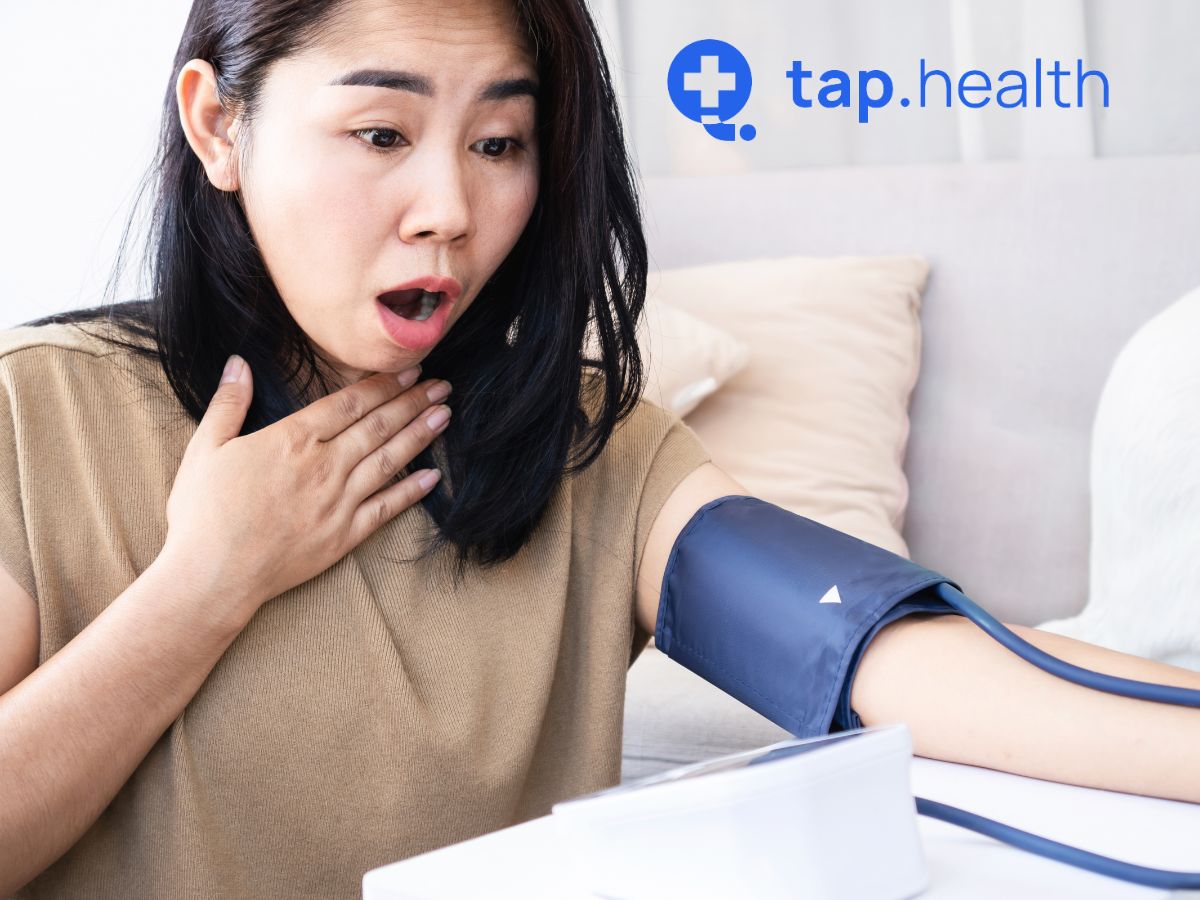
9. Monitor blood pressure regularly
Keeping track of blood pressure readings at home can provide valuable information for healthcare professionals and help in managing blood pressure effectively. By using a home blood pressure monitor, we can detect any fluctuations or trends in our blood pressure levels. This information can assist healthcare providers in making informed decisions regarding our treatment plan and ensure that our blood pressure is well-managed.
10. Stay hydrated
Ensuring proper hydration by drinking an adequate amount of water can support optimal blood pressure levels. When we are dehydrated, our blood volume decreases, causing our blood vessels to constrict and our blood pressure to rise. By staying hydrated, we help maintain an adequate blood volume, allowing our blood vessels to relax and our blood pressure to remain within a healthy range.
By incorporating these home remedies into our daily lives, we can take proactive steps towards managing our blood pressure and promoting overall cardiovascular health. Remember, while these remedies can provide temporary relief, it is essential to consult with a healthcare professional for a comprehensive evaluation and personalized advice.
When to consult a doctor?
It is important to seek immediate medical attention in emergencies, especially if high blood pressure symptoms are severe or accompanied by chest pain, difficulty breathing, or signs of a stroke. Additionally, regular check-ups with healthcare professionals are essential for monitoring blood pressure, evaluating risk factors, and receiving appropriate medical advice and treatment.
High blood pressure, also known as hypertension, is a common condition that affects millions of people worldwide. It is often referred to as the “silent killer” because it typically has no symptoms until it causes serious health problems such as heart disease, stroke, or kidney failure. Therefore, it is crucial to have your blood pressure checked regularly, even if you feel fine, to detect any potential issues early and prevent complications.
Aside from medical interventions, lifestyle changes can also play a significant role in managing high blood pressure. These changes may include adopting a healthy diet rich in fruits, vegetables, whole grains, and lean proteins, as well as engaging in regular physical activity and maintaining a healthy weight. Limiting alcohol consumption, quitting smoking, and managing stress levels are also important factors in controlling blood pressure. By taking a holistic approach to your health and working closely with your healthcare provider, you can effectively manage your blood pressure and reduce your risk of developing serious health conditions.
FAQ on how to lower blood pressure instantly in an emergency?
1. Is it possible to lower blood pressure instantly in an emergency?
While it may not be possible to significantly lower blood pressure instantly, certain measures, such as implementing relaxation techniques, modifying dietary habits, and avoiding triggers, can provide temporary relief and assist in blood pressure management.
2. Are home remedies effective in lowering blood pressure instantly?
Home remedies can be utilized alongside medical interventions to provide temporary relief and complement overall blood pressure management. However, it is important to consult with a healthcare professional for individualized advice and treatment.
3. When should I seek immediate medical attention for high blood pressure in an emergency?
Immediate medical attention is warranted in emergencies when high blood pressure symptoms are severe or accompanied by symptoms such as chest pain, difficulty breathing, or signs of a stroke.
4. Can stress contribute to high blood pressure in emergencies?
Yes, stress can play a significant role in elevating blood pressure levels during emergencies. When faced with a crisis, the body releases stress hormones that can cause blood vessels to constrict and heart rate to increase, leading to a spike in blood pressure. Therefore, it is crucial to manage stress effectively to maintain healthy blood pressure levels.
5. Are there any specific relaxation techniques that can help lower blood pressure in an emergency?
Yes, several relaxation techniques can be beneficial in lowering blood pressure during emergencies. Deep breathing exercises, meditation, and progressive muscle relaxation are some examples of techniques that can help promote a sense of calm and reduce stress, ultimately leading to a decrease in blood pressure.