
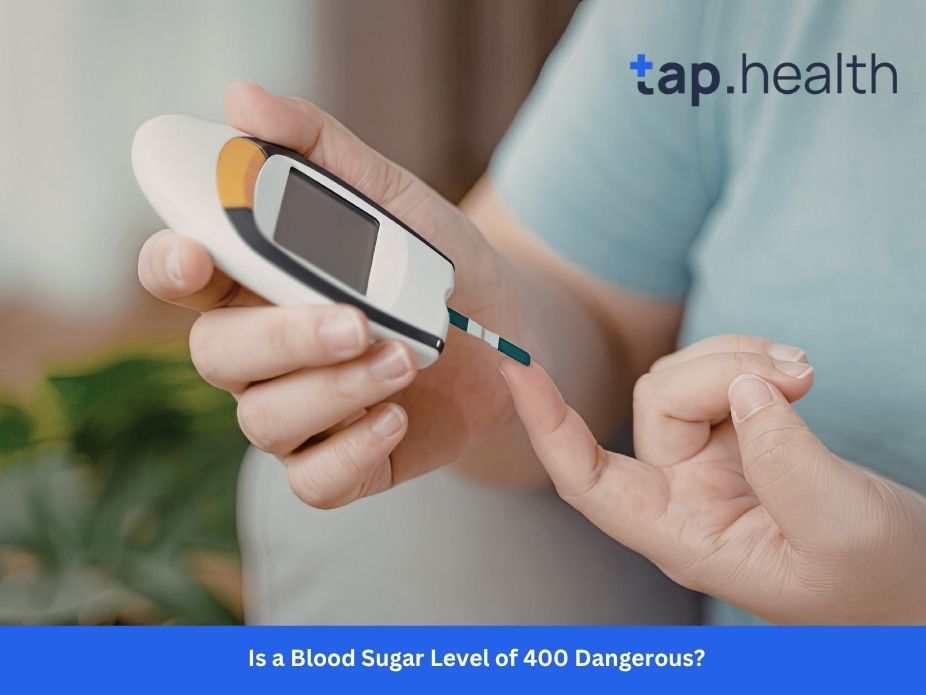
Diabetes is a condition that impacts millions of people around the world. One of the key factors in managing diabetes is maintaining blood sugar levels within a safe range. A blood sugar level of 400 mg/dL is considered very high and requires immediate attention. If your blood sugar reaches this level, it’s important to understand why this is dangerous and what steps you should take to prevent further complications.
In this article, we will explore why a blood sugar level of 400 mg/dL is dangerous, the possible causes of high blood sugar, and how to manage it effectively. By understanding the impact of high blood sugar, you can take the necessary steps to protect your health and avoid complications.
What is Considered a Normal Blood Sugar Level?
Before discussing why a blood sugar level of 400 is dangerous, it’s important to know what is considered normal. The American Diabetes Association (ADA) defines the following blood sugar ranges for someone without diabetes:
- Fasting blood sugar (before meals): 70–99 mg/dL
- Post-meal blood sugar (2 hours after eating): Less than 140 mg/dL
- A1C (average blood sugar level over 2-3 months): Below 5.7%
For people with diabetes, the target range can vary, but generally, a fasting blood sugar level between 80 and 130 mg/dL and a post-meal blood sugar level of less than 180 mg/dL are considered safe.
A blood sugar level of 400 mg/dL is far above these recommended ranges and should be addressed immediately. But what does this mean for your health? Let’s take a deeper look.
Is a Blood Sugar Level of 400 Dangerous?
Yes, a blood sugar level of 400 mg/dL is considered dangerously high. It typically indicates that the body is unable to properly regulate blood sugar, which can lead to both short-term and long-term health risks. Such a high blood sugar level is often seen in cases of hyperglycemia (high blood sugar), which can result from:
- Poorly managed diabetes (especially type 1 or type 2 diabetes)
- Infection or illness
- Missed insulin doses or medication mismanagement
- Extreme stress or physical exertion
A blood sugar level of 400 mg/dL can be life-threatening if not addressed. It can cause complications such as diabetic ketoacidosis (DKA) or hyperosmolar hyperglycemic state (HHS), both of which are serious conditions that require emergency medical treatment.
What are the Risks of High Blood Sugar?
High blood sugar levels, especially levels as high as 400 mg/dL, can cause a range of issues, both immediate and long-term. Some of the risks associated with consistently high blood sugar include:
1. Diabetic Ketoacidosis (DKA)
DKA is a serious complication that can occur when the body doesn’t have enough insulin to process glucose. As a result, the body begins to break down fat for energy, releasing ketones into the bloodstream. High levels of ketones can be toxic and lead to a dangerous condition.
Symptoms of DKA include:
- Nausea and vomiting
- Fruity-smelling breath
- Abdominal pain
- Rapid breathing
- Confusion or disorientation
2. Hyperosmolar Hyperglycemic State (HHS)
HHS is a serious complication where the blood sugar level becomes extremely high (often above 600 mg/dL) and causes severe dehydration, leading to confusion, seizures, or even coma. Although the blood sugar level of 400 mg/dL is not yet in the HHS range, it can be a precursor to the condition if left untreated.
Symptoms of HHS include:
- Extreme thirst
- Dry mouth and skin
- Confusion and drowsiness
- Difficulty speaking or concentrating
3. Damage to Organs and Blood Vessels
High blood sugar levels over time can lead to serious long-term complications such as:
- Heart disease
- Kidney damage
- Nerve damage (diabetic neuropathy)
- Vision problems (diabetic retinopathy)
- Increased risk of infections
4. Dehydration
When blood sugar levels are high, the kidneys work overtime to try to flush out the excess sugar through urine. This can lead to dehydration, which can further complicate the situation by causing weakness, dizziness, and confusion.
Causes of High Blood Sugar Levels (400 mg/dL)
There are many potential causes of a blood sugar level of 400 mg/dL, and it’s important to identify the underlying cause to manage it effectively. Some common causes include:
1. Not Taking Insulin or Diabetes Medication as Prescribed
One of the most common causes of high blood sugar levels in diabetic patients is not taking insulin or other diabetes medications as prescribed. This may happen due to forgetfulness, lack of education, or misunderstanding how medication works.
2. Infections or Illnesses
When the body is fighting an infection or illness, it can cause blood sugar levels to rise. The stress hormones released during an infection make it harder for the body to process glucose, leading to higher blood sugar levels.
3. Physical Stress
Physical stress, such as intense exercise or injury, can cause the body to release stress hormones, which can lead to elevated blood sugar levels.
4. Dietary Factors
Eating a large meal high in carbohydrates or sugar can cause a spike in blood sugar levels. Without proper insulin regulation, these levels can become dangerously high.
5. Emotional Stress
Stress, anxiety, and emotional turmoil can cause hormonal changes that raise blood sugar levels. The hormone cortisol is released during stressful situations, which can increase glucose production in the liver.
6. Missed Meals or Skipping Insulin
Skipping meals or insulin doses can lead to high blood sugar. When insulin levels are not sufficient to match food intake, blood sugar can rise uncontrollably.
How to Lower Blood Sugar Levels at 400 mg/dL
If your blood sugar reaches 400 mg/dL, it’s crucial to take immediate action to bring it back within a safe range. Here are steps you can take:
1. Take Insulin or Diabetes Medication
If you are diabetic and have been prescribed insulin, the first thing you should do is take your insulin or diabetes medication as instructed by your healthcare provider. You may need an extra dose of insulin to bring your blood sugar levels back to a safe range.
2. Drink Plenty of Water
Drinking water helps flush excess sugar out of the bloodstream through urine. It also helps prevent dehydration, which can be a side effect of high blood sugar.
3. Monitor Your Blood Sugar Levels
Regular monitoring is key to managing high blood sugar levels. Check your blood sugar frequently and record the readings to track progress and inform your healthcare provider if needed.
4. Exercise Cautiously
If you are not experiencing symptoms like dizziness or weakness, light exercise such as walking can help lower blood sugar levels by promoting glucose uptake into your muscles. However, avoid intense exercise when blood sugar is high, as it can lead to further complications.
5. Contact Your Doctor or Go to the ER
If your blood sugar level is consistently high (400 mg/dL or more), it’s important to contact your healthcare provider immediately. In some cases, you may need to go to the hospital for treatment to bring your blood sugar down safely.
Preventing High Blood Sugar in the Future
The best way to manage blood sugar is to prevent it from rising to dangerous levels in the first place. Here are some strategies to help prevent future spikes:
1. Follow a Healthy Eating Plan
A balanced diet that is low in refined sugars and high in fiber, lean proteins, and healthy fats can help keep blood sugar levels steady. Be mindful of portion sizes and carbohydrate intake, as these can significantly impact blood sugar.
2. Stay Active
Regular exercise helps improve insulin sensitivity and can prevent blood sugar spikes. Aim for at least 30 minutes of moderate exercise most days of the week.
3. Manage Stress Effectively
Since stress can lead to high blood sugar, incorporating stress-reduction techniques such as meditation, deep breathing exercises, or yoga can help keep your blood sugar stable.
4. Take Medication as Directed
Always follow your doctor’s instructions for taking diabetes medication, and make sure to check your blood sugar regularly. Adjustments to your medication or insulin dose may be needed based on your daily routine and health status.
5. Stay Hydrated
Proper hydration helps regulate blood sugar levels. Aim to drink plenty of water throughout the day, especially if you’re feeling thirsty or have high blood sugar levels.
Frequently Asked Questions (FAQs) on Is a Blood Sugar Level of 400 Dangerous?
1. What causes blood sugar to reach 400 mg/dL?
A blood sugar level of 400 mg/dL can be caused by missed insulin doses, infections, stress, or consuming large meals high in carbohydrates and sugar. It may also occur if diabetes medications are not taken as prescribed.
2. What should I do if my blood sugar is 400 mg/dL?
If your blood sugar is 400 mg/dL, you should take your insulin or diabetes medication as prescribed, drink plenty of water, and monitor your blood sugar. If the level doesn’t decrease, seek immediate medical attention.
3. Is a blood sugar level of 400 mg/dL dangerous?
Yes, a blood sugar level of 400 mg/dL is dangerous and can lead to serious complications such as diabetic ketoacidosis or hyperosmolar hyperglycemic state. It requires immediate medical attention.
4. Can exercise lower blood sugar levels of 400 mg/dL?
Light exercise can help lower blood sugar levels, but it is not recommended to exercise if your blood sugar is extremely high, as it may worsen the situation. It’s best to address the high blood sugar with insulin and hydration first.
5. How long can high blood sugar stay at 400 mg/dL?
A blood sugar level of 400 mg/dL should not remain high for long. If it does, it’s a sign of uncontrolled diabetes and requires medical attention. Persistent high blood sugar can cause long-term damage to organs.
Conclusion
A blood sugar level of 400 mg/dL is a serious medical concern, and immediate action should be taken to lower it. By managing blood sugar through proper medication, diet, exercise, and stress management, you can prevent future blood sugar spikes and protect your overall health. Always work closely with your healthcare provider to manage your diabetes and avoid complications.


