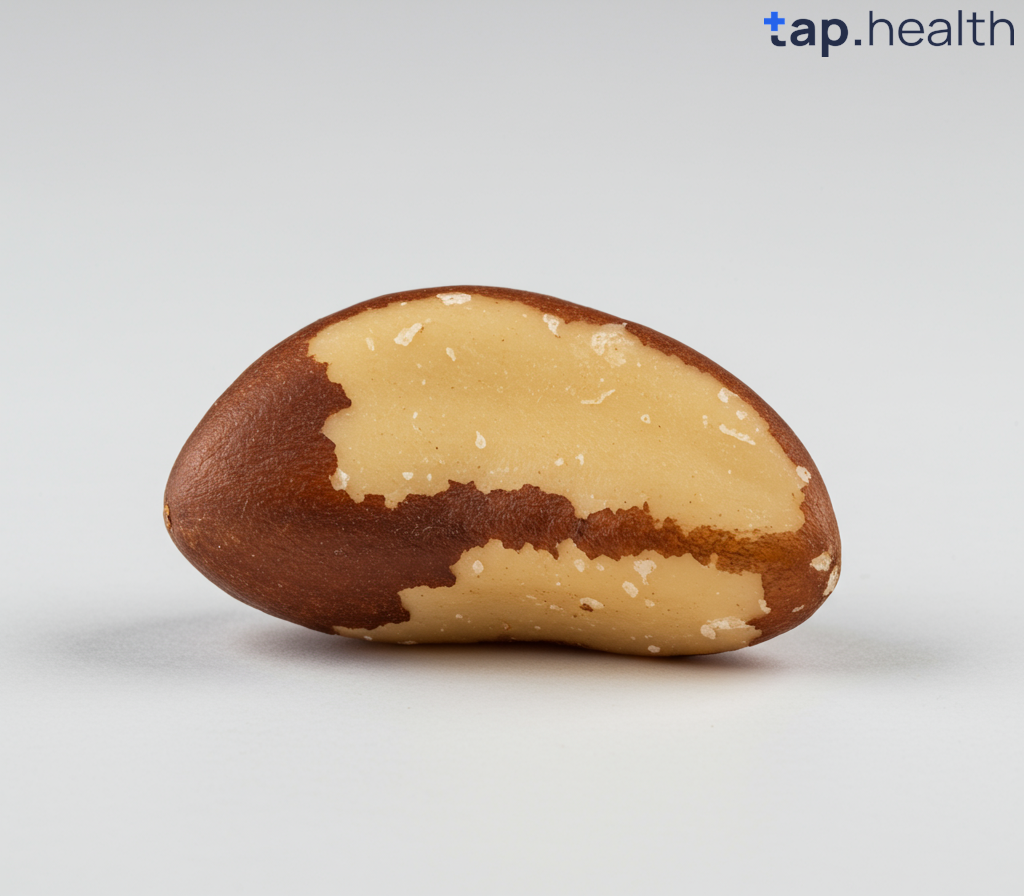
Brazil nuts are a rich, nutrient-dense snack known for their high content of healthy fats, protein, and essential minerals. They are also packed with antioxidants, which contribute to their many health benefits. For people managing diabetes, choosing foods that support blood sugar control and overall metabolic health is crucial. So, are Brazil nuts a good choice for diabetic patients? In this article, we’ll explore the nutritional benefits of Brazil nuts, how they affect blood sugar levels, and how they can be incorporated into a diabetes-friendly diet.
Nutritional Benefits of Brazil Nuts
Brazil nuts are high in several essential nutrients, including healthy fats, protein, and minerals. A 28-gram (1-ounce) serving of Brazil nuts contains:
- Calories: 187
- Carbohydrates: 3.5 grams
- Fiber: 2.1 grams
- Protein: 4.1 grams
- Vitamin E: 0.3 mg (about 2% of the daily recommended intake)
- Magnesium: 107 mg (about 27% of the daily recommended intake)
- Potassium: 187 mg (about 5% of the daily recommended intake)
- Selenium: 544 mcg (about 774% of the daily recommended intake)
Brazil nuts are an excellent source of healthy fats, particularly monounsaturated and polyunsaturated fats, which are beneficial for heart health. They are also rich in protein, fiber, and selenium, an essential mineral with antioxidant properties that can help reduce inflammation.
How Brazil Nuts Affect Blood Sugar Levels
For diabetics, controlling blood sugar levels is essential. The glycemic index (GI) and glycemic load (GL) of foods are important factors in determining their impact on blood sugar.
Glycemic Index and Glycemic Load of Brazil Nuts
Brazil nuts have an extremely low glycemic index (GI), which means they have very little impact on blood sugar levels. Foods with a low GI are digested and absorbed slowly, causing a gradual increase in blood sugar rather than rapid spikes. The glycemic load (GL) of Brazil nuts is also low, indicating that even when consumed in larger portions, they will not significantly affect blood glucose levels.
Additionally, the fiber and healthy fats in Brazil nuts help slow down glucose absorption, promoting more stable blood sugar levels throughout the day, which is ideal for managing diabetes.
Brazil Nuts and Insulin Sensitivity
Insulin sensitivity is the body’s ability to respond effectively to insulin in regulating blood sugar levels. People with Type 2 diabetes often experience insulin resistance, where the body’s cells become less responsive to insulin.
How Brazil Nuts Help with Insulin Sensitivity
Brazil nuts are rich in monounsaturated fats, fiber, and selenium, all of which have been shown to improve insulin sensitivity. The healthy fats in Brazil nuts can help reduce inflammation, which plays a role in insulin resistance. The fiber in Brazil nuts also helps stabilize blood sugar by slowing the absorption of glucose into the bloodstream. Over time, incorporating Brazil nuts into a balanced diet may improve insulin sensitivity and blood sugar regulation.
Brazil Nuts and Heart Health
Diabetes increases the risk of heart disease, so maintaining heart health is crucial. Brazil nuts provide several nutrients that support cardiovascular health.
Healthy Fats for Heart Health
Brazil nuts are an excellent source of monounsaturated and polyunsaturated fats, which are heart-healthy fats. These fats help lower bad cholesterol (LDL) and increase good cholesterol (HDL), contributing to better cardiovascular health. Since people with diabetes are at a higher risk of heart disease, consuming Brazil nuts regularly can help support heart health.
Magnesium for Heart Health
Brazil nuts are also rich in magnesium, which helps regulate blood pressure and support heart function. Studies have shown that magnesium can help reduce the risk of high blood pressure, a common issue for diabetics. Maintaining healthy blood pressure levels is essential for reducing cardiovascular risk.
Brazil Nuts and Weight Management
Maintaining a healthy weight is crucial for managing diabetes. Excess weight contributes to insulin resistance and poor blood sugar control.
Brazil Nuts for Satiety and Portion Control
Brazil nuts are high in protein and healthy fats, both of which promote satiety and reduce hunger. These nutrients help keep you feeling full for longer, which can prevent overeating and support portion control. By incorporating Brazil nuts into meals, diabetics can better manage portion sizes and reduce overall calorie intake, contributing to healthy weight management.
How to Include Brazil Nuts in a Diabetic Diet
Brazil nuts are versatile and can be incorporated into a variety of meals and snacks. Here are some ideas for including Brazil nuts in your diabetes-friendly diet:
As a Snack
Brazil nuts can be eaten on their own as a snack. A small handful (about 6-8 nuts) makes for a satisfying and nutritious option. For added variety, you can mix Brazil nuts with other nuts and seeds for a heart-healthy snack.
In Smoothies
Brazil nuts can be blended into smoothies for extra healthy fats, protein, and fiber. Combine with leafy greens, berries, and unsweetened almond milk for a nutritious and blood-sugar-friendly drink.
In Baking
Ground Brazil nuts can be added to baked goods like muffins, bread, or cookies for a nutrient-packed boost. You can substitute part of the flour with ground Brazil nuts to add protein and healthy fats to your recipes.
In Salads
Chop up Brazil nuts and sprinkle them on top of salads for a crunchy texture. Combine them with leafy greens, vegetables, and a light vinaigrette dressing for a heart-healthy, diabetes-friendly meal.
FAQ on Brazil Nuts and Diabetes
Q1: Are Brazil nuts safe for diabetics to eat?
Yes, Brazil nuts are safe for diabetics. They have a low glycemic index, are high in healthy fats and fiber, and provide essential nutrients that help regulate blood sugar levels and improve insulin sensitivity.
Q2: How many Brazil nuts can diabetics eat?
A standard serving of Brazil nuts is about 1 ounce (6-8 nuts). Since Brazil nuts are calorie-dense, it’s important to consume them in moderation to avoid excessive calorie intake.
Q3: Do Brazil nuts raise blood sugar levels?
No, Brazil nuts have a low glycemic index and will not cause significant increases in blood sugar levels. The healthy fats, fiber, and protein in Brazil nuts help stabilize blood sugar levels.
Q4: Can Brazil nuts help lower blood sugar levels?
While Brazil nuts do not directly lower blood sugar levels, their high fiber content, healthy fats, and selenium help regulate blood sugar and improve insulin sensitivity over time.
Q5: Can Brazil nuts help with weight loss for diabetics?
Yes, Brazil nuts are high in healthy fats and protein, which promote satiety and reduce hunger. By including Brazil nuts in meals, diabetics can better manage portion sizes, reduce overeating, and support healthy weight management.
Conclusion
Brazil nuts are a nutrient-rich food that provides several benefits for diabetics. With their low glycemic index, high content of healthy fats, fiber, and protein, Brazil nuts help regulate blood sugar levels, improve insulin sensitivity, support heart health, and assist with weight management. By incorporating Brazil nuts into your diet, you can enjoy their many health benefits while effectively managing your diabetes.