Brown rice is often considered a healthier alternative to white rice due to its higher fiber content and nutrient density. But when it comes to diabetes, it’s essential to understand how brown rice impacts blood sugar levels. Is brown rice a good choice for diabetic patients? In this article, we’ll explore the nutritional benefits of brown rice, how it affects blood sugar, and how it can be included in a diabetes-friendly diet.
Nutritional Benefits of Brown Rice
Brown rice is a whole grain, meaning it contains the bran, germ, and endosperm, which provides more fiber, vitamins, and minerals compared to refined grains. A 100-gram serving of cooked brown rice contains:
- Calories: 111
- Carbohydrates: 23 grams
- Fiber: 1.8 grams
- Protein: 2.6 grams
- Vitamin B6: 0.2 mg (about 13% of the daily recommended intake)
- Magnesium: 39 mg (about 10% of the daily recommended intake)
- Phosphorus: 103 mg
Brown rice is an excellent source of fiber, which helps regulate blood sugar levels, and provides essential nutrients like magnesium and vitamin B6, both of which support metabolic health. Additionally, brown rice is a good source of antioxidants that help protect the body from oxidative stress.
How Brown Rice Affects Blood Sugar Levels
For diabetics, controlling blood sugar levels is crucial for managing the condition. The glycemic index (GI) and glycemic load (GL) of foods play a significant role in how they affect blood sugar levels.
Glycemic Index and Glycemic Load of Brown Rice
Brown rice has a moderate glycemic index (GI) of about 50–55, while white rice typically has a higher GI. Foods with a moderate GI cause a slower increase in blood sugar levels compared to foods with a high GI. The glycemic load (GL) of brown rice is also moderate, meaning it has a moderate impact on blood glucose levels when consumed in standard portion sizes.
While brown rice is a better option than white rice for diabetics, portion control is still important, as large servings can lead to significant blood sugar increases.
Brown Rice and Insulin Sensitivity
Insulin sensitivity is the ability of the body’s cells to respond effectively to insulin, which is essential for blood sugar regulation. Insulin resistance, a hallmark of Type 2 diabetes, makes it difficult for the body to use insulin properly.
How Brown Rice Helps with Insulin Sensitivity
Brown rice’s fiber content plays a crucial role in improving insulin sensitivity. Fiber helps slow the digestion of carbohydrates, which leads to more gradual glucose absorption and less of an impact on blood sugar levels. Additionally, brown rice is a whole grain, and consuming whole grains has been linked to improved insulin sensitivity and a reduced risk of Type 2 diabetes.
By including brown rice in a balanced diet, diabetics may experience better blood sugar control and improved insulin function over time.
Brown Rice and Heart Health
People with diabetes are at a higher risk of cardiovascular diseases. Brown rice provides several nutrients that support heart health.
Magnesium for Heart Health
Brown rice is a good source of magnesium, which is important for regulating heart function and maintaining healthy blood pressure. Magnesium also supports glucose metabolism, which is essential for diabetics to maintain stable blood sugar levels.
Fiber for Cholesterol Management
The fiber in brown rice helps reduce bad cholesterol (LDL) levels by binding to cholesterol in the digestive tract and helping to remove it from the body. Lowering cholesterol levels helps reduce the risk of heart disease, which is a common complication for people with diabetes.
Brown Rice and Weight Management
Maintaining a healthy weight is important for managing diabetes. Excess weight contributes to insulin resistance and poor blood sugar control.
Brown Rice for Satiety and Portion Control
Brown rice is a high-fiber food that helps promote satiety and reduce hunger. The fiber in brown rice slows digestion, leading to a longer-lasting feeling of fullness, which can help prevent overeating. By including brown rice in meals, diabetics can manage portion sizes more easily, supporting healthy weight management and blood sugar control.
How to Include Brown Rice in a Diabetic Diet
Brown rice can be easily incorporated into a diabetic-friendly diet. Here are some ideas for including brown rice in your meals:
As a Side Dish
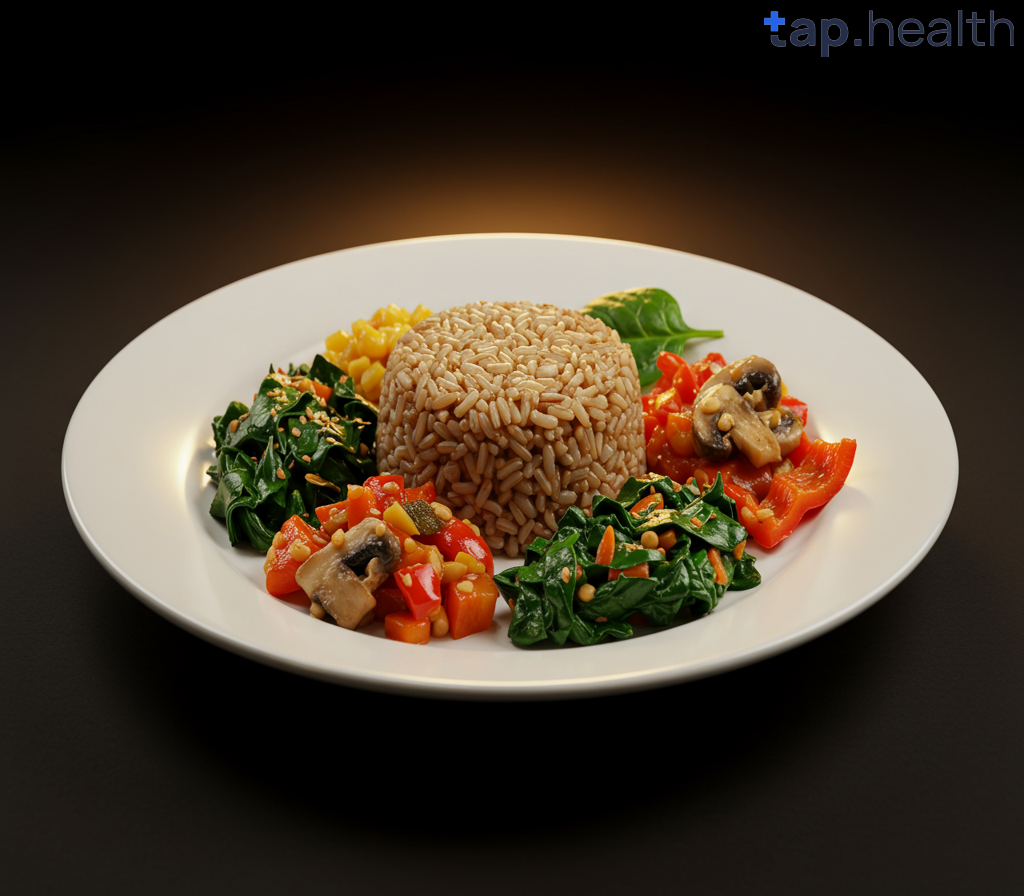
Brown rice can be served as a side dish with lean proteins such as chicken, turkey, or tofu, and paired with non-starchy vegetables like spinach, broccoli, or peppers for a balanced meal.
In Stir-Fries
Brown rice is a great addition to stir-fries. It pairs well with a variety of vegetables and lean proteins such as chicken, shrimp, or tofu. Use olive oil or low-sodium soy sauce to keep the dish healthy.
In Soups and Stews
Brown rice can be added to soups and stews for extra texture and fiber. It works well in vegetable soups, chicken stew, or bean-based soups.
In Salads
Brown rice can be added to salads for a nutritious and filling meal. Combine cooked brown rice with leafy greens, tomatoes, cucumbers, and a light vinaigrette for a refreshing, blood-sugar-friendly salad.
FAQ on Brown Rice and Diabetes
Q1: Is brown rice safe for diabetics to eat?
Yes, brown rice is safe for diabetics to eat in moderation. It has a moderate glycemic index, is high in fiber, and provides several essential nutrients that help regulate blood sugar levels.
Q2: How much brown rice can diabetics eat?
A standard serving of brown rice is about 1/2 to 1 cup of cooked rice. Since brown rice has a moderate glycemic index, portion control is important to avoid significant spikes in blood sugar levels.
Q3: Does brown rice raise blood sugar levels?
Brown rice can raise blood sugar levels, but its moderate glycemic index means it causes a slower rise in blood glucose compared to white rice. Pairing it with other low-GI foods can help minimize the impact on blood sugar.
Q4: Can brown rice help lower blood sugar levels?
While brown rice does not directly lower blood sugar levels, its high fiber content and moderate glycemic index help regulate blood sugar and improve insulin sensitivity over time.
Q5: Can brown rice help with weight loss for diabetics?
Yes, brown rice is a good choice for weight management. Its high fiber content helps promote satiety, reducing overeating and supporting healthy weight loss for diabetics.
Conclusion
Brown rice is a nutritious, whole-grain option that provides several benefits for diabetics. With its moderate glycemic index, high fiber content, and abundance of vitamins and minerals, brown rice helps regulate blood sugar levels, improve insulin sensitivity, support heart health, and assist with weight management. By incorporating brown rice into a balanced diet, diabetics can enjoy its many health benefits while effectively managing their condition.