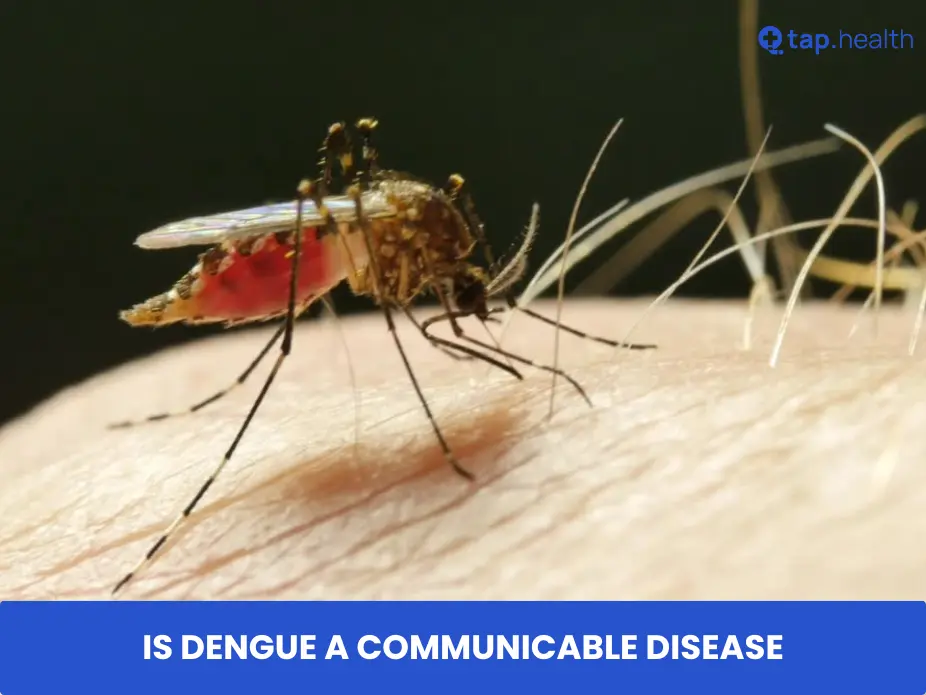
Dengue fever is a growing health concern in tropical and subtropical regions worldwide. It is essential to understand whether dengue fever is a communicable disease to manage its spread and implement effective prevention strategies. This article provides a comprehensive overview of dengue fever, its transmission, and how it fits into the category of communicable diseases.
What is Dengue Fever?
Dengue fever is an acute viral illness characterized by high fever, severe headache, pain behind the eyes, joint and muscle pain, rash, and mild bleeding. It is caused by one of four dengue virus serotypes: DENV-1, DENV-2, DENV-3, and DENV-4. These viruses belong to the Flavivirus genus and are transmitted primarily by the Aedes aegypti mosquito.
Dengue Virus Overview
The dengue virus exists in four distinct serotypes, each causing dengue fever. Infection with one serotype provides lifelong immunity against that particular serotype but does not protect against the others. This means that individuals can be infected with different serotypes at different times, which can increase the risk of severe forms of dengue fever.
Global Distribution
Dengue fever is prevalent in tropical and subtropical regions of the world, including Southeast Asia, the Western Pacific, the Americas, and Africa. It is most common in urban and semi-urban areas where mosquito breeding sites are abundant.
Is Dengue a Communicable Disease?
To determine whether dengue fever is a communicable disease, we need to understand the concept of communicability. A communicable disease is one that can be transmitted from one person to another, either directly or indirectly. Dengue fever is considered indirectly communicable because it involves a vector, the mosquito, in its transmission cycle.
Direct vs. Indirect Transmission
- Direct Transmission: This occurs when a disease is spread through direct contact with an infected person. For example, diseases that spread through bodily fluids or physical contact fall into this category.
- Indirect Transmission: This involves a vector, such as a mosquito or tick, that transmits the pathogen from one host to another. Dengue fever falls into this category, as the dengue virus is spread through mosquito bites rather than direct human contact.
Transmission of Dengue Fever
Mosquito Vector
The primary mode of dengue transmission is through the bite of an infected Aedes mosquito. Here’s a detailed look at how this transmission cycle works:
- Mosquito Bites an Infected Person: An Aedes mosquito bites a person who is infected with the dengue virus. The virus enters the mosquito during this blood meal.
- Virus Incubation in Mosquito: Inside the mosquito, the virus incubates for about 8-12 days. During this period, the virus multiplies in the mosquito’s salivary glands.
- Mosquito Bites a Healthy Person: Once the virus has incubated, the mosquito can transmit the virus to other humans through its bite. The virus enters the new host’s bloodstream and begins to replicate, leading to dengue fever.
Human-to-Mosquito Transmission
Humans are critical to the dengue transmission cycle. When a mosquito bites an infected person, it acquires the virus, which then allows it to transmit the virus to other people through subsequent bites. This is why dengue fever is often observed in areas with high mosquito populations and frequent human contact.
No Direct Human-to-Human Transmission
Dengue fever is not spread through direct human-to-human contact. You cannot contract dengue fever from touching, hugging, or other forms of casual contact with an infected person. The disease requires an intermediary, the mosquito, for transmission.
Symptoms of Dengue Fever
Recognizing the symptoms of dengue fever is crucial for early diagnosis and management. Symptoms typically appear 4-10 days after being bitten by an infected mosquito and can vary from mild to severe.
Mild Dengue Fever
- High Fever: Dengue fever usually begins with a sudden high fever, often reaching 104°F (40°C).
- Severe Headache: The fever is often accompanied by a severe headache, particularly around the forehead and behind the eyes.
- Muscle and Joint Pain: Patients may experience intense pain in muscles and joints, which has earned dengue the nickname “breakbone fever.”
- Nausea and Vomiting: These symptoms can contribute to dehydration.
- Skin Rash: A rash may develop a few days after the fever begins, which can appear as red patches or spots on the skin.
- Mild Bleeding: Symptoms such as nosebleeds, bleeding gums, or easy bruising may occur.
Severe Dengue (Dengue Hemorrhagic Fever and Dengue Shock Syndrome)
Severe dengue is a more serious form of the disease and requires immediate medical attention. Symptoms include:
- Severe Abdominal Pain: Persistent abdominal pain can be a sign of severe dengue and needs prompt evaluation.
- Persistent Vomiting: Continuous vomiting may lead to severe dehydration and electrolyte imbalances.
- Rapid Breathing: Difficulty breathing or an increased respiratory rate can indicate complications.
- Bleeding: Severe bleeding from the gums, nose, or internal organs, or blood in vomit or stool, is a serious sign.
- Plasma Leakage: This involves fluid leakage from blood vessels, leading to swelling and potentially low blood pressure.
- Organ Dysfunction: Failure of vital organs such as the liver, heart, and kidneys may occur in severe cases.
Prevention of Dengue Fever
Preventing dengue fever involves minimizing mosquito exposure and controlling mosquito populations. Here’s how:
Avoiding Mosquito Bites
- Use Insect Repellents: Apply insect repellents containing DEET, picaridin, or oil of lemon eucalyptus to exposed skin.
- Wear Protective Clothing: Long-sleeved shirts, long pants, socks, and shoes help reduce mosquito bites.
- Use Mosquito Nets: Sleep under mosquito nets to avoid bites during the night.
- Stay Indoors During Peak Mosquito Activity: Mosquitoes that transmit dengue are most active early in the morning and late in the afternoon.
Reducing Mosquito Breeding Sites
- Eliminate Standing Water: Mosquitoes breed in stagnant water. Regularly empty, clean, or cover containers that hold water, such as flower pots, buckets, and bird baths.
- Maintain Clean Surroundings: Keep gutters clean and dispose of unused containers that can collect water.
- Use Larvicides: In areas with persistent standing water, use larvicides to kill mosquito larvae.
Diagnosis of Dengue Fever
Diagnosing dengue fever involves clinical assessment and laboratory testing. Early diagnosis is critical for managing the disease and preventing complications.
Clinical Evaluation
Healthcare providers evaluate symptoms and medical history, especially recent travel to dengue-endemic areas. They assess signs such as high fever, rash, and pain behind the eyes to determine the severity of the disease.
Laboratory Tests
- PCR Test (Polymerase Chain Reaction): Detects dengue virus RNA in the blood. Most effective in the early stages of infection.
- NS1 Antigen Test: Identifies the dengue virus’s NS1 protein. Useful during the acute phase of infection.
- IgM and IgG Antibody Tests: Detect antibodies produced in response to the dengue virus. IgM indicates a recent infection, while IgG suggests past infection or longer-term immunity.
Treatment for Dengue Fever
There is no specific antiviral treatment for dengue fever. Management focuses on supportive care:
Hydration
Maintaining adequate hydration is vital to prevent dehydration. Oral rehydration solutions, clear fluids, and electrolyte drinks are recommended. Severe cases may require intravenous fluids.
Pain and Fever Relief
Acetaminophen (paracetamol) is used to manage fever and pain. Aspirin and non-steroidal anti-inflammatory drugs (NSAIDs) should be avoided as they can increase bleeding risk.
Rest
Adequate rest is essential for recovery. Patients should avoid strenuous activities and get plenty of sleep to support the body’s healing process.
Medical Care
Severe cases may necessitate hospitalization for close monitoring and additional treatments such as intravenous fluids and blood transfusions to manage complications.
Risk Factors for Dengue Fever
Several factors increase the likelihood of contracting dengue fever:
1. Living in Endemic Areas
Residents of or travelers to regions where dengue fever is common are at higher risk. Endemic areas include tropical and subtropical regions with high mosquito populations.
2. Previous Dengue Infection
A history of dengue fever increases the risk of developing severe forms of the disease with subsequent infections due to antibody-dependent enhancement (ADE).
3. Climate and Environment
Warm and humid climates are ideal for mosquito breeding. Poor sanitation and stagnant water sources contribute to higher mosquito populations and dengue transmission.
4. Urbanization
High population density and urban environments increase mosquito-human interactions, raising the likelihood of dengue transmission.
When to See a Doctor
Seek medical attention if you experience symptoms of dengue fever, especially if you have recently traveled to an endemic area. Early diagnosis and treatment are essential.
Warning Signs Requiring Immediate Care
- Severe Abdominal Pain: Persistent or severe abdominal pain requires prompt medical evaluation.
- Persistent Vomiting: Continuous vomiting can lead to severe dehydration and needs medical attention.
- Rapid Breathing: Increased breathing rate or difficulty breathing may indicate serious complications.
- Bleeding Gums or Nosebleeds: Unusual bleeding can signal a low platelet count and requires medical care.
- Blood in Vomit or Stool: Presence of blood in vomit or stool is a serious symptom and needs urgent medical attention.
- Extreme Fatigue or Restlessness: Severe fatigue or sudden changes in behavior can indicate worsening dengue fever.
- Skin Rash with Red Spots: A rapidly spreading rash with red spots should be evaluated by a healthcare professional.
FAQ on Dengue Fever
1. What should I do if I suspect dengue fever?
Consult a healthcare professional immediately if you suspect dengue fever. Early diagnosis and treatment are crucial for managing the disease and preventing complications.
2. Can dengue fever be prevented?
Yes, dengue fever can be prevented by avoiding mosquito bites. Use mosquito repellents, wear protective clothing, and use mosquito nets, especially during peak mosquito activity times. Eliminating standing water around your home can also help reduce mosquito breeding.
3. How long does it take to recover from dengue fever?
Recovery from dengue fever typically takes 1-2 weeks. Some individuals may experience lingering fatigue and weakness for several weeks after other symptoms have resolved.
4. Is dengue fever contagious from person to person?
No, dengue fever is not contagious from person to person. It requires a mosquito vector for transmission.
5. What are the complications of severe dengue?
Severe dengue can lead to serious complications, including severe bleeding, organ failure, and death. Prompt medical care is essential to manage these complications and improve outcomes.
6. Are there vaccines for dengue fever?
Yes, there are vaccines for dengue fever, such as Dengvaxia. However, they are not universally recommended and are typically used in specific populations or regions. Consult with a healthcare professional to determine if the vaccine is appropriate for you.