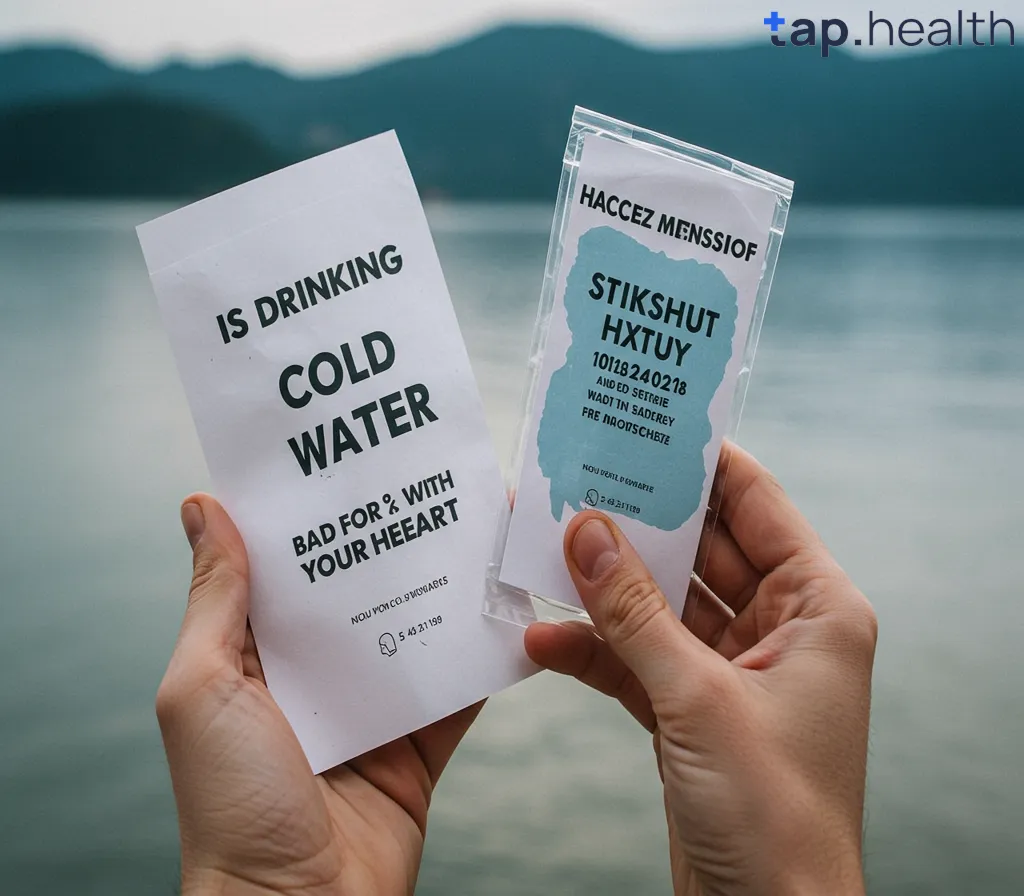
You’ve probably heard someone say, “Don’t drink cold water right after a meal—it’s bad for your heart!” Or maybe your grandma warned you that icy water could “shock” your system. But is there any real truth to this? Is drinking cold water actually bad for your heart?
In this article, we’ll dig deep into what science says about cold water and heart health. We’ll cover everything from how your body reacts to cold drinks, to whether they can trigger heart problems, especially in people with existing conditions. No confusing medical jargon—just clear, simple facts you can understand and use.
Let’s get to the bottom of this common health myth.
What Happens When You Drink Cold Water?
Before we talk about your heart, let’s understand what actually happens in your body when you take a sip of ice-cold water.
Your Body Temperature Stays Stable
Your body is really good at keeping its temperature around 98.6°F (37°C). When you drink cold water, your internal temperature doesn’t drop much. Your body quickly warms the water up using energy from your core.
Think of it like adding a few ice cubes to a warm bath. The water might feel colder for a second, but the overall temperature doesn’t change much.
Your Throat and Esophagus React First
Cold water hits your throat and esophagus (the tube that carries food and drinks to your stomach). Some people feel a sharp sensation or “brain freeze” when drinking something very cold. This is normal and usually harmless.
But could this sudden chill affect your heart?
Can Cold Water Affect Your Heart Rate?
Yes—but not in the way most people think.
A Temporary Change in Heart Rate
When you drink very cold water, your body may respond with a slight change in heart rate. This happens because cold liquids can stimulate the vagus nerve, which helps control your heart rate, digestion, and other automatic body functions.
This stimulation might cause:
- A brief drop in heart rate (called bradycardia)
- A short pause in your heartbeat rhythm
But this is temporary and usually not dangerous for healthy people.
The Valsalva Maneuver Effect
Sometimes, when you gulp down cold water quickly, you might unintentionally hold your breath or strain slightly—this is similar to something doctors call the Valsalva maneuver. This can briefly affect blood pressure and heart rate.
Again, this is normal and passes within seconds.
Is Cold Water Bad for People with Heart Conditions?
Now, this is where things get more serious.
People with Known Heart Problems Should Be Cautious
If you already have a heart condition—like arrhythmia (irregular heartbeat), coronary artery disease, or heart failure—your body may react differently to sudden changes, including cold drinks.
Some studies suggest that very cold liquids might trigger symptoms in sensitive individuals. For example:
- A sudden drop in heart rate
- Chest discomfort
- Dizziness or lightheadedness
However, this doesn’t mean cold water is “bad” for everyone with heart issues. It just means you should pay attention to how your body responds.
What Does the Research Say?
A 2020 review published in Frontiers in Physiology looked at how temperature affects the cardiovascular system. It found that while cold water can cause minor, temporary changes in heart rate and blood flow, it doesn’t pose a significant risk to healthy individuals.
For people with heart disease, the study recommended caution with extreme temperature changes—but didn’t ban cold water altogether.
Another study in The American Journal of Medicine noted that cold drinks may worsen symptoms in people with esophageal spasm or vagus nerve sensitivity, which can sometimes mimic heart pain.
So, the key is knowing your body and your health.
Does Cold Water Cause Heart Attacks?
Let’s be clear: drinking cold water does not cause heart attacks in healthy people.
No Direct Link Found
There is no scientific evidence that cold water directly causes heart attacks. Heart attacks happen when blood flow to the heart is blocked—usually due to a clot in a narrowed artery. This is caused by long-term issues like high cholesterol, smoking, high blood pressure, or diabetes—not by the temperature of your water.
But Could It Trigger Something in Vulnerable People?
In rare cases, a sudden shock to the system—like jumping into icy water or drinking a large glass of ice water quickly—might stress the heart in someone who already has severe heart disease.
For example:
- A person with unstable angina (chest pain due to poor blood flow) might feel discomfort after cold water.
- Someone with a history of arrhythmia might notice their heartbeat acting up.
But again, the cold water isn’t the root cause—it’s more like a small trigger in an already weakened system.
Think of it like a car with worn-out brakes. Driving over a small bump won’t break a healthy car, but it might cause problems in one that’s already failing.
Cold Water and Blood Vessels: What You Need to Know
Another common concern is whether cold water makes your blood vessels tighten and hurt your heart.
Blood Vessels Do Constrict When Exposed to Cold
Yes, cold temperatures cause blood vessels to narrow—a process called vasoconstriction. This helps your body keep heat in.
When you drink cold water, the blood vessels in your stomach and throat may briefly constrict. But this effect is small and localized. It doesn’t mean your heart’s blood vessels are closing off.
Coronary Arteries Are Protected
The arteries that feed your heart (coronary arteries) are deep inside your chest and are not directly affected by the temperature of your drink.
Unless you have a condition like coronary artery spasm (a rare issue where arteries suddenly tighten), cold water won’t cause your heart arteries to constrict.
Even in those rare cases, doctors look at overall triggers—not just cold drinks.
Cold Water vs. Warm Water: Which Is Better for Your Heart?
Many people believe warm water is always better. Let’s compare.
Warm Water: Gentle and Soothing
Drinking warm or room-temperature water has benefits:
- Easier on the digestive system
- May help with circulation
- Feels comforting, especially in cold weather
Some traditional medicine systems, like Ayurveda, recommend warm water to support digestion and balance.
But does warm water protect your heart more than cold water?
Not really. There’s no strong evidence that warm water is “heart-protective” compared to cold water. Both keep you hydrated, which is good for your heart.
Cold Water: Great for Cooling Down
Cold water has its own perks:
- Helps lower body temperature during exercise or hot weather
- Can improve exercise performance by keeping you cooler
- More refreshing, which may encourage you to drink more
In fact, athletes often drink cold water to stay hydrated during intense workouts.
So, the “best” temperature depends on your situation—not your heart health alone.
When Might Cold Water Be a Problem?
While cold water is safe for most people, there are a few situations where it might not be the best choice.
After Intense Exercise
When you’re sweating and your body is hot, gulping down ice-cold water can cause stomach cramps or discomfort. It doesn’t hurt your heart, but it might make you feel sick.
Instead, sip cool (not icy) water slowly to rehydrate safely.
If You Have a Sensitive Vagus Nerve
Some people have an overactive vagus nerve. This can cause dizziness, nausea, or a sudden drop in heart rate when exposed to cold.
If you’ve ever felt faint or your heart “skipped a beat” after cold water, you might be sensitive. In that case, stick to room-temperature drinks.
For People with Achalasia or Esophageal Issues
Achalasia is a rare disorder where the esophagus has trouble moving food to the stomach. Cold liquids can make symptoms worse for some people with this condition.
Similarly, those with acid reflux might find cold water triggers more symptoms—though this varies by person.
Hydration Is What Really Matters for Heart Health
Here’s the bottom line: how much water you drink matters more than how cold it is.
Dehydration Hurts Your Heart
When you don’t drink enough water, your blood volume drops. This makes your heart work harder to pump blood through your body.
Signs of dehydration include:
- Dry mouth
- Dark yellow urine
- Fatigue
- Dizziness
- Fast heartbeat
Over time, chronic dehydration can increase your risk of high blood pressure and heart strain.
How Much Water Should You Drink?
The old “8 glasses a day” rule is a good start, but your needs depend on:
- Your age
- Weight
- Activity level
- Climate
A better rule: drink when you’re thirsty, and aim for pale yellow urine.
If you prefer cold water and it helps you drink more, go for it!
Can Cold Water Help with Heart Rate Recovery?
Interestingly, cold water might actually help your heart in some cases.
The Diving Reflex in Action
When you splash cold water on your face or drink it slowly, it can trigger something called the diving reflex. This is a natural response that:
- Slows your heart rate
- Redirects blood to vital organs
- Helps conserve oxygen
This reflex is strongest in babies but still works in adults.
Some studies suggest that gently stimulating the diving reflex with cold water may help calm a racing heart (like during a panic attack or after intense exercise).
But don’t try ice baths or extreme methods—just sipping cool water may be enough.
Myths About Cold Water and the Heart—Busted
Let’s clear up some common myths.
Myth #1: Cold Water Causes Heart Attacks
False. As we’ve seen, cold water doesn’t cause heart attacks. Heart disease develops over years due to lifestyle and health factors—not from drinking ice water.
Myth #2: Cold Water “Shocks” the Heart
Exaggerated. While cold water can cause a brief change in heart rate, it doesn’t “shock” the heart in a dangerous way. Your body handles temperature changes every day.
Myth #3: Cold Water Thickens Blood and Causes Clots
No evidence. There’s no scientific proof that cold water makes your blood thicker or causes clots. Blood thickness is affected by dehydration, not drink temperature.
Myth #4: You Should Only Drink Warm Water for Heart Health
Not true. Warm water has benefits, but cold water is not harmful. The best water is the one you’ll actually drink to stay hydrated.
What Do Doctors Say About Cold Water and the Heart?
We checked what trusted health organizations and doctors have to say.
American Heart Association (AHA)
The AHA focuses on major heart health factors like diet, exercise, smoking, and blood pressure. They don’t warn against cold water. Their main message: stay hydrated with water—any temperature.
Mayo Clinic
According to Mayo Clinic, drinking cold water is safe for most people. They note that some individuals with certain nerve or digestive conditions may feel discomfort, but it’s not a heart risk.
Cleveland Clinic
Cleveland Clinic experts say cold water can be refreshing and help with hydration. They advise people with heart conditions to listen to their bodies but don’t recommend avoiding cold drinks unless symptoms occur.
Cultural Beliefs vs. Science: Why the Confusion?
You might be wondering: if cold water is safe, why do so many people believe it’s bad?
Traditional Medicine Perspectives
In Ayurveda (an ancient Indian system), cold water is thought to slow digestion and create “toxins.” Warm water is preferred to balance the body’s energy.
In Traditional Chinese Medicine (TCM), cold foods and drinks are believed to disrupt the body’s “qi” or energy flow, especially in people with weak digestion.
While these systems offer valuable insights into wellness, they’re not always backed by modern science—especially when it comes to heart health.
Generational Advice
Many warnings about cold water come from older generations. These tips were often based on observation, not research. For example, someone might have felt chest pain after cold water and assumed it was the cause—when it could have been acid reflux or a heart issue unrelated to temperature.
That doesn’t mean we should ignore traditional wisdom. But when it comes to heart health, science gives us clearer answers.
Who Should Be Cautious with Cold Water?
While most people can drink cold water safely, a few groups should pay extra attention.
1. People with Heart Rhythm Disorders
If you have atrial fibrillation, bradycardia, or other arrhythmias, cold water might briefly affect your heart rate. It’s not dangerous, but if you notice symptoms, switch to room-temperature water.
2. Older Adults with Heart Disease
As we age, our bodies become less efficient at regulating temperature and heart function. Seniors with heart conditions may want to avoid very cold drinks, especially in extreme weather.
3. People with Vagus Nerve Sensitivity
If you’ve ever fainted or felt dizzy after cold drinks, cold showers, or coughing, you might have a sensitive vagus nerve. In that case, gradual exposure is better than sudden cold.
4. Those with Esophageal Spasms
Cold liquids can trigger painful spasms in the esophagus, which may feel like heart pain. If you’ve been diagnosed with this, your doctor may suggest avoiding icy drinks.
How to Drink Water Safely for Heart Health
Want to protect your heart? Focus on these tips—not the temperature of your water.
1. Stay Hydrated Throughout the Day
Don’t wait until you’re thirsty. Keep a water bottle with you and sip often.
2. Listen to Your Body
If cold water makes you feel sick, bloated, or dizzy, try warmer water. Everyone’s different.
3. Avoid Gulping Large Amounts at Once
Drinking too much water too fast—cold or not—can overload your system. Sip slowly, especially after exercise.
4. Balance Electrolytes If You Sweat a Lot
Heavy sweating loses salt and minerals. In hot weather or during long workouts, consider adding a pinch of salt or a sports drink (in moderation).
5. Don’t Replace Water with Sugary Drinks
Soda, energy drinks, and sweet teas can hurt your heart over time. Water—cold or warm—is always the better choice.
Cold Water and Exercise: What Athletes Should Know
If you work out, you might wonder: is cold water safe during or after exercise?
Yes—Cold Water Can Help
During intense activity, your body heats up. Cold water helps cool you down and may improve performance.
A 2018 study in the Journal of the International Society of Sports Nutrition found that athletes who drank cold water during exercise had lower core temperatures and could exercise longer.
But Don’t Overdo It
Chugging a whole bottle of ice water right after a run might cause stomach cramps. Instead:
- Take small sips
- Let your body cool gradually
- Combine with rest and shade
Can Cold Water Lower Blood Pressure?
Some people believe cold water can reduce high blood pressure. Is that true?
Short-Term vs. Long-Term Effects
Drinking cold water might cause a brief change in blood pressure due to vasoconstriction and vagus nerve activity. But this is temporary and not a treatment for high blood pressure.
Better Ways to Lower Blood Pressure
If you’re concerned about blood pressure, focus on:
- Eating less salt
- Exercising regularly
- Managing stress
- Taking prescribed medications
Drinking water (any temperature) helps, but it’s not a cure for hypertension.
What About Ice Water and Heartburn?
Heartburn and heart problems are often confused.
Cold Water Might Trigger Acid Reflux
For some people, cold drinks can relax the lower esophageal sphincter (the valve between your stomach and esophagus). This might allow stomach acid to rise, causing heartburn.
Symptoms like chest pain or discomfort can feel like heart issues—but they’re usually digestive.
How to Tell the Difference
- Heartburn often happens after eating, feels like burning, and may get worse when lying down.
- Heart pain is usually pressure or tightness, may spread to the arm or jaw, and comes with shortness of breath or nausea.
If you’re ever unsure, see a doctor. Don’t assume it’s just heartburn.
Final Verdict: Is Drinking Cold Water Bad for Your Heart?
No—drinking cold water is not bad for your heart if you’re healthy.
For most people, cold water is safe, refreshing, and a great way to stay hydrated. It doesn’t cause heart attacks, thicken blood, or damage your heart.
However, if you have a heart condition, vagus nerve sensitivity, or digestive issues, cold water might cause temporary discomfort. In those cases, listening to your body is key.
The most important thing for heart health is staying hydrated—with water you enjoy drinking.
So, if you love ice-cold water, keep drinking it. If you prefer it warm, that’s fine too. Your heart will thank you for the hydration, no matter the temperature.
Frequently Asked Questions (FAQ) on Is Drinking Cold Water Bad for Your Heart?
Is it safe to drink cold water every day?
Yes, it’s safe to drink cold water every day if you’re healthy. Cold water doesn’t harm your heart or organs. As long as you’re staying hydrated, the temperature doesn’t matter.
Can cold water stop a heart attack?
No. Cold water cannot stop a heart attack. If you or someone is having a heart attack (chest pain, shortness of breath, nausea), call emergency services immediately. Do not rely on home remedies.
Why do some people say cold water is bad for the heart?
This belief comes from traditional medicine and anecdotal experiences. Some people feel discomfort after cold drinks and assume it’s heart-related. But science shows cold water is safe for most.
Does cold water increase heart rate?
Actually, cold water may briefly lower heart rate due to vagus nerve stimulation. It doesn’t increase heart rate in healthy people.
Is cold water bad after a heart attack?
After a heart attack, your doctor will guide your diet and lifestyle. While cold water isn’t forbidden, some people may be advised to avoid sudden temperature changes. Always follow your doctor’s advice.
Can drinking cold water cause chest pain?
Yes, but usually not from the heart. Cold water can cause esophageal spasms or acid reflux, which may feel like chest pain. If pain is severe or recurring, see a doctor.
Is room-temperature water better than cold for your heart?
Not necessarily. Both are good for hydration. Room-temperature water may be easier on digestion for some, but cold water is not harmful.
Can cold water help with high blood pressure?
No. Cold water doesn’t lower blood pressure in a meaningful way. Focus on diet, exercise, and medication if needed.
Should seniors avoid cold water?
Not unless they have a specific condition. Older adults should stay hydrated, and if cold water encourages them to drink more, it’s a good choice.
Does cold water affect circulation?
It may cause brief, minor changes in blood vessel size, but it doesn’t harm circulation. In fact, staying hydrated improves blood flow.
Can I drink cold water during a workout?
Yes. Cold water can help regulate body temperature and improve performance during exercise. Just sip it gradually to avoid stomach issues.
Is there a best time to drink cold water?
There’s no “best” time. Drink water when you’re thirsty. Cold water in the morning or after exercise can be especially refreshing.
Bottom Line:
Drinking cold water is not bad for your heart. It’s a safe, healthy way to stay hydrated. Focus on drinking enough water every day—whether it’s cold, warm, or somewhere in between. Your heart will thank you.