The brain is a delicate and complex organ, and many conditions can affect its function. One of these conditions is gliosis, which is often diagnosed through brain imaging or during the investigation of neurological issues. But, is gliosis in the brain dangerous?
In this article, we’ll explore gliosis in detail—what it is, its causes, symptoms, and how it is treated. We will also discuss when gliosis could pose risks to brain health and when you should seek medical advice.
What is Gliosis in the Brain?
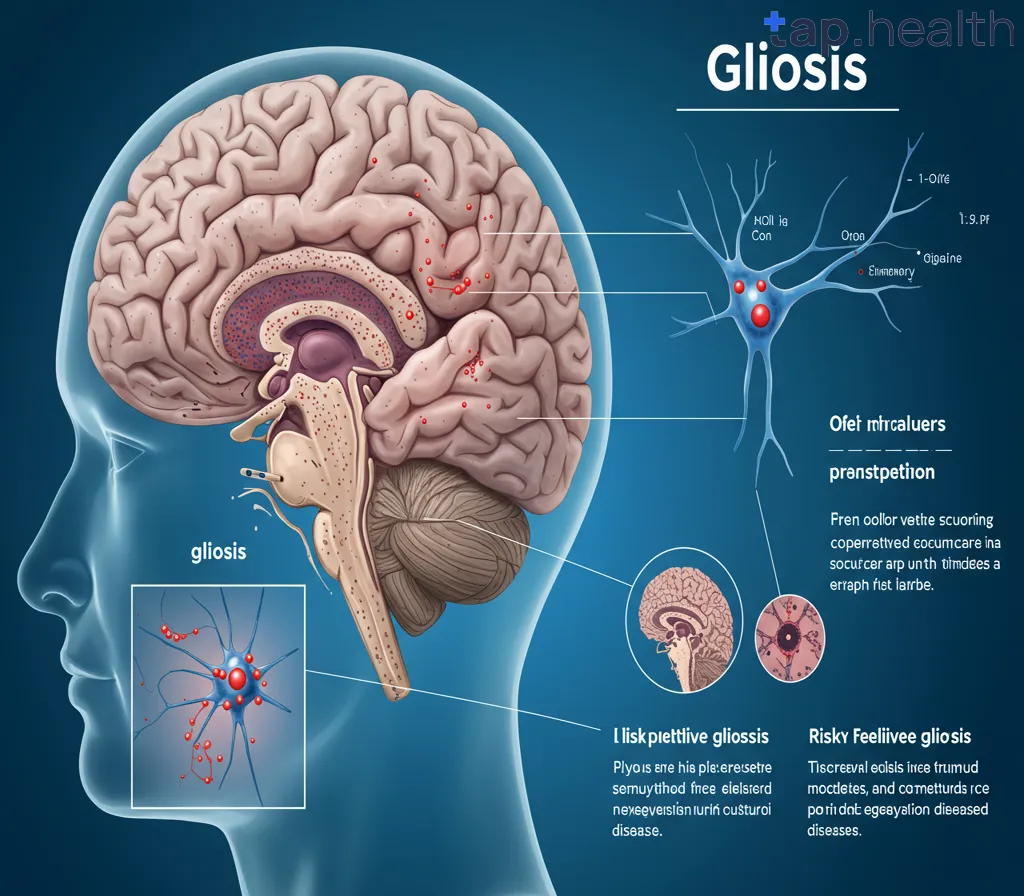
Gliosis is a term used to describe the formation of scar tissue in the brain. When the brain suffers injury or disease, glial cells (the cells responsible for supporting and maintaining the brain’s tissue) increase in number and form scars. This process helps to repair damaged areas but can also lead to unwanted effects on brain function.
Types of Glial Cells Involved in Gliosis
- Astrocytes: These star-shaped glial cells become activated during gliosis. They help form the scar tissue and repair damaged brain tissue.
- Oligodendrocytes: These cells produce the myelin sheath, which insulates nerve fibers, and can be involved in gliosis in certain brain regions.
- Microglia: These are the immune cells in the brain. When the brain is injured or infected, microglia become activated to protect and clean up the damaged area.
Gliosis vs. Brain Injury
While gliosis itself isn’t a disease, it is a response to brain injury or disease. When the brain suffers from conditions such as trauma, stroke, infections, or neurodegenerative diseases, gliosis occurs as part of the brain’s repair process.
What Causes Gliosis in the Brain?
Several conditions and factors can lead to gliosis. It is a reaction to damage or stress on the brain. Below are some of the common causes of gliosis:
1. Trauma and Brain Injury
Brain injuries, such as those resulting from car accidents, falls, or sports injuries, can cause damage to brain tissue. When the brain is injured, glial cells proliferate to repair the damage, leading to gliosis.
2. Stroke
A stroke occurs when blood flow to a part of the brain is interrupted, leading to tissue damage. Gliosis is a common response after a stroke, as the brain attempts to heal the damaged area.
3. Infections
Certain infections can damage brain cells and lead to gliosis. Infections like encephalitis (inflammation of the brain), meningitis (inflammation of the membranes surrounding the brain), or HIV can all result in gliosis as the brain tries to heal itself.
4. Neurodegenerative Diseases
Conditions like Alzheimer’s disease, Parkinson’s disease, and multiple sclerosis can cause chronic damage to brain cells, leading to gliosis. In these conditions, glial cells become activated over time as the brain’s neurons degenerate.
5. Tumors
Brain tumors or any cancerous growth in the brain can result in gliosis. As the tumor grows and causes damage to the surrounding brain tissue, gliosis forms as part of the brain’s repair process.
6. Chronic Inflammation
Chronic inflammation due to autoimmune disorders or other inflammatory conditions can cause long-term activation of glial cells, resulting in gliosis. Diseases like multiple sclerosis and systemic lupus erythematosus (SLE) are examples of conditions that can lead to gliosis.
Is Gliosis in the Brain Dangerous?
The short answer is that gliosis itself is not inherently dangerous. It’s a protective response that occurs when the brain is damaged. However, gliosis can sometimes lead to complications or indicate an underlying condition that might be more harmful.
Here are several ways in which gliosis may pose a risk:
1. Impairment of Brain Function
While gliosis can help repair damaged areas of the brain, the scar tissue formed may not function as efficiently as healthy brain tissue. This can interfere with normal brain function and cause:
- Memory problems (especially after strokes or neurodegenerative diseases like Alzheimer’s)
- Difficulty with motor skills and coordination (in cases of brain trauma or multiple sclerosis)
- Cognitive dysfunction or loss of mental clarity
2. Progressive Damage in Neurodegenerative Diseases
In conditions like Alzheimer’s or Parkinson’s disease, gliosis often worsens over time. As brain cells degenerate, gliosis becomes more widespread, leading to further neurological impairments. In these cases, gliosis is a response to ongoing damage, and the increasing scar tissue can hinder brain function even more.
3. Complication of Infections or Tumors
If gliosis is the result of an infection or brain tumor, the underlying condition is likely more dangerous. Gliosis, in this case, is a symptom of the body’s attempt to heal, but the infection or tumor itself may require serious medical intervention. Gliosis itself won’t address the root cause, such as the infection or tumor.
4. Increased Risk of Seizures
In some cases, the scar tissue formed by gliosis can interfere with normal electrical activity in the brain, increasing the risk of seizures. Seizures are more common in individuals with brain injuries, tumors, or conditions like epilepsy, where gliosis might play a role in triggering abnormal brain activity.
How is Gliosis Diagnosed?
Gliosis can be diagnosed through imaging tests and neurological assessments. While gliosis itself may not cause immediate symptoms, the condition leading to gliosis (like a stroke, infection, or tumor) often presents noticeable signs. Here’s how gliosis is typically diagnosed:
1. MRI (Magnetic Resonance Imaging)
MRI scans are highly effective in detecting gliosis in the brain. The scar tissue formed by gliosis can show up as bright areas on the MRI, indicating inflammation or changes in the brain’s tissue. MRI is also useful for identifying the underlying cause of gliosis, such as a stroke or brain injury.
2. CT Scan (Computed Tomography)
A CT scan can also detect signs of brain damage, though MRI is more sensitive for detecting gliosis. CT scans can be used to look for structural abnormalities in the brain, such as bleeding, tumors, or signs of stroke.
3. Biopsy (in some cases)
In rare cases where gliosis is caused by a brain tumor, a biopsy may be performed to determine the nature of the tumor. This helps doctors decide on the best treatment plan.
Treatment for Gliosis in the Brain
There is no direct treatment for gliosis itself, as it is a response to brain injury or disease. Instead, treatment focuses on managing the underlying condition causing the gliosis and alleviating any associated symptoms. Below are some common treatments used:
1. Medications
If gliosis is caused by inflammation or autoimmune disorders, doctors may prescribe medications like:
- Anti-inflammatory drugs
- Corticosteroids
- Immunosuppressive drugs
For conditions like epilepsy, where gliosis may increase the risk of seizures, anti-seizure medications may be prescribed.
2. Surgery
If gliosis is associated with a brain tumor or abscess, surgery may be required to remove the tumor or infection, addressing the root cause of the gliosis.
3. Rehabilitation
For individuals with brain injury or stroke-related gliosis, rehabilitation therapies like physical therapy, speech therapy, and occupational therapy may be necessary to improve brain function and help individuals regain lost abilities.
4. Antibiotics or Antifungal Drugs
If gliosis is caused by an infection, such as tuberculosis or fungal infections, appropriate treatments with antibiotics or antifungal drugs will be prescribed.
Can Gliosis Be Prevented?
Since gliosis is a response to brain injury or disease, preventing it often involves reducing the risk of conditions that cause it. Here are some preventive steps you can take:
1. Protect Your Brain from Injury
Using protective equipment (e.g., helmets) during sports or high-risk activities and taking precautions to prevent accidents can help reduce the risk of brain injury, which can lead to gliosis.
2. Control Risk Factors for Stroke
To reduce your risk of stroke, follow these tips:
- Maintain healthy blood pressure
- Keep cholesterol levels in check
- Avoid smoking
- Eat a healthy diet rich in fruits, vegetables, and whole grains
- Exercise regularly
3. Early Detection and Treatment of Infections
Seek medical attention if you experience symptoms of infections such as headaches, fever, or neurological changes. Early diagnosis and treatment can prevent the development of gliosis associated with infections.
4. Manage Chronic Conditions
If you have chronic conditions like multiple sclerosis or autoimmune disorders, work with your doctor to manage them effectively to minimize the risk of gliosis.
FAQ Section on Is Gliosis in the Brain Dangerous?
1. What causes gliosis in the brain?
Gliosis in the brain is caused by brain injury, infections, stroke, tumors, or chronic neurological conditions. It is a response to tissue damage and inflammation.
2. Is gliosis dangerous?
In most cases, gliosis itself is not dangerous, but it can cause complications depending on its location and the underlying condition. It can interfere with brain function, leading to seizures, cognitive issues, or motor problems.
3. How is gliosis treated?
There is no direct treatment for gliosis, but treating the underlying condition (such as infection, stroke, or tumor) and managing symptoms is crucial. Medications, rehabilitation, and surgery may be necessary depending on the cause.
4. Can gliosis lead to seizures?
Yes, in some cases, gliosis can lead to seizures, especially if the scar tissue interferes with normal electrical activity in the brain.
5. Can gliosis be prevented?
While gliosis itself cannot be prevented, you can reduce the risk of conditions that cause it by protecting your brain from injury, managing chronic conditions, and seeking prompt treatment for infections and neurological disorders.
Conclusion
Gliosis in the brain is a natural response to brain injury, infection, or other conditions, and in most cases, it is not dangerous. However, the underlying cause of gliosis may pose a greater risk, particularly if it results from conditions like stroke, brain tumors, or chronic neurodegenerative diseases. Understanding gliosis and its potential complications is essential for effective treatment and management.
If you or someone you know has been diagnosed with gliosis, it’s important to work with a healthcare provider to address the root cause of the condition and manage any symptoms. Early intervention and proper care can significantly improve outcomes and quality of life.