If you have diabetes — or are at risk for it — you probably think twice before drinking anything with sugar, carbs, or caffeine.
So when someone says, “Try rooibos tea,” you might ask: Is rooibos good for diabetics?
The answer is a strong yes — and here’s why.
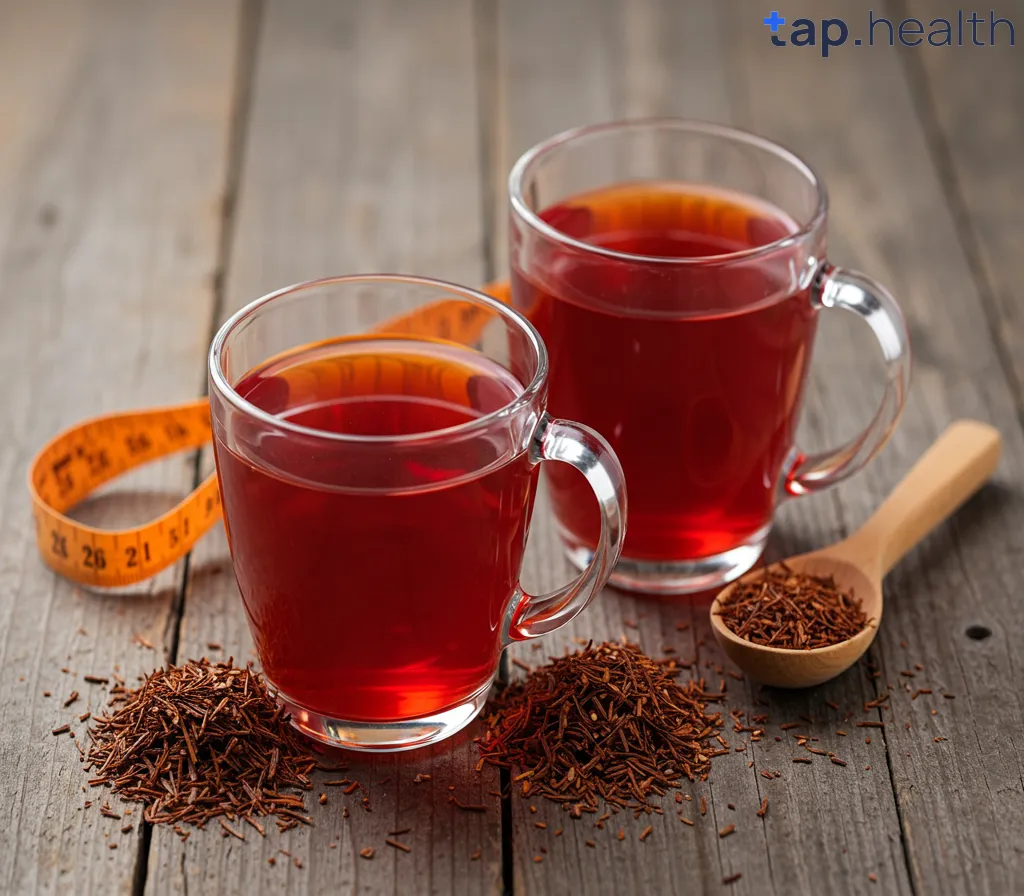
Rooibos (pronounced roy-boss) is a naturally sweet, red herbal tea from South Africa. It has zero sugar, no caffeine, and almost no carbs. That makes it a safe, healthy drink for people managing blood sugar.
But it’s not just safe — it may actually help with diabetes.
Studies suggest rooibos can:
- Help control blood sugar
- Improve insulin sensitivity
- Lower bad cholesterol
- Reduce inflammation
And the best part? It tastes great — like a mild, slightly sweet, earthy tea.
In this article, we’ll break down everything you need to know about rooibos and diabetes — in plain, simple English. No confusing science words. Just clear, honest facts from trusted health sources like the American Diabetes Association, National Institutes of Health (NIH), Harvard Health, and Cleveland Clinic.
Let’s dive in.
What Is Rooibos Tea?
Before we talk about diabetes, let’s understand what rooibos actually is.
A Natural Herbal Tea from South Africa
Rooibos comes from a plant called Aspalathus linearis. It grows only in the Western Cape of South Africa.
The leaves are harvested, chopped, and fermented (like black tea), turning them red. That’s why it’s often called red bush tea.
There’s also green rooibos, which is unfermented and has a lighter color and taste.
Both are caffeine-free and low in tannins (which can make tea bitter).
Not a “Real” Tea — It’s Herbal
Most teas — like black, green, or white tea — come from the Camellia sinensis plant.
Rooibos does not. It’s a herbal tea, like chamomile or peppermint.
That means:
- No caffeine
- No theine (a stimulant in real tea)
- Naturally sweet taste
- Safe for kids, pregnant women, and seniors
So, if you’re avoiding caffeine or want a calming drink, rooibos is a great choice.
Is Rooibos Good for Diabetics? The Short Answer
Yes — rooibos is good for diabetics.
Here’s why:
- Zero sugar
- No carbs (less than 0.1g per cup)
- No caffeine (won’t spike blood sugar)
- Packed with antioxidants
- May help lower blood glucose
It won’t cure diabetes — but it’s one of the safest, healthiest drinks you can enjoy daily.
Let’s go deeper.
How Does Rooibos Affect Blood Sugar?
This is the big question: Does rooibos raise or lower blood sugar?
Good news: It doesn’t raise it — and may actually help lower it.
Rooibos Has No Sugar and Almost No Carbs
One cup (8 oz) of plain rooibos tea has:
- 0 grams of sugar
- Less than 0.1 grams of carbohydrates
- 0 calories (if brewed without milk or sweeteners)
That means it won’t spike your blood sugar — unlike soda, juice, or even sweetened coffee.
You can drink it freely as part of your diabetes meal plan.
But It Might Do More Than Just Stay Neutral
Some studies show rooibos doesn’t just avoid raising blood sugar — it may help control it.
Let’s look at the science.
What Does Science Say About Rooibos and Diabetes?
Researchers have been studying rooibos for years — especially in South Africa, where it’s a national treasure.
Animal Studies Show Promising Results
Several lab studies on diabetic rats found that rooibos:
- Lowered fasting blood glucose
- Improved insulin sensitivity
- Reduced liver glucose production
One 2013 study published in Phytomedicine found that rats given rooibos extract had significantly lower blood sugar after 6 weeks.
Another study in Journal of Medicinal Food showed rooibos helped protect the pancreas — the organ that makes insulin.
Human Studies Are Limited But Positive
There aren’t many large human trials yet — but the ones that exist are encouraging.
A small 2011 study from the Cape Peninsula University of Technology found that people with type 2 diabetes who drank six cups of rooibos daily for six weeks had:
- Lower blood glucose levels
- Improved antioxidant status
- Better cholesterol numbers
No serious side effects were reported.
While more research is needed, the results are promising.
How Rooibos May Help with Type 2 Diabetes
So how does a simple tea help with a complex disease like diabetes?
It comes down to three main things: antioxidants, anti-inflammatory effects, and insulin support.
1. Antioxidants Fight Oxidative Stress
People with diabetes often have something called oxidative stress — an imbalance between free radicals and antioxidants in the body.
This can damage cells, blood vessels, and nerves — leading to complications like heart disease and nerve damage.
Rooibos is loaded with antioxidants, including:
- Aspalathin – unique to rooibos, may help with blood sugar
- Quercetin – reduces inflammation
- Luteolin – supports heart health
These help neutralize free radicals and protect your body.
2. Reduces Inflammation
Chronic inflammation is linked to insulin resistance — a key problem in type 2 diabetes.
Rooibos has natural anti-inflammatory compounds that may help reduce this inflammation, making your body respond better to insulin.
3. May Improve Insulin Sensitivity
Insulin sensitivity means your cells respond well to insulin — so sugar moves from your blood into your cells.
When you’re insulin resistant, sugar stays in your blood, causing high levels.
Some studies suggest aspalathin, the main antioxidant in rooibos, may:
- Help muscle cells take in more glucose
- Reduce insulin resistance
- Protect insulin-producing cells in the pancreas
Again, most of this research is in animals — but it’s a strong sign that rooibos supports healthy metabolism.
Is Rooibos Better Than Green Tea for Diabetics?
You’ve probably heard green tea is good for diabetes. So how does rooibos compare?
Green Tea: Also Good, But Has Caffeine
Green tea contains catechins — powerful antioxidants that may help lower blood sugar and improve insulin sensitivity.
But it also has caffeine (about 25–45 mg per cup).
For some people with diabetes, caffeine can:
- Temporarily raise blood sugar
- Increase insulin resistance
- Cause jitteriness or anxiety
So, while green tea is healthy, it’s not ideal for everyone.
Rooibos: Caffeine-Free and Gentle
Rooibos has no caffeine — making it safer for:
- People sensitive to stimulants
- Those with high blood pressure
- Nighttime drinking
It also has less tannin, so it’s less likely to upset your stomach or interfere with iron absorption.
Which Is Better?
Both are good — but rooibos may be better for people who want a caffeine-free, gentle option.
If you tolerate caffeine, green tea is still a great choice. But rooibos gives you similar antioxidant benefits without the buzz.
Can Rooibos Help with Weight Management?
Being overweight increases the risk of type 2 diabetes and makes it harder to control.
So, can rooibos help with weight loss?
Not directly — but it can support healthy weight management.
How?
- Zero calories – Great for replacing sugary drinks
- Satisfying taste – Helps curb cravings
- May reduce fat storage – Some animal studies suggest rooibos can reduce fat accumulation in the liver and belly
One study in rats found that those given rooibos gained less weight on a high-fat diet.
While we can’t say it “burns fat” in humans, drinking rooibos instead of soda or juice can help you cut calories and lose weight over time.
And weight loss = better blood sugar control.
Does Rooibos Lower Cholesterol and Blood Pressure?
Heart disease is a major concern for people with diabetes.
The good news? Rooibos may help protect your heart.
May Lower LDL (“Bad”) Cholesterol
A study published in the Journal of Nutrition found that people who drank rooibos daily had:
- Lower LDL cholesterol
- Higher HDL (“good”) cholesterol
- Better overall lipid profile
This is likely due to its antioxidants, which prevent cholesterol from oxidizing (a step that leads to plaque in arteries).
May Help Control Blood Pressure
Some research suggests rooibos can help relax blood vessels, leading to lower blood pressure.
One compound in rooibos, quercetin, has been linked to improved circulation and lower hypertension.
While it’s not a replacement for blood pressure meds, it may offer mild support.
Is Green Rooibos Better Than Red Rooibos for Diabetics?
You may see two types: red rooibos (fermented) and green rooibos (unfermented).
Are they different? Yes — a little.
Red Rooibos (Fermented)
- Rich, sweet, earthy flavor
- High in antioxidants like aspalathin and orientin
- Slightly lower in some antioxidants due to fermentation
Green Rooibos (Unfermented)
- Lighter, grassier taste
- Higher in certain antioxidants (like polyphenols)
- Less studied, but may have stronger effects
Which Is Better for Diabetics?
Both are safe and healthy.
Green rooibos has slightly more antioxidants — so it might have a small edge.
But red rooibos is more widely available and tastes better to most people.
Bottom line: Either is fine. Choose the one you enjoy.
Can You Drink Rooibos Tea Every Day?
Yes — and many people do.
Safe for Daily Use
Rooibos is considered very safe, even in large amounts.
The European Food Safety Authority (EFSA) says there are no known side effects from drinking rooibos.
It doesn’t affect liver or kidney function — unlike some herbal supplements.
How Much Should You Drink?
There’s no official limit.
Most studies use 3 to 6 cups per day.
You can safely drink rooibos:
- In the morning
- With meals
- Before bed (it’s calming!)
Just avoid adding sugar, honey, or sweetened creamers — that defeats the purpose.
Is Rooibos Safe for People with Type 1 Diabetes?
Yes — rooibos is safe for both type 1 and type 2 diabetes.
Why It’s Safe
- No carbs = no blood sugar spike
- No caffeine = no insulin interference
- No known drug interactions
It won’t replace insulin, but it’s a healthy drink choice.
Some parents even give rooibos to children with type 1 diabetes as a safe, tasty beverage.
What About Flavored Rooibos Teas?
Plain rooibos is great — but what about flavored versions like vanilla, berry, or chai?
Watch Out for Added Sugars
Some flavored rooibos teas contain:
- Added sugars
- Artificial sweeteners
- Flavorings with carbs
Always check the label.
If you’re buying tea bags or bottled rooibos, look for:
- “Unsweetened”
- “No added sugar”
- “Naturally flavored” (not “artificially sweetened”)
Better yet, buy plain rooibos and add your own flavor with:
- A cinnamon stick
- A slice of lemon
- Fresh mint or ginger
That way, you control what goes in.
Can Rooibos Replace Medication for Diabetes?
No — rooibos is not a replacement for diabetes medication.
It may support your treatment — but it won’t cure diabetes or replace insulin or pills.
Think of it like this:
- Medication = essential treatment
- Rooibos = healthy lifestyle boost
It’s part of a bigger plan that includes:
- Eating well
- Exercising
- Taking meds as prescribed
- Monitoring blood sugar
Don’t stop your meds and drink tea instead. That’s dangerous.
But adding rooibos to your routine? That’s smart.
How to Brew the Perfect Cup of Rooibos Tea
Want to get the most out of your rooibos? Here’s how to brew it right.
Step 1: Use Fresh, Cold Water
Start with clean water. Don’t use distilled or softened water.
Step 2: Boil the Water
Rooibos needs boiling water (212°F / 100°C) to release its full flavor and antioxidants.
Step 3: Steep for 5–10 Minutes
- 5 minutes = lighter flavor
- 10 minutes = stronger, richer taste
The longer you steep, the more antioxidants you get.
Step 4: Enjoy Plain or Add Healthy Flavors
Skip sugar and cream.
Instead, try:
- A dash of cinnamon (helps blood sugar)
- A slice of lemon (vitamin C)
- Fresh ginger (anti-inflammatory)
Bonus: Iced Rooibos
Brew a strong pot, chill it, and serve over ice. Add mint for a refreshing summer drink.
Are There Any Side Effects of Rooibos?
For most people, no.
Rooibos is one of the safest herbal teas you can drink.
But a few rare concerns exist:
1. May Affect Hormone Levels (In Very High Doses)
One lab study suggested rooibos might have mild estrogen-like effects.
But this was in test tubes — not humans.
If you have hormone-sensitive conditions (like breast cancer), talk to your doctor. But normal drinking is likely safe.
2. Possible Liver Interaction (Extremely Rare)
A few case reports mention liver issues linked to rooibos — but these involved people drinking liters per day for months, plus other supplements.
No clear cause-and-effect link has been proven.
3. May Lower Iron Absorption (Like All Teas)
Rooibos contains tannins (though fewer than black tea), which can block iron absorption.
If you have iron deficiency, don’t drink rooibos with meals. Wait 30–60 minutes after eating.
Can Pregnant or Breastfeeding Women with Gestational Diabetes Drink Rooibos?
Yes — with a few notes.
Generally Recognized as Safe
Rooibos is caffeine-free and non-toxic, making it safer than coffee or black tea during pregnancy.
Many midwives and doctors consider it safe in moderation.
For Gestational Diabetes
Since rooibos has no sugar or carbs, it’s a great drink for women managing blood sugar during pregnancy.
But always check with your OB-GYN or dietitian — especially if you’re on a strict meal plan.
Is Organic Rooibos Better?
Organic rooibos is grown without synthetic pesticides or fertilizers.
Is it better for diabetics?
Not in terms of blood sugar — but it may be better for:
- The environment
- Your long-term health
- Avoiding chemical residues
If you can afford it, organic is a good choice.
But non-organic rooibos is still safe and effective.
How Does Rooibos Compare to Other Herbal Teas?
Let’s see how rooibos stacks up against other popular herbal teas.
| Rooibos | No | No | Neutral or helpful | ✅ Yes |
| Peppermint | No | No | Neutral | ✅ Yes |
| Chamomile | No | No | May help sleep, mild antioxidant | ✅ Yes |
| Hibiscus | No | No | May lower blood pressure | ✅ Yes (but tart) |
| Ginger | No | No | May help digestion and inflammation | ✅ Yes |
| Licorice root | No | No | May raise blood pressure | ❌ Use caution |
All of these are generally safe — but rooibos stands out because of its unique antioxidants and potential blood sugar benefits.
Can Rooibos Help Prevent Diabetes?
If you have prediabetes, can rooibos help stop it from turning into type 2 diabetes?
It might — as part of a healthy lifestyle.
How?
- Helps control blood sugar
- Reduces inflammation
- Supports heart health
- Replaces sugary drinks
One study found that people who drank herbal teas like rooibos had a lower risk of developing type 2 diabetes over time.
It’s not a magic shield — but every healthy choice counts.
Final Verdict: Is Rooibos Good for Diabetics?
Yes — rooibos is not only good for diabetics, it’s one of the best drink choices you can make.
It’s:
- Sugar-free
- Carb-free
- Caffeine-free
- Packed with antioxidants
- Possibly helpful for blood sugar and heart health
You can drink it daily, hot or iced, with or without flavor — as long as you avoid added sugars.
It won’t replace your meds, but it can be a powerful part of your diabetes management plan.
So go ahead — brew a cup, relax, and enjoy a drink that’s as tasty as it is healthy.
Frequently Asked Questions (FAQ) On Is Rooibos Good for Diabetics?
Q: Is rooibos good for diabetics?
A: Yes. Rooibos is sugar-free, carb-free, and caffeine-free. It may help control blood sugar and improve insulin sensitivity.
Q: Does rooibos raise blood sugar?
A: No. Plain rooibos has no sugar and almost no carbs, so it won’t raise blood sugar.
Q: Can diabetics drink rooibos tea every day?
A: Yes. Drinking 3–6 cups a day is safe and may offer health benefits.
Q: Is rooibos better than green tea for diabetics?
A: Rooibos is caffeine-free, making it gentler. Green tea has more research but contains caffeine. Both are good — choose based on your needs.
Q: Does rooibos contain insulin?
A: No. Rooibos does not contain insulin. But it may help your body use insulin more effectively.
Q: Can rooibos lower A1C levels?
A: There’s no direct proof yet, but studies suggest it may help lower blood glucose over time — which could improve A1C.
Q: Is flavored rooibos safe for diabetics?
A: Only if it’s unsweetened. Avoid teas with added sugar or artificial sweeteners.
Q: Does rooibos interact with diabetes medications?
A: No known interactions. But always talk to your doctor before making big changes.
Q: Can I add milk to rooibos if I have diabetes?
A: Yes, but use low-fat or plant-based milk (like almond or soy) and avoid sweetened versions.
Q: Is green rooibos better than red?
A: Green rooibos has slightly more antioxidants, but both are healthy. Red is more popular and tastes sweeter.
Q: Can rooibos help with diabetic nerve pain?
A: Not directly. But its antioxidants may reduce nerve damage over time by lowering oxidative stress.
Q: Is rooibos safe during pregnancy with gestational diabetes?
A: Yes, in moderation. It’s caffeine-free and sugar-free. Check with your doctor first.
Q: Does rooibos have calories?
A: No — plain brewed rooibos has 0 calories.
Q: Can I drink rooibos before bed?
A: Yes! It’s caffeine-free and may help you relax.
Q: Where can I buy rooibos tea?
A: Most grocery stores, health food stores, and online retailers (like Amazon) carry it. Look for brands like Twinings, Davidson’s, or Traditional Medicinals.
Note: This article is for informational purposes only and not medical advice. Always consult your doctor before making changes to your diabetes care plan.