tap.health logo
  • Diabetes Management
  • Health Assistant
  • About Us
  • Blog
  • Contact Us
Get Plan
  • Diabetes Management
  • Health Assistant
  • About Us
  • Blog
  • Contact Us
  • All Blogs
  • Diabetes
  • Is Sea Salt Better Than Regular Salt? A Complete Guide

Is Sea Salt Better Than Regular Salt? A Complete Guide

Diabetes
January 19, 2026
• 8 min read
K. Siva Jyothi
Written by
K. Siva Jyothi
Neha Sharma
Reviewed by:
Neha Sharma
Dietitian and Nutrition Officer
ChatGPT Perplexity WhatsApp LinkedIn X Grok Google AI
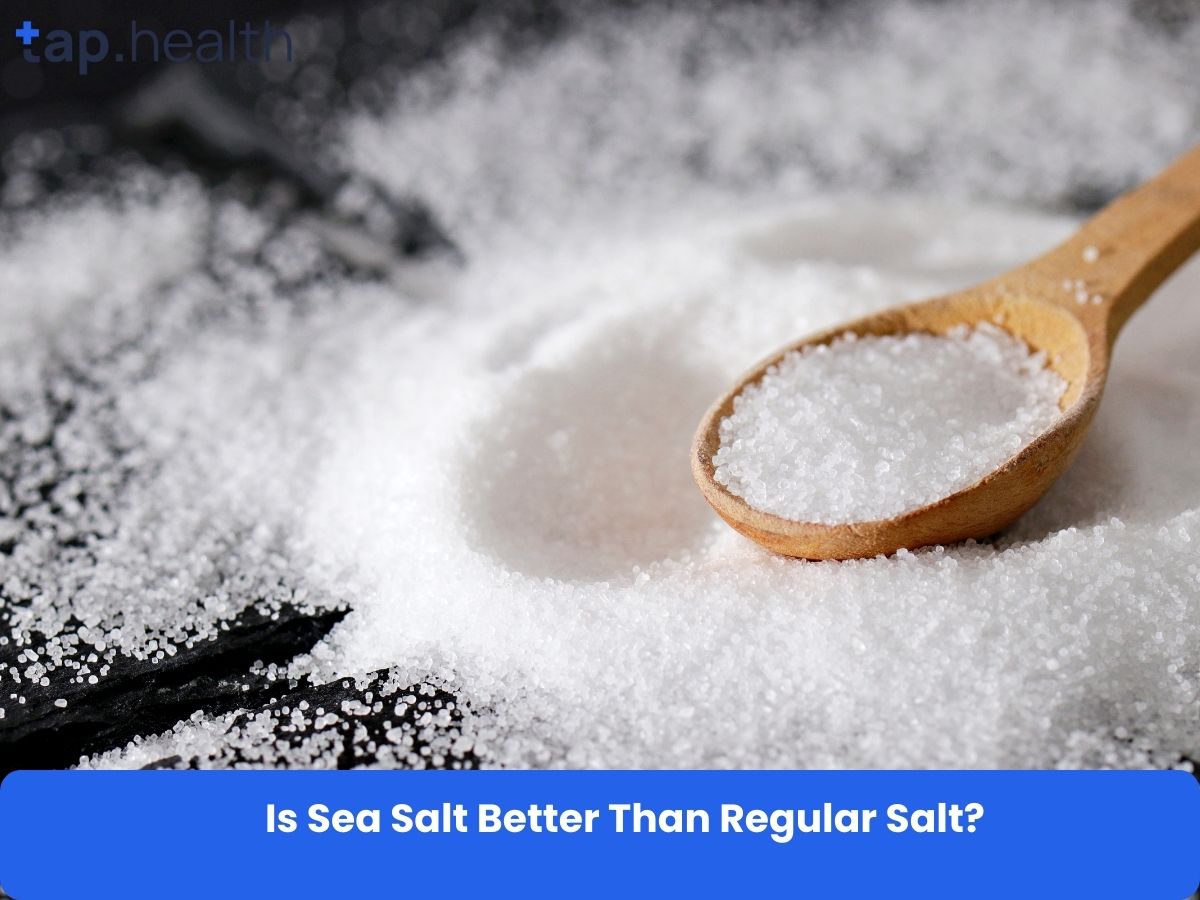
Is Sea Salt Better Than Regular Salt?

Walk into any modern Indian supermarket, and the salt aisle looks very different from how it did ten years ago. Gone are the days when you only saw the familiar packet of white Tata Salt. Now, you are greeted by jars of coarse sea salt, pink Himalayan salt, and fancy “gourmet” flakes.

You might have heard from a neighbour or a health influencer that switching to sea salt is the secret to lowering your blood pressure. Or maybe you have seen chefs on TV sprinkling coarse grains over a salad and wondered if you should be doing the same.

This leads to the big question: Is sea salt better than regular salt?

It is a question that confuses millions. Is the “natural” label on sea salt worth the extra price? Does it actually have less sodium? Or is it just a marketing gimmick?

In this detailed guide, written in simple Indian English, we will strip away the marketing hype and look at the raw science. We will compare the chemical makeup, health benefits, and risks of both salts so you can decide exactly what belongs in your kitchen cabinet.

What Actually Is Sea Salt?

To understand the difference, we first need to look at how these salts are born.

Sea salt is made by evaporating ocean water or water from saltwater lakes. It is produced with very little processing.

  • The Process: The sun and wind evaporate the water, leaving behind the minerals.
  • The Look: Because it is less processed, it retains trace minerals like magnesium, calcium, and potassium. These minerals give sea salt its coarser texture and sometimes a slightly greyish colour.
  • The Taste: Many chefs prefer it because it has a “brighter” or more distinct flavour due to these impurities.

What Is Regular Salt (Table Salt)?

Regular salt, or table salt, is typically mined from underground salt deposits (which are basically ancient, dried-up oceans).

  • The Process: It goes through a heavy refining process to remove minerals and impurities.
  • The Additives: Anti-caking agents are added to prevent it from clumping in humid Indian weather.
  • The Big Plus: Most importantly, in countries like India, regular salt is fortified with Iodine. This was a public health move started decades ago to prevent thyroid problems (goiter).

Is Sea Salt Better Than Regular Salt? The Core Comparison

Now, let’s tackle the main keyword head-on. Is one actually “better” for your health? To answer this, we need to compare them on three fronts: Sodium, Minerals, and Health Impact.

1. The Sodium Myth

This is the biggest misconception people have.

  • The Myth: “Sea salt has less sodium, so I can eat more of it.”
  • The Fact: Both sea salt and regular salt are primarily Sodium Chloride. By weight, they both contain roughly 40% sodium.
  • The Confusion: The only reason people think sea salt has less sodium is the crystal size. Because sea salt crystals are larger and jagged, fewer of them fit on a teaspoon compared to fine table salt. So, a teaspoon of sea salt does weigh less than a teaspoon of table salt. But if you sprinkle the same amount (by weight), the sodium impact on your blood pressure is exactly the same.

2. The Mineral Content

Sea salt fans often boast about the trace minerals like magnesium and potassium.

  • The Reality: While sea salt does have these minerals, they exist in tiny, trace amounts.
  • The Math: You would have to eat dangerous amounts of sea salt (which would destroy your kidneys) just to get a meaningful amount of magnesium. You are much better off getting these minerals from spinach, bananas, or dal.

3. The Iodine Issue (Crucial for India)

This is where regular salt often wins.

  • The Risk: Sea salt naturally contains very little iodine.
  • The Consequence: If you switch 100% to sea salt and do not eat enough seafood, you risk developing an iodine deficiency. This can lead to thyroid issues and goiter. Regular iodized salt is the primary source of iodine for most vegetarians in India.

Is Sea Salt Better Than Regular Salt for High Blood Pressure?

This is perhaps the most searched query on the topic. If you suffer from hypertension (high BP), you are likely looking for any way to lower your numbers.

The Answer: No, sea salt is not better for high blood pressure.

Sodium is the enemy of blood pressure because it holds water in your bloodstream, increasing the volume and pressure against your vessel walls.

  • Chemistry doesn’t lie: Since sea salt is still sodium chloride, it raises your blood pressure just as much as regular salt does.
  • The Danger: The danger lies in the “Health Halo.” If you believe sea salt is safer, you might accidentally use more of it, which could actually spike your BP higher than before.

Sea Salt vs. Himalayan Salt vs. Regular Salt

Let’s quickly compare the three giants in the salt world.

FeatureRegular (Table) SaltSea SaltHimalayan Pink Salt
SourceMined & RefinedEvaporated SeawaterMined in Pakistan
Sodium Content~40%~40%~40%
TextureFine, uniformCoarse, crunchyCoarse or fine
IodineAdded (Fortified)Trace (Natural)Trace (Natural)
Best UseBaking, daily cookingFinishing salads/steaksFinishing, aesthetics

Is Sea Salt Better Than Regular Salt for Cooking?

While the health differences are negligible, the culinary differences are huge. This is where sea salt shines.

1. Texture and Crunch

If you are sprinkling salt on top of a salad, a grilled piece of paneer, or a slice of watermelon, sea salt is superior.

  • Why: The large crystals don’t dissolve instantly. They provide a pleasant “crunch” and a burst of salty flavour that hits your tongue in spots. This can actually help you use less salt because the flavour is more concentrated on the surface.

2. Dissolving in Curries

If you are making a pot of sambar or dal, it does not matter which salt you use. Once the salt dissolves in the liquid, the texture disappears, and the flavour difference is undetectable. Using expensive sea salt in boiling pasta water is essentially pouring money down the drain.

Is Sea Salt Better Than Regular Salt for Diabetics?

People with diabetes often have to worry about their heart and kidney health.

  • The Verdict: Sea salt offers no specific advantage for diabetics over regular salt.
  • The Reason: The primary concern for diabetics regarding salt is kidney strain and blood pressure. Since the sodium content is identical, both salts pose the same risk if consumed in excess.
  • The Recommendation: For diabetics, the goal is not to switch the type of salt, but to reduce the amount of salt.

Potential Downsides of Sea Salt

It is not all sunshine and ocean breezes. There is a modern concern with sea salt: Pollution.

Microplastics

Our oceans are becoming polluted with plastic waste. Recent studies have found traces of microplastics in sea salt brands derived from ocean water. While the health impact of this is still being studied, it is a factor that makes mined salt (which comes from ancient underground deposits protected from modern pollution) seem cleaner to some experts.

Real-Life Scenario

Let’s look at a relatable story to make this clear.

Meet Anjali (42, Home Baker):

Anjali was diagnosed with mild hypertension. She read online that “natural” foods are better, so she threw away her Tata Salt and bought an expensive bag of coarse Sea Salt. She started using it generously in her cooking, thinking it was “heart-healthy.”

The Result: Two months later, her blood pressure hadn’t budged. In fact, it was slightly higher.

The Mistake: Because the crystals were large, she was finding it hard to measure. A “pinch” of sea salt was actually delivering inconsistent amounts of sodium.

The Correction: Her dietician explained that sodium is sodium. Anjali went back to using moderate amounts of iodized salt for cooking and saved the sea salt just for sprinkling on top of her salads.

Read this: Is Sea Salt Good for Diabetics?

Expert Contribution

We consulted Dr. S. Mehta, a General Physician and Nutritionist, to weigh in on the debate.

“I see patients every day who switch to sea salt or pink salt expecting their blood pressure to drop. I have to burst that bubble. Salt is salt. The body does not distinguish between sodium from the Himalayas or sodium from a factory. The real health upgrade comes from reducing your total intake to under one teaspoon a day—not from changing the brand. Also, please do not stop iodized salt completely; we are seeing a comeback of thyroid issues in people who switch exclusively to ‘gourmet’ salts.”

Recommendations Grounded in Proven Research and Facts

According to the American Heart Association (AHA) and the Mayo Clinic:

  1. The Sodium Limit: The limit for healthy adults is 2,300 mg of sodium per day (about 1 teaspoon of salt). For those with high blood pressure, the ideal limit is 1,500 mg. This applies to all types of salt.
  2. Iodine is Essential: The World Health Organization (WHO) strongly recommends iodized salt in regions where soil iodine is low (like much of India) to prevent brain damage in foetuses and goiter in adults.
  3. Taste Bud Adaptation: Research shows it takes about 21 days for your taste buds to adjust to lower salt. If you cut back gradually, you won’t even miss it.

Key Takeaways

  • Sodium is the Same: By weight, sea salt and regular salt have roughly the same sodium content.
  • No BP Benefit: Sea salt does not lower blood pressure any better than table salt.
  • Texture Matters: Sea salt is great for a crunchy “finishing” touch; table salt is better for baking and measuring.
  • Watch the Iodine: Regular salt protects your thyroid. If you use sea salt, ensure you eat other iodine-rich foods (like dairy or seafood).
  • Microplastics: Sea salt may contain trace microplastics from ocean pollution.

FAQ: Frequently Asked Questions

Is sea salt better than regular salt for high blood pressure?

No. Sea salt contains roughly the same amount of sodium as regular salt. Sodium is the main driver of high blood pressure. Switching to sea salt will not lower your BP; only reducing the total amount of salt you eat will help.

Is sea salt better than regular salt for cooking?

It depends on how you are cooking. For general cooking (like curries, soups, or baking), regular salt is better because it dissolves easily and measures accurately. Sea salt is better as a “finishing salt” sprinkled on top of food just before serving for texture and a burst of flavour.

Is sea salt better than regular salt for diabetics?

No. Diabetics need to be careful with their kidneys and heart health, which means watching sodium intake. Sea salt offers no special benefits for blood sugar or insulin sensitivity. The advice remains the same: consume less salt overall.

What are the disadvantages of sea salt?

The main disadvantages are the lack of iodine (which can lead to thyroid issues if it’s your only salt source), the higher cost, and the potential presence of microplastics from ocean pollution.

Is sea salt better than regular salt for mouth rinse?

Yes, slightly. Many dentists recommend warm salt water rinses for gum healing. Sea salt is often preferred here because it lacks the anti-caking additives and iodine found in table salt, which can sometimes irritate very sensitive open wounds in the mouth. However, regular salt works perfectly fine for most people.

Which salt is the healthiest?

The “healthiest” salt is simply the one used in moderation. However, if we look at public health needs in India, Iodized Table Salt is often considered the most essential to prevent thyroid disease. If you want lower sodium, a Potassium-Enriched Salt (Low Sodium Salt) is the only type that actually lowers BP risks (but check with a doctor first).

Sea salt vs Himalayan salt: Which is better?

Both are chemically very similar (mostly sodium chloride) and lack sufficient iodine. Himalayan salt is mined from the earth and is generally free of microplastics, whereas sea salt comes from modern oceans. Himalayan salt also has a pink colour due to iron oxide. Neither is significantly “healthier,” but Himalayan salt is often considered purer due to the lack of ocean pollution.

Is table salt bad for you?

Table salt is not “bad” for you; it is an essential nutrient. The problem is the quantity. We need a small amount of sodium for our nerves and muscles to work. Table salt only becomes bad when we eat too much of it, leading to heart and kidney strain. The additives in table salt are generally safe and consumed in tiny amounts.


References

  1. Mayo Clinic: Sea salt vs. table salt: What’s the difference?
  2. American Heart Association: Sea Salt vs. Table Salt

Disclaimer: This content is for educational purposes only. If you have specific health conditions like hypertension or thyroid issues, please consult your doctor or dietician before making major changes to your diet.


Tags
diabetes prevention foot health diabetes and sleep fasting blood sugar diabetes misconceptions diabetes medicine safety diabetic neuropathy symptoms diabetic foot ulcer warning signs can diabetics eat mango diabetes itching urinary infection diabetes diabetes slow wound healing metformin side effects diabetes numbness in hands banana for diabetes dates blood sugar jaggery for diabetes is poha good for diabetes guava blood sugar India diabetes pregnancy blood sugar targets diabetes medicine India blood sugar vs blood pressure LADA diabetes symptoms ED in diabetic men how to store insulin cataract surgery diabetes diabetes cholesterol levels Ramadan diabetes medicine timing walking after meals diabetes flu vaccine diabetes diabetes food cravings whey protein diabetes diabetes thirst fluids skipping breakfast diabetes diabetes and blurred vision breathlessness diabetes diabetes nausea causes dry mouth high blood sugar diabetes and shoulder pain diabetes and palpitations diabetes symptoms and tests diabetes and hand tremors causes A1C gestational diabetes poor sleep blood sugar HbA1c diabetes symptoms in women diabetes medicines diabetes nerve damage diabetes and blood pressure mango and diabetes dark patches diabetes diabetes stomach problems diabetes wounds metformin safety diabetes tingling hands banana blood sugar papaya for diabetes is jaggery good for diabetes poha blood sugar orange for diabetes sugar spike after rice postpartum diabetes risk type 1 vs type 2 diabetes diabetes vs high cholesterol latent autoimmune diabetes in adults diabetes and menopause insulin storage at home diabetes and muscle loss diabetes triglycerides diabetes and shift work diabetes and smoking GLP-1 diabetes medicines sugar cravings diabetes protein powder kidney diabetes diabetes diarrhoea vomiting diabetes breakfast skipping diabetic eye symptoms high sugar breathing problems diabetes and vomiting diabetes mouth symptoms diabetes frozen shoulder racing heart low sugar diabetes and tingling feet diabetes and appetite loss Medicine blood sugar pregnancy diabetes sleep and diabetes diabetes in India women diabetes signs diabetes treatment advice tingling feet diabetes high blood pressure diabetes mango sugar diabetes walking after meals for diabetes diabetic gastroparesis diabetic wound care diabetes ketoacidosis warning signs diabetic neuropathy hands coconut water and diabetes is papaya good for diabetes gur for diabetes sprouts for diabetes can diabetics eat oranges Indian diet diabetes diabetes after pregnancy type 1 and type 2 diabetes difference lipid profile diabetes diabetes vs MODY menopause blood sugar insulin fridge temperature diabetes muscle weakness diabetes and high blood pressure night shift diabetes smoking diabetes risk GLP-1 weight loss diabetes diabetes hunger cravings CGM skin irritation diabetes diabetes sick day vomiting morning sugar skipping breakfast diabetes and sweating diabetes and shaking vomiting with diabetes diabetes and itchy skin shoulder stiffness diabetes heart pounding diabetes diabetes and tingling feet causes diabetes and appetite loss causes Health fasting glucose blood sugar pregnancy diabetes and stress diabetes risk factors India diabetes risk women Indian diabetic diet chart diabetes eye disease diabetes heart kidney risk diabetes reversal vs remission post meal walk diabetes diabetes bloating nausea diabetes yeast infection DKA symptoms fasting with diabetes coconut water for diabetes papaya blood sugar watermelon for diabetes are sprouts good for diabetes orange blood sugar glucose spike symptoms gestational diabetes India difference between type 1 and type 2 diabetes diabetes vs neuropathy MODY diabetes symptoms type 2 diabetes menopause glucometer errors sarcopenia diabetes diabetes hypertension diabetes meal timing shift work diabetes quit smoking semaglutide diabetes diabetes and fever CGM sensor rash diabetes loose motions late dinner diabetes sweating low blood sugar tremors low blood sugar diabetes and cold feet itching high blood sugar diabetes and loss of appetite diabetes and muscle weakness diabetes and sweaty feet diabetes and burning feet Lifestyle A1C test low blood sugar stress blood sugar diabetes prevention India diabetes symptoms in men diabetic meal plan diabetic eye test borderline HbA1c diabetes remission walking lowers blood sugar diabetes sick day rules diabetes fungal infection ketones diabetes diabetes fasting safety can diabetics drink coconut water oats for diabetes can diabetics eat watermelon sprouts blood sugar brown bread for diabetes post meal blood sugar continuous glucose monitor India diabetes vs diabetes insipidus diabetes vs heart disease maturity onset diabetes of the young diabetes and frozen shoulder wrong blood sugar reading diabetes and anaemia BP in diabetes diabetes and vitamin D diabetes neuropathy pain relief diabetes and migraine best shoes for diabetic feet diabetes adhesive allergy CGM diabetes and kidney stones diabetes dinner timing diabetes and leg cramps shaky feeling diabetes cold feet diabetes diabetes fungal itching loss appetite diabetes weakness high blood sugar diabetes and sweaty feet causes diabetes and burning feet causes Home remedies diabetes diet hypoglycemia cortisol diabetes best fruits for diabetes men diabetes signs HbA1c test high protein breakfast for diabetes HbA1c 5.7 to 6.4 reverse type 2 diabetes diabetes grocery list India diabetes during illness diabetes vaginal itching diabetes blurry vision can diabetics fast curd for diabetes oatmeal diabetes watermelon blood sugar methi seeds for diabetes bread for diabetes insulin resistance symptoms CGM cost India diabetes mellitus vs diabetes insipidus diabetes heart disease risk continuous glucose monitor diabetes frozen shoulder diabetes reactive hypoglycaemia anaemia diabetes HbA1c diabetes and liver enzymes vitamin D deficiency diabetes diabetic neuropathy burning feet diabetes headache triggers diabetic socks foot ulcer prevention diabetes monsoon care kidney stones diabetes night sugar late dinner leg cramps diabetes diabetes and periods diabetes poor circulation feet diabetes and swollen ankles diabetes not feeling hungry diabetes leg weakness diabetes and neck pain diabetes and slow digestion Fitness balanced meals diabetes safety diabetes eye care diabetes fruits diabetes risk men HbA1c normal range diabetes breakfast India prediabetes HbA1c diabetes plate method diabetic food list India blood sugar fever infection diabetes night sweats high blood sugar blurry vision insulin injection sites is curd good for diabetes are oats good for diabetes apple for diabetes fenugreek for diabetes whole wheat bread diabetes diabetes blood pressure time in range diabetes insipidus symptoms diabetes and heart attack CGM diabetes diabetic shoulder pain low blood sugar after eating low haemoglobin diabetes high SGPT diabetes vitamin D insulin resistance diabetes gastroparesis blood sugar migraine diabetes and driving diabetes rainy season foot infection diabetes urine pain diabetes medicine timing diabetes muscle cramps periods affect blood sugar hair loss diabetes ankle swelling diabetes diabetes and restless legs diabetes and memory problems diabetes and neck pain causes diabetes and slow digestion causes Prevention healthy eating diabetes heart health diabetic retinopathy fruit and blood sugar type 1 diabetes how to lower HbA1c diabetic breakfast ideas post-meal blood sugar Indian diabetes plate foods for diabetes shopping diabetes and alcohol low blood sugar at night diabetes excessive thirst insulin site rotation diabetes curd milk for diabetes can diabetics eat apple methi diabetes avocado for diabetes diabetes heart risk glucometer accuracy diabetes vs metabolic syndrome gestational diabetes vs type 2 diabetes continuous glucose monitoring metformin vitamin B12 deficiency postprandial hypoglycaemia diabetes and uric acid SGOT SGPT diabetes diabetes and magnesium diabetic gastroparesis symptoms diabetes and thyroid medication driving with diabetes monsoon diabetes tips diabetes foot nail care diabetes medicine before or after food diabetes and frequent infections menstrual cycle diabetes diabetes hair fall causes diabetes leg swelling causes restless leg syndrome diabetes diabetes brain fog diabetes and chest pain Hygiene why diabetes is considered as a lifestyle disease blood pressure diabetes eye test rice and diabetes type 1 diabetes symptoms fasting sugar normal range PCOS and diabetes blood sugar after food diabetes portion control diabetes kidney tests alcohol blood sugar diabetes diabetes sweating at night diabetes dry mouth insulin lumps tea and coffee in diabetes can diabetics drink milk apple blood sugar cinnamon for diabetes is avocado good for diabetes ABC diabetes diabetes technology metabolic syndrome and diabetes pregnancy diabetes and type 2 diabetes steroid induced diabetes metformin B12 symptoms type 3c diabetes high uric acid diabetes diabetes and dental health magnesium deficiency diabetes delayed stomach emptying diabetes levothyroxine diabetes low blood sugar driving diabetes and antibiotics diabetic nail cutting missed diabetes medicine dose recurrent infections diabetes time in range diabetes diabetes wounds not healing diabetes and headache diabetes leg discomfort night memory loss blood sugar diabetes and chest pain causes Ailments lifestyle diabetes cholesterol diabetes kidney care can diabetics eat rice insulin diabetes high fasting blood sugar PCOS insulin resistance postprandial glucose low glycaemic index foods for diabetes urine albumin diabetes can diabetics drink alcohol diabetes headache frequent urination diabetes diabetes weight gain coffee diabetes best milk for diabetes eggs for diabetes cinnamon blood sugar avocado blood sugar kidney risk diabetes CGM vs glucometer India metabolic syndrome symptoms gestational diabetes future risk steroid diabetes symptoms vitamin B12 test metformin pancreatogenic diabetes diabetes gout risk tooth infection diabetes magnesium insulin sensitivity diabetes and UTI thyroid medicine blood sugar diabetes in older adults antibiotics blood sugar diabetes diabetes fungal nail infection diabetes airport travel diabetes infection symptoms CGM time in range diabetes and increased appetite headache low blood sugar fever high blood sugar diabetes and skin discolouration diabetes and cough Hindi type 2 diabetes lifestyle disease living with diabetes diabetic kidney disease diabetes diet India prediabetes diet reverse prediabetes naturally PCOS diabetes risk dawn phenomenon diabetes low GI foods India eGFR diabetes diabetes and dizziness high blood sugar headache diabetes fatigue diabetes and weight gain tea diabetes peanuts for diabetes are eggs good for diabetes dalchini for diabetes travelling with diabetes diabetes footwear diabetes reversal myths diabetes vs thyroid diabetes vs anaemia steroids high blood sugar diabetes distress diabetes caused by pancreas disease diabetes and PCOS diabetes and skin infections protein intake diabetes urinary tract infection diabetes diabetes fatigue after eating elderly diabetes care infection treatment diabetes antibiotics CGM vs glucometer insulin airport security dizziness low blood sugar time in range targets constant hunger diabetes high sugar headache sick day diabetes yellow skin diabetes diabetes and cough causes skin diseases exercise and diabetes diabetes habits kidney tests diabetes morning blood sugar prediabetes food prediabetes reversal gestational diabetes diet Indian morning sugar high diabetes low GI diet diabetes and dental problems dizziness diabetes low blood sugar headache diabetes tiredness insulin weight gain roti for diabetes are peanuts good for diabetes egg diabetes amla for diabetes diabetes travel checklist blurred vision diabetes HbA1c remission diabetes and thyroid disease diabetes fatigue or anaemia diabetes and hair loss diabetes burnout diabetes and bone health PCOS insulin resistance diabetes boils diabetes diabetes protein diet diabetes women's sexual health sleepy after meals diabetes diabetes low sugar older adults diabetes workplace health CGM vs finger prick diabetes travel documents dizziness high blood sugar millets for diabetes diabetes hunger causes diabetes and bladder problems diabetes and daytime sleepiness diabetes and night urination diabetes and snoring acne vulgaris symptoms blood sugar control diabetes management high blood sugar symptoms fasting sugar high lower diabetes risk how to prevent type 2 diabetes pregnancy diabetes diet high fasting sugar in morning diabetes and fatty liver diabetes gum disease low sugar dizziness blood sugar monitoring at home high blood sugar tiredness diabetes swollen feet best roti for diabetes peanuts blood sugar paneer for diabetes amla juice diabetes insulin travel storage fundus exam diabetes remission vs reversal thyroid blood sugar anaemia diabetes symptoms diabetes hair loss causes diabetes burnout symptoms diabetes osteoporosis diabetes and sleep apnoea diabetes and travel protein foods for diabetes diabetes vaginal dryness post meal sugar spike tiredness diabetes blood tests diabetes desk job diabetes CGM accuracy night hypoglycaemia symptoms diabetes and skin tags ragi jowar bajra diabetes diabetes and morning constipation diabetes urinary symptoms diabetes fatigue sleepiness urinating at night diabetes diabetes and snoring causes AI Search physical activity insulin resistance hyperglycemia symptoms dawn phenomenon diabetes and weight loss insulin resistance diet gestational diabetes meal plan diabetes and cholesterol fatty liver diabetes dry mouth diabetes diabetes leg pain when to check blood sugar diabetes constipation swollen feet diabetes chapati diabetes sweet potato for diabetes is paneer good for diabetes amla blood sugar diabetes hot weather eye care diabetes vildagliptin diabetes vs PCOS diabetes vs Cushing syndrome hair fall in diabetes diabetes depression anxiety diabetes fracture risk sleep apnea diabetes travel with diabetes diabetes and fibre diabetes sexual problems women diabetes meal timing diabetes test list office snacks diabetes early signs of insulin resistance diabetes low sugar during sleep dark neck insulin resistance best millet for blood sugar constipation diabetes morning diabetes and body odour diabetes and bloating nocturia diabetes diabetes and morning fatigue type 2 diabetes diabetes foot care insulin sensitivity diabetes warning signs diabetes myths weight loss diabetes Indian foods for insulin resistance diabetic foot ulcer diabetes lipid profile insulin resistance fatty liver diabetes urine infection diabetic leg cramps blood glucose monitoring diabetes and constipation diabetes foot swelling can diabetics eat dates can diabetics eat sweet potato paneer diabetes guava for diabetes diabetes dehydration diabetic retinopathy symptoms vildagliptin benefits in type 2 diabetes patients diabetes vs hypertension Cushing syndrome blood sugar diabetes and erectile dysfunction diabetes and depression diabetes and cataracts snoring diabetes insulin resistance diabetes Ramadan fasting fibre foods for diabetes diabetes and vaccines best time to eat for diabetes blood tests for diabetes checkup diabetes and dehydration insulin resistance tests constipation in diabetes acanthosis nigricans diabetes diabetes and nausea morning bowel movement diabetes diabetes smell sweat bloating with diabetes diabetes and numbness in hands diabetes and morning fatigue causes prediabetes diabetic foot type 2 diabetes risk normal blood sugar levels diabetes facts insulin resistance weight loss improve insulin sensitivity diabetes foot wound cholesterol in diabetes diabetes skin problems frequent UTI diabetes diabetes nerve pain legs metformin for diabetes constipation diabetes can diabetics eat banana dates for diabetes sweet potato blood sugar poha for diabetes can diabetics eat guava heat and blood sugar GDM screening DPP-4 inhibitor diabetes and hypertension diabetes vs LADA erectile dysfunction diabetes diabetes anxiety symptoms diabetic cataract symptoms diabetes and high cholesterol diabetes fasting Ramadan soluble fibre blood sugar vaccines for diabetes late night eating diabetes protein powder diabetes dehydration blood sugar walk after dinner blood sugar diabetes constipation relief diabetes and shortness of breath nausea with diabetes diabetes and dry mouth fruity breath diabetes diabetes stomach gas diabetes and numbness in hands causes diabetes and hand tremors
More blogs
Kazima Qureshi
Kazima Qureshi
• July 17, 2026
• 19 min read

Diabetes and Hand Tremors: Low Sugar, Medicines, Anxiety, and What to Do

A detailed, research-based guide to diabetes and hand tremors, including causes, tests, safe care, and warning signs.

Diabetes
Is Sea Salt Better Than Regular Salt?
K. Siva Jyothi
K. Siva Jyothi
• July 17, 2026
• 19 min read

Diabetes and Morning Fatigue: Sleep, High Sugar, Anaemia, Thyroid, and Tests

A detailed, research-based guide to diabetes and morning fatigue, including causes, tests, safe care, and warning signs.

Diabetes
Is Sea Salt Better Than Regular Salt?
Isha Yadav
Isha Yadav
• July 17, 2026
• 19 min read

Diabetes and Snoring: Sleep Apnoea, Weight, Blood Sugar, and Testing

A detailed, research-based guide to diabetes and snoring, including causes, tests, safe care, and warning signs.

Diabetes
Is Sea Salt Better Than Regular Salt?
Do you remember your last sugar reading?
Log and Track your glucose on the Tap Health App
All logs in one place
Smart trend graphs
Medicine Reminder
100% Ad Free
Start Now

Missed your diabetes meds

again? Not anymore.

Get medicine reminders on your phone.

✓ Glucose diary and Insights
✓ Smart Nudges
✓ All logs at one place
✓ 100% Ad free
Start for free
tap health
tap.health logo
copyright © 2025
2nd Floor,Plot No 4, Minarch Tower,
Sector 44,Gurugram, 122003,
Haryana, India
  • About Us
  • Blog
  • Doctor login
  • Contact Us
  • Privacy Policy
  • Return / Shipping Policy
  • Terms and Conditions
Get Your Free AI Diabetes Coach