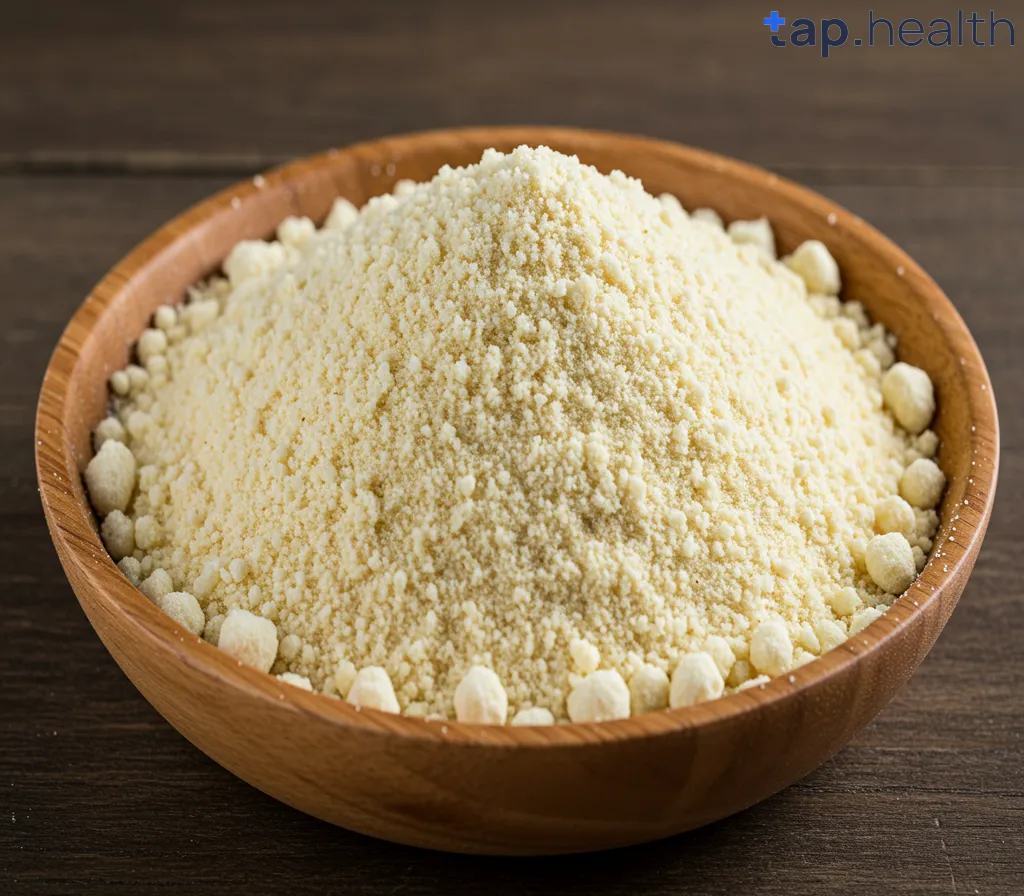
Suji, also known as semolina, is a popular ingredient in many Indian kitchens. From upma to halwa, suji finds its way into a variety of delicious dishes. But if you have diabetes, you might wonder: is suji good for diabetes? Can it be part of your diet, or should it be avoided? Let’s dive into this topic and explore the pros and cons of suji when it comes to managing diabetes.
What is Suji?
Suji, or semolina, is a type of flour made from durum wheat. It’s often used in Indian cooking to prepare a wide range of foods, including savory dishes like upma, and sweet treats like halwa. It’s rich in carbohydrates, but the question is whether it can affect blood sugar levels, particularly for people with diabetes.
The Relationship Between Carbs and Diabetes
Before we jump into whether suji is good or bad for diabetes, it’s important to understand the role of carbohydrates in blood sugar levels. Carbohydrates are the primary energy source for your body, but for people with diabetes, managing carb intake is essential for controlling blood sugar.
When you eat foods high in carbs, your body breaks them down into sugar (glucose), which enters your bloodstream. This raises blood sugar levels. The rate at which carbs are broken down and absorbed by the body is known as the glycemic index (GI). Foods with a high GI raise blood sugar quickly, while foods with a low GI raise it slowly.
Suji and Its Glycemic Index
Suji has a moderate glycemic index, which means it doesn’t cause a rapid spike in blood sugar, but it’s not as slow-releasing as low-GI foods like whole grains. The GI of suji typically ranges between 50 and 60, depending on how it’s processed. This makes it a middle-ground option compared to other refined grains.
Why the Glycemic Index Matters
If you have diabetes, managing your blood sugar levels is key to preventing complications. Foods with a high GI can cause rapid blood sugar spikes, leading to feelings of fatigue, hunger, and, over time, more severe health issues. Foods with a low to moderate GI can help maintain more stable blood sugar levels, which is why it’s important to know where suji stands on the GI scale.
Is Suji Good for Diabetes?
Suji (semolina) is not the best choice for diabetes.
Here’s why:
- High glycemic index (GI): Suji digests quickly and may cause a sudden spike in blood sugar.
- Low fiber content: It does not slow down sugar absorption as much as whole grains do.
- Refined grain: Most suji is made from refined wheat, which loses many nutrients and fiber during processing.
The Benefits of Suji for People with Diabetes
While suji is not a perfect choice for everyone with diabetes, it does come with certain benefits that might make it a reasonable addition to a balanced diet in moderation. Let’s explore some of these:
1. Rich in Fiber
Suji contains a decent amount of fiber, especially when it’s made from whole wheat. Fiber helps slow down the digestion and absorption of carbohydrates, which can prevent blood sugar spikes. It also helps with digestion, promotes a feeling of fullness, and can aid in weight management, which is important for people with diabetes.
2. Source of Protein
Although suji is mainly carbohydrate-based, it also contains a good amount of protein. Protein is important for muscle repair and growth and can help balance blood sugar by slowing down the absorption of sugar into the bloodstream.
3. Energy Boost Without Extreme Spikes
Unlike some other refined grains, suji provides a steady release of energy. This makes it a better option than foods like white bread or rice, which can cause quick blood sugar spikes and crashes. Consuming suji in controlled portions can provide energy without significant fluctuations in blood sugar levels.
Suji’s Potential Drawbacks for Diabetes
While suji has its benefits, there are also some downsides to consider, especially for people with diabetes.
1. High in Carbohydrates
Suji is still a carb-heavy food, and consuming it in large amounts can lead to elevated blood sugar levels. Even though it has a moderate GI, overconsumption can still contribute to weight gain, increased blood sugar levels, and other diabetes complications.
2. Refined Nature of Suji
The most common form of suji found in the market is refined, meaning it has been processed and stripped of many nutrients. Refined suji lacks the fiber and nutrients that come from whole grains, making it a less ideal choice for people trying to manage their diabetes effectively. Whole wheat or unrefined semolina might be a better option for those looking for a more nutrient-dense food.
3. Lack of Micronutrients
Although suji offers some fiber and protein, it’s not as rich in vitamins and minerals compared to other whole grains like quinoa, oats, or brown rice. This means that relying heavily on suji might mean missing out on essential nutrients, which are crucial for overall health and diabetes management.
Real-life Scenarios: How Suji Can Fit into a Diabetic Diet
Let’s look at a couple of real-life scenarios to better understand how suji can be included in a diabetic diet.
Scenario 1: Ramesh’s Breakfast
Ramesh, a 45-year-old man with type 2 diabetes, enjoys having upma for breakfast. He typically prepares it with suji, vegetables, and minimal oil. Ramesh has learned to monitor his portion sizes and combines his suji with fiber-rich vegetables like spinach, carrots, and peas. This helps slow down the absorption of carbs and reduces the impact on his blood sugar levels. He also balances the meal with a protein source like boiled eggs or a handful of nuts. As long as he practices portion control, suji remains a part of his breakfast routine.
Scenario 2: Priya’s Snack
Priya, a 32-year-old woman with diabetes, occasionally craves something sweet. Instead of going for high-sugar sweets, she prepares a small bowl of suji halwa using low-calorie sweeteners like stevia. By controlling the portion size and making healthier substitutions, Priya enjoys her sweet treat without spiking her blood sugar.
Expert Contributions on Suji and Diabetes
Dr. Sudhir Sharma, an endocrinologist based in Mumbai, mentions, “Suji can be a part of a diabetic diet, but it must be consumed in moderation. Combining suji with fiber-rich vegetables and lean proteins helps manage blood sugar levels better. Always keep portion sizes in check and avoid refined suji whenever possible.”
His advice aligns with research showing that fiber-rich meals tend to have a lower glycemic response, helping control blood sugar levels more effectively.
Recommendations for Diabetes Management with Suji
If you enjoy suji and want to incorporate it into your diabetic diet, here are some practical tips to do so safely:
- Portion Control is Key: Keep your suji portions small. A single serving (around ½ cup cooked) is usually enough for most people with diabetes.
- Add Fiber and Protein: Combine suji with fiber-rich vegetables, legumes, or a protein source like chicken or tofu to balance the carbs and slow down their absorption.
- Choose Whole Wheat Suji: Whenever possible, opt for whole wheat suji, as it retains more fiber and nutrients than its refined counterpart.
- Avoid Sugary Additives: If making a sweet dish, use natural sweeteners like stevia or monk fruit instead of refined sugar to minimize the impact on your blood sugar levels.
- Track Your Blood Sugar: Always monitor your blood sugar before and after consuming suji to understand how your body responds to it.
FAQs on Is Suji Good for Diabetes?
1. Is suji good for type 2 diabetes?
Yes, suji can be a part of a type 2 diabetic diet, but portion control is important. Combine it with fiber and protein to help manage blood sugar levels.
2. Can I eat suji halwa if I have diabetes?
You can, but it’s best to prepare suji halwa with low-calorie sweeteners and watch the portion size. Using whole wheat suji is a better choice for added nutrition.
3. What’s the best way to cook suji for diabetes?
Opt for savory dishes like upma with vegetables or use suji in soups and stews. These options are lower in sugar and provide a balanced mix of nutrients.
4. How much suji can I eat if I have diabetes?
A small portion, around ½ cup of cooked suji, is recommended to avoid large blood sugar spikes.
Conclusion: Is Suji Good for Diabetes?
In conclusion, suji can be part of a diabetic diet, but like all carbohydrate-rich foods, it must be consumed mindfully. The key to incorporating suji into your diabetes management plan lies in moderation, portion control, and combining it with fiber and protein to slow down carb absorption. Remember, everyone’s body responds differently, so it’s always best to monitor your blood sugar levels and consult with a healthcare provider for personalized advice.