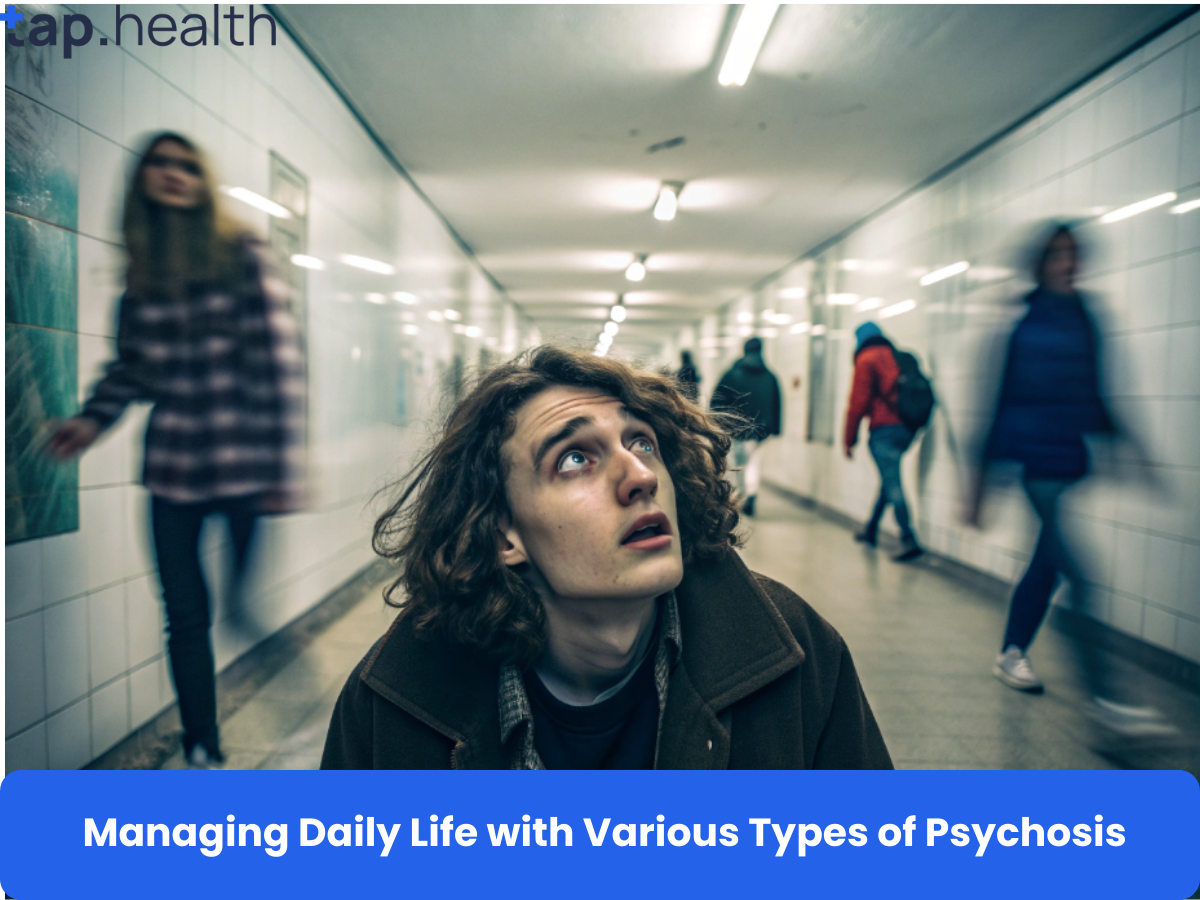
Psychosis is a complex mental health condition that affects how individuals perceive and interact with reality. Understanding its types, symptoms, causes, and risk factors is vital for effective diagnosis, treatment, and support. This blog dives into the spectrum of psychosis, offering insights into its manifestations and strategies for managing daily life with this condition.
What Is Psychosis?
What defines psychosis? Psychosis refers to a group of symptoms that distort a person’s thoughts, perceptions, and behaviors. It’s not a standalone diagnosis but a symptom of underlying mental health conditions. Common signs include hallucinations (seeing or hearing things that aren’t real) and delusions (fixed, false beliefs). These experiences can be distressing, impacting daily functioning and relationships.
Are there misconceptions about psychosis?
Yes, many misconceptions exist. Psychosis doesn’t mean a split personality or inherent violence. It’s a result of altered reality perception, influenced by biological, psychological, and environmental factors, not personal weakness. Empathy and awareness are key to reducing stigma and supporting those affected.
Types of Psychosis
Psychosis manifests in various forms, each with distinct characteristics. Below are the primary types of psychotic disorders.
What Is Brief Psychotic Disorder?
Brief psychotic disorder involves sudden, short-lived psychotic symptoms, lasting less than a month. These may include hallucinations, delusions, or disorganized behavior. After the episode, individuals typically return to normal functioning, though the experience can be disruptive and distressing.
What Is Schizophrenia?
Schizophrenia is a chronic, severe form of psychosis, often emerging in late adolescence or early adulthood. Symptoms include hallucinations, delusions, disorganized thinking, and negative symptoms like reduced motivation. With proper treatment, individuals can manage symptoms and lead fulfilling lives.
What Is Schizoaffective Disorder?
Schizoaffective disorder combines symptoms of schizophrenia with mood disorders, such as depression or bipolar disorder. It involves periods of psychosis alongside significant mood disturbances, requiring a tailored treatment approach addressing both aspects.
What Is Delusional Disorder?
Delusional disorder is marked by persistent, false beliefs that contradict reality, such as believing one is being persecuted. These delusions can impair social and occupational functioning, and treatment often requires a compassionate, patient approach.
Symptoms and Signs of Psychosis
Recognizing psychosis early is critical for effective intervention. Below are the key symptoms to watch for.
What Are Hallucinations and Delusions?
Hallucinations involve sensory experiences, like hearing voices or seeing things others don’t. Delusions are strongly held beliefs that aren’t based in reality. Both can be distressing, making it hard for individuals to distinguish what’s real.
What Is Disorganized Speech and Behavior?
Disorganized speech, such as incoherent or tangential communication, and erratic behavior are common in psychosis. These symptoms can disrupt relationships and daily tasks, requiring patient and supportive communication from loved ones and professionals.
What Are Negative Symptoms?
Negative symptoms involve a loss of normal functioning, such as reduced motivation, emotional expression, or social engagement. These can significantly affect quality of life, necessitating comprehensive treatment plans, including therapy and medication.
Causes and Risk Factors of Psychosis
While the exact causes of psychosis remain unclear, several factors contribute to its development. Understanding these can guide prevention and treatment strategies.
What Role Do Genetics Play in Psychosis?
Genetics can increase susceptibility to psychosis. A family history of psychotic disorders or specific genetic variations raises the risk, though genetics alone don’t determine its onset. Environmental factors also play a significant role.
Can Environmental Factors Trigger Psychosis?
Yes, stressful life events like trauma, loss, or substance use can trigger or worsen psychosis in vulnerable individuals. Social and cultural factors may also influence how symptoms manifest, highlighting the need for holistic support.
What Is Substance-Induced Psychosis?
Heavy or prolonged use of substances like cannabis or hallucinogens can induce psychosis. This type is often reversible after discontinuing substance use, but addressing underlying mental health issues is crucial.
How Do Neurochemical Imbalances Contribute?
Imbalances in neurotransmitters like dopamine or glutamate are linked to psychosis. These abnormalities can influence symptom development, guiding pharmacological treatments to restore balance.
What Are Psychosocial Risk Factors?
Social isolation, low socioeconomic status, and lack of support can heighten psychosis risk. These factors can exacerbate vulnerabilities, emphasizing the importance of community resources and supportive interventions.
Managing Psychosis in Daily Life
Living with psychosis requires a comprehensive approach to manage symptoms and improve quality of life. Below are strategies to support individuals.
Why Is Early Intervention Important?
Early intervention can significantly improve outcomes by reducing the severity and frequency of psychotic episodes. It often involves a combination of medication, therapy, and support services tailored to the individual’s needs.
What Treatment Options Are Available?
Treatment typically includes:
- Medication: Antipsychotics to manage symptoms.
- Therapy: Cognitive-behavioral therapy (CBT) to address thought patterns.
- Support Services: Peer support groups and case management to enhance coping skills. A personalized plan addressing both psychosis and any co-occurring conditions is essential.
How Can Loved Ones Provide Support?
Family and friends play a vital role by offering empathy, patience, and open communication. Educating themselves about psychosis and encouraging treatment adherence can foster a supportive environment.
How Can Stigma Be Reduced?
Reducing stigma involves raising awareness, promoting education, and challenging misconceptions. Encouraging open conversations about mental health creates a more inclusive environment for those with psychosis.
Conclusion
Psychosis is a multifaceted condition with various types, including brief psychotic disorder, schizophrenia, schizoaffective disorder, and delusional disorder. Recognizing symptoms like hallucinations, delusions, and disorganized thinking is crucial for early intervention. Causes range from genetic predispositions and neurochemical imbalances to environmental triggers and psychosocial factors. By understanding these aspects, individuals, families, and healthcare providers can collaborate on tailored treatment plans that include medication, therapy, and support services. With empathy, awareness, and early intervention, those living with psychosis can manage their symptoms and lead fulfilling lives.