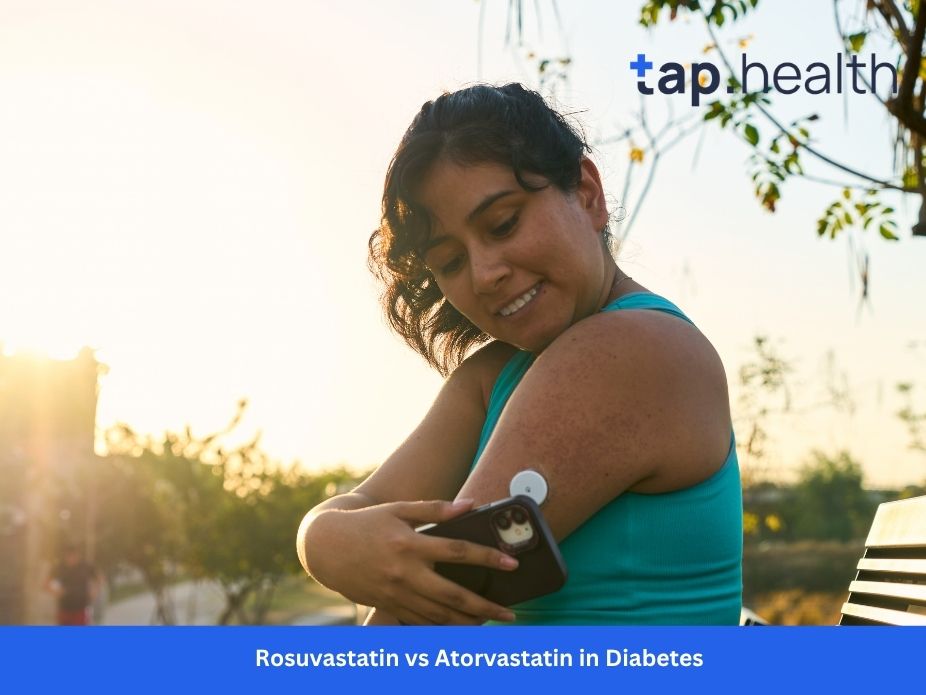
Navigating menopause is a transformative phase for women, and when combined with diabetes, it can present unique challenges. Hormonal changes during menopause can impact blood sugar control, insulin sensitivity, and overall health. This blog explores the critical link between diabetes and menopause, offering practical strategies for managing and preventing diabetes, with a focus on women in India and tropical climates. From lifestyle tweaks to dietary tips, we’ll empower you with the knowledge to thrive during this life stage.
Understanding the Link Between Diabetes and Menopause
How do menopause and diabetes interact? Menopause, typically occurring between ages 45 and 55, triggers significant hormonal shifts that can disrupt blood sugar regulation. Declining estrogen levels reduce insulin sensitivity, making it harder for the body to process sugar effectively. This increases the risk of type 2 diabetes, particularly for women with a family history or lifestyle risk factors. In India and tropical regions, dietary habits and environmental factors can further amplify this risk.
Why does menopause increase diabetes risk? Hormonal fluctuations during menopause lead to increased insulin resistance, which can elevate blood sugar levels. Weight gain, common during this period, further heightens the risk. According to global health data, women aged 20-64 face a rising prevalence of diabetes, with lifestyle factors playing a significant role (source: diabetesatlas.org).
Key Considerations for Indian and Tropical Climates In hot, humid climates, dehydration is a major concern, as it can directly affect blood sugar control. Traditional diets high in refined carbs, such as white rice and maida-based foods, may exacerbate the issue. Women must prioritize hydration and nutrient-rich foods to maintain stable blood sugar levels.
How Menopause Impacts Diabetes Management
What challenges arise in managing diabetes during menopause? Menopause can complicate diabetes management due to:
- Reduced Insulin Sensitivity: Hormonal changes make it harder for cells to respond to insulin, leading to higher blood sugar levels.
- Weight Gain: Menopause often causes weight gain, increasing insulin resistance.
- Stress and Sleep Issues: Poor sleep and increased stress, common during menopause, can disrupt blood sugar control.
- Limited Healthcare Access: In regions like India, access to diabetes education and healthcare may be limited, making proactive management critical.
How does this differ from men? While diabetes is more prevalent in men globally, women face unique challenges during menopause due to hormonal shifts. The World Health Organization highlights this disparity, noting that women’s health risks, including heart disease, escalate during this period.
Regional Challenges in India and Tropical Areas Hot climates increase the risk of dehydration, which can spike blood sugar levels. Additionally, cultural diets rich in carbs and fats require careful portion control. Women may also face barriers in accessing consistent healthcare, making self-management and early intervention essential.
Diabetes Prevention During Menopause: Practical Strategies
Can diabetes be prevented during menopause? Yes, up to 80% of type 2 diabetes cases can be prevented or delayed through lifestyle changes, according to health reports. By adopting proactive measures, women can significantly reduce their risk and maintain vitality during menopause.
What are the best lifestyle changes for prevention? Here are key strategies to prevent diabetes during menopause:
- Balanced Diet: Focus on whole grains, lean proteins, and locally available vegetables like spinach, beans, and lentils. Limit refined carbs (e.g., white rice, maida) and sugary drinks.
- Regular Exercise: Engage in 30 minutes of daily activity, such as brisk walking or yoga, to improve insulin sensitivity and support heart health. In hot climates, opt for early morning or evening workouts to avoid heat stress.
- Stress Management: Practice yoga, meditation, or deep breathing to reduce stress, which can impact blood sugar levels. These practices are culturally resonant in India and widely accessible.
- Hydration: Drink plenty of water and electrolyte-rich fluids to combat dehydration, especially in tropical climates.
How can Indian spices help? Incorporate anti-inflammatory spices like:
- Turmeric: Contains curcumin, which may reduce inflammation and support blood sugar control.
- Cinnamon: Helps regulate blood sugar levels when added to meals or teas. These spices are staples in Indian cuisine, making them easy to include in daily diets.
Why is early detection important? Regular health screenings, including blood sugar and kidney function tests, are critical for early detection of diabetes and related complications, such as diabetic nephropathy, which affects nearly 30% of people with diabetes. Early intervention can prevent long-term health issues and improve quality of life.
Managing Diabetes in Hot and Humid Climates
Why is diabetes management harder in tropical climates? Hot and humid environments, common in India and other tropical regions, increase the risk of dehydration, which can destabilize blood sugar levels. High-carb diets, prevalent in these regions, further complicate management.
How can women adapt their routines?
- Stay Hydrated: Drink water consistently and include electrolyte-rich beverages to maintain hydration.
- Adapt Exercise Timing: Opt for early morning or evening walks to avoid midday heat. Gentle exercises like yoga are excellent for stress and blood sugar management.
- Dietary Adjustments: Work with a dietitian to create a meal plan using local, nutrient-dense foods like lentils, leafy greens, and seasonal fruits (e.g., mangoes, guavas).
How often should women consult healthcare providers? Regular check-ups are essential, especially during menopause. Doctors can adjust medications and monitor blood sugar and kidney function. The frequency depends on individual needs, but more frequent visits are recommended during this transition.
Empowering Women Through Support and Resources
Where can women find support for managing diabetes during menopause?
- Healthcare Providers: Consult doctors for personalized advice and regular monitoring.
- Dietitians: Work with registered dietitians familiar with local foods to create tailored meal plans.
- Support Groups: Join local or online support groups for emotional and practical guidance.
- Reliable Resources: Access credible online platforms or health organizations for diabetes education.
How can cultural factors be addressed? In India and tropical regions, cultural diets and norms may pose challenges. Women can adapt by practicing portion control with traditional dishes and incorporating healthier alternatives like whole grains and vegetables. Community support and education can also bridge gaps in healthcare access.
What role does empowerment play? By taking proactive steps—healthy eating, regular exercise, stress management, and medical check-ups—women can confidently navigate menopause and diabetes. Small, sustainable changes lead to significant health benefits, ensuring a vibrant and active life.
Frequently Asked Questions
1. How does menopause increase the risk of diabetes? Hormonal changes during menopause reduce insulin sensitivity, making it harder to regulate blood sugar and increasing the risk of type 2 diabetes, especially with genetic or lifestyle risk factors.
2. What lifestyle changes help manage diabetes during menopause? Adopt a balanced diet with whole grains, vegetables, and lean proteins. Engage in regular exercise like walking or yoga, manage stress, and stay hydrated to support blood sugar control.
3. What challenges arise in hot climates like India? Dehydration, common in hot and humid climates, can spike blood sugar levels. High-carb diets and limited healthcare access require tailored exercise routines and dietary adjustments.
4. How often should I see a doctor during menopause if I have diabetes? Regular check-ups are crucial, with frequency depending on your health needs. Blood sugar and kidney function tests should be prioritized to monitor and adjust treatment plans.
5. What resources are available for women managing diabetes during menopause? Doctors, dietitians, and support groups provide personalized guidance. Online resources and local health organizations offer education tailored to cultural and regional needs.
Conclusion: Thrive Through Menopause with Confidence
Menopause and diabetes may present challenges, but with the right knowledge and strategies, women can take control of their health. By embracing a balanced diet, regular exercise, stress management, and consistent medical care, you can navigate this life stage with confidence. For women in India and tropical climates, adapting to environmental and cultural factors is key. Start today with small, sustainable steps to ensure a healthier, vibrant tomorrow. Consult your healthcare provider to create a personalized plan and empower yourself to thrive.