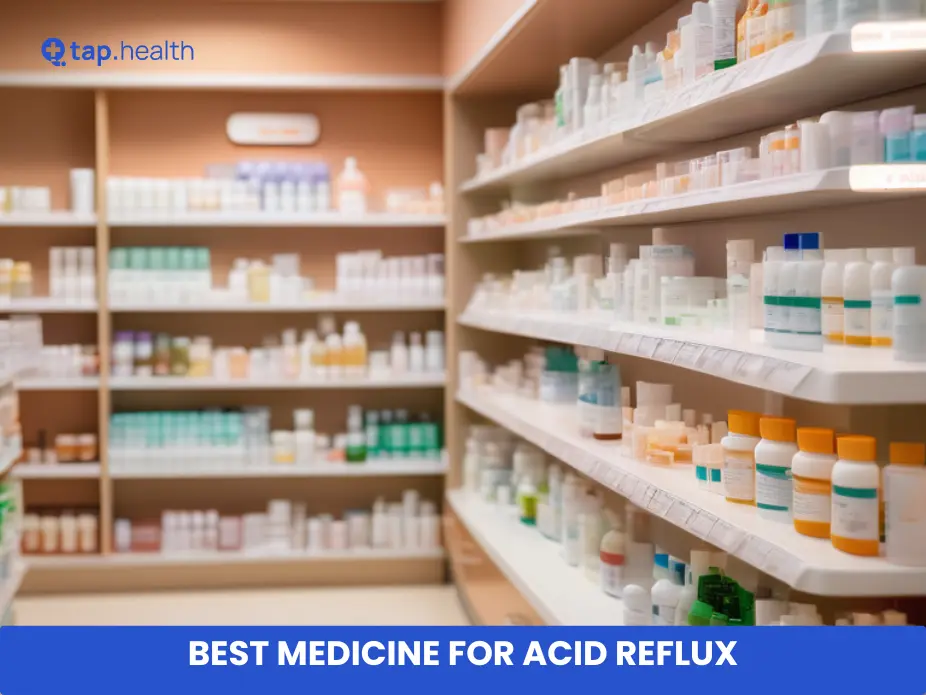
Acid reflux, also known as gastroesophageal reflux disease (GERD), is a common digestive issue where stomach acid flows back into the esophagus, causing discomfort like heartburn, regurgitation, and swallowing difficulties. While occasional acid reflux is normal, frequent or severe symptoms may require medical intervention. Alongside lifestyle changes, medications play a critical role in managing symptoms and preventing complications. This blog explores the best medicines for acid reflux, their mechanisms, and how they work alongside lifestyle modifications to provide relief.
What Is Acid Reflux and GERD?
Acid reflux occurs when the lower esophageal sphincter (LES) fails to prevent stomach acid from entering the esophagus. This leads to symptoms like heartburn, a burning sensation in the chest or throat, and regurgitation, where food or acid flows back into the mouth. GERD is a chronic form of acid reflux, characterized by frequent episodes (more than twice a week) that can lead to complications like esophageal damage or Barrett’s esophagus if untreated.
Common Symptoms of Acid Reflux
- Heartburn: A burning sensation in the chest or throat.
- Regurgitation: Food or acid returning to the throat or mouth.
- Chest pain: Discomfort that may mimic heart attack symptoms.
- Difficulty swallowing: A feeling of food being stuck in the throat.
- Chronic cough: Persistent coughing, especially at night.
Understanding these symptoms is key to choosing the right treatment and knowing when to seek medical advice.
Top Medicines for Acid Reflux Relief
Several medications are effective for managing acid reflux, each targeting different aspects of the condition. Below are the primary categories of medicines used for acid reflux treatment, along with their benefits and considerations.
1. Over-the-Counter (OTC) Antacids
What They Do: Antacids neutralize stomach acid to provide quick relief from heartburn and indigestion.
Examples: Tums, Rolaids, Mylanta (contain calcium carbonate or magnesium hydroxide).
How They Work: These medications counteract acid in the stomach, reducing the burning sensation caused by reflux. They are ideal for occasional heartburn but don’t address the root cause of acid reflux.
Pros:
- Fast-acting, often providing relief within minutes.
- Available without a prescription.
- Safe for occasional use.
Cons:
- Temporary relief; not suitable for chronic GERD.
- Potential side effects like constipation or diarrhea with overuse.
When to Use: Best for mild, infrequent heartburn. Consult a doctor if symptoms persist or worsen.
2. Histamine-2 (H2) Blockers
What They Do: H2 blockers reduce stomach acid production by blocking histamine, a chemical that stimulates acid secretion.
Examples: Famotidine (Pepcid), Cimetidine (Tagamet), Nizatidine.
How They Work: By lowering acid levels, H2 blockers alleviate heartburn and prevent acid from irritating the esophagus. They are available over-the-counter or by prescription for more severe cases.
Pros:
- Longer-lasting relief compared to antacids (up to 12 hours).
- Suitable for short-term or occasional use.
- Helps with mild to moderate GERD symptoms.
Cons:
- Possible side effects include headaches, dizziness, or diarrhea.
- May take a few hours to provide relief.
When to Use: Ideal for those with frequent heartburn or mild GERD, taken before meals or at bedtime.
3. Proton Pump Inhibitors (PPIs)
What They Do: PPIs are powerful medications that significantly reduce stomach acid production by inhibiting the proton pump enzyme.
Examples: Omeprazole (Prilosec), Esomeprazole (Nexium), Lansoprazole (Prevacid).
How They Work: PPIs block acid production, allowing the esophagus to heal from damage caused by acid reflux. They are typically taken once daily before meals.
Pros:
- Highly effective for frequent or severe GERD symptoms.
- Promotes healing of esophageal damage.
- Available OTC or by prescription.
Cons:
- Not immediate; may take days to achieve full effect.
- Long-term use may lead to side effects like nutrient deficiencies, increased infection risk, or bone fractures.
When to Use: Recommended for chronic GERD or conditions like erosive esophagitis. Consult a doctor for long-term use.
4. Alginate Drugs
What They Do: Alginate drugs create a protective barrier in the stomach to prevent acid from refluxing into the esophagus.
Examples: Gaviscon (contains sodium alginate and bicarbonate).
How They Work: These drugs form a foam layer over stomach contents, acting as a physical barrier to block acid reflux.
Pros:
- Reduces heartburn and regurgitation.
- Safe with minimal side effects.
- Can be used alongside other treatments.
Cons:
- Temporary relief; does not address acid production.
- May not be sufficient for severe GERD.
When to Use: Best for mild to moderate symptoms, often combined with lifestyle changes or other medications.
5. Prokinetics
What They Do: Prokinetics improve digestion by enhancing muscle contractions in the digestive tract.
Examples: Metoclopramide.
How They Work: By speeding up stomach emptying, prokinetics reduce the likelihood of acid reflux. They are particularly useful for GERD patients with delayed gastric emptying.
Pros:
- Reduces frequency and severity of reflux episodes.
- Helpful for severe GERD or related complications.
Cons:
- Potential side effects include drowsiness, diarrhea, or drug interactions.
- Requires a prescription and medical supervision.
When to Use: Prescribed for severe GERD or specific digestive issues, under a doctor’s guidance.
Lifestyle Changes to Complement Acid Reflux Medications
While medications are effective, combining them with lifestyle modifications can enhance symptom relief and reduce reliance on drugs. Here are key changes to consider:
1. Dietary Adjustments for Acid Reflux
- Avoid Trigger Foods: Steer clear of spicy, fatty, acidic foods (e.g., citrus, tomatoes), caffeine, and alcohol.
- Eat Smaller Meals: Smaller, frequent meals reduce stomach pressure and prevent reflux.
- Stay Hydrated: Drink water to dilute stomach acid, but avoid large amounts during meals.
- Choose Low-Fat Options: Opt for lean proteins and low-fat dairy to minimize symptoms.
2. Weight Management
Excess weight, especially around the abdomen, increases pressure on the stomach, worsening acid reflux. Losing 5-10% of body weight can significantly reduce symptoms and prevent GERD progression. Regular exercise and a balanced diet are key to maintaining a healthy weight.
3. Quit Smoking
Smoking weakens the LES, making acid reflux more likely. Quitting smoking can improve LES function and reduce symptoms.
4. Elevate the Head of Your Bed
Raising the head of your bed by 6-8 inches during sleep prevents acid from flowing back into the esophagus. Use a wedge pillow or bed risers for best results.
5. Stress Reduction Techniques
Stress can exacerbate acid reflux by increasing stomach acid production. Incorporate stress-relief practices like:
- Deep Breathing: Slow, controlled breathing to relax the body.
- Exercise: Regular physical activity to release endorphins.
- Mindfulness and Meditation: Techniques to stay calm and focused.
- Adequate Sleep: Aim for 7-8 hours to reduce stress and improve digestion.
When to Seek Medical Advice for Acid Reflux
While lifestyle changes and OTC medications can manage mild acid reflux, certain symptoms indicate the need for professional evaluation:
- Persistent or severe heartburn despite treatment.
- Unexplained weight loss or loss of appetite.
- Difficulty swallowing or a sensation of food stuck in the throat.
- Chest pain resembling a heart attack.
- Symptoms disrupting daily life or quality of life.
A healthcare provider may recommend diagnostic tests (e.g., endoscopy) or stronger medications to prevent complications like esophageal damage or Barrett’s esophagus.
Preparing for a Doctor’s Visit
To make the most of your appointment:
- Track Symptoms: Record the frequency, intensity, and triggers of your acid reflux.
- List Medications: Include all prescription, OTC drugs, and supplements.
- Prepare Questions: Ask about treatment options, side effects, and necessary tests.
Sample Questions:
- How can I effectively manage my acid reflux symptoms?
- Are additional tests needed to assess my condition?
- What are the side effects of prescribed medications?
- How long should I continue my medication?
- Can lifestyle changes further reduce my symptoms?
FAQs About Acid Reflux Medications
1. What is the safest medicine for acid reflux?
The safest option depends on your health profile. Antacids and H2 blockers are generally safe for short-term use, but consult a doctor to determine the best choice for you.
2. How long does it take for acid reflux medicine to work?
Antacids provide relief within minutes, H2 blockers within hours, and PPIs may take days to weeks for full effect. Follow your doctor’s guidance for optimal results.
3. Can lifestyle changes replace acid reflux medication?
Lifestyle changes can significantly reduce symptoms but may not suffice for severe or chronic GERD. Medications are often necessary for long-term management.
4. What are the side effects of long-term acid reflux medication?
Long-term PPI use may increase risks of nutrient deficiencies, infections, or bone fractures. Regular monitoring by a healthcare provider is essential.
5. What’s the difference between acid reflux and GERD?
Acid reflux is occasional acid backflow causing heartburn, while GERD is a chronic condition with frequent symptoms that may lead to complications if untreated.
Conclusion
Managing acid reflux effectively requires a combination of the right medications and lifestyle changes. Antacids, H2 blockers, PPIs, alginate drugs, and prokinetics each offer unique benefits for symptom relief and esophageal protection. Pairing these treatments with dietary adjustments, weight management, smoking cessation, and stress reduction can enhance outcomes and reduce symptom frequency. For persistent or severe symptoms, consult a healthcare provider to develop a tailored treatment plan and prevent complications.