tap.health logo
  • Diabetes Management
  • Health Assistant
  • About Us
  • Blog
  • Contact Us
Get Plan
  • Diabetes Management
  • Health Assistant
  • About Us
  • Blog
  • Contact Us
  • All Blogs
  • Diabetes
  • Pancreas and Sugar Levels – How the Pancreas Controls Blood Sugar

Pancreas and Sugar Levels – How the Pancreas Controls Blood Sugar

Diabetes
February 3, 2026
• 10 min read
Naimish Mishra
Written by
Naimish Mishra
Neha Sharma
Reviewed by:
Neha Sharma
Dietitian and Nutrition Officer
ChatGPT Perplexity WhatsApp LinkedIn X Grok Google AI
Pancreas and Sugar Levels – How the Pancreas Controls Blood Sugar

Imagine your body is a high-performance car. For this car to drive, it needs fuel. In humans, that fuel is glucose (sugar). But simply pouring petrol over a car won’t make it move; the fuel needs to be carefully pumped into the engine at the right speed.

In your body, the Pancreas is that fuel pump.

Most of us never think about our pancreas until something goes wrong. We worry about our heart, our lungs, or our stomach. But this small, leaf-shaped organ tucked behind your stomach is arguably the most important manager of your energy. It decides whether the food you eat gives you power or stays in your blood as toxic sugar.

If you are diabetic, pre-diabetic, or just health-conscious, understanding the link between the pancreas and sugar levels is the first step to taking control of your health.

We will open the hood of the human body. We will explain exactly how the pancreas “talks” to your blood using hormones, what happens when this conversation fails (diabetes), and how you can support this hardworking organ to keep your sugar levels stable.


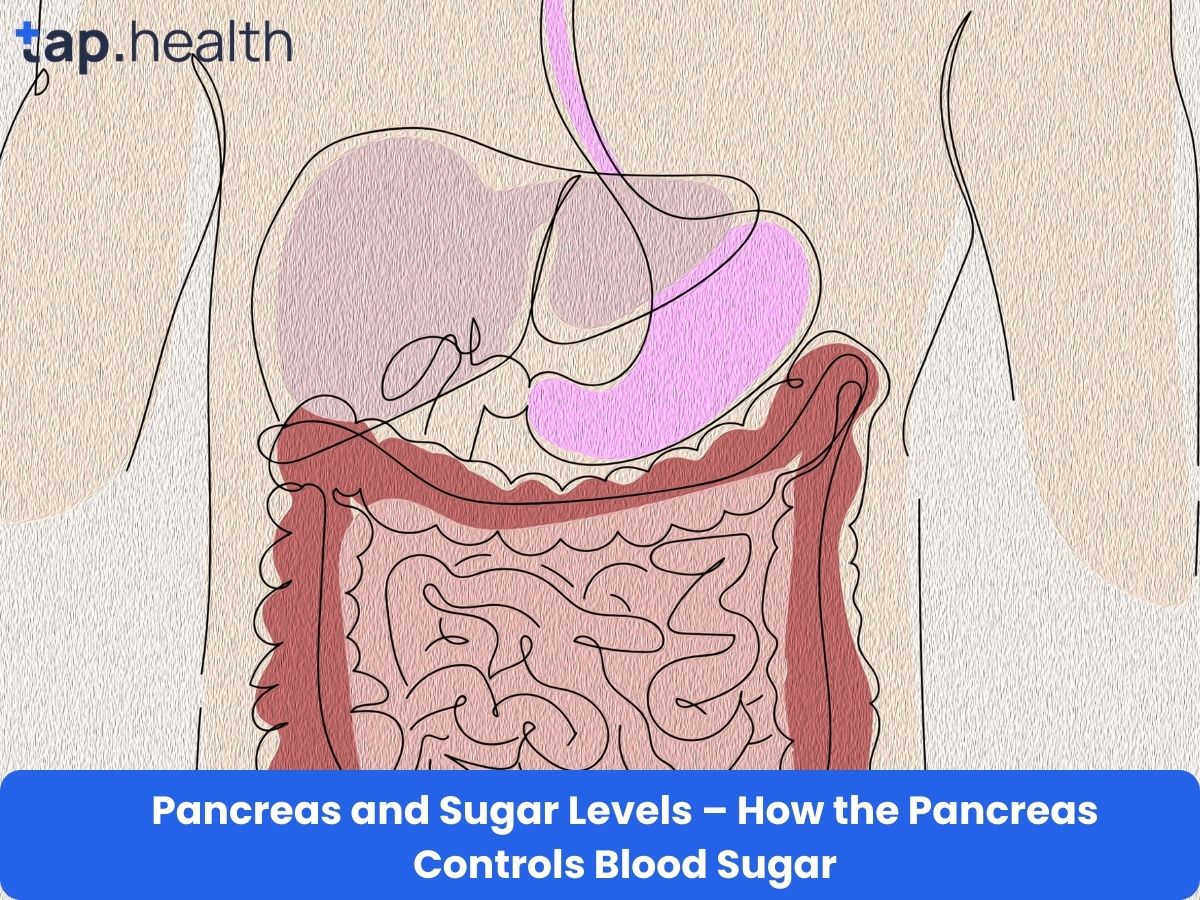
What Is the Pancreas and Why Is It Important?Image of pancreas anatomy and location in human bodyGetty Images

To understand the function, we must first understand the form. The pancreas is a glandular organ, about six inches long, sitting deep in your abdomen between your stomach and your spine.

It has a “dual personality” because it does two very different jobs:

  1. Exocrine Function (Digestion): It creates powerful enzymes that break down the food in your intestines. Without this, you couldn’t digest lunch.
  2. Endocrine Function (Sugar Control): It releases hormones directly into the bloodstream to manage blood sugar.

For the purpose of this article, we are focusing on the Endocrine job. This is the control centre for your blood sugar levels.

Read this: Can Cancer Cause Diabetes Symptoms?


Role of the Pancreas in Blood Sugar Control

Why does your blood sugar need controlling?

Glucose is the main source of energy for your body’s cells.

  • Too Much Sugar (Hyperglycaemia): If sugar stays in the blood instead of entering cells, it turns the blood into a thick, syrupy fluid that damages blood vessels, nerves, and organs.
  • Too Little Sugar (Hypoglycaemia): If sugar drops too low, your brain (which runs on glucose) starts to shut down, leading to dizziness, confusion, or passing out.

The pancreas acts like an internal thermostat. Just as an AC thermostat keeps your room at a comfortable 24°C, the pancreas works 24/7 to keep your blood sugar in a safe range (usually 70–140 mg/dL).


How Does the Pancreas Regulate Sugar Levels?

The pancreas regulates sugar levels through tiny clusters of cells called the Islets of Langerhans. Think of these Islets as the “command centre” or the cockpit of the pancreas.

Inside these Islets, there are special cells that constantly taste your blood to check its sweetness.

  • If the blood is too sweet (high sugar), they send out a signal to lower it.
  • If the blood is not sweet enough (low sugar), they send out a signal to raise it.

These “signals” are chemical messengers called Hormones.


Hormones Produced by the Pancreas

There are two main hormones involved in this balancing act. They function like the accelerator and the brake in a car.

Insulin and Its Role in Lowering Blood Sugar

Insulin is the most famous hormone produced by the pancreas. It is made by Beta Cells.

Think of Insulin as a Key.

  1. When you eat carbohydrates (like rice, roti, or fruit), your blood sugar rises.
  2. The pancreas detects this rise and releases Insulin.
  3. Insulin travels to your cells (muscle, fat, and liver cells).
  4. It unlocks the “doors” of these cells so that glucose can leave the blood and enter the cell to be used as energy.

Without insulin, the doors stay locked. The sugar remains trapped in the blood, rising higher and higher, while the cells starve for energy.

Glucagon and Its Role in Raising Blood Sugar

Glucagon is the partner to insulin. It is made by Alpha Cells.

Think of Glucagon as the Emergency Reserve Key.

  1. When you haven’t eaten for hours (like while sleeping or fasting), your blood sugar drops.
  2. The pancreas detects this drop and stops making insulin. Instead, it releases Glucagon.
  3. Glucagon travels to your Liver.
  4. Your liver stores extra sugar (glycogen) for emergencies. Glucagon tells the liver: “Release the stored sugar now!”
  5. The liver dumps glucose back into the blood, bringing your levels back up to safety.

How the Pancreas Responds to High Blood Sugar

Let’s look at a real-time example. Suppose you just ate a heavy meal—perhaps a plate of Chole Bhature followed by a Jalebi.

  1. Digestion: Your stomach breaks down the flour and sugar into glucose, which floods your bloodstream.
  2. Detection: The Beta cells in your pancreas sense a massive spike in sugar concentration.
  3. Insulin Surge: The pancreas immediately pumps out a large wave of insulin.
  4. Uptake: The insulin rushes to your cells, opening them up to absorb the glucose.
  5. Storage: Any glucose that isn’t needed immediately for energy is sent to the liver to be stored as fat or glycogen for later use.
  6. Normalisation: As the sugar leaves the blood and enters the cells, blood sugar levels return to normal. The pancreas then slows down insulin production.

This entire process happens automatically, without you feeling a thing.


How the Pancreas Responds to Low Blood Sugar

Now, imagine you are fasting for a religious festival, or you missed lunch because of a busy meeting.

  1. The Drop: Your body continues to burn energy, but no new food is coming in. Your blood sugar starts to fall.
  2. Detection: The Alpha cells in the pancreas sense that the blood is becoming “fuel-deficient.”
  3. Insulin Stop: First, the pancreas stops producing insulin completely (you don’t want to lower sugar further!).
  4. Glucagon Release: The pancreas releases Glucagon.
  5. Liver Action: The liver receives the signal and converts its stored starch back into glucose, releasing it into the bloodstream.
  6. Balance Restored: Your blood sugar rises enough to keep your brain and heart functioning until you can eat your next meal.

Pancreas Function in Healthy Individuals

In a healthy body, this system is extremely precise. It is a tight feedback loop.

  • The pancreas releases just enough insulin to handle the apple you ate.
  • It releases just enough glucagon to keep you going during a nap.

This precision prevents you from feeling dizzy (low sugar) or tired (high sugar) most of the time. The pancreas is constantly making micro-adjustments, second by second.


What Happens to Sugar Levels When the Pancreas Is Not Working Properly

When the pancreas is damaged or dysfunctional, this delicate balance collapses.

If the pancreas cannot produce enough insulin, or if the body ignores the insulin it makes (resistance), sugar has nowhere to go. It piles up in the bloodstream. This leads to Hyperglycaemia (High Blood Sugar).

Symptoms of a struggling pancreas include:

  • Excessive thirst (Polydipsia).
  • Frequent urination (Polyuria) – the body trying to flush out excess sugar.
  • Extreme fatigue – because cells aren’t getting fuel.
  • Unexplained weight loss.

Pancreas and Sugar Levels in Diabetes

The failure of the pancreas to control sugar levels is the definition of Diabetes Mellitus. However, why it fails depends on the type of diabetes.

Type 1 Diabetes and Pancreatic Failure

In Type 1 Diabetes, the body’s immune system makes a mistake. It attacks the pancreas and destroys the Beta cells (the insulin makers).

  • The Problem: The pancreas produces Zero Insulin.
  • The Result: The “keys” to the cells are lost forever. Sugar cannot enter the cells at all.
  • Pancreas Status: The pancreas is permanently damaged regarding insulin production. Patients must take external insulin injections to survive.

Type 2 Diabetes and Pancreatic Dysfunction

In Type 2 Diabetes, the pancreas is not dead—it is overworked.

  • The Problem: The body’s cells stop responding to insulin (Insulin Resistance). The locks are rusty.
  • The Pancreas Response: The pancreas tries harder. It pumps out extra insulin to force the cells open.
  • The Burnout: Over time, the Beta cells get exhausted from overwork. They can’t keep up with the demand. Eventually, they slow down or stop working efficiently.
  • Pancreas Status: The pancreas is functional but struggling.

Can the Pancreas Recover and Improve Sugar Control?

This is the most common question patients ask: “Doctor, can I fix my pancreas?”

The answer depends on the damage.

  • In Type 1 Diabetes: Currently, we cannot regenerate dead Beta cells. The damage is permanent.
  • In Type 2 Diabetes:YES. There is hope.
    • Research shows that in the early stages of Type 2 diabetes, the Beta cells are not dead; they are just “stunned” or “asleep” due to the toxic environment of high fat and sugar.
    • If you lose weight and remove the fat clogging the pancreas, the Beta cells can “wake up” and start producing insulin again. This is known as Diabetes Remission.

Lifestyle Factors That Support Pancreatic Health

You can protect your pancreas and help it regulate sugar levels better by making specific choices.

  1. Stop Smoking: Smoking is strongly linked to pancreatic cancer and pancreatitis. It damages the blood vessels supplying the pancreas.
  2. Limit Alcohol: Alcohol is toxic to pancreatic cells. Heavy drinking causes Pancreatitis (inflammation), which can permanently destroy the insulin-producing cells and cause diabetes.
  3. Lose Belly Fat: Visceral fat (fat around the tummy) releases chemicals that are harmful to the pancreas. Losing even 5-10% of body weight can drastically reduce the stress on this organ.
  4. Stay Hydrated: Dehydration stresses the pancreas. Drinking water helps digestion and metabolism run smoothly.

Medical Conditions That Affect the Pancreas and Sugar Levels

Aside from diabetes, other conditions can mess with your pancreas sugar levels.

  • Pancreatitis: Inflammation of the pancreas (often from gallstones or alcohol). This causes severe pain and can damage Beta cells, causing temporary or permanent diabetes.
  • Pancreatic Cancer: A tumour in the pancreas can block hormone production, leading to sudden, unexplained high blood sugar.
  • Cystic Fibrosis: A genetic condition that creates thick mucus, blocking the pancreas and preventing insulin release.

Signs That the Pancreas May Not Be Regulating Sugar Properly

How do you know if your pancreas is struggling? Look for these warning signs:

  • The “Post-Meal Slump”: Feeling extremely tired or sleepy immediately after eating carbs. This suggests your pancreas is struggling to manage the sugar spike.
  • Sugar Cravings: If your cells aren’t getting energy (because insulin isn’t working), your brain screams for more sugar, even if your blood sugar is already high.
  • Slow Healing: Cuts and bruises take weeks to heal because high sugar blood has poor circulation.
  • Blurry Vision: High sugar swells the lens of the eye.

Real-Life Scenario

Meet Mr. Desai (52, Bank Manager from Mumbai):

Mr. Desai loved his evening sweets. He thought he was healthy because he didn’t feel “sick.” However, he noticed that every day around 11 AM, he would get shaky and sweaty (low sugar), so he would eat a biscuit. Then, after lunch, he would feel so sleepy he could barely keep his eyes open (high sugar).

The Diagnosis: His doctor explained that his pancreas was losing its rhythm. It was releasing insulin too late (causing the high sugar after lunch) and sometimes too much (causing the low sugar before lunch).

The Change: Mr. Desai didn’t just take medicine. He started Intermittent Fasting (14 hours fasting, 10 hours eating). This gave his pancreas a “rest period” every day where it didn’t have to produce insulin.

The Result: Within 3 months, his “shaky” episodes stopped. His pancreas recovered enough function to regulate his levels without erratic spikes. He learned that the pancreas needs rest just like any other muscle.


Expert Contribution

We consulted Dr. S. K. Gupta, Senior Endocrinologist:

“Patients often think of the pancreas as a machine that either works or doesn’t. I tell them to think of it like a horse. In Type 2 Diabetes, you are whipping a tired horse (your pancreas) to run faster by eating sugar. Eventually, the horse will collapse.

The best way to help your pancreas regulate sugar levels is to stop whipping the horse. Eat low-glycaemic foods. Reduce the demand for insulin. If you lower the workload, the pancreas can often recover significant function and serve you for a lifetime.”


Recommendations Grounded in Proven Research and Facts

According to the American Diabetes Association (ADA) and the National Institute of Diabetes and Digestive and Kidney Diseases (NIDDK):

  1. The “Twin Cycle” Hypothesis: Groundbreaking research from the UK (DiRECT trial) showed that Type 2 diabetes is caused by excess fat in the liver and pancreas. Losing just 1 gram of fat from the pancreas can restore normal insulin production in many patients.
  2. Incretin Hormones: Eating protein and healthy fats stimulates “Incretin” hormones in the gut. These hormones talk to the pancreas and help it release insulin more intelligently. This is why eating protein before carbs (food sequencing) keeps sugar levels steady.
  3. Beta Cell Rest: Research suggests that early intensive insulin therapy (for 2-3 weeks) right after diagnosis can give the pancreas a “holiday,” allowing Beta cells to recover and function better long-term.

When to Get Pancreatic Function Checked

You don’t need to guess the health of your pancreas. Doctors can measure it.

  • C-Peptide Test: This is the best test to see how much insulin your pancreas is still making.
    • Low C-Peptide: Your pancreas is failing or has failed (Type 1 or advanced Type 2).
    • High C-Peptide: Your pancreas is working overtime (Insulin Resistance).
  • HbA1c Test: Measures your average sugar control over 3 months.
  • Fasting Insulin Level: Checks if you have high insulin (Hyperinsulinemia), an early warning sign of pancreatic stress.

Key Takeaways

Let’s summarise the vital link between Pancreas and Sugar Levels:

  • The Command Centre: Your pancreas acts as the body’s thermostat for sugar, using two hormones: Insulin (to lower sugar) and Glucagon (to raise sugar).
  • The Lock and Key: Insulin unlocks cells to let energy in. Without it, sugar piles up in the blood.
  • Type 1 vs Type 2: In Type 1, the factory (pancreas) is destroyed. In Type 2, the factory is overworked and exhausted.
  • Fat is the Enemy: Visceral fat clogs the pancreas. Weight loss is the most effective way to help the pancreas recover.
  • Testing: If you suspect issues, ask your doctor for a C-Peptide test to check your actual pancreatic function.

Your pancreas works silently 24/7 to keep you alive. By eating whole foods, moving your body, and managing stress, you make its job easier—and a happy pancreas means a healthy, energetic life.


Frequently Asked Questions (FAQs) on Pancreas and Sugar Levels

Which hormone is produced by the pancreas to regulate blood sugar levels?

The pancreas produces two main hormones: Insulin and Glucagon. Insulin lowers blood sugar when it gets too high (after meals), and Glucagon raises blood sugar when it gets too low (during fasting).

How does the pancreas regulate blood sugar levels?

It uses a feedback loop. Specialized cells called Islets of Langerhans monitor the blood. Beta cells release insulin to move sugar from blood into cells for energy. Alpha cells release glucagon to tell the liver to release stored sugar if levels drop.

Can a damaged pancreas heal itself?

It depends on the cause. In Type 1 diabetes, beta cells are destroyed and cannot regenerate. In Type 2 diabetes or early pancreatitis, the pancreas can recover significant function if the underlying cause (like obesity or alcohol) is removed and the organ is allowed to rest.

What foods help the pancreas regulate sugar?

Foods with a Low Glycaemic Index (GI) help the pancreas. These include leafy green vegetables, whole grains (like oats and barley), nuts, seeds, and lean proteins. Avoiding sugary drinks and refined flour (maida) reduces the workload on the pancreas.

Does the pancreas stop producing insulin in Type 2 diabetes?

Not immediately. In the early stages, it actually produces excess insulin to overcome resistance. However, after many years of overwork, the beta cells can burn out, and insulin production drops significantly, often requiring the patient to take insulin injections.

Why is the pancreas essential to maintain blood sugar levels?

Because it is the only organ that produces insulin. Insulin is the only hormone in the human body that lowers blood sugar. Without the pancreas, there is no natural way to prevent blood sugar from rising to lethal levels.

Is pancreas transplant a cure for diabetes?

For Type 1 diabetes, a pancreas transplant can cure the condition because it provides new beta cells. However, it is a major surgery with risks and is usually only done for patients who also need a kidney transplant. It is rarely done for Type 2 diabetes.


References

  1. Mayo Clinic: Pancreatitis and Diabetes Link
  2. American Diabetes Association: Insulin and Glucagon Explained
  3. National Institutes of Health (NIH): The Role of the Pancreas in Homeostasis
  4. Newcastle University: The DiRECT Trial (Diabetes Remission)
  5. Healthline: What Is the Pancreas?

Disclaimer: This article is for informational purposes only and does not constitute medical advice. If you suspect issues with your blood sugar or pancreas, please consult an endocrinologist immediately.

Tags
diabetes prevention foot health diabetes and sleep fasting blood sugar diabetes misconceptions diabetes medicine safety diabetic neuropathy symptoms diabetic foot ulcer warning signs can diabetics eat mango diabetes itching urinary infection diabetes diabetes slow wound healing metformin side effects diabetes numbness in hands banana for diabetes dates blood sugar jaggery for diabetes is poha good for diabetes guava blood sugar India diabetes pregnancy blood sugar targets diabetes medicine India blood sugar vs blood pressure LADA diabetes symptoms ED in diabetic men how to store insulin cataract surgery diabetes diabetes cholesterol levels Ramadan diabetes medicine timing walking after meals diabetes flu vaccine diabetes diabetes food cravings whey protein diabetes diabetes thirst fluids skipping breakfast diabetes diabetes and blurred vision breathlessness diabetes diabetes nausea causes dry mouth high blood sugar diabetes and shoulder pain diabetes and palpitations diabetes symptoms and tests diabetes and hand tremors causes A1C gestational diabetes poor sleep blood sugar HbA1c diabetes symptoms in women diabetes medicines diabetes nerve damage diabetes and blood pressure mango and diabetes dark patches diabetes diabetes stomach problems diabetes wounds metformin safety diabetes tingling hands banana blood sugar papaya for diabetes is jaggery good for diabetes poha blood sugar orange for diabetes sugar spike after rice postpartum diabetes risk type 1 vs type 2 diabetes diabetes vs high cholesterol latent autoimmune diabetes in adults diabetes and menopause insulin storage at home diabetes and muscle loss diabetes triglycerides diabetes and shift work diabetes and smoking GLP-1 diabetes medicines sugar cravings diabetes protein powder kidney diabetes diabetes diarrhoea vomiting diabetes breakfast skipping diabetic eye symptoms high sugar breathing problems diabetes and vomiting diabetes mouth symptoms diabetes frozen shoulder racing heart low sugar diabetes and tingling feet diabetes and appetite loss Medicine blood sugar pregnancy diabetes sleep and diabetes diabetes in India women diabetes signs diabetes treatment advice tingling feet diabetes high blood pressure diabetes mango sugar diabetes walking after meals for diabetes diabetic gastroparesis diabetic wound care diabetes ketoacidosis warning signs diabetic neuropathy hands coconut water and diabetes is papaya good for diabetes gur for diabetes sprouts for diabetes can diabetics eat oranges Indian diet diabetes diabetes after pregnancy type 1 and type 2 diabetes difference lipid profile diabetes diabetes vs MODY menopause blood sugar insulin fridge temperature diabetes muscle weakness diabetes and high blood pressure night shift diabetes smoking diabetes risk GLP-1 weight loss diabetes diabetes hunger cravings CGM skin irritation diabetes diabetes sick day vomiting morning sugar skipping breakfast diabetes and sweating diabetes and shaking vomiting with diabetes diabetes and itchy skin shoulder stiffness diabetes heart pounding diabetes diabetes and tingling feet causes diabetes and appetite loss causes Health fasting glucose blood sugar pregnancy diabetes and stress diabetes risk factors India diabetes risk women Indian diabetic diet chart diabetes eye disease diabetes heart kidney risk diabetes reversal vs remission post meal walk diabetes diabetes bloating nausea diabetes yeast infection DKA symptoms fasting with diabetes coconut water for diabetes papaya blood sugar watermelon for diabetes are sprouts good for diabetes orange blood sugar glucose spike symptoms gestational diabetes India difference between type 1 and type 2 diabetes diabetes vs neuropathy MODY diabetes symptoms type 2 diabetes menopause glucometer errors sarcopenia diabetes diabetes hypertension diabetes meal timing shift work diabetes quit smoking semaglutide diabetes diabetes and fever CGM sensor rash diabetes loose motions late dinner diabetes sweating low blood sugar tremors low blood sugar diabetes and cold feet itching high blood sugar diabetes and loss of appetite diabetes and muscle weakness diabetes and sweaty feet diabetes and burning feet Lifestyle A1C test low blood sugar stress blood sugar diabetes prevention India diabetes symptoms in men diabetic meal plan diabetic eye test borderline HbA1c diabetes remission walking lowers blood sugar diabetes sick day rules diabetes fungal infection ketones diabetes diabetes fasting safety can diabetics drink coconut water oats for diabetes can diabetics eat watermelon sprouts blood sugar brown bread for diabetes post meal blood sugar continuous glucose monitor India diabetes vs diabetes insipidus diabetes vs heart disease maturity onset diabetes of the young diabetes and frozen shoulder wrong blood sugar reading diabetes and anaemia BP in diabetes diabetes and vitamin D diabetes neuropathy pain relief diabetes and migraine best shoes for diabetic feet diabetes adhesive allergy CGM diabetes and kidney stones diabetes dinner timing diabetes and leg cramps shaky feeling diabetes cold feet diabetes diabetes fungal itching loss appetite diabetes weakness high blood sugar diabetes and sweaty feet causes diabetes and burning feet causes Home remedies diabetes diet hypoglycemia cortisol diabetes best fruits for diabetes men diabetes signs HbA1c test high protein breakfast for diabetes HbA1c 5.7 to 6.4 reverse type 2 diabetes diabetes grocery list India diabetes during illness diabetes vaginal itching diabetes blurry vision can diabetics fast curd for diabetes oatmeal diabetes watermelon blood sugar methi seeds for diabetes bread for diabetes insulin resistance symptoms CGM cost India diabetes mellitus vs diabetes insipidus diabetes heart disease risk continuous glucose monitor diabetes frozen shoulder diabetes reactive hypoglycaemia anaemia diabetes HbA1c diabetes and liver enzymes vitamin D deficiency diabetes diabetic neuropathy burning feet diabetes headache triggers diabetic socks foot ulcer prevention diabetes monsoon care kidney stones diabetes night sugar late dinner leg cramps diabetes diabetes and periods diabetes poor circulation feet diabetes and swollen ankles diabetes not feeling hungry diabetes leg weakness diabetes and neck pain diabetes and slow digestion Fitness balanced meals diabetes safety diabetes eye care diabetes fruits diabetes risk men HbA1c normal range diabetes breakfast India prediabetes HbA1c diabetes plate method diabetic food list India blood sugar fever infection diabetes night sweats high blood sugar blurry vision insulin injection sites is curd good for diabetes are oats good for diabetes apple for diabetes fenugreek for diabetes whole wheat bread diabetes diabetes blood pressure time in range diabetes insipidus symptoms diabetes and heart attack CGM diabetes diabetic shoulder pain low blood sugar after eating low haemoglobin diabetes high SGPT diabetes vitamin D insulin resistance diabetes gastroparesis blood sugar migraine diabetes and driving diabetes rainy season foot infection diabetes urine pain diabetes medicine timing diabetes muscle cramps periods affect blood sugar hair loss diabetes ankle swelling diabetes diabetes and restless legs diabetes and memory problems diabetes and neck pain causes diabetes and slow digestion causes Prevention healthy eating diabetes heart health diabetic retinopathy fruit and blood sugar type 1 diabetes how to lower HbA1c diabetic breakfast ideas post-meal blood sugar Indian diabetes plate foods for diabetes shopping diabetes and alcohol low blood sugar at night diabetes excessive thirst insulin site rotation diabetes curd milk for diabetes can diabetics eat apple methi diabetes avocado for diabetes diabetes heart risk glucometer accuracy diabetes vs metabolic syndrome gestational diabetes vs type 2 diabetes continuous glucose monitoring metformin vitamin B12 deficiency postprandial hypoglycaemia diabetes and uric acid SGOT SGPT diabetes diabetes and magnesium diabetic gastroparesis symptoms diabetes and thyroid medication driving with diabetes monsoon diabetes tips diabetes foot nail care diabetes medicine before or after food diabetes and frequent infections menstrual cycle diabetes diabetes hair fall causes diabetes leg swelling causes restless leg syndrome diabetes diabetes brain fog diabetes and chest pain Hygiene why diabetes is considered as a lifestyle disease blood pressure diabetes eye test rice and diabetes type 1 diabetes symptoms fasting sugar normal range PCOS and diabetes blood sugar after food diabetes portion control diabetes kidney tests alcohol blood sugar diabetes diabetes sweating at night diabetes dry mouth insulin lumps tea and coffee in diabetes can diabetics drink milk apple blood sugar cinnamon for diabetes is avocado good for diabetes ABC diabetes diabetes technology metabolic syndrome and diabetes pregnancy diabetes and type 2 diabetes steroid induced diabetes metformin B12 symptoms type 3c diabetes high uric acid diabetes diabetes and dental health magnesium deficiency diabetes delayed stomach emptying diabetes levothyroxine diabetes low blood sugar driving diabetes and antibiotics diabetic nail cutting missed diabetes medicine dose recurrent infections diabetes time in range diabetes diabetes wounds not healing diabetes and headache diabetes leg discomfort night memory loss blood sugar diabetes and chest pain causes Ailments lifestyle diabetes cholesterol diabetes kidney care can diabetics eat rice insulin diabetes high fasting blood sugar PCOS insulin resistance postprandial glucose low glycaemic index foods for diabetes urine albumin diabetes can diabetics drink alcohol diabetes headache frequent urination diabetes diabetes weight gain coffee diabetes best milk for diabetes eggs for diabetes cinnamon blood sugar avocado blood sugar kidney risk diabetes CGM vs glucometer India metabolic syndrome symptoms gestational diabetes future risk steroid diabetes symptoms vitamin B12 test metformin pancreatogenic diabetes diabetes gout risk tooth infection diabetes magnesium insulin sensitivity diabetes and UTI thyroid medicine blood sugar diabetes in older adults antibiotics blood sugar diabetes diabetes fungal nail infection diabetes airport travel diabetes infection symptoms CGM time in range diabetes and increased appetite headache low blood sugar fever high blood sugar diabetes and skin discolouration diabetes and cough Hindi type 2 diabetes lifestyle disease living with diabetes diabetic kidney disease diabetes diet India prediabetes diet reverse prediabetes naturally PCOS diabetes risk dawn phenomenon diabetes low GI foods India eGFR diabetes diabetes and dizziness high blood sugar headache diabetes fatigue diabetes and weight gain tea diabetes peanuts for diabetes are eggs good for diabetes dalchini for diabetes travelling with diabetes diabetes footwear diabetes reversal myths diabetes vs thyroid diabetes vs anaemia steroids high blood sugar diabetes distress diabetes caused by pancreas disease diabetes and PCOS diabetes and skin infections protein intake diabetes urinary tract infection diabetes diabetes fatigue after eating elderly diabetes care infection treatment diabetes antibiotics CGM vs glucometer insulin airport security dizziness low blood sugar time in range targets constant hunger diabetes high sugar headache sick day diabetes yellow skin diabetes diabetes and cough causes skin diseases exercise and diabetes diabetes habits kidney tests diabetes morning blood sugar prediabetes food prediabetes reversal gestational diabetes diet Indian morning sugar high diabetes low GI diet diabetes and dental problems dizziness diabetes low blood sugar headache diabetes tiredness insulin weight gain roti for diabetes are peanuts good for diabetes egg diabetes amla for diabetes diabetes travel checklist blurred vision diabetes HbA1c remission diabetes and thyroid disease diabetes fatigue or anaemia diabetes and hair loss diabetes burnout diabetes and bone health PCOS insulin resistance diabetes boils diabetes diabetes protein diet diabetes women's sexual health sleepy after meals diabetes diabetes low sugar older adults diabetes workplace health CGM vs finger prick diabetes travel documents dizziness high blood sugar millets for diabetes diabetes hunger causes diabetes and bladder problems diabetes and daytime sleepiness diabetes and night urination diabetes and snoring acne vulgaris symptoms blood sugar control diabetes management high blood sugar symptoms fasting sugar high lower diabetes risk how to prevent type 2 diabetes pregnancy diabetes diet high fasting sugar in morning diabetes and fatty liver diabetes gum disease low sugar dizziness blood sugar monitoring at home high blood sugar tiredness diabetes swollen feet best roti for diabetes peanuts blood sugar paneer for diabetes amla juice diabetes insulin travel storage fundus exam diabetes remission vs reversal thyroid blood sugar anaemia diabetes symptoms diabetes hair loss causes diabetes burnout symptoms diabetes osteoporosis diabetes and sleep apnoea diabetes and travel protein foods for diabetes diabetes vaginal dryness post meal sugar spike tiredness diabetes blood tests diabetes desk job diabetes CGM accuracy night hypoglycaemia symptoms diabetes and skin tags ragi jowar bajra diabetes diabetes and morning constipation diabetes urinary symptoms diabetes fatigue sleepiness urinating at night diabetes diabetes and snoring causes AI Search physical activity insulin resistance hyperglycemia symptoms dawn phenomenon diabetes and weight loss insulin resistance diet gestational diabetes meal plan diabetes and cholesterol fatty liver diabetes dry mouth diabetes diabetes leg pain when to check blood sugar diabetes constipation swollen feet diabetes chapati diabetes sweet potato for diabetes is paneer good for diabetes amla blood sugar diabetes hot weather eye care diabetes vildagliptin diabetes vs PCOS diabetes vs Cushing syndrome hair fall in diabetes diabetes depression anxiety diabetes fracture risk sleep apnea diabetes travel with diabetes diabetes and fibre diabetes sexual problems women diabetes meal timing diabetes test list office snacks diabetes early signs of insulin resistance diabetes low sugar during sleep dark neck insulin resistance best millet for blood sugar constipation diabetes morning diabetes and body odour diabetes and bloating nocturia diabetes diabetes and morning fatigue type 2 diabetes diabetes foot care insulin sensitivity diabetes warning signs diabetes myths weight loss diabetes Indian foods for insulin resistance diabetic foot ulcer diabetes lipid profile insulin resistance fatty liver diabetes urine infection diabetic leg cramps blood glucose monitoring diabetes and constipation diabetes foot swelling can diabetics eat dates can diabetics eat sweet potato paneer diabetes guava for diabetes diabetes dehydration diabetic retinopathy symptoms vildagliptin benefits in type 2 diabetes patients diabetes vs hypertension Cushing syndrome blood sugar diabetes and erectile dysfunction diabetes and depression diabetes and cataracts snoring diabetes insulin resistance diabetes Ramadan fasting fibre foods for diabetes diabetes and vaccines best time to eat for diabetes blood tests for diabetes checkup diabetes and dehydration insulin resistance tests constipation in diabetes acanthosis nigricans diabetes diabetes and nausea morning bowel movement diabetes diabetes smell sweat bloating with diabetes diabetes and numbness in hands diabetes and morning fatigue causes prediabetes diabetic foot type 2 diabetes risk normal blood sugar levels diabetes facts insulin resistance weight loss improve insulin sensitivity diabetes foot wound cholesterol in diabetes diabetes skin problems frequent UTI diabetes diabetes nerve pain legs metformin for diabetes constipation diabetes can diabetics eat banana dates for diabetes sweet potato blood sugar poha for diabetes can diabetics eat guava heat and blood sugar GDM screening DPP-4 inhibitor diabetes and hypertension diabetes vs LADA erectile dysfunction diabetes diabetes anxiety symptoms diabetic cataract symptoms diabetes and high cholesterol diabetes fasting Ramadan soluble fibre blood sugar vaccines for diabetes late night eating diabetes protein powder diabetes dehydration blood sugar walk after dinner blood sugar diabetes constipation relief diabetes and shortness of breath nausea with diabetes diabetes and dry mouth fruity breath diabetes diabetes stomach gas diabetes and numbness in hands causes diabetes and hand tremors
More blogs
Kazima Qureshi
Kazima Qureshi
• July 17, 2026
• 19 min read

Diabetes and Hand Tremors: Low Sugar, Medicines, Anxiety, and What to Do

A detailed, research-based guide to diabetes and hand tremors, including causes, tests, safe care, and warning signs.

Diabetes
Pancreas and Sugar Levels – How the Pancreas Controls Blood Sugar
K. Siva Jyothi
K. Siva Jyothi
• July 17, 2026
• 19 min read

Diabetes and Morning Fatigue: Sleep, High Sugar, Anaemia, Thyroid, and Tests

A detailed, research-based guide to diabetes and morning fatigue, including causes, tests, safe care, and warning signs.

Diabetes
Pancreas and Sugar Levels – How the Pancreas Controls Blood Sugar
Isha Yadav
Isha Yadav
• July 17, 2026
• 19 min read

Diabetes and Snoring: Sleep Apnoea, Weight, Blood Sugar, and Testing

A detailed, research-based guide to diabetes and snoring, including causes, tests, safe care, and warning signs.

Diabetes
Pancreas and Sugar Levels – How the Pancreas Controls Blood Sugar
Do you remember your last sugar reading?
Log and Track your glucose on the Tap Health App
All logs in one place
Smart trend graphs
Medicine Reminder
100% Ad Free
Start Now

Missed your diabetes meds

again? Not anymore.

Get medicine reminders on your phone.

✓ Glucose diary and Insights
✓ Smart Nudges
✓ All logs at one place
✓ 100% Ad free
Start for free
tap health
tap.health logo
copyright © 2025
2nd Floor,Plot No 4, Minarch Tower,
Sector 44,Gurugram, 122003,
Haryana, India
  • About Us
  • Blog
  • Doctor login
  • Contact Us
  • Privacy Policy
  • Return / Shipping Policy
  • Terms and Conditions
Get Your Free AI Diabetes Coach