Psoriasis and type 2 diabetes are two chronic conditions that affect millions of people worldwide. While they may seem like unrelated health issues, there is a growing body of evidence suggesting that they are linked in various ways. If you or someone you know suffers from either psoriasis or type 2 diabetes, understanding this connection is crucial for better management and treatment. In this article, we’ll explore the relationship between psoriasis and diabetes, why people with psoriasis are at higher risk of developing diabetes, and how both conditions can be managed effectively.
What is Psoriasis?
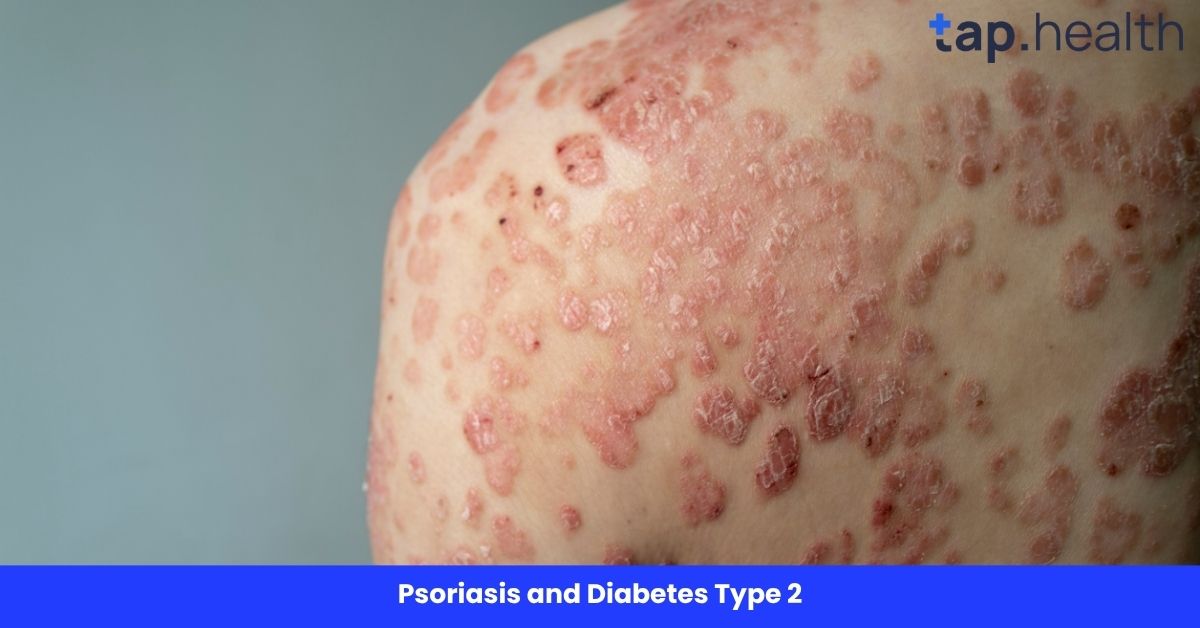
Psoriasis is a chronic autoimmune condition that causes the rapid growth of skin cells. This leads to the formation of thick, scaly patches of skin that can be itchy, painful, and sometimes even bleed. These patches most commonly appear on the scalp, elbows, knees, and lower back but can affect any part of the body. Psoriasis is a lifelong condition, and while there is no cure, treatment can help manage the symptoms.
Types of Psoriasis
- Plaque Psoriasis: The most common type, characterized by red, inflamed patches of skin covered with silvery scales.
- Guttate Psoriasis: Small, drop-shaped patches of psoriasis, usually triggered by a bacterial infection like strep throat.
- Inverse Psoriasis: Red, shiny patches of skin that appear in the folds of the body, such as the armpits, groin, and under the breasts.
- Pustular Psoriasis: White pustules (blisters of noninfectious pus) surrounded by red skin.
- Erythrodermic Psoriasis: A severe form that causes widespread redness, peeling, and shedding of skin.
Symptoms of Psoriasis
- Red patches of skin with thick, silvery scales
- Dry or cracked skin that may bleed
- Itching, burning, or soreness
- Thickened or ridged nails
- Swollen or stiff joints (psoriatic arthritis)
What is Type 2 Diabetes?
Type 2 diabetes is a chronic condition where the body doesn’t use insulin properly or doesn’t produce enough insulin. Insulin is a hormone that helps glucose (sugar) enter the cells to be used for energy. Without enough insulin, glucose builds up in the blood, leading to high blood sugar levels. Over time, uncontrolled high blood sugar can lead to serious complications, including heart disease, kidney damage, and nerve damage.
Symptoms of Type 2 Diabetes
- Increased thirst and frequent urination
- Fatigue and weakness
- Blurred vision
- Slow-healing wounds
- Numbness or tingling in the hands or feet
The Link Between Psoriasis and Type 2 Diabetes
Emerging research has revealed a connection between psoriasis and an increased risk of developing type 2 diabetes. In fact, people with psoriasis are more likely to develop type 2 diabetes compared to those without the skin condition. Let’s explore how these two conditions are related.
Inflammation and Insulin Resistance
Both psoriasis and type 2 diabetes involve chronic inflammation, which plays a significant role in the development of both conditions. Psoriasis is an inflammatory skin disease where the immune system attacks healthy skin cells, leading to the rapid turnover of skin cells. This constant state of inflammation can have a ripple effect throughout the body, increasing the risk of insulin resistance.
Insulin resistance occurs when the body’s cells become less responsive to insulin, leading to higher blood sugar levels. This is a key factor in the development of type 2 diabetes. The inflammation caused by psoriasis may impair the body’s ability to use insulin effectively, increasing the risk of developing diabetes.
The Role of Obesity
Obesity is another common link between psoriasis and type 2 diabetes. People with psoriasis, especially those with severe forms, often experience weight gain and obesity due to limited physical activity, discomfort from skin lesions, and other factors. Obesity is a major risk factor for developing type 2 diabetes, as excess fat—particularly visceral fat (fat around internal organs)—can further contribute to insulin resistance and high blood sugar levels.
Psoriatic Arthritis and Diabetes
Psoriatic arthritis (PsA) is a type of arthritis that affects some people with psoriasis, causing joint pain, stiffness, and swelling. Studies suggest that individuals with psoriatic arthritis are at an even higher risk of developing type 2 diabetes. The chronic inflammation caused by psoriatic arthritis can exacerbate insulin resistance, leading to an increased likelihood of developing diabetes.
How Psoriasis Affects Diabetes Management
Having both psoriasis and type 2 diabetes can make managing either condition more challenging. Here’s how psoriasis can impact diabetes management and vice versa:
Blood Sugar Control and Psoriasis Treatment
Some treatments for psoriasis, particularly corticosteroids (topical creams, injections, or oral medications), can affect blood sugar levels. Corticosteroids can cause an increase in blood sugar, making it harder to manage diabetes. This can lead to higher blood sugar levels and, in some cases, diabetic complications.
Increased Risk of Heart Disease
Both psoriasis and type 2 diabetes increase the risk of cardiovascular diseases, such as heart attack and stroke. Chronic inflammation, insulin resistance, and the potential for obesity all contribute to an increased risk of developing heart-related issues. It’s essential to manage both conditions carefully to reduce the risk of heart disease.
Impact on Mental Health
Living with both psoriasis and diabetes can be mentally and emotionally taxing. The stress and anxiety of managing two chronic conditions can lead to depression, which in turn can negatively affect diabetes management. Stress can also trigger psoriasis flare-ups, creating a vicious cycle of worsening symptoms.
Treatment Options for Psoriasis and Type 2 Diabetes
While there is no cure for either psoriasis or type 2 diabetes, both conditions can be managed effectively with the right treatment. Here are some treatment options for managing psoriasis and diabetes:
Managing Psoriasis
- Topical Treatments: Creams and ointments containing corticosteroids, vitamin D analogs, or retinoids can help control symptoms and reduce inflammation.
- Light Therapy: Phototherapy (exposing the skin to UV light) can help reduce the severity of psoriasis symptoms.
- Systemic Treatments: Oral medications or biologic drugs that target specific immune system components can help control severe psoriasis.
- Moisturizers: Keeping the skin moisturized can prevent dryness, cracking, and itching.
Managing Type 2 Diabetes
- Lifestyle Changes: A healthy diet, regular exercise, and weight management are crucial in controlling blood sugar levels and preventing complications.
- Medications: Oral medications like metformin or insulin injections may be prescribed to help manage blood sugar levels.
- Monitoring Blood Sugar: Regular blood sugar monitoring is essential for understanding how your body responds to food, exercise, and medications.
- Managing Complications: Regular check-ups with a healthcare provider to monitor for complications such as kidney damage, neuropathy, or cardiovascular disease.
Combining Treatments for Both Conditions
If you have both psoriasis and type 2 diabetes, it’s essential to work with your healthcare team to develop a treatment plan that addresses both conditions. This may involve choosing psoriasis treatments that do not interfere with diabetes management and ensuring that blood sugar levels are well-controlled while treating psoriasis symptoms.
Lifestyle Tips for Managing Psoriasis and Diabetes
Living with both psoriasis and type 2 diabetes can be challenging, but adopting a healthy lifestyle can significantly improve your quality of life. Here are some tips for managing both conditions:
Healthy Eating
- Low Glycemic Diet: Foods with a low glycemic index (like whole grains, lean protein, and vegetables) can help control blood sugar levels. Avoid processed foods and sugary snacks that can cause blood sugar spikes.
- Anti-inflammatory Foods: Incorporating foods with anti-inflammatory properties, such as fatty fish (salmon, mackerel), nuts, and berries, may help reduce inflammation associated with both psoriasis and diabetes.
- Portion Control: Eating smaller, balanced meals throughout the day can help maintain stable blood sugar levels.
Regular Exercise
- Stay Active: Regular physical activity helps control blood sugar, reduces inflammation, and can improve psoriasis symptoms. Aim for at least 30 minutes of moderate exercise, such as walking or swimming, five days a week.
- Strength Training: Incorporating strength training exercises can help build muscle mass, improve insulin sensitivity, and promote overall health.
Stress Management
- Mindfulness and Meditation: Practices like yoga, meditation, and deep-breathing exercises can help manage stress, which may improve both psoriasis and diabetes symptoms.
- Adequate Sleep: Poor sleep can increase stress levels and impact blood sugar control. Aim for 7-9 hours of sleep per night.
Real-Life Scenario
Consider a person with moderate psoriasis who notices skin flare-ups along with weight gain and fatigue. During a routine check-up, their doctor finds elevated blood sugar levels. This scenario highlights how psoriasis and type 2 diabetes can be connected, emphasizing the importance of regular health monitoring.
Expert Contribution
Dermatologists and endocrinologists explain that inflammation plays a key role in linking psoriasis and type 2 diabetes. Dr. Jane Smith, a leading dermatologist, states that “patients with psoriasis should monitor their blood sugar and maintain a healthy lifestyle to reduce the risk of diabetes.” Early detection and treatment can prevent complications.
Recommendations Grounded in Proven Research and Facts
- Regular check-ups: People with psoriasis should monitor blood sugar levels periodically.
- Maintain a healthy weight: Obesity increases the risk of both psoriasis severity and type 2 diabetes.
- Balanced diet: Anti-inflammatory foods like fruits, vegetables, whole grains, and omega-3 fats can help manage both conditions.
- Exercise regularly: Physical activity improves insulin sensitivity and reduces inflammation.
- Follow medical advice: Use prescribed medications for psoriasis and diabetes, and discuss any concerns with your doctor.
How Tap Health Supports Diabetics
Tap Health is a smart, AI-powered app designed to help people with diabetes in India manage their health more effectively. It offers tools to monitor blood sugar, track carbohydrate intake, and stay on top of overall wellness in one convenient platform.
Why Tap Health Makes Diabetes Management Easier
Managing diabetes can be challenging, but Tap Health simplifies the process with practical features and personalized guidance:
Precise Carbohydrate Tracking – Quickly log your meals or take a picture, and the app provides accurate estimates of carbs, calories, and portions, including popular Indian foods.
Glucose Monitoring Made Simple – Record your blood sugar readings and easily see patterns to understand how diet and lifestyle affect your levels.
Automated Reminders – Receive notifications for medications, meals, and glucose checks to ensure you stay consistent without stress.
Personalized Recommendations – The app analyzes your data to provide tailored suggestions for diet, activity, and blood sugar management.
Indian-Focused Meal Guidance – Access a wide range of Indian recipes, regional dishes, and meal plans suited to your culture and preferences.
Progress Tracking and Reports – View trends in your glucose levels and HbA1c over time with clear, easy-to-read charts.
Professional Support – Connect with qualified doctors and dietitians directly through the app for advice and guidance tailored to your needs.
Frequently Asked Questions (FAQs) on Psoriasis and Diabetes Type 2
1. Can psoriasis cause type 2 diabetes?
Psoriasis itself doesn’t cause type 2 diabetes, but the chronic inflammation associated with psoriasis increases the risk of developing diabetes. Additionally, other factors like obesity and psoriatic arthritis can further raise the risk.
2. What is the best treatment for psoriasis and diabetes?
There is no one-size-fits-all treatment, but managing both conditions with a combination of medication, lifestyle changes, and proper healthcare is key. Consult your doctor for a tailored plan that addresses both psoriasis and diabetes.
3. Can corticosteroids worsen diabetes in psoriasis patients?
Yes, corticosteroids can raise blood sugar levels, which may make it harder to manage diabetes. It’s important to work with your healthcare provider to find suitable psoriasis treatments that do not interfere with diabetes control.
4. How can I manage inflammation in both psoriasis and diabetes?
A healthy diet rich in anti-inflammatory foods, regular exercise, and stress management techniques can help reduce inflammation in both conditions. Medications prescribed by your doctor can also help control inflammation.
5. Can exercise help with both psoriasis and diabetes?
Yes, regular exercise can help manage both psoriasis and type 2 diabetes. It helps improve blood sugar control, reduces inflammation, and supports overall health. Be sure to consult your healthcare provider before starting any new exercise routine.
By understanding the connection between psoriasis and type 2 diabetes, individuals with either condition can take steps to reduce risks, manage symptoms, and improve their overall quality of life. It’s important to work closely with a healthcare provider to develop a comprehensive treatment plan that addresses both conditions.