tap.health logo
  • Diabetes Management
  • Health Assistant
  • About Us
  • Blog
  • Contact Us
Get Plan
  • Diabetes Management
  • Health Assistant
  • About Us
  • Blog
  • Contact Us
  • All Blogs
  • Diabetes
  • Rajamudi Rice Glycemic Index: Benefits, Nutrition & Health Impact

Rajamudi Rice Glycemic Index: Benefits, Nutrition & Health Impact

Diabetes
February 10, 2026
• 5 min read
Shalu Raghav
Written by
Shalu Raghav
Neha Sharma
Reviewed by:
Neha Sharma
Dietitian and Nutrition Officer
ChatGPT Perplexity WhatsApp LinkedIn X Grok Google AI
Rajamudi Rice Glycemic Index: Benefits, Nutrition & Health Impact

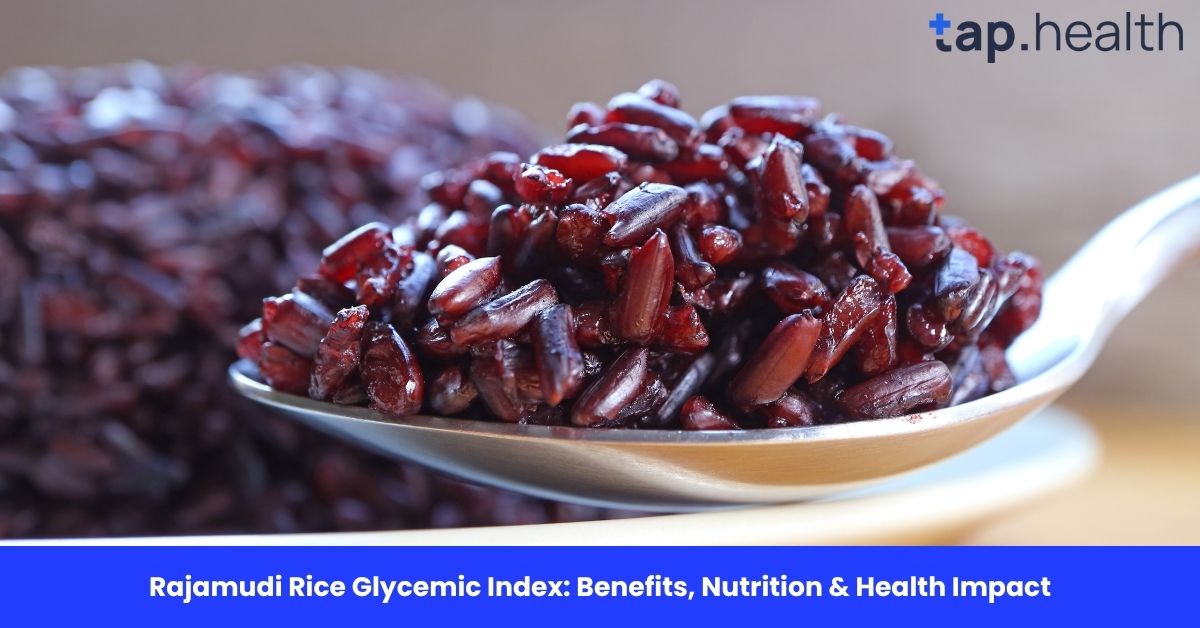
Rajamudi rice, a traditional and aromatic rice variety from India, has been gaining attention due to its unique health benefits and distinctive taste. Known for its rich flavour and nutritional profile, this rice has long been a staple in many regions, especially in the southern parts of India. However, one aspect that is gaining considerable interest is its glycemic index (GI). Understanding the glycemic index of Rajamudi rice and how it impacts health can help you make better dietary choices, especially for those monitoring blood sugar levels.

In this blog, we will explore what the glycemic index of Rajamudi rice is, its benefits, how it compares to other types of rice, and why it might be a better choice for certain dietary needs.

What is Glycemic Index (GI)?

The Glycemic Index (GI) is a measurement that ranks foods containing carbohydrates on a scale from 0 to 100, based on how quickly they raise blood sugar levels after being consumed. Foods with a high GI are absorbed rapidly into the bloodstream, causing a quick rise in blood sugar levels. On the other hand, foods with a low GI are absorbed more slowly, causing a gradual increase in blood sugar levels.

Here is how GI is classified:

  • Low GI: 55 or less
  • Medium GI: 56–69
  • High GI: 70 or more

This classification helps people make informed choices about foods that can support better blood sugar control, especially for individuals with diabetes or those looking to maintain a balanced diet.

What is the Glycemic Index of Rajamudi Rice?

Rajamudi rice is considered to have a medium to low GI, typically ranging from 50 to 60. This makes it a better option compared to highly refined white rice, which tends to have a higher glycemic index, usually above 70. The GI of Rajamudi rice can vary slightly depending on factors such as the method of cooking, the level of processing, and the specific variety.

The medium GI rating of Rajamudi rice indicates that it does not cause rapid spikes in blood sugar levels, making it a good choice for those managing their glycemic response, including individuals with diabetes or those on a weight management plan.

How Does Rajamudi Rice Compare to Other Rice Varieties?

Rajamudi Rice vs. White Rice

White rice, being highly processed and stripped of its bran and germ, has a higher glycemic index, typically ranging between 70 to 80. This means that it is digested quickly and can cause a rapid increase in blood sugar levels. On the other hand, Rajamudi rice retains its bran, which contains fibre, and this helps in slowing down the digestion process, resulting in a lower GI.

Rajamudi Rice vs. Brown Rice

Brown rice, like Rajamudi rice, is less processed and retains more of its natural nutrients, including fibre. Brown rice has a GI of around 50 to 55, making it slightly lower than Rajamudi rice in terms of glycemic index. However, Rajamudi rice still offers many health benefits due to its high antioxidant content and unique nutritional profile, even though it may have a slightly higher GI compared to brown rice.

Rajamudi Rice vs. Basmati Rice

Basmati rice is known for its aromatic flavour and long grains, often considered a healthier rice variety compared to other white rice. Its GI ranges from 50 to 58, similar to Rajamudi rice. Both varieties are considered to be better options than typical white rice, but Rajamudi rice may offer more nutrients due to its minimal processing.

Read this: Is Basmati Rice Good for Diabetics? 

Nutritional Profile of Rajamudi Rice

Rajamudi rice is not only known for its moderate glycemic index but also for its excellent nutritional profile. Some of the key benefits of Rajamudi rice include:

1. High in Antioxidants

Rajamudi rice contains anthocyanins, powerful antioxidants that help fight free radicals in the body, potentially reducing inflammation and the risk of chronic diseases such as heart disease and cancer.

2. Rich in Fibre

The fibre content in Rajamudi rice, particularly in the bran, helps in promoting digestive health and can aid in maintaining healthy cholesterol levels. Fibre also plays a key role in regulating blood sugar levels by slowing down the absorption of glucose into the bloodstream.

3. Source of Essential Nutrients

Rajamudi rice is a good source of essential vitamins and minerals, including iron, calcium, and B-vitamins, which are important for overall health. It provides energy in the form of complex carbohydrates, which are digested slowly and help in sustaining energy levels throughout the day.

4. Low Fat Content

Unlike other high-fat grains, Rajamudi rice is low in fat, making it an ideal choice for people who are looking to manage their weight or maintain a healthy heart.

Health Benefits of Rajamudi Rice

1. Better Blood Sugar Control

Due to its moderate glycemic index, Rajamudi rice is a healthier alternative for individuals with diabetes or those at risk of developing diabetes. The slower digestion of carbohydrates helps in controlling blood sugar spikes, promoting stable energy levels throughout the day.

2. Supports Weight Management

Since Rajamudi rice is rich in fibre and digests slowly, it helps keep you feeling fuller for longer, reducing the chances of overeating. This can aid in weight management and prevent the accumulation of excess body fat.

3. Improves Digestive Health

The fibre content in Rajamudi rice supports healthy digestion and regular bowel movements. It can help prevent constipation and promote the growth of beneficial gut bacteria, contributing to better overall gut health.

4. Heart Health

The antioxidants present in Rajamudi rice help in reducing oxidative stress, which plays a role in heart disease. Additionally, its fibre content can help in lowering cholesterol levels, which is beneficial for heart health.

How to Cook Rajamudi Rice for Best Health Benefits

To maximise the health benefits of Rajamudi rice, it is important to cook it properly. Here are a few tips for preparing Rajamudi rice:

  • Soak Before Cooking: Soaking Rajamudi rice for about 30 minutes before cooking can help reduce cooking time and improve its texture.
  • Use the Right Water Ratio: For fluffy rice, use a ratio of 1 part rice to 2.5 parts water.
  • Steam or Cook in a Pressure Cooker: Steaming or cooking in a pressure cooker helps retain the nutrients and ensures that the rice is cooked evenly.

Avoid cooking Rajamudi rice at high temperatures or for long periods to preserve its natural nutrients and antioxidants.

Rajamudi Rice Myths vs. Facts

Myth 1: Rajamudi Rice is Just Like Other White Rice

Fact: Rajamudi rice is minimally processed and retains its bran, unlike white rice, which has been stripped of its nutritional components. It has a lower glycemic index and higher fibre content.

Myth 2: All Rice Has a High Glycemic Index

Fact: While some rice varieties have a high GI, Rajamudi rice is considered a medium-GI food, making it a healthier choice compared to highly refined rice varieties.

Myth 3: You Can’t Eat Rice if You’re Diabetic

Fact: While managing carbohydrate intake is essential for diabetics, consuming rice with a moderate glycemic index, like Rajamudi rice, can be a part of a balanced diet. It’s all about portion control and combining it with fibre-rich foods.

Key Takeaways

  • Rajamudi rice has a moderate glycemic index (50–60), making it a better choice than high-GI rice varieties like white rice.
  • It is rich in antioxidants, fibre, and essential nutrients, which promote overall health.
  • Rajamudi rice can aid in blood sugar control, support weight management, improve digestion, and boost heart health.
  • Proper cooking methods help retain the nutritional value of Rajamudi rice.

FAQs on Rajamudi Rice Glycemic Index

What is the glycemic index of Rajamudi rice?

The glycemic index of Rajamudi rice ranges from 50 to 60, placing it in the moderate GI category. This means it is digested more slowly compared to white rice, making it a better choice for those managing blood sugar levels.

Is Rajamudi rice good for diabetics?

Yes, Rajamudi rice is a healthier option for diabetics compared to high-GI rice varieties. It has a moderate GI and is high in fibre, which helps in controlling blood sugar spikes.

How does Rajamudi rice compare to brown rice?

Rajamudi rice has a slightly higher GI than brown rice but still offers many health benefits, including antioxidants and fibre. Both are healthier choices compared to white rice.

How should I cook Rajamudi rice?

For the best results, soak Rajamudi rice for 30 minutes before cooking. Use a water-to-rice ratio of 2.5:1 and steam or cook in a pressure cooker for even cooking.

Can Rajamudi rice help with weight loss?

Yes, Rajamudi rice is a good option for weight management due to its fibre content, which helps in making you feel fuller for longer and reduces the chances of overeating.


Tags
A1C gestational diabetes poor sleep blood sugar HbA1c diabetes symptoms in women diabetes medicines diabetes nerve damage diabetes and blood pressure mango and diabetes dark patches diabetes diabetes stomach problems diabetes wounds metformin safety diabetes tingling hands banana blood sugar papaya for diabetes is jaggery good for diabetes poha blood sugar orange for diabetes sugar spike after rice gestational diabetes India blood sugar pregnancy diabetes sleep and diabetes diabetes in India women diabetes signs diabetes treatment advice tingling feet diabetes high blood pressure diabetes mango sugar diabetes walking after meals for diabetes diabetic gastroparesis diabetic wound care diabetes ketoacidosis warning signs diabetic neuropathy hands coconut water and diabetes is papaya good for diabetes gur for diabetes sprouts for diabetes can diabetics eat oranges Indian diet diabetes continuous glucose monitor India Medicine fasting glucose blood sugar pregnancy diabetes and stress diabetes risk factors India diabetes risk women Indian diabetic diet chart diabetes eye disease diabetes heart kidney risk diabetes reversal vs remission post meal walk diabetes diabetes bloating nausea diabetes yeast infection DKA symptoms fasting with diabetes coconut water for diabetes papaya blood sugar watermelon for diabetes are sprouts good for diabetes orange blood sugar glucose spike symptoms CGM cost India Health A1C test low blood sugar stress blood sugar diabetes prevention India diabetes symptoms in men diabetic meal plan diabetic eye test borderline HbA1c diabetes remission walking lowers blood sugar diabetes sick day rules diabetes fungal infection ketones diabetes diabetes fasting safety can diabetics drink coconut water oats for diabetes can diabetics eat watermelon sprouts blood sugar brown bread for diabetes post meal blood sugar time in range Lifestyle diabetes diet hypoglycemia cortisol diabetes best fruits for diabetes men diabetes signs HbA1c test high protein breakfast for diabetes HbA1c 5.7 to 6.4 reverse type 2 diabetes diabetes grocery list India diabetes during illness diabetes vaginal itching diabetes blurry vision can diabetics fast curd for diabetes oatmeal diabetes watermelon blood sugar methi seeds for diabetes bread for diabetes diabetes blood pressure glucometer accuracy Home remedies balanced meals diabetes safety diabetes eye care diabetes fruits diabetes risk men HbA1c normal range diabetes breakfast India prediabetes HbA1c diabetes plate method diabetic food list India blood sugar fever infection diabetes night sweats high blood sugar blurry vision insulin injection sites is curd good for diabetes are oats good for diabetes apple for diabetes fenugreek for diabetes whole wheat bread diabetes diabetes heart risk diabetes technology Fitness healthy eating diabetes heart health diabetic retinopathy fruit and blood sugar type 1 diabetes how to lower HbA1c diabetic breakfast ideas post-meal blood sugar Indian diabetes plate foods for diabetes shopping diabetes and alcohol low blood sugar at night diabetes excessive thirst insulin site rotation diabetes curd milk for diabetes can diabetics eat apple methi diabetes avocado for diabetes ABC diabetes CGM vs glucometer India Prevention why diabetes is considered as a lifestyle disease blood pressure diabetes eye test rice and diabetes type 1 diabetes symptoms fasting sugar normal range PCOS and diabetes blood sugar after food diabetes portion control diabetes kidney tests alcohol blood sugar diabetes diabetes sweating at night diabetes dry mouth insulin lumps tea and coffee in diabetes can diabetics drink milk apple blood sugar cinnamon for diabetes is avocado good for diabetes kidney risk diabetes diabetes reversal myths Hygiene lifestyle diabetes cholesterol diabetes kidney care can diabetics eat rice insulin diabetes high fasting blood sugar PCOS insulin resistance postprandial glucose low glycaemic index foods for diabetes urine albumin diabetes can diabetics drink alcohol diabetes headache frequent urination diabetes diabetes weight gain coffee diabetes best milk for diabetes eggs for diabetes cinnamon blood sugar avocado blood sugar blurred vision diabetes HbA1c remission Ailments type 2 diabetes lifestyle disease living with diabetes diabetic kidney disease diabetes diet India prediabetes diet reverse prediabetes naturally PCOS diabetes risk dawn phenomenon diabetes low GI foods India eGFR diabetes diabetes and dizziness high blood sugar headache diabetes fatigue diabetes and weight gain tea diabetes peanuts for diabetes are eggs good for diabetes dalchini for diabetes travelling with diabetes fundus exam diabetes remission vs reversal Hindi exercise and diabetes diabetes habits kidney tests diabetes morning blood sugar prediabetes food prediabetes reversal gestational diabetes diet Indian morning sugar high diabetes low GI diet diabetes and dental problems dizziness diabetes low blood sugar headache diabetes tiredness insulin weight gain roti for diabetes are peanuts good for diabetes egg diabetes amla for diabetes diabetes travel checklist eye care diabetes skin diseases blood sugar control diabetes management high blood sugar symptoms fasting sugar high lower diabetes risk how to prevent type 2 diabetes pregnancy diabetes diet high fasting sugar in morning diabetes and fatty liver diabetes gum disease low sugar dizziness blood sugar monitoring at home high blood sugar tiredness diabetes swollen feet best roti for diabetes peanuts blood sugar paneer for diabetes amla juice diabetes insulin travel storage diabetic retinopathy symptoms acne vulgaris symptoms physical activity insulin resistance hyperglycemia symptoms dawn phenomenon diabetes and weight loss insulin resistance diet gestational diabetes meal plan diabetes and cholesterol fatty liver diabetes dry mouth diabetes diabetes leg pain when to check blood sugar diabetes constipation swollen feet diabetes chapati diabetes sweet potato for diabetes is paneer good for diabetes amla blood sugar diabetes hot weather GDM screening AI Search diabetes foot care insulin sensitivity diabetes warning signs diabetes myths weight loss diabetes Indian foods for insulin resistance diabetic foot ulcer diabetes lipid profile insulin resistance fatty liver diabetes urine infection diabetic leg cramps blood glucose monitoring diabetes and constipation diabetes foot swelling can diabetics eat dates can diabetics eat sweet potato paneer diabetes guava for diabetes diabetes dehydration pregnancy blood sugar targets prediabetes diabetic foot type 2 diabetes risk normal blood sugar levels diabetes facts insulin resistance weight loss improve insulin sensitivity diabetes foot wound cholesterol in diabetes diabetes skin problems frequent UTI diabetes diabetes nerve pain legs metformin for diabetes constipation diabetes can diabetics eat banana dates for diabetes sweet potato blood sugar poha for diabetes can diabetics eat guava heat and blood sugar postpartum diabetes risk diabetes prevention foot health diabetes and sleep fasting blood sugar diabetes misconceptions diabetes medicine safety diabetic neuropathy symptoms diabetic foot ulcer warning signs can diabetics eat mango diabetes itching urinary infection diabetes diabetes slow wound healing metformin side effects diabetes numbness in hands banana for diabetes dates blood sugar jaggery for diabetes is poha good for diabetes guava blood sugar India diabetes diabetes after pregnancy
More blogs
Naimish Mishra
Naimish Mishra
• June 10, 2026
• 5 min read

Metabolic Flexibility: How to Train Your Body to Burn Both Carbs and Fats Efficiently

In discussions about weight loss, energy levels, and metabolic diseases like Type 2 diabetes, we often search for a single, primary fuel source. Some argue that carbohydrates are the body’s preferred fuel, while others suggest that fat-burning ketosis is the optimal metabolic state. However, the human body was not designed to rely on only one […]

Product
Rajamudi Rice Glycemic Index: Benefits, Nutrition & Health Impact
Naimish Mishra
Naimish Mishra
• June 10, 2026
• 5 min read

Continuous Ketone Monitoring (CKM): The Future of Metabolic Health and Dual-Fuel Tracking

Over the past decade, Continuous Glucose Monitors (CGMs) have transformed diabetes management. By providing real-time glucose data, CGMs have helped millions of individuals identify glycemic swings, understand their response to specific foods, and optimize their insulin regimens. As biosensor technology continues to advance, a new metabolic marker is entering the consumer and clinical space: Continuous […]

Product
Rajamudi Rice Glycemic Index: Benefits, Nutrition & Health Impact
Naimish Mishra
Naimish Mishra
• June 10, 2026
• 6 min read

GLP-1 Natural Stimulators: The Ultimate Dietary Guide to Satiety Hormones

The global weight management and diabetes landscape has been transformed by the emergence of GLP-1 receptor agonists (such as semaglutide and tirzepatide). These medications, sold under brand names like Ozempic, Wegovy, and Mounjaro, work by mimicking a natural gut hormone to regulate appetite, slow digestion, and improve insulin secretion. While these medications are highly effective […]

Product
Rajamudi Rice Glycemic Index: Benefits, Nutrition & Health Impact
Do you remember your last sugar reading?
Log and Track your glucose on the Tap Health App
All logs in one place
Smart trend graphs
Medicine Reminder
100% Ad Free
Download Now

Missed your diabetes meds

again? Not anymore.

Get medicine reminders on your phone.

✓ Glucose diary and Insights
✓ Smart Nudges
✓ All logs at one place
✓ 100% Ad free
Download Free
tap health
tap.health logo
copyright © 2025
2nd Floor,Plot No 4, Minarch Tower,
Sector 44,Gurugram, 122003,
Haryana, India
  • About Us
  • Blog
  • Doctor login
  • Contact Us
  • Privacy Policy
  • Return / Shipping Policy
  • Terms and Conditions
Get Your Free AI Diabetes Coach