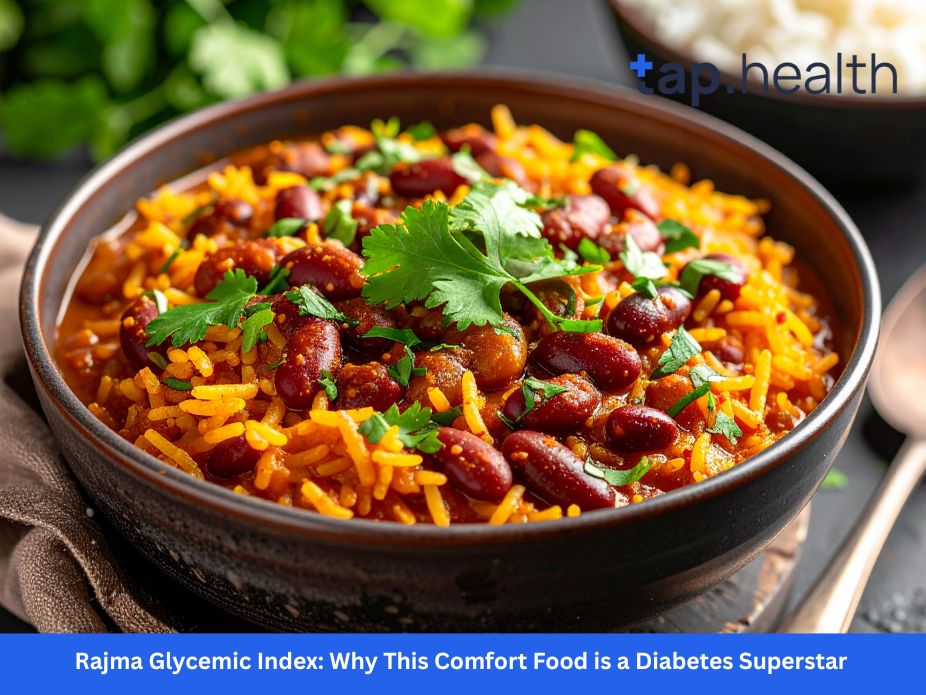
There’s nothing quite like a hot plate of rajma chawal, is there? It’s the ultimate comfort food. That rich, spicy gravy filled with soft kidney beans, paired with steaming rice… it’s a meal that feels like a warm hug.
But if you’re watching your blood sugar, you might have looked at that plate with a bit of worry. You’ve probably heard that you should be careful with carbs. So, where does that leave our beloved rajma?
Here’s some fantastic news: that bowl of rajma is not just okay for you—it’s actually a superstar for your health. The secret lies in its Glycemic Index (GI).
In this article, we’re going to settle the score once and for all. We’ll explore the glycemic index of rajma in simple, easy-to-understand language. You’ll discover why this humble bean is a powerful friend for managing diabetes, supporting weight loss, and boosting your overall well-being. Let’s dig in and uncover the science behind the deliciousness.
What is the Glycemic Index? The “Speedometer” for Your Food
Before we talk about rajma specifically, let’s get one thing clear: what is the Glycemic Index?
Think of the carbohydrates in your food as cars on a highway leading to your bloodstream. The Glycemic Index is like a speedometer for those cars.
It’s a scale from 0 to 100 that measures how fast and how high a carbohydrate-rich food can make your blood sugar (glucose) levels rise.
Here’s the simple breakdown:
- Low GI (55 or less): The Slow Lanes. These foods break down slowly, releasing sugar into your blood at a gentle, steady pace. This keeps you feeling full and energized for hours. Examples: apples, lentils, most vegetables.
- Medium GI (56 to 69): The Moderate Lanes.
- High GI (70 and above): The Fast Lanes. These foods are like race cars. They break down extremely quickly, causing a rapid spike in your blood sugar. This spike is often followed by a sharp crash, leaving you tired, irritable, and hungry soon after. Examples: white bread, sugary drinks, white rice.
For people with diabetes or those trying to keep their energy stable, choosing foods from the “slow lanes” is the key to feeling better throughout the day.
The Big Reveal: What is the Glycemic Index of Rajma?
Now, for the moment you’ve been waiting for. Let’s talk numbers.
Rajma (kidney beans) has a low Glycemic Index. It scores between 20 and 29 on the GI scale.
Yes, you read that right! With a GI of approximately 20-29, rajma sits firmly in the excellent, slow-digesting low GI category.
This means that when you eat rajma, your body gets a slow and steady supply of energy. There’s no sugar rush, and critically, no sugar crash. The carbohydrates in rajma are designed for the scenic route, not the fast lane.
Rajma vs. Other Common Foods: A GI Showdown
To truly appreciate how good rajma is, let’s see how it stacks up against other common foods.
- Rajma (GI ~20-29) vs. White Rice (GI ~73): White rice is a high-GI staple, while rajma is a low-GI champion.
- Rajma (GI ~20-29) vs. Whole Wheat Bread (GI ~74): They are not even in the same league. Rajma provides a much more stable energy source.
- Rajma (GI ~20-29) vs. Boiled Potato (GI ~78): This shows that not all “vegetables” are the same when it comes to blood sugar.
- Rajma (GI ~20-29) vs. An Apple (GI ~36): Rajma has an even lower GI than an apple, which is already a great low-GI choice!
As you can see, rajma is a true nutritional powerhouse, outperforming many common foods in terms of blood sugar control.
Why is Rajma’s Glycemic Index So Low?
You might be wondering, “What makes these little beans so special?” The answer lies in their brilliant nutritional composition. It’s not one thing, but a powerful combination of factors working together.
The Magic of Complex Carbohydrates
Rajma is rich in a special type of carb called complex carbohydrates. Unlike the simple carbs found in sugar or white flour, complex carbs have a more complicated structure.
Imagine a complex carbohydrate as a big, knotted-up ball of string. Your body has to slowly and patiently untangle this ball to get the energy out. This slow “untangling” process is what causes the gradual release of glucose into your bloodstream, preventing those sharp spikes.
The Power of Dietary Fiber
This is the real superstar. Rajma is packed with dietary fiber, and it contains a perfect mix of both soluble and insoluble fiber.
Think of the soluble fiber in rajma as a sponge. When you eat it, this fiber forms a gel-like substance in your stomach. This gel traps the carbohydrate molecules and slows down their journey into your bloodstream. It’s like putting a speed bump on the digestive highway.
This slow release is the key to rajma’s low GI. The fiber also helps you feel full and satisfied for a long time after your meal.
The Protein Punch
Rajma is an excellent source of plant-based protein. Protein is another nutrient that takes longer to digest. When you combine protein with carbs (like in rajma), it further slows down the conversion of carbs into sugar, leading to an even more stable blood sugar response.
Is Rajma Good for Diabetes?
This is the most important question for many people, and the answer is a resounding yes.
Rajma is an excellent food choice for people with diabetes and prediabetes.
Here’s why:
- Prevents Blood Sugar Spikes: Its low GI means it won’t cause the dangerous blood sugar spikes that high-GI foods do. The slow digestion keeps your glucose levels stable.
- Improves Insulin Sensitivity: The high fiber content in rajma can help your body use insulin more effectively.
- Promotes Satiety and Weight Management: The combination of fiber and protein keeps you feeling full. This helps prevent overeating and unhealthy snacking on sugary foods, which is crucial for diabetes management.
Of course, portion control and preparation method still matter, but as a food, rajma is a diabetic-friendly superstar.
Beyond Blood Sugar: The Amazing Health Benefits of Rajma
While the low glycemic index of rajma is its headline feature, this humble bean offers a treasure chest of other health benefits.
A Heart-Healthy Hero
Rajma is fantastic for your cardiovascular system.
- Lowers Cholesterol: The soluble fiber in rajma binds to cholesterol in your digestive system and helps remove it from your body, effectively lowering “bad” LDL cholesterol.
- Rich in Heart-Healthy Nutrients: It is a good source of potassium, which helps regulate blood pressure, and magnesium, which is essential for a healthy heartbeat.
Your Ally in Weight Management
Trying to lose or maintain weight? Rajma is your best friend.
- High in Satiety: You feel full and satisfied after eating them, which reduces the temptation to reach for more calorie-dense, unhealthy options.
- Nutrient-Dense: It provides a high volume of food for a relatively low number of calories, meaning you can eat a satisfying portion without overloading on calories.
Boosts Digestive Health
All that fiber we talked about? It’s also a prebiotic. This means it acts as food for the good bacteria in your gut. A healthy gut means better digestion, less bloating, a stronger immune system, and even improved mood.
Packed with Essential Nutrients
Rajma is a nutritional powerhouse. It is a good source of:
- Iron: Helps fight anemia and boosts energy.
- Folate: Crucial for cell growth and function.
- Antioxidants: Fight cell damage and reduce inflammation.
How to Enjoy Rajma for Maximum Health Benefits
The best part about rajma is that it’s delicious and versatile. Here’s how to make it a healthy part of your diet.
The Perfect Plate: Pairing Rajma Wisely
While rajma itself is low GI, the classic “rajma chawal” combo needs a smart approach. White rice has a high GI. Here’s how to balance your plate:
- Reduce the Rice: Instead of a mountain of rice, aim for a smaller portion. Think of rice as a side dish, not the main event.
- Go for Brown Rice: Switch to brown rice or other whole grains like quinoa or barley, which have a lower GI than white rice.
- The 1:2 Ratio: A good visual is to have one part rice to two parts rajma. Fill half your plate with rajma, a quarter with rice, and the remaining quarter with a non-starchy vegetable like cucumber salad or sautéed greens.
Healthy Cooking Tips
- Soak Well: Always soak rajma for at least 8 hours. This reduces the phytic acid content, which can interfere with nutrient absorption, and makes them easier to digest.
- Go Easy on the Fat: While a little oil or ghee is fine for the tadka (tempering), avoid drowning the dish in fat.
- Limit Salt and Sugar: Be mindful of how much salt you add. Avoid adding sugar or jaggery to the gravy.
Delicious & Healthy Recipe Ideas
- Rajma Salad: Toss boiled and cooled rajma with chopped onions, tomatoes, cucumbers, corn, and a squeeze of lemon juice.
- Rajma Soup: Blend cooked rajma with tomatoes, garlic, and spices to create a creamy, comforting soup.
- Whole-Grain Rajma Wrap: Use a whole-wheat chapati to wrap up rajma, fresh veggies, and a dollop of Greek yogurt.
A Final Word: Embrace the Power of Rajma
In a world full of processed, high-sugar foods that send your blood sugar on a rollercoaster, going back to traditional, wholesome foods like rajma is a powerful step towards better health.
Its low glycemic index makes it a safe, satisfying, and smart choice for everyone—especially those managing diabetes, PCOS, or weight.
So, the next time you enjoy that plate of rajma, know that you’re not just eating a delicious meal. You’re feeding your body a slow-burning fuel that will keep you energized, full, and healthy for hours to come.
Frequently Asked Questions (FAQs) on Rajma Glycemic Index
Q1: Can diabetics eat rajma every day?
A: Yes, in moderate portions, diabetics can enjoy rajma regularly. Its low GI and high fiber content are excellent for blood sugar control. A typical serving size is about one cup of cooked rajma. It’s always best to monitor your blood sugar levels to see how your body personally responds.
Q2: What is the glycemic index of rajma with rice?
A: The GI of the combined meal will be a mix of both. Rajma has a low GI (~29), and white rice has a high GI (~73). However, the high fiber and protein in rajma will help slow down the digestion of the rice, creating a more moderate overall glycemic response than if you ate the rice alone. For a better effect, use brown rice and keep the rice portion small.
Q3: Is rajma good for weight loss?
A: Absolutely. Rajma is an ideal weight-loss food. It is high in fiber and protein, both of which promote a strong feeling of fullness (satiety). This helps curb hunger and prevents overeating, making it easier to maintain a calorie deficit.
Q4: Is canned rajma as healthy as dried rajma?
A: Dried rajma that you soak and cook yourself is generally the healthier option. Canned rajma is convenient, but it can be high in sodium. If you use canned rajma, always rinse it thoroughly under running water to remove excess salt before using it.
Q5: Does rajma cause gas?
A: Rajma can cause gas for some people because of its high fiber content and certain complex sugars. To reduce this, always soak dried rajma for at least 8 hours and discard the soaking water. Cooking them thoroughly also helps. Your digestive system often adapts over time as you eat more fiber-rich foods.
Q6: Can I eat rajma at night?
A: Yes, you can eat rajma for dinner. Its low GI means it won’t cause a blood sugar spike that can disrupt sleep, and its protein content can help keep you full through the night. Just ensure the portion is moderate and the meal is not too heavy, so your body isn’t working hard to digest it right before bed.
Q7: How does rajma compare to other dals in terms of GI?
A: Most dals and legumes have a low GI, which makes them all great choices. For example, moong dal has a GI of about 38, chana dal is around 28, and toor dal is around 29. Rajma fits right in with this group of low-GI, nutrient-dense legumes.