What is Scalp Psoriasis?
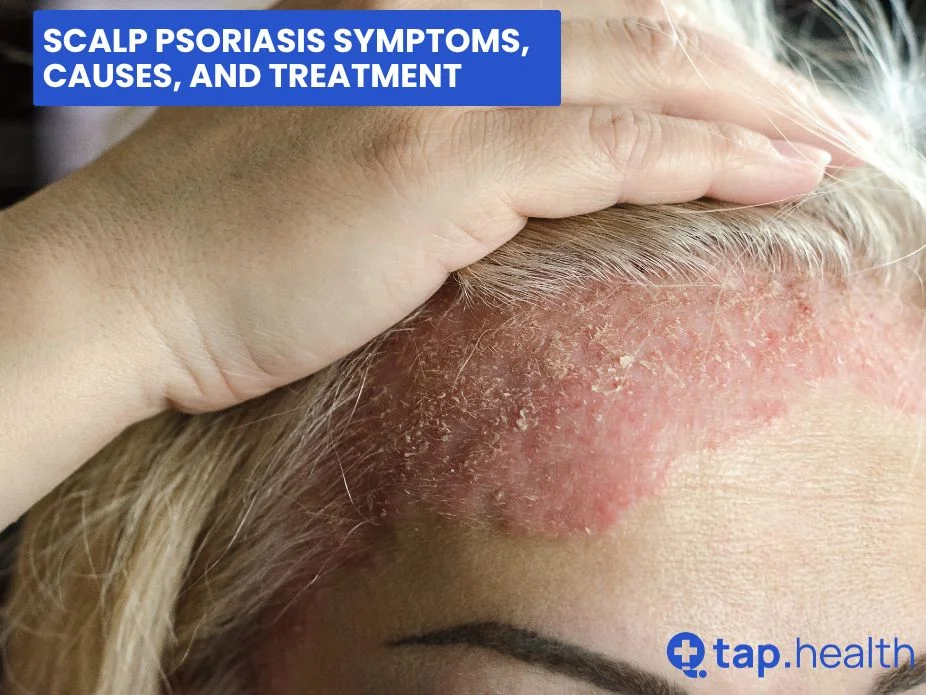
Scalp psoriasis is a skin condition that causes red, itchy, and often scaly patches on the scalp. It is a form of psoriasis, an autoimmune disease where the immune system mistakenly attacks healthy skin cells, causing rapid skin cell production. This results in the formation of thick, silvery-white scales and red patches. Although it can be uncomfortable and affect self-esteem, scalp psoriasis is not contagious. It can also extend beyond the scalp to the forehead, the back of the neck, and behind the ears, adding to its discomfort and visibility.
What are the Symptoms of Scalp Psoriasis?
1. Red Patches
Red patches are a hallmark of scalp psoriasis, appearing anywhere on the scalp and sometimes extending to the forehead, neck, and behind the ears. These patches are often inflamed and raised, indicating the rapid turnover of skin cells typical of psoriasis. The redness results from increased blood flow to the affected areas as the body attempts to heal the skin. These patches can vary in size, from small spots to large areas, and their visibility can cause distress and self-consciousness.
2. Scales
Scales are thick, silvery-white layers of dead skin cells that cover the red patches of scalp psoriasis. These scales result from the accelerated skin cell production associated with the condition. The skin cells build up on the surface, forming flaky, crusty patches that can be unsightly and uncomfortable. Scales can range from fine and small to large and thick, sometimes covering significant portions of the scalp. They may fall off in flakes, resembling dandruff, which can be embarrassing and challenging to manage.
3. Itching
Itching is a common symptom of scalp psoriasis, often described as intense and persistent. The itchiness can interfere with daily activities and sleep, leading to discomfort and frustration. Scratching the itchy areas can provide temporary relief but often worsens the condition by causing further irritation and potentially leading to infections. The persistent urge to scratch can be challenging to resist and may contribute to additional symptoms like redness and swelling.
4. Dry Scalp
A dry scalp is frequently associated with scalp psoriasis. The affected areas can become extremely dry and cracked, leading to discomfort and sometimes bleeding. The dryness results from the rapid shedding of skin cells and the lack of adequate moisture retention in the skin. This symptom can make the scalp feel tight and rough, exacerbating the irritation. Maintaining moisture through appropriate hair care products and routines can help alleviate this dryness.
5. Burning Sensation
Some individuals with scalp psoriasis experience a burning or soreness on their scalp. This sensation can range from mild discomfort to a severe, painful feeling. The burning is often due to the inflammation and rapid turnover of skin cells, which can irritate nerve endings in the skin. This symptom can make it difficult to manage the condition and may require medical treatment to alleviate the pain and discomfort associated with the burning sensation.
6. Hair Loss
Hair loss can occur in people with scalp psoriasis, primarily due to scratching or removing scales. While the condition itself does not damage hair follicles, the physical actions of scratching and picking at the scales can lead to temporary hair loss. This hair loss is typically reversible once the scalp heals and the psoriasis is under control. Managing the urge to scratch and using appropriate treatments can help minimize hair loss and promote regrowth.
What are the Causes of Scalp Psoriasis?
1. Genetics
Genetics play a significant role in the development of scalp psoriasis. If you have a family member with psoriasis, your risk of developing the condition is higher. Certain genes associated with the immune system’s regulation are involved in psoriasis, leading to the immune system attacking healthy skin cells. This genetic predisposition means that psoriasis can run in families, but not everyone with a family history will develop it. Understanding your genetic risk can help with early identification and management.
2. Immune System
Scalp psoriasis is an autoimmune disease, meaning the immune system mistakenly attacks healthy skin cells. This immune system dysfunction leads to the rapid production of skin cells, causing the characteristic red patches and scales. The exact mechanisms behind this immune response are not fully understood, but it involves T cells, a type of white blood cell, which trigger inflammation and excessive skin cell growth. Managing the immune response through medications and treatments is crucial in controlling psoriasis symptoms.
3. Triggers
Several triggers can initiate or exacerbate scalp psoriasis symptoms. Common triggers include stress, infections (such as strep throat), skin injuries (like cuts or sunburn), smoking, excessive alcohol consumption, and certain medications. Identifying and avoiding these triggers can help manage the condition and reduce flare-ups. Stress management techniques, a healthy lifestyle, and avoiding known irritants can be effective strategies in minimizing the impact of these triggers on scalp psoriasis.
What are the Treatments for Scalp Psoriasis?
1. Topical Treatments
Topical treatments are commonly used to manage scalp psoriasis. These include medicated shampoos, creams, gels, and ointments applied directly to the scalp. Ingredients like corticosteroids, salicylic acid, coal tar, and vitamin D analogs help reduce inflammation, slow skin cell production, and remove scales. Regular and consistent use of these treatments can provide relief from symptoms and improve the condition of the scalp. It’s essential to follow a healthcare provider’s recommendations for the best results.
2. Phototherapy
Phototherapy, or light therapy, involves exposing the scalp to ultraviolet (UV) light under medical supervision. This treatment slows down the rapid skin cell growth associated with psoriasis. Phototherapy can be done using UVB light or a combination of UVA light with a photosensitizing medication (PUVA). Regular sessions can help manage symptoms and reduce flare-ups. However, it’s crucial to follow medical advice to avoid overexposure to UV light, which can have side effects.
3. Systemic Medications
Systemic medications are used for severe cases of scalp psoriasis that do not respond to topical treatments. These medications, taken orally or by injection, affect the entire body and help control the immune system response. Common systemic medications include methotrexate, cyclosporine, and oral retinoids. These treatments can be effective but may have significant side effects, so they require careful monitoring by a healthcare provider. They are usually reserved for more severe or resistant cases.
4. Biologics
Biologics are a newer class of drugs specifically targeting parts of the immune system involved in psoriasis. They are typically used for moderate to severe cases of scalp psoriasis. Biologics, administered by injection or infusion, include medications like adalimumab, etanercept, and ustekinumab. These treatments can be very effective in reducing symptoms and improving quality of life. However, they can also have side effects and are usually considered when other treatments have not been successful.
Home Remedies and Lifestyle Adjustments
Besides medical treatments, there are home remedies and changes in your daily life that can ease the symptoms of scalp psoriasis. These natural solutions and lifestyle tweaks work well alongside doctor-prescribed methods for extra comfort.
For tackling scalp psoriasis naturally, aloe vera is great because it calms the skin and reduces redness. Shampoos with coal tar help lessen flakiness and redness too, while those containing salicylic acid are good at getting rid of flakes and cutting down on itchiness.
When it comes to everyday care for scalp psoriasis, washing your hair gently with a soft shampoo helps. It’s also wise to steer clear of strong hair products, use a shower cap to keep your scalp dry when you’re showering and try not to scratch or peel off the scaly patches.
Effective Natural Remedies
For centuries, people have turned to aloe vera as a natural way to tackle various skin issues, including scalp psoriasis. With its ability to fight inflammation, it can lessen the redness, itching, and flakiness on your scalp. Just apply some aloe vera gel directly onto your head and let it sit for a bit before you wash it off.
With coal tar shampoo in the mix too, there’s another nature-inspired method for dealing with scalp psoriasis. Coal tar works by slowing down how fast skin cells grow and easing inflammation. To use this remedy effectively; lather up your hair with the shampoo then wait several minutes before washing out.
Then there are salicylic acid shampoos which play their part by getting rid of scales and calming itchiness on the scalp. Rub these into your head well enough so they reach where needed most but remember not to rinse immediately – give them few minutes’ work time.
However important to remember that what helps one person might not do much for someone else when we talk about natural remedies like those mentioned above against conditions such as psoriasis or other related symptoms affecting our scalps or skins generally speaking So always check in with healthcare professionals prior diving deep into any new treatment plan just be sure you’re heading right direction towards relief sought after.
Daily Care and Management Tips
To keep scalp psoriasis in check and avoid making it worse, there are a few simple things you can do every day. Here’s what helps:
- Wash your hair gently using a soft shampoo.
- Stay away from strong hair stuff that might make your scalp unhappy.
- When you’re showering, wearing a shower cap can help protect your scalp.
- Try not to scratch or pick at the scaly spots because it could lead to hair loss and more problems.
- After washing your hair, pat the water off softly instead of rubbing hard.
- Keep your scalp feeling good with some moisturizer or something similar to stop it from getting dry.
- It’s also smart to cut down on using hot tools for styling since too much heat can dry out and irritate your scalp even more.
Sticking with these tips should help anyone dealing with psoriasis on their head feel better and manage symptoms effectively.
How to Prevent Scalp Psoriasis?
Preventing scalp psoriasis involves managing triggers and maintaining good scalp care practices. Here are some tips:
- Avoid Stress: Practice stress-reducing activities like meditation, exercise, and hobbies to minimize flare-ups.
- Healthy Diet: Eat a balanced diet rich in fruits, vegetables, and whole grains to reduce inflammation.
- Avoid Triggers: Identify and avoid known triggers like certain foods, alcohol, and smoking.
- Scalp Care: Use gentle hair care products, avoid scratching, and keep your scalp moisturized to prevent irritation.
FAQ on Scalp Psoriasis Symptoms, Causes, and Treatment
1. What is the difference between scalp eczema and scalp psoriasis?
Scalp eczema, or seborrheic dermatitis, causes red, itchy, and flaky skin with greasy scales. Scalp psoriasis, in contrast, leads to red patches covered with thick, silvery-white scales. Eczema often results in greasy scales and can be associated with dandruff, while psoriasis involves thicker scaling and more significant inflammation. Psoriasis is also more likely to extend beyond the scalp to the forehead, neck, and ears. The treatment approaches for both conditions differ, so an accurate diagnosis is essential for effective management.
2. Does scalp psoriasis hurt?
Scalp psoriasis can be painful for some individuals. The affected areas may feel sore or tender due to the inflammation and rapid skin cell turnover. Intense itching can also lead to discomfort and pain, especially if scratching results in further irritation or infection. The burning sensation associated with psoriasis can add to the pain. Pain management may involve topical treatments, medications to reduce inflammation, and avoiding triggers that worsen the condition.
3. Can scalp psoriasis damage hair?
Scalp psoriasis itself does not directly damage hair follicles, but the associated symptoms and behaviors can lead to hair loss. Scratching the scalp and picking at scales can cause temporary hair loss and breakage. This hair loss is usually reversible once the condition is managed and the scalp heals. Gentle hair care practices, using appropriate treatments, and avoiding scratching can help minimize hair loss and promote healthy hair regrowth.
4. How to identify psoriasis on the scalp?
Identifying scalp psoriasis involves looking for specific symptoms. Key indicators include red patches covered with thick, silvery-white scales, intense itching, dry and cracked skin that may bleed, and a burning or sore sensation. Temporary hair loss due to scratching or removing scales can also be a sign. If you observe these symptoms, consult a healthcare professional for an accurate diagnosis and appropriate treatment plan to manage the condition effectively.
By understanding scalp psoriasis and its symptoms, causes, and treatments, you can manage the condition more effectively and improve your quality of life. Consult with a healthcare professional for personalized advice and treatment options.