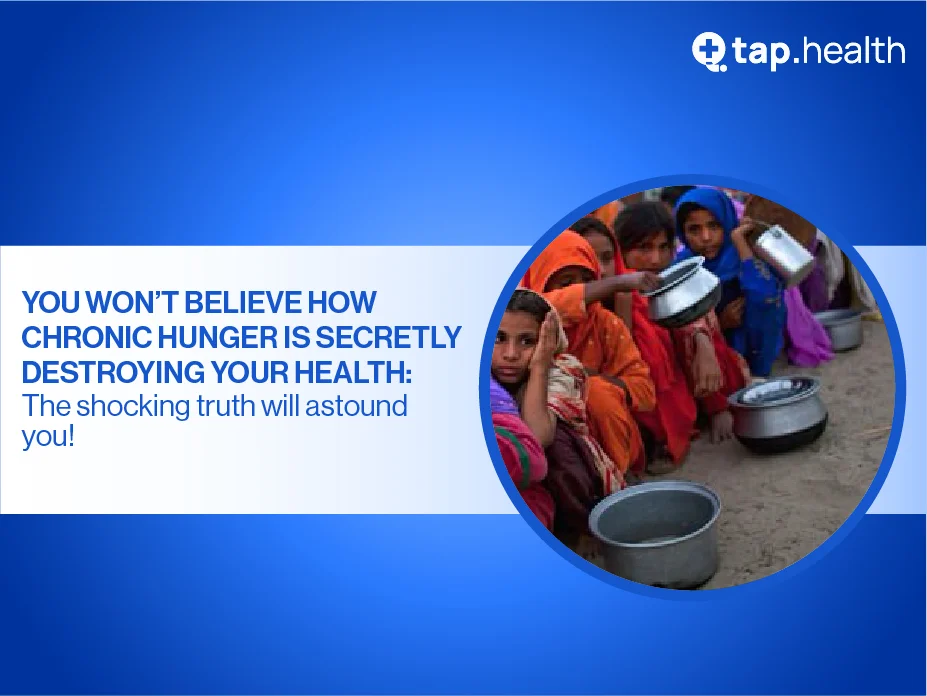
Chronic hunger is a persistent global challenge that affects millions, leading to severe health consequences and hindering child development. This blog delves into what chronic hunger is, its root causes, its impact on physical and mental health, and actionable strategies to address it. By understanding and tackling this issue, we can work toward a world free from hunger and malnutrition.
What Is Chronic Hunger?
What defines chronic hunger? Chronic hunger is the prolonged lack of access to sufficient, nutritious food needed for a healthy life. Unlike temporary hunger, which is a short-term sensation, chronic hunger persists over time, causing undernourishment and malnutrition. It’s driven by complex factors like poverty, food insecurity, and limited access to education or infrastructure.
How does chronic hunger differ from regular hunger? Regular hunger is a temporary discomfort that can be alleviated with food. Chronic hunger, however, involves ongoing nutrient deprivation, leading to severe health issues like stunted growth, weakened immunity, and cognitive impairments. It perpetuates cycles of poverty and poor health.
What Causes Chronic Hunger?
What are the economic factors behind chronic hunger? Poverty is a primary driver of chronic hunger. Limited income and job opportunities restrict access to nutritious food. Political instability and conflicts further disrupt food distribution, worsening the situation in affected regions.
How do environmental factors contribute to chronic hunger? Environmental challenges like droughts, floods, and climate change reduce crop yields and disrupt agricultural production. Soil degradation and poor land management also diminish food availability, exacerbating food insecurity in vulnerable communities.
How Does Chronic Hunger Affect Physical Health?
What are the physical health consequences of chronic hunger? Chronic hunger leads to nutrient deficiencies, weakening the immune system and increasing susceptibility to infections. It causes stunted growth, fragile bones, and organ damage. Long-term effects include metabolic disorders like insulin resistance, raising risks for chronic diseases.
How does chronic hunger impact the body’s systems? Prolonged food deprivation disrupts hormonal balance, affecting metabolic processes. This can lead to conditions like metabolic syndrome, which increases the likelihood of diabetes and heart disease.
What Are the Mental Health Impacts of Chronic Hunger?
How does chronic hunger affect mental well-being? The constant stress of food insecurity can lead to anxiety and depression. Lack of proper nutrition impairs cognitive function, reducing focus and memory, which limits educational and economic opportunities.
Does chronic hunger alter brain function? Yes, chronic hunger disrupts neurotransmitter production, such as serotonin and dopamine, which regulate mood. These changes can contribute to mood disorders and worsen existing mental health conditions.
How Does Chronic Hunger Impact Child Development?
What are the effects of chronic hunger on children’s physical growth? Chronic hunger during childhood leads to stunted height and low body weight. Malnutrition weakens the immune system, making children more prone to diseases like diarrhea and pneumonia, which can have lifelong health impacts.
How does chronic hunger affect cognitive development in children? Inadequate nutrition hinders brain development, impairing learning, memory, and concentration. These deficits limit academic success and future opportunities. Chronic hunger also affects emotional and social development, leading to behavioral issues and low self-esteem.
What Strategies Can Prevent Chronic Hunger?
How can chronic hunger be addressed effectively? Combating chronic hunger requires a multifaceted approach, including:
- Improving agricultural productivity: Adopt sustainable farming practices and drought-resistant crops.
- Enhancing infrastructure: Develop better food distribution systems and rural access.
- Social safety nets: Provide subsidies or food assistance programs.
- Education and skills training: Teach communities about nutrition and financial management.
Investing in research for climate-resilient agriculture is also critical to ensuring food security in vulnerable regions.
What role does education play in fighting chronic hunger? Education empowers communities with knowledge about nutrition, farming techniques, and financial planning, enabling them to break the cycle of hunger and poverty.
What Roles Do Governments and NGOs Play in Combating Chronic Hunger?
How can governments address chronic hunger? Governments should prioritize policies that reduce poverty, improve agricultural systems, and provide social support programs like food subsidies. These efforts ensure equitable access to nutritious food.
What contributions do NGOs make in fighting chronic hunger? NGOs implement grassroots initiatives, such as community gardens and vocational training, and advocate for policy changes. They also provide direct aid, such as food distribution, to affected populations.
Why are partnerships important in addressing chronic hunger? Collaboration between governments, NGOs, private sectors, and international organizations fosters innovative solutions like market access for farmers and sustainable food systems, amplifying efforts to eradicate hunger.
Why Is Addressing Chronic Hunger a Global Priority?
Why is chronic hunger a critical issue? Chronic hunger affects millions, perpetuating poverty, poor health, and limited opportunities. Its impact on child development, physical health, and mental well-being makes it a pressing global concern.
How does addressing chronic hunger benefit societies? Tackling chronic hunger improves health outcomes, boosts economic productivity, and enhances educational attainment. It breaks the cycle of poverty, fostering stronger, more resilient communities.
Conclusion
Chronic hunger is a complex issue with far-reaching consequences for health and child development. By addressing its root causes—poverty, environmental challenges, and inadequate infrastructure—and implementing sustainable strategies, we can work toward a world where everyone has access to nutritious food. Governments, NGOs, and communities must collaborate to create lasting solutions, ensuring food security and breaking the cycle of hunger and poverty.