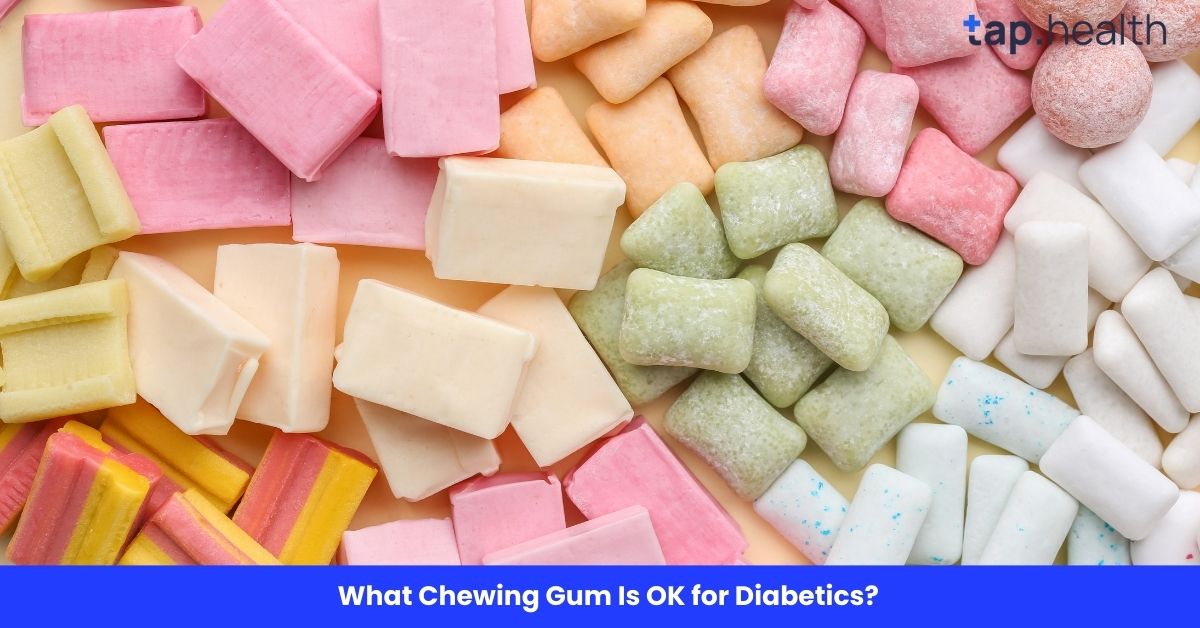
Let’s be real — chewing gum is fun. It freshens your breath, helps you focus, and sometimes even stops you from snacking when you’re bored. But if you have diabetes, you might be wondering: Is chewing gum even safe for me? What kind should I pick? Will it spike my blood sugar?
Good news: Yes, you can chew gum if you have diabetes — as long as you pick the right kind.
In this guide, we’ll walk you through everything you need to know — from which sweeteners are safe, to which brands won’t mess with your glucose levels, to how gum can actually help (or hurt) your health. We’ve pulled info from trusted sources like the American Diabetes Association, Mayo Clinic, Harvard Health, and registered dietitians so you know you’re getting the real deal.
No fluff. No confusing science words. Just simple, practical advice — written like a friend explaining it over coffee.
Let’s chew on this (pun intended).
Why Diabetics Need to Be Careful With Chewing Gum
You probably already know that sugar is a big no-no for diabetics — or at least, it needs to be seriously limited. But did you know that even “regular” gum can sneak in sugar? Yep. A single piece of sugared gum can have 1–2 grams of sugar. Doesn’t sound like much, right? But if you chew a few pieces a day, that adds up. And sugar = blood sugar spikes.
Even worse? Some gums use “hidden sugars” like corn syrup, dextrose, or maltitol — which can still raise glucose levels.
So why does this matter?
- Blood sugar control is the #1 goal for managing diabetes.
- Tooth decay is more common in diabetics — sugar feeds mouth bacteria.
- Cravings can get worse if you’re chewing sweet stuff all day.
Bottom line: Not all gum is created equal. You’ve gotta read labels and know what you’re putting in your mouth.
What Makes a Chewing Gum “Diabetic-Friendly”?
A gum is “OK for diabetics” if it meets these 3 simple rules:
1. Sugar-Free (Obviously)
Look for the words “sugar-free” on the front of the pack. But don’t stop there — check the ingredients too. Some “sugar-free” gums still contain sneaky carbs or sweeteners that act like sugar.
2. Sweetened With Safe Sugar Substitutes
Not all sugar-free sweeteners are equal. Some are totally safe for diabetics. Others? Not so much.
We’ll break down the good, the bad, and the ugly sweeteners later — but for now, just know: stevia, erythritol, xylitol, and monk fruit are your best friends.
Avoid maltitol, sorbitol (in large amounts), and anything ending in “-ose” (like dextrose, fructose, sucrose).
3. Low or Zero Net Carbs
“Net carbs” = total carbs minus fiber and sugar alcohols (the safe ones). You want this number to be as close to zero as possible.
Example:
Total carbs: 2g
Fiber: 1g
Erythritol: 1g
→ Net carbs = 0g
Some brands list net carbs right on the label. If they don’t, do the math yourself.
The Best Sugar-Free Sweeteners for Diabetics (And Why)
Let’s get into the nitty-gritty. Not all sugar-free sweeteners are safe — even if they say “sugar-free” on the pack. Here’s what you need to know.
Stevia — The Plant-Based Winner
What it is: Extracted from the stevia plant. Zero calories. Zero glycemic impact.
Why it’s great: Doesn’t raise blood sugar. Tastes sweet (sometimes a little bitter, but newer versions are better). Totally natural.
Watch out for: Some brands mix stevia with other sweeteners. Always check the label.
Brands that use it: PUR, Spry, Zellie’s, Stevita
Erythritol — The Tummy-Friendly Option
What it is: A sugar alcohol that occurs naturally in fruits. 95% is absorbed in the small intestine and excreted in urine — meaning it doesn’t ferment in your gut like other sugar alcohols.
Why it’s great: Almost zero calories. Doesn’t spike blood sugar. Gentle on digestion (unlike sorbitol or maltitol, which can cause gas or bloating).
Watch out for: In rare cases, large amounts can cause mild digestive upset — but you’d have to chew like 20 pieces at once.
Brands that use it: Zellie’s, Epic Dental, PUR
Xylitol — The Tooth Protector
What it is: Another sugar alcohol, naturally found in veggies and fruits. Famous for fighting cavities.
Why it’s great: Doesn’t raise blood sugar. Actually helps reduce plaque and bacteria in your mouth. Dentists LOVE this stuff.
Watch out for: Can cause bloating or diarrhea if you eat too much (like 30–40g in one sitting — which is like 10+ pieces of gum). Also — toxic to dogs. Keep it away from pets!
Brands that use it: Spry, Epic, Xyloburst, Zellie’s
Monk Fruit — The New Kid on the Block
What it is: Sweetener made from a small melon-like fruit grown in Asia. Zero glycemic impact.
Why it’s great: All-natural. No aftertaste (unlike some stevia). Doesn’t spike insulin.
Watch out for: Often blended with erythritol or other fillers. Check labels to make sure it’s not mixed with maltitol or dextrose.
Brands that use it: Lakanto, Nello (gum drops, not gum yet — but coming soon!)
Sweeteners Diabetics Should AVOID in Gum
Just because it says “sugar-free” doesn’t mean it’s safe. Some sweeteners can still mess with your blood sugar — or cause other problems.
Maltitol — The Sneaky Blood Sugar Raiser
Why it’s bad: Has about 75% the blood sugar impact of regular sugar. Often used because it’s cheap and tastes like sugar — but it’s a trap for diabetics.
Where you’ll find it: Many “sugar-free” gums, especially store brands or big names like Eclipse, certain Trident flavors, and Ice Breakers.
Tip: If you see “maltitol” or “maltitol syrup” in the ingredients — put it back on the shelf.
Sorbitol — OK in Small Doses, Bad in Big Ones
Why it’s risky: Has about 60% the sweetness of sugar and a small glycemic impact. But the real problem? It ferments in your gut — which means gas, bloating, and… well, you know.
Where you’ll find it: Trident (some flavors), Orbit, Extra (some varieties).
Tip: One or two pieces? Probably fine. Chewing all day? Not a good idea.
Aspartame, Sucralose, Saccharin — The Artificial Trio
The debate: These are zero-calorie, zero-glycemic sweeteners. So technically, they won’t raise your blood sugar. But…
- Some studies suggest they may affect insulin sensitivity or gut bacteria over time.
- Some people report headaches or cravings after using them.
- The World Health Organization recently labeled aspartame as “possibly carcinogenic” — though the amounts in gum are very small.
Bottom line: If you’re sensitive or prefer natural options, skip these. If you’re fine with artificial sweeteners and they don’t bother you — occasional use is probably OK.
Where you’ll find them: Sugar-free Extra, Orbit, Eclipse, Trident (many flavors).
Top 7 Diabetic-Friendly Chewing Gums (2025 Picks)
Here are the best gums you can safely chew without worrying about your blood sugar — handpicked based on ingredients, taste, dentist recommendations, and user reviews.
1. PUR Gum (Stevia + Xylitol)
Why it’s great:
- Sweetened with 100% xylitol and stevia
- No aspartame, no artificial flavors
- 5 flavors (including coolmint, pomegranate, and cinnamon)
- Vegan and gluten-free
Net carbs per piece: 0g
ADA-approved? Not officially, but ingredients are clean.
2. Zellie’s Xylitol Gum
Why it’s great:
- Made with 100% xylitol (1.1g per piece)
- Dentist-recommended for oral health
- Great for dry mouth (common in diabetics)
- Small, easy-to-chew pieces
Net carbs per piece: 0g
Bonus: Comes in fun flavors like “Polar Bears” (peppermint) and “Dinosaurs” (fruit).
3. Epic Dental Xylitol Gum
Why it’s great:
- 1.06g xylitol per piece
- Made in the USA
- No artificial sweeteners or colors
- Fresh taste, doesn’t get hard quickly
Net carbs per piece: 0g
Dentist tip: Chew after meals to reduce acid and plaque.
4. Spry Xylitol Gum
Why it’s great:
- Sweetened only with xylitol
- Contains calcium lactate to help remineralize teeth
- Comes in gum, mints, and even toothpaste
Net carbs per piece: 0g
Flavors: Fresh Fruit, Spearmint, Cinnamon, Peppermint
5. Stevita Naturals Stevia Gum
Why it’s great:
- Sweetened with stevia and isomalt (a low-glycemic sugar alcohol)
- No xylitol (good if you have pets at home)
- Soft texture, doesn’t stick to teeth
Net carbs per piece: <1g
Watch out: Isomalt can cause mild bloating in sensitive people — but much less than maltitol.
6. Xyloburst Xylitol Gum
Why it’s great:
- Budget-friendly
- 1g xylitol per piece
- Simple ingredients
- Great for kids and adults
Net carbs per piece: 0g
Flavors: Spearmint, Peppermint, Bubblegum
7. BioGenesis Xylitol Gum
Why it’s great:
- Australian brand, high-quality xylitol
- Plastic-free packaging (eco-friendly!)
- Long-lasting flavor
Net carbs per piece: 0g
Bonus: Supports sustainable birch tree farming.
Can Chewing Gum Actually HELP Diabetics?
Believe it or not — yes! Chewing the right gum can offer real benefits for people with diabetes.
Helps Control Cravings
Chewing gum can trick your brain into feeling like you’ve had a snack. One study found that people who chewed gum consumed 67 fewer calories at their next meal. For diabetics trying to manage weight and blood sugar, that’s a win.
Improves Oral Health (Super Important for Diabetics)
People with diabetes are more prone to gum disease, dry mouth, and tooth decay. Xylitol gum reduces plaque, fights bad bacteria, and increases saliva — which helps neutralize acid and protect teeth.
Dentists often recommend xylitol gum to diabetic patients for this exact reason.
May Help With Focus and Stress
Chewing gum has been shown to improve alertness and reduce cortisol (the stress hormone). Since stress can raise blood sugar, anything that helps you chill out is a bonus.
Aids Digestion (Sometimes)
Chewing stimulates saliva and digestive enzymes. Some people find it helps with bloating or acid reflux — though if you have gastroparesis (common in long-term diabetics), chewing too much gum might make you swallow air and feel worse.
How Much Gum Is Too Much for Diabetics?
There’s no magic number — but here’s a simple rule:
1–3 pieces per day of xylitol, erythritol, or stevia-sweetened gum = totally fine.
More than 5 pieces daily = might cause digestive upset (especially with xylitol or sorbitol).
Gum with maltitol or high carbs = even 1 piece can spike blood sugar — avoid completely.
Also — don’t use gum as a meal replacement or chew nonstop all day. Your jaw will hate you, and you might end up with TMJ pain or headaches.
What to Look For on the Nutrition Label
Don’t just trust the front of the package. Flip it over and check the label like a detective.
Here’s your cheat sheet:
GOOD SIGNS:
- “Sugar-Free” (but verify ingredients)
- Sweeteners: Xylitol, Erythritol, Stevia, Monk Fruit
- Net Carbs: 0–1g per piece
- No “-ose” sugars (sucrose, fructose, dextrose, etc.)
- No maltitol or high-fructose corn syrup
RED FLAGS:
- “Contains Maltitol” or “Maltitol Syrup”
- Total Carbs over 3g per piece
- Words like “natural flavors” without specifics (could hide sugar)
- Aspartame/Sucralose if you’re avoiding artificial sweeteners
Can Sugar-Free Gum Still Raise Blood Sugar?
Short answer: Most won’t — if they’re sweetened with the right stuff.
But here’s the catch:
- Maltitol raises blood sugar almost as much as real sugar.
- Sorbitol has a small impact — especially in large amounts.
- Artificial sweeteners like sucralose usually don’t — but some people report blood sugar spikes. Why? Possibly due to the “cephalic phase insulin response” — your body releases insulin just expecting sugar, even if it doesn’t come.
Pro tip: Test your blood sugar before and 30 minutes after chewing a new gum. Everyone’s body reacts differently.
Gum and Dry Mouth: A Diabetic’s Secret Weapon
Dry mouth (xerostomia) is super common in diabetics — especially if your blood sugar is high or you’re on certain meds.
Chewing gum stimulates saliva. And saliva is your mouth’s natural defense against:
- Cavities
- Bad breath
- Fungal infections (like thrush)
- Difficulty swallowing or talking
Best gum for dry mouth: Xylitol gum. It not only creates saliva but also fights the bacteria that cause bad breath and decay. Try chewing for 5–10 minutes after meals or when your mouth feels dry. Just don’t overdo it.
Are There Any Risks to Chewing Gum With Diabetes?
Yes — but only if you pick the wrong kind or chew too much.
Digestive Issues
Sugar alcohols (except erythritol) can cause gas, bloating, or diarrhea if you chew too many pieces. Stick to 1–3 per day.
Jaw Pain or Headaches
Chewing all day can strain your jaw muscles — leading to TMJ or tension headaches. Give your jaw a break.
Tooth Wear (Rare)
Some gums are very sticky or acidic. Over time, this might wear down enamel — but it’s rare. Sugar-free, non-acidic gums are fine.
False Sense of Security
Just because it’s “sugar-free” doesn’t mean it’s healthy. Some gums have artificial colors, preservatives, or questionable ingredients. Always read the label.
What Do Dentists Say About Gum for Diabetics?
We asked. They answered. Most dentists agree: Xylitol gum is a game-changer for diabetics.
Why?
- Reduces cavity-causing bacteria by up to 85%
- Increases saliva flow
- Helps remineralize enamel
- Easy, low-effort way to protect teeth between brushings
Dr. Mark Burhenne, a biological dentist and author of The 8-Hour Sleep Paradox, says:
“If I could recommend one thing to my diabetic patients besides brushing and flossing, it’s xylitol gum. It’s simple, effective, and backed by decades of research.” The American Dental Association (ADA) doesn’t “approve” specific gum brands — but they DO recognize xylitol as a cavity fighter.
DIY Diabetic-Friendly Gum? (Yes, Really)
Want total control over what’s in your gum? You can make your own!
Simple Homemade Gum Recipe
You’ll need:
- Gum base (food-grade, available online)
- Xylitol or erythritol powder (¼ cup)
- Stevia drops (optional, for extra sweetness)
- Peppermint or spearmint oil (5–10 drops)
- Coconut oil (1 tsp, to soften)
Instructions:
- Melt gum base in a double boiler.
- Stir in sweetener, oil, and flavor.
- Pour onto parchment paper.
- Let cool, then cut into small squares.
- Store in airtight container.
Pros: Zero hidden ingredients. Fun to make.
Cons: Takes time. Texture might not be perfect.
Kids With Diabetes: Is Gum Safe?
Yes — but you’ve gotta be extra careful. Kids are more sensitive to sugar alcohols (tummy aches!) and more likely to chew a whole pack in one sitting.
Best picks for kids:
- Zellie’s “Dino” or “Bear” shapes (fun + xylitol)
- Xyloburst Bubblegum (sweet, low risk)
- PUR Gum (soft, easy to chew)
Rules for parents:
- Max 1–2 pieces per day
- Always supervise young kids (choking hazard)
- Teach them to spit it out — don’t swallow!
Traveling With Diabetic Gum: Tips and Tricks
Going on a trip? Don’t forget your gum — but pack smart.
TSA-Friendly
Gum is allowed in carry-ons. No issues.
Keep It Cool
Heat can melt gum or make it hard. Store in a cool, dry place — or even the hotel fridge.
Emergency Kit
Toss a few pieces in your diabetes emergency kit. Great for:
- Low blood sugar distraction (if you’re tempted to grab candy)
- Dry mouth on planes
- Stress relief during travel delays
Common Myths About Gum and Diabetes — Busted
Let’s clear up some confusion.
Myth #1: “All sugar-free gum is safe for diabetics.”
Truth: Nope. Maltitol and some sugar alcohols can still spike blood sugar. Always check the label.
Myth #2: “Chewing gum raises insulin.”
Truth: Only if it contains sugar or maltitol. Safe sweeteners like xylitol and stevia don’t trigger insulin release.
Myth #3: “Gum ruins your teeth.”
Truth: Sugar gum? Yes. Xylitol gum? Actually protects your teeth.
Myth #4: “Artificial sweeteners are dangerous.”
Truth: In the tiny amounts found in gum, they’re considered safe by the FDA — but if you prefer natural, stick to stevia or xylitol.
Real-Life Scenario: The After-Dinner Craving
Let’s make this practical. Imagine two friends, Maria and Ben, both living with type 2 diabetes. They’ve just finished a healthy dinner and are watching a movie. A commercial for ice cream comes on, and they both get a powerful craving for something sweet.
- Maria’s Approach: Maria feels the craving but knows the ice cream would cause a significant spike. She feels a bit frustrated and tries to ignore it, which makes her focus on it even more. She ends up feeling deprived.
- Ben’s Approach: Ben also feels the craving. He simply reaches into his pocket and pulls out a stick of sugar-free gum sweetened with erythritol and stevia. He pops it in his mouth. The sweet, minty flavor satisfies his sweet tooth almost instantly. The act of chewing is distracting, and within a minute, the craving has passed. His blood sugar remains stable, and he doesn’t have to worry about undoing the progress of his healthy dinner.
This everyday example shows the power of a simple tool. For Ben, the right gum is not a treat; it’s a strategic part of his diabetes management kit, helping him navigate a world full of sugary triggers without willpower alone.
Expert Contribution: What the American Diabetes Association Says
It’s one thing to take advice from a blog; it’s another to know what the leading authorities on diabetes recommend. The American Diabetes Association (ADA) is clear on this matter.
The ADA includes sugar-free foods and beverages sweetened with non-nutritive sweeteners as acceptable choices in a diabetic meal plan. They state that these products can be useful substitutes for sugar-sweetened options because they can help satisfy a sweet tooth without adding carbohydrates that spike blood glucose.
Furthermore, the U.S. Food and Drug Administration (FDA) has rigorously reviewed and approved the main artificial sweeteners (like aspartame, sucralose, and saccharin) and sugar alcohols (like erythritol and xylitol) for public consumption, confirming their safety for the general population, including people with diabetes.
The consensus from experts is that using sugar-free gum as a tool for craving control and oral health is not only safe but is a smart strategy for overall diabetes management.
Recommendations Grounded in Proven Research and Facts
Based on the science, expert guidance, and a thorough review of ingredients, here are your actionable, evidence-based recommendations for choosing and using gum:
- Make “Sugar-Free” Your Non-Negotiable Starting Point: This is the absolute baseline. Never chew gum that contains sugar, corn syrup, dextrose, or maltodextrin. The potential for an unnecessary blood sugar spike is too high.
- Erythritol and Stevia are Your Best Friends: When scanning the ingredients list, prioritize gums that use erythritol (for its zero glycemic impact and easy digestion) and stevia (a natural, zero-calorie sweetener) as the primary sweeteners. These are the gold standards for stability and comfort.
- Use Xylitol for a Dental Health Boost: Gum with xylitol is an excellent choice for its proven oral health benefits, which are especially important for diabetics. Just be mindful of its mild potential for digestive upset if consumed in very large quantities.
- Chew with Purpose, Not Just for Fun: Integrate gum into your management plan strategically.
- Chew a piece after meals to help clean your mouth and satisfy the desire for a sweet finish.
- Use it as a craving-stopper when temptations arise.
- Avoid chewing for hours on end to prevent jaw fatigue.
- Conduct a Personal Response Test: If you are highly sensitive, test your blood sugar before and after chewing a new type of sugar-free gum. This is the only way to know with 100% certainty how your unique body responds.
- Practice Extreme Pet Safety: This cannot be overstated. If your gum contains xylitol, it is a lethal threat to dogs. Store it as you would medication—securely and completely out of reach.
Final Checklist: Is This Gum OK for Me?
Before you buy or chew, run through this quick checklist:
🔲 Is it labeled “sugar-free”?
🔲 Are the sweeteners xylitol, erythritol, stevia, or monk fruit?
🔲 Does it contain maltitol, sorbitol, or “-ose” sugars? (If yes — skip it)
🔲 Are net carbs 0–1g per piece?
🔲 Does it cause me any digestive issues or blood sugar spikes? (Test it!)
If you answered YES to the good stuff and NO to the bad — chew away!
Where to Buy Diabetic-Safe Gum
You don’t need to hunt forever. Here’s where to find the good stuff:
Online:
- Amazon (PUR, Zellie’s, Epic, Spry)
- Vitacost
- Lucky Vitamin
- Brand websites (often cheaper with subscription)
In Stores:
- Whole Foods (carries PUR, Xyloburst)
- Walmart (some locations carry Epic or Spry)
- CVS/Walgreens (limited selection — check labels carefully)
- Natural food stores or co-ops
Pro tip: Buy in bulk online to save money. Most brands offer 50–100 piece packs for under $15.
FAQs About Chewing Gum for Diabetics
Q: Can I chew gum if I’m on insulin?
A: Absolutely — as long as it’s sugar-free and doesn’t spike your blood sugar. In fact, it can help you avoid unnecessary snacking between meals.
Q: Will sugar-free gum break my fast?
A: Technically, yes — because you’re swallowing sweeteners and stimulating digestion. But if you’re doing intermittent fasting for blood sugar control, a piece of xylitol gum likely won’t ruin your progress. Just don’t chew a whole pack.
Q: Is it OK to swallow gum?
A: Swallowing one piece won’t hurt you — it’ll pass through your system. But don’t make it a habit. It’s not digestible and can cause blockages if you swallow a lot.
Q: Can gum help with bad breath caused by diabetes?
A: Yes! Dry mouth and high blood sugar can cause bad breath. Xylitol gum increases saliva and kills odor-causing bacteria. Just make sure it’s sugar-free.
Q: What’s the worst gum for diabetics?
A: Any gum with sugar, corn syrup, or maltitol. Examples:
- Ice Breakers (many contain maltitol)
- Eclipse (some flavors have sorbitol + aspartame)
- Classic Trident or Extra (check labels — some are OK, some aren’t)
Q: Can I chew gum during a glucose test?
A: No. Even sugar-free gum can affect results by stimulating digestion or insulin response. Stick to water only before blood tests.
Q: Does chewing gum lower A1C?
A: Not directly. But if it helps you avoid sugar, control cravings, and protect your teeth (which affects overall health), it can support better long-term glucose control.
Q: Is bubblegum safe for diabetics?
A: Only if it’s sugar-free AND sweetened with safe ingredients. Most bubblegums are loaded with sugar. Look for brands like Xyloburst or Zellie’s that make diabetic-safe bubblegum.
Wrapping It Up (Like a Stick of Gum)
So — what chewing gum is OK for diabetics?
The short answer: Gum sweetened with xylitol, erythritol, stevia, or monk fruit — with 0–1g net carbs and no maltitol. Stick to brands like PUR, Zellie’s, Epic, or Spry. Avoid anything with sugar, corn syrup, or sneaky sweeteners like maltitol.
Chewing the right gum can help your teeth, curb cravings, freshen breath, and even reduce stress — all without messing with your blood sugar. Just remember: moderation is key. One or two pieces a day = good. Chewing like a cow all day = not so good.
Keep this guide bookmarked. Check labels. Test your blood sugar if you’re unsure. And enjoy your gum — guilt-free.
Your taste buds (and your glucose meter) will thank you.