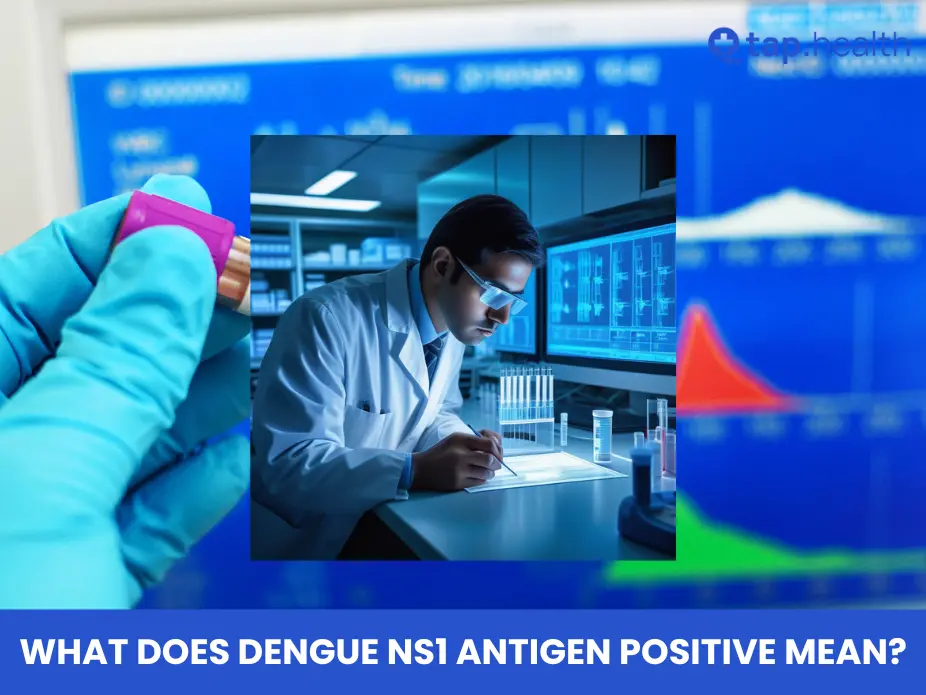
Dengue fever, a mosquito-borne illness prevalent in tropical and subtropical regions, poses significant health risks. A critical tool in its diagnosis is the dengue NS1 antigen test, which detects the presence of the NS1 protein produced by the dengue virus. This blog explores what a dengue NS1 antigen positive result means, its implications, symptoms, testing methods, treatment options, and prevention strategies
What Does Dengue NS1 Antigen Positive Mean?
A dengue NS1 antigen positive result indicates an active dengue virus infection. The NS1 antigen is a nonstructural protein produced by the dengue virus during its replication in the body. Detectable in the blood within 1–9 days of symptom onset, this protein serves as a reliable marker for early diagnosis, enabling timely medical intervention.
What Is the Dengue NS1 Antigen?
The dengue NS1 antigen is a protein released into the bloodstream when the dengue virus infects human cells. Unlike structural proteins forming the virus, NS1 is a byproduct of viral replication, making it a key target for diagnostic tests like the NS1 antigen test. This test is vital for identifying dengue early, helping healthcare providers manage the disease and prevent complications like dengue hemorrhagic fever (DHF) or dengue shock syndrome (DSS).
Role of NS1 Antigen in Dengue Infection
The NS1 antigen interacts with the immune system, influencing disease progression. High NS1 levels in the blood are associated with an increased risk of severe dengue complications, such as DHF and DSS. Detecting NS1 not only confirms an active infection but also provides insights into the potential severity of the disease, guiding treatment decisions.
Symptoms of Dengue NS1 Antigen Positive
A positive NS1 antigen test often correlates with dengue symptoms, though asymptomatic cases can occur. Common symptoms, appearing 4–10 days after an infected mosquito bite, include:
- Sudden high fever (up to 104°F or 40°C)
- Severe headache, often behind the eyes
- Joint and muscle pain
- Nausea and vomiting
- Skin rash on the face, arms, or legs
In severe cases, symptoms may escalate to persistent vomiting, abdominal pain, bleeding from the nose or gums, rapid breathing, or restlessness, signaling the need for immediate medical attention.
Why Early Detection of Dengue NS1 Antigen Matters
Early detection through the NS1 antigen test is crucial for effective dengue management. Since no specific antiviral treatment exists, timely diagnosis allows healthcare providers to:
- Monitor for severe dengue signs
- Initiate supportive care, such as hydration
- Prevent complications like DHF or DSS
Early intervention improves recovery outcomes and supports public health measures, such as mosquito control, to curb outbreaks.
How Is the Dengue NS1 Antigen Test Performed?
The NS1 antigen test is a simple blood test, typically using a sample drawn from a vein. Common testing methods include:
- ELISA (Enzyme-Linked Immunosorbent Assay): Highly accurate, widely used in labs.
- Rapid Diagnostic Tests (RDTs): Quick results, ideal for resource-limited settings, but less accurate in later stages.
- PCR (Polymerase Chain Reaction): Detects viral RNA, offering high precision but requiring specialized equipment.
Testing is most effective within 1–9 days of symptom onset, aligning with the virus’s incubation period of 4–10 days.
Interpreting Dengue NS1 Antigen Test Results
Positive Result
A positive NS1 test strongly suggests an active dengue infection, especially if conducted within the first 9 days of symptoms. Additional tests, like IgM and IgG antibody tests, may be used to confirm the diagnosis:
- IgM antibodies: Appear days after symptoms, indicating a recent infection.
- IgG antibodies: Indicate past exposure, detectable later and persisting for years.
Limitations
False positives may occur due to cross-reactivity with other flaviviruses (e.g., Zika or yellow fever). False negatives can result from testing too early, too late, or using less sensitive kits. Results must be interpreted alongside symptoms, travel history, and prior dengue exposure.
Treatment for Dengue NS1 Antigen Positive Patients
No specific antiviral treatment exists for dengue. Management focuses on supportive care tailored to the infection’s severity:
Home Care for Mild Cases
- Rest: Supports immune recovery.
- Hydration: Oral rehydration solutions, water, or juices prevent dehydration.
- Pain Relief: Use acetaminophen, avoiding aspirin or ibuprofen to reduce bleeding risks.
Hospitalization for Severe Cases
Severe dengue may require:
- IV Fluids: To maintain electrolyte balance and blood pressure.
- Platelet Monitoring: To address low platelet counts and bleeding risks.
- Intensive Care: For complications like DHF or DSS, involving blood transfusions or organ support.
Preventing Dengue Infection
Prevention is critical since no cure exists. Key strategies include:
Mosquito Control
- Eliminate Breeding Sites: Remove standing water from containers, tires, and other areas where Aedes aegypti mosquitoes breed.
- Insecticides: Use sprays or fogging during outbreaks to reduce mosquito populations.
Personal Protection
- Repellents: Apply DEET-based products to exposed skin.
- Clothing: Wear long sleeves, pants, socks, and shoes.
- Screening: Stay in air-conditioned or screened accommodations, and use insecticide-treated bed nets.
Vaccination
The Dengvaxia vaccine is approved in some countries for individuals aged 9–45 with prior dengue exposure. Administered in three doses over six months, it reduces infection risk but is less effective for those without prior exposure. Consult a healthcare provider to assess eligibility.
Recovery and Long-Term Health After Dengue
Most dengue patients recover within 7–10 days, though fatigue and body aches may persist for weeks. To aid recovery:
- Rest: Avoid strenuous activities.
- Hydration: Continue drinking fluids to support healing.
- Nutrition: Eat a balanced diet rich in fruits, vegetables, and lean proteins.
Rarely, severe dengue can lead to long-term effects like post-dengue fatigue syndrome, characterized by prolonged tiredness, joint pain, or concentration difficulties. Regular follow-ups with a healthcare provider are essential to manage lingering symptoms.
Frequently Asked Questions
1. How long does recovery from a dengue NS1 positive case take?
Most recover within 7–10 days, but fatigue or aches may linger for weeks. Rest, hydration, and a healthy diet aid recovery.
2. How soon can the NS1 antigen be detected?
The NS1 antigen is detectable 1–9 days after symptoms begin, making it ideal for early diagnosis.
3. Are specific symptoms linked to a positive NS1 result?
A positive NS1 result confirms dengue but doesn’t specify symptoms, which may range from mild fever to severe pain, rashes, or bleeding.
Conclusion
A dengue NS1 antigen positive result signals an active dengue infection, necessitating prompt medical attention. Early detection through the NS1 test enables effective management, reducing the risk of severe complications like DHF or DSS. While no specific treatment exists, supportive care, hydration, and monitoring improve outcomes. Prevention through mosquito control, personal protection, and vaccination remains the cornerstone of combating dengue. If you experience symptoms or have traveled to a dengue-endemic area, consult a healthcare provider immediately for testing and guidance.