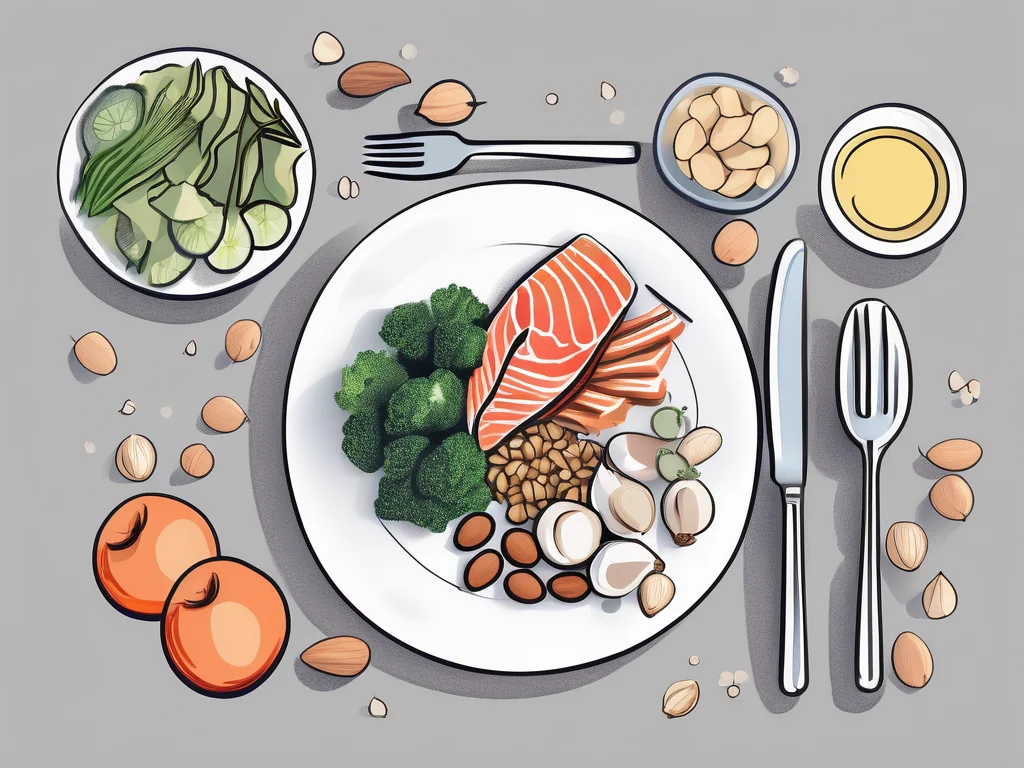
A thyroid-friendly diet is essential for supporting thyroid health, managing symptoms, and promoting overall well-being. The thyroid gland regulates metabolism, energy levels, and body temperature, making proper nutrition critical for those with thyroid disorders like hypothyroidism or hyperthyroidism. This blog explores the best foods to include, nutrients to prioritize, foods to avoid, and practical tips for meal planning to optimize thyroid function.
What Are Thyroid Disorders and Their Impact?
Thyroid disorders, such as hypothyroidism (underactive thyroid) and hyperthyroidism (overactive thyroid), affect millions globally. Hypothyroidism slows metabolism, causing fatigue, weight gain, and cold sensitivity. Hyperthyroidism accelerates metabolism, leading to weight loss, anxiety, and increased heart rate. Diet plays a pivotal role in managing these conditions by providing essential nutrients and minimizing foods that disrupt thyroid function.
Why Is Diet Important for Thyroid Function?
Diet directly influences thyroid hormone production and regulation. Essential nutrients like iodine, selenium, and zinc are vital for synthesizing thyroid hormones (T4 and T3) and supporting metabolic processes. A poor diet lacking these nutrients or containing thyroid-disrupting foods can worsen symptoms and impair thyroid health.
Essential Nutrients for a Thyroid-Friendly Diet
To support optimal thyroid function, focus on incorporating these key nutrients into your diet:
1. Iodine for Thyroid Hormone Synthesis
Iodine is a critical component of thyroid hormones. A deficiency can lead to goiter or hypothyroidism, while excessive intake may worsen hyperthyroidism.
- Sources: Seaweed, iodized salt, seafood (e.g., cod, shrimp), and dairy products.
- Tip: Aim for moderate iodine intake, as both deficiency and excess can harm thyroid function.
2. Selenium for Hormone Conversion
Selenium aids in converting T4 to the active T3 hormone and protects the thyroid from oxidative stress.
- Sources: Brazil nuts (1–2 nuts daily), fish, eggs, and sunflower seeds.
- Tip: Avoid overconsumption, as excessive selenium can be toxic.
3. Zinc for Hormone Regulation
Zinc supports thyroid-stimulating hormone (TSH) production, which regulates thyroid activity.
- Sources: Pumpkin seeds, lentils, beef, and chickpeas.
- Tip: Pair zinc-rich foods with a balanced diet to enhance absorption.
Best Foods for a Thyroid-Friendly Diet
Incorporating nutrient-dense, thyroid-supporting foods can help manage symptoms and promote overall health. Here’s what to include based on your condition:
Foods for Hypothyroidism
For an underactive thyroid, focus on foods that boost metabolism and provide essential nutrients:
- Seafood: Salmon, sardines, and mackerel are rich in omega-3 fatty acids, which reduce inflammation.
- Lean Proteins: Chicken, turkey, and eggs support hormone production and muscle maintenance.
- Whole Grains: Quinoa, brown rice, and oats provide fiber and sustained energy.
- Fruits and Vegetables: Berries, spinach, and sweet potatoes offer antioxidants and vitamins.
Foods for Hyperthyroidism
For an overactive thyroid, prioritize foods that help regulate hormone production:
- Cruciferous Vegetables: Broccoli, cauliflower, and kale contain compounds that may reduce excess thyroid hormone production (cook to reduce goitrogenic effects).
- Antioxidant-Rich Foods: Berries, nuts, and seeds combat oxidative stress.
- Healthy Fats: Avocados and olive oil support hormone balance.
- Lean Proteins: Fish and poultry provide essential amino acids without overloading the system.
Foods to Avoid for Thyroid Health
Certain foods can interfere with thyroid function or exacerbate symptoms. Limit or avoid the following:
1. Goitrogenic Foods
Goitrogens, found in raw cruciferous vegetables (e.g., broccoli, cabbage), can inhibit iodine uptake. Cooking reduces their impact, making them safer for consumption.
- Tip: Steam or lightly cook cruciferous vegetables to minimize goitrogenic effects.
2. Soy Products
Soy can interfere with thyroid hormone absorption, especially in those with hypothyroidism.
- Examples: Tofu, soy milk, and edamame.
- Tip: Consume soy in moderation and avoid taking it close to thyroid medication.
3. Gluten and Processed Sugars
Gluten and refined sugars may trigger inflammation or autoimmune responses in sensitive individuals, worsening conditions like Hashimoto’s thyroiditis.
- Examples: White bread, pastries, and sugary snacks.
- Tip: Opt for gluten-free grains like quinoa or rice if sensitivity is suspected.
4. Nightshades and Dairy
For some, nightshade vegetables (e.g., tomatoes, eggplants) and dairy may trigger autoimmune reactions, exacerbating thyroid issues.
- Tip: Try an elimination diet to identify potential triggers.
Meal Planning for Thyroid Health
Effective meal planning ensures a balanced intake of nutrients to support thyroid function. Here’s how to create a thyroid-friendly meal plan:
1. Prioritize Nutrient-Dense Foods
Incorporate a variety of whole foods, including:
- Proteins: Lean meats, fish, or plant-based options like lentils.
- Carbohydrates: Complex carbs like whole grains and root vegetables.
- Fats: Healthy fats from nuts, seeds, and avocados.
2. Balance Macronutrients
- Carbohydrates: Provide energy and stabilize blood sugar (e.g., oats, sweet potatoes).
- Proteins: Support hormone production and tissue repair (e.g., eggs, chicken).
- Fats: Aid hormone absorption (e.g., olive oil, fatty fish).
3. Plan Balanced Meals
Example thyroid-friendly meal plan:
- Breakfast: Greek yogurt with berries, chia seeds, and a Brazil nut.
- Lunch: Grilled salmon with quinoa and steamed broccoli.
- Snack: Apple slices with almond butter.
- Dinner: Baked chicken with sweet potato and sautéed spinach.
The Role of Hydration in Thyroid Wellness
Proper hydration supports thyroid function by regulating body temperature and metabolism. Dehydration can stress the body, potentially worsening thyroid symptoms.
- Recommendation: Drink at least 8–10 glasses of water daily, adjusting for activity level and climate.
- Tip: Include hydrating foods like cucumbers, watermelon, and oranges to boost fluid intake.
When to Consult a Dietitian for Thyroid Health
A registered dietitian can provide personalized guidance for managing thyroid conditions through diet. Seek professional help if:
- You’re unsure how to balance nutrients for your specific condition.
- You suspect food sensitivities or triggers.
- You need a tailored meal plan to address symptoms or medication interactions.
Find a dietitian through reputable platforms like the Academy of Nutrition and Dietetics or consult your healthcare provider for referrals.
Conclusion
A thyroid-friendly diet can significantly improve thyroid function and overall health. By prioritizing iodine, selenium, and zinc, incorporating nutrient-dense foods, avoiding thyroid-disrupting items, and maintaining proper hydration, you can support your thyroid and manage symptoms effectively. Meal planning and professional guidance from a dietitian can further optimize your approach. Take control of your diet to enhance thyroid health and enjoy a better quality of life.