Gestational diabetes is a type of diabetes that develops during pregnancy. While it typically resolves after childbirth, it can have serious consequences if not properly managed. If left untreated, gestational diabetes can lead to complications for both the mother and the baby. In this blog post, we will explore what happens if gestational diabetes is left untreated, the risks involved, and how to prevent these complications through proper care and monitoring.
Whether you’re expecting or simply curious about this condition, understanding the importance of treatment for gestational diabetes is essential for the health of both mother and child.
What Is Gestational Diabetes?
Gestational diabetes occurs when your body cannot produce enough insulin during pregnancy. Insulin is a hormone that helps regulate blood sugar levels. When a woman is pregnant, her body goes through various changes, including hormonal changes that can interfere with insulin function, leading to higher than normal blood sugar levels.
Although gestational diabetes is usually temporary and resolves after birth, if left untreated, it can cause significant health issues for both the mother and baby. It is essential for pregnant women to get tested for gestational diabetes, typically between the 24th and 28th weeks of pregnancy, to prevent complications.
What Happens If Gestational Diabetes Is Not Managed?
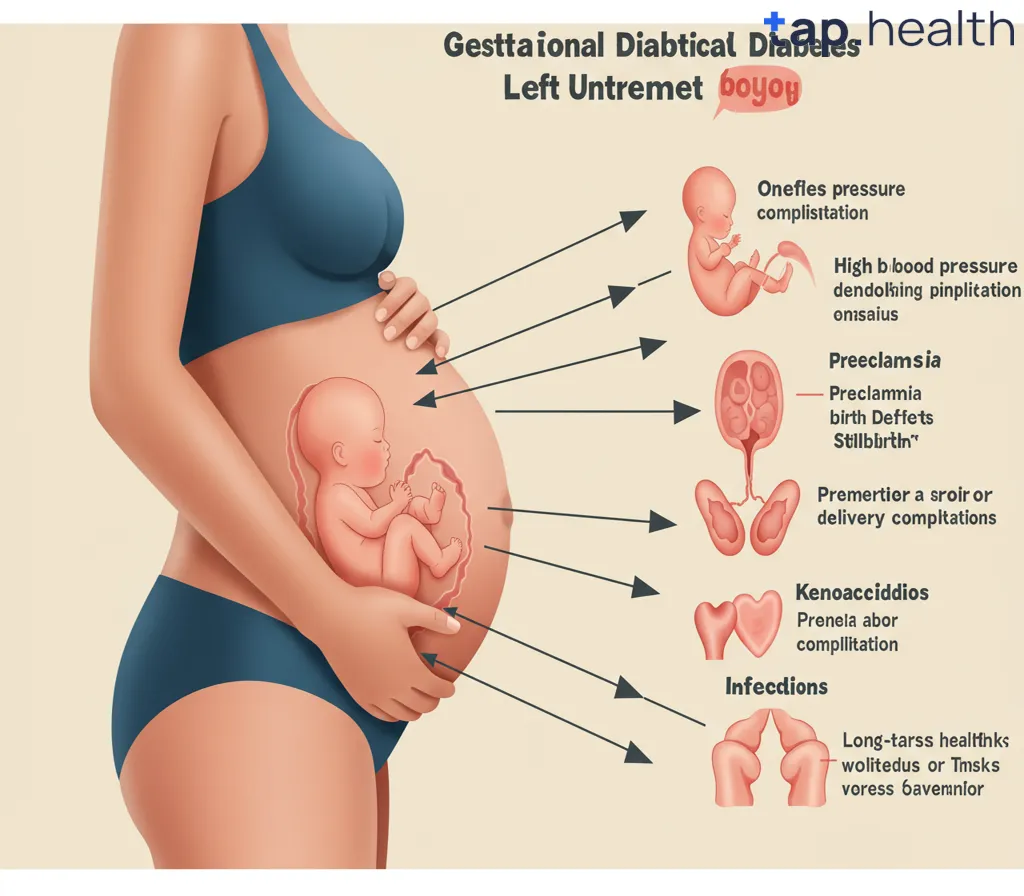
If gestational diabetes is left untreated or unmanaged, the following risks and complications can occur:
1. High Blood Sugar Levels in the Mother
If a pregnant woman has gestational diabetes and does not control her blood sugar, it can lead to hyperglycemia (high blood sugar). High blood sugar levels during pregnancy can cause several issues, including:
- Increased risk of preeclampsia: This is a condition characterized by high blood pressure and damage to organs like the liver and kidneys, which can be life-threatening if not managed.
- Urinary tract infections (UTIs): High blood sugar levels can increase the risk of infections, including urinary tract infections.
- Excessive weight gain: Uncontrolled blood sugar can lead to excess weight gain during pregnancy, which can cause complications during delivery.
2. Premature Birth
High blood sugar levels can increase the risk of premature birth. A premature birth can result in a baby being born before the 37th week of pregnancy, which can lead to a host of health problems for the baby, such as:
- Difficulty breathing
- Low birth weight
- Immature organs
Premature babies may need to stay in a neonatal intensive care unit (NICU) for additional care and monitoring after birth.
3. Increased Risk of Cesarean Section (C-Section)
Untreated gestational diabetes can result in a large baby, a condition called macrosomia. A large baby may make vaginal delivery difficult or impossible, which increases the likelihood of a cesarean section. C-sections carry risks, such as infection, blood loss, and longer recovery time.
4. High Blood Pressure (Hypertension)
Gestational diabetes can lead to high blood pressure, which can be harmful to both the mother and the baby. In severe cases, it can lead to preeclampsia, a serious condition that can cause complications during pregnancy and delivery. Hypertension can also increase the risk of stroke, heart disease, and kidney problems for the mother.
5. Ketoacidosis
Ketoacidosis is a dangerous condition that can occur if blood sugar levels remain high for an extended period. This leads to the buildup of ketones in the blood, which are produced when the body starts breaking down fat for energy. In pregnant women, ketoacidosis can be particularly dangerous and can cause complications for both the mother and baby if not treated promptly.
Risks to the Baby If Gestational Diabetes Is Left Untreated
Gestational diabetes not only affects the mother but also poses significant risks to the baby. Here are some of the most common risks to the baby if the condition is left untreated:
1. Excessive Birth Weight (Macrosomia)
High blood sugar levels in the mother can cause the baby to grow excessively large, a condition known as macrosomia. This can cause difficulties during delivery, including:
- Increased risk of shoulder dystocia (the baby’s shoulder gets stuck during delivery)
- Higher likelihood of birth injuries, such as fractures or nerve damage
- Increased likelihood of the need for a cesarean section
2. Hypoglycemia (Low Blood Sugar) After Birth
After birth, babies born to mothers with untreated gestational diabetes may experience hypoglycemia, or low blood sugar. This is because the baby’s body has become accustomed to producing extra insulin in response to the high blood sugar levels in the mother’s bloodstream. When the baby is born, the high insulin levels can cause a rapid drop in blood sugar, which may lead to:
- Shaking
- Difficulty feeding
- Poor muscle tone
- Seizures in extreme cases
Hypoglycemia in newborns requires prompt medical intervention to bring blood sugar levels back to normal.
3. Jaundice
Jaundice is a condition where a baby’s skin and eyes turn yellow due to a buildup of bilirubin in the blood. Jaundice is common in babies born to mothers with untreated gestational diabetes. If not treated, jaundice can lead to serious complications, including brain damage.
4. Respiratory Distress Syndrome (RDS)
Babies born to mothers with untreated gestational diabetes are at a higher risk of developing respiratory distress syndrome (RDS), a condition where the baby’s lungs are not fully developed, leading to difficulty breathing. RDS is more common in premature infants, but it can occur in full-term babies born to mothers with poorly controlled diabetes.
5. Increased Risk of Obesity and Type 2 Diabetes Later in Life
Babies born to mothers with untreated gestational diabetes are at a higher risk of developing obesity and type 2 diabetes as they grow older. Studies have shown that these children may have an increased likelihood of experiencing metabolic problems later in life, which can lead to long-term health issues.
How to Prevent Complications of Gestational Diabetes
The good news is that gestational diabetes can be managed effectively with early detection and appropriate treatment. If you are diagnosed with gestational diabetes, here’s how you can reduce the risk of complications:
1. Monitoring Blood Sugar Levels
Frequent monitoring of blood sugar levels is key to managing gestational diabetes. By tracking your blood glucose levels, you can adjust your diet and activity level to ensure that your blood sugar stays within a healthy range.
2. Healthy Diet and Nutrition
Eating a well-balanced, healthy diet is crucial for managing gestational diabetes. Focus on:
- Low glycemic index (GI) foods that have a slower effect on blood sugar, such as whole grains, vegetables, and lean proteins
- Avoiding high-sugar foods that can cause blood sugar spikes, such as sugary snacks, soda, and processed foods
- Eating smaller, more frequent meals to maintain steady blood sugar levels
3. Regular Physical Activity
Regular exercise can help regulate blood sugar levels by improving insulin sensitivity. Aim for 30 minutes of moderate activity most days of the week. Walking, swimming, and prenatal yoga are great options during pregnancy.
4. Medication
In some cases, diet and exercise alone may not be enough to control blood sugar levels. If this happens, your healthcare provider may recommend insulin injections or oral medications to help manage your blood sugar.
5. Regular Prenatal Checkups
Frequent prenatal checkups are essential for monitoring the health of both the mother and the baby. Your healthcare provider will check your blood sugar levels, monitor fetal growth, and track other important aspects of your pregnancy to ensure everything is progressing well.
Frequently Asked Questions (FAQs) on What Happens If Gestational Diabetes is Left Untreated?
1. Can gestational diabetes go away after birth?
Yes, gestational diabetes usually resolves after childbirth. However, women who have had gestational diabetes are at a higher risk of developing type 2 diabetes later in life, so it’s important to continue healthy lifestyle habits post-pregnancy.
2. What are the signs that gestational diabetes is not well controlled?
Signs that gestational diabetes is not well controlled include high blood sugar levels, excessive thirst, frequent urination, fatigue, and blurry vision. It’s important to regularly monitor blood sugar levels and seek medical advice if these symptoms occur.
3. Is gestational diabetes inherited?
There is a genetic component to gestational diabetes. If a woman has a family history of diabetes or has had gestational diabetes in a previous pregnancy, she may be at a higher risk of developing it during pregnancy.
4. Can untreated gestational diabetes affect future pregnancies?
Yes, untreated gestational diabetes can affect future pregnancies. Women who have had gestational diabetes are at higher risk of having it again in subsequent pregnancies, and they may also be at a higher risk of developing type 2 diabetes later in life.
5. Can gestational diabetes cause birth defects?
Gestational diabetes itself is less likely to cause birth defects compared to pre-existing type 1 or type 2 diabetes. However, untreated gestational diabetes can lead to complications such as excessive birth weight and premature birth, which can pose risks during delivery.
In conclusion, gestational diabetes is a serious condition that should not be left untreated. If left unmanaged, it can lead to severe complications for both the mother and the baby. Early diagnosis, proper management through diet, exercise, and monitoring, and regular prenatal checkups are essential in preventing these complications and ensuring a healthy pregnancy.